Understanding Wheat Bran as an Industrial Feed Ingredient
Wheat bran is the fibrous outer layer removed during wheat milling and is widely recognized as one of the most valuable co-products in the global grain processing industry. Rich in dietary fiber, protein, phosphorus, and essential minerals, wheat bran has become an important ingredient for commercial feed formulations serving multiple livestock sectors. Its consistent nutritional profile and broad availability make it attractive for feed manufacturers seeking economical ingredients without compromising feed quality.
According to the Food and Agriculture Organization (FAO), wheat remains one of the world's most extensively cultivated cereal crops, creating a stable supply of milling by-products such as wheat bran for industrial use. The growing scale of global wheat production supports reliable availability for feed manufacturers across regional and international markets.
Wheat Bran's Nutritional Value for Commercial Feed
The nutritional characteristics of wheat bran contribute significantly to balanced livestock diets. It supplies moderate protein levels, digestible energy, vitamins, and minerals while improving dietary fiber content. These properties make it particularly suitable for compound feed formulations designed for ruminants, swine, poultry, and aquaculture in specific feeding programs.
Technical guidance published by the U.S. Department of Agriculture (USDA) and feed nutrition references highlights wheat bran as an effective complementary ingredient when incorporated alongside cereals, protein meals, amino acids, and mineral supplements. Feed formulators appreciate its flexibility in optimizing nutritional performance while managing production costs.
Industrial Applications of Wheat Bran in Livestock Nutrition
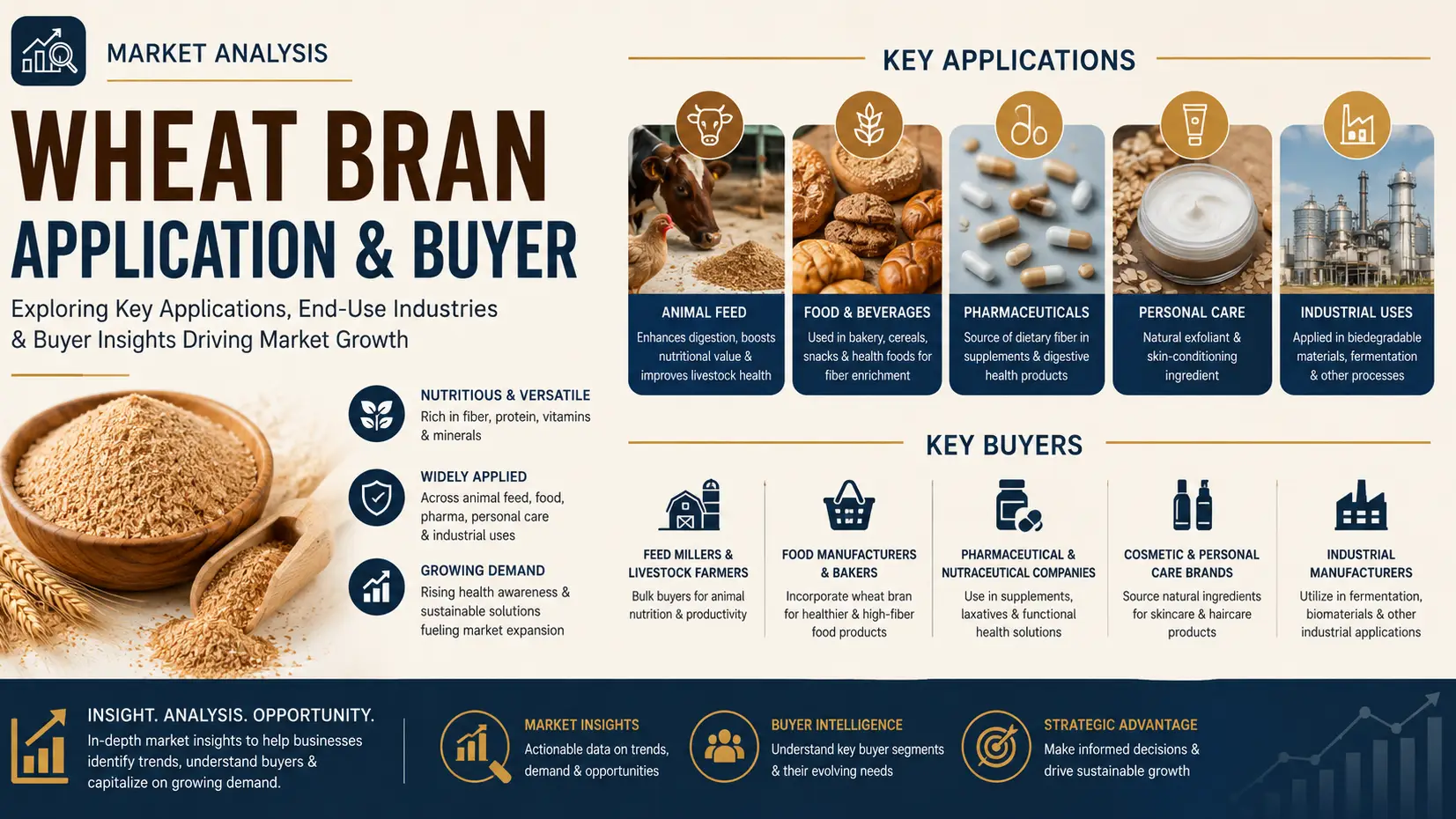
Commercial feed manufacturers utilize wheat bran across a wide range of livestock production systems because of its functional and nutritional benefits. Dairy cattle diets often include wheat bran to improve fiber intake and digestive performance, while beef operations incorporate it as part of balanced concentrate formulations. Poultry producers also use wheat bran in carefully formulated rations to achieve nutritional objectives for different growth stages.
Growing interest in sustainable feed production has further increased the use of wheat bran because it supports efficient utilization of agricultural by-products. According to the International Grains Council (IGC), maximizing the value of grain processing co-products contributes to more resource-efficient food and feed supply chains.
Expanding Applications Across Feed Manufacturing
Modern feed mills increasingly combine wheat bran with soybean meal, corn gluten feed, distillers dried grains with solubles (DDGS), vitamins, and mineral premixes to develop customized formulations for regional livestock requirements. Its relatively stable supply and competitive pricing provide procurement teams with flexibility during periods of fluctuating commodity markets.
Beyond conventional livestock production, wheat bran also finds applications in specialty feed products targeting horses, rabbits, sheep, goats, and selected aquaculture species. Continuous research into feed efficiency and animal nutrition continues to expand its commercial relevance within diversified feed manufacturing operations.
Market Growth Trends Driving Wheat Bran Demand
The global demand for wheat bran continues to benefit from expanding livestock production, rising meat and dairy consumption, and increasing investment in commercial feed manufacturing. Emerging economies throughout Asia-Pacific, the Middle East, Africa, and Latin America are modernizing livestock production systems, creating sustained demand for reliable feed ingredients that balance nutrition with cost efficiency.
Market assessments published by organizations such as the Organisation for Economic Co-operation and Development (OECD) and the FAO Agricultural Outlook indicate that long-term growth in animal protein consumption will continue supporting increased feed production worldwide. This trend reinforces wheat bran's importance as a dependable ingredient within compound feed manufacturing.
Market Dynamics Influencing Commercial Demand
Feed manufacturers closely monitor wheat harvest volumes, flour milling capacity, transportation costs, and international grain trade because these factors directly influence wheat bran availability and pricing. Seasonal production cycles, weather conditions, and regional export policies also affect procurement strategies adopted by commercial buyers.
At the same time, growing emphasis on circular economy practices encourages greater utilization of agricultural co-products such as wheat bran. By transforming milling by-products into valuable feed ingredients, manufacturers improve resource efficiency while supporting sustainability objectives throughout the global agricultural supply chain.
Buyer Intent and Procurement Considerations
Organizations purchasing wheat bran typically include commercial feed manufacturers, livestock integrators, dairy producers, poultry companies, aquaculture feed processors, feed premix manufacturers, agricultural distributors, and international commodity traders. These buyers require dependable supplies that meet nutritional specifications while supporting efficient and cost-effective feed production. As commercial livestock operations continue to expand, procurement teams increasingly prioritize suppliers capable of delivering consistent quality and stable long-term availability.
According to the Food and Agriculture Organization (FAO), feed ingredients play a critical role in improving livestock productivity and supporting global food security. This has encouraged buyers to evaluate wheat bran not only on price but also on nutritional consistency, traceability, and supply reliability.
What Procurement Teams Evaluate Before Buying
Professional procurement teams compare wheat bran suppliers based on several commercial and technical factors. Product specifications such as crude protein, crude fiber, moisture content, ash levels, and particle size are essential because they directly influence feed formulation and manufacturing efficiency. Buyers also assess packaging options, bulk shipment capabilities, storage stability, phytosanitary compliance, and export documentation before finalizing purchasing decisions.
A comprehensive product page helps sourcing professionals compare specifications, request quotations, evaluate logistics options, and verify supplier capabilities. For manufacturers, distributors, and trading companies, transparent technical information supports faster purchasing decisions while reducing sourcing risks in competitive international markets.
Global Sourcing Opportunities for B2B Buyers
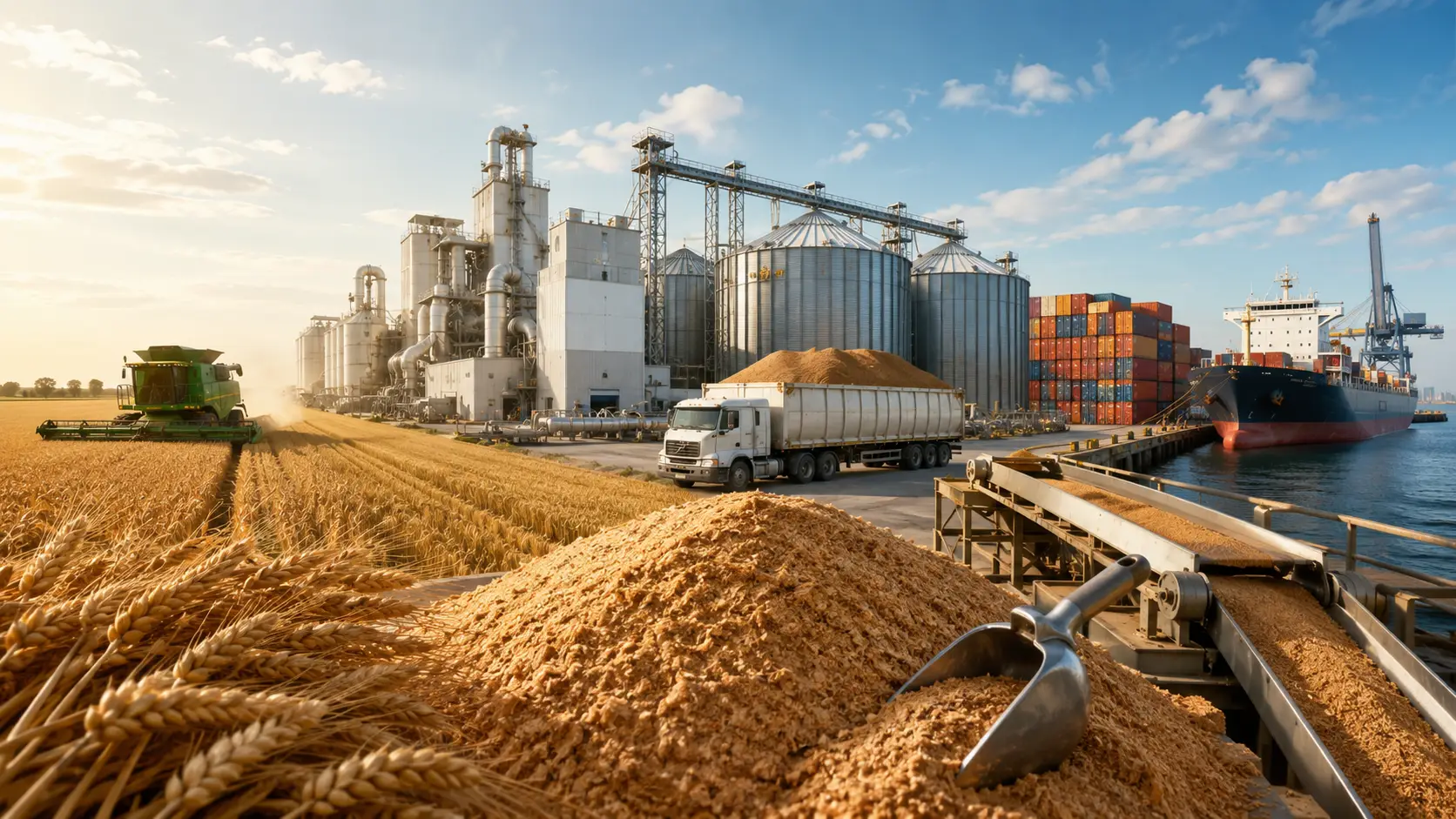
International trade has strengthened the wheat bran market by connecting flour mills, agricultural processors, exporters, and feed manufacturers through efficient global supply chains. Countries with significant wheat production and milling industries continue to supply wheat bran to regions where expanding livestock sectors require additional feed ingredients. Improvements in logistics infrastructure and bulk commodity transportation have also enhanced the accessibility of wheat bran across international markets.
Industry reports from the International Grains Council (IGC) indicate that global grain trade remains an essential component of feed ingredient availability, allowing buyers to diversify sourcing strategies and improve supply security. Reliable exporters and trading companies help maintain uninterrupted deliveries despite seasonal production fluctuations or regional market changes.
Why Strategic Sourcing Matters
Selecting the right supplier extends beyond competitive pricing. Buyers increasingly seek partners that can provide consistent product quality, responsive customer service, flexible shipment volumes, and documentation supporting international trade requirements. Long-term supplier relationships also contribute to greater supply stability, particularly during periods of volatile grain markets.
Tradeasia, Chemtradeasia, and Tradechem Marketplace support industrial buyers by connecting them with reliable sourcing solutions for wheat bran and other feed ingredients. Through an established international supplier network, procurement teams can efficiently identify products that meet technical specifications while simplifying global purchasing processes.
Conclusion
Wheat bran has evolved from a traditional milling by-product into an essential commercial feed ingredient that supports modern livestock nutrition and sustainable agricultural production. Its balanced nutritional profile, broad application across multiple animal species, and dependable availability continue to drive demand among feed manufacturers and agricultural businesses worldwide. As the global livestock industry expands, wheat bran remains an important component of cost-effective feed formulations that balance performance with economic value.
For procurement professionals, selecting a reliable wheat bran supplier involves evaluating product quality, supply consistency, logistics capabilities, and technical support. Companies such as Tradeasia, Chemtradeasia, and Tradechem Marketplace help manufacturers, distributors, and traders streamline sourcing by providing access to global supplier networks and commercial expertise. As international feed markets continue to grow, strategic sourcing partnerships will remain essential for maintaining resilient and efficient supply chains.
Sources
https://www.fao.org
https://www.igc.int
https://www.fas.usda.gov
Leave a Comment