Global Poultry Meal Supply Chain Trends for Feed Industry Buyers
Introduction to Poultry Meal as a Strategic Feed Ingredient
Understanding Poultry Meal in Global Feed Supply Chains
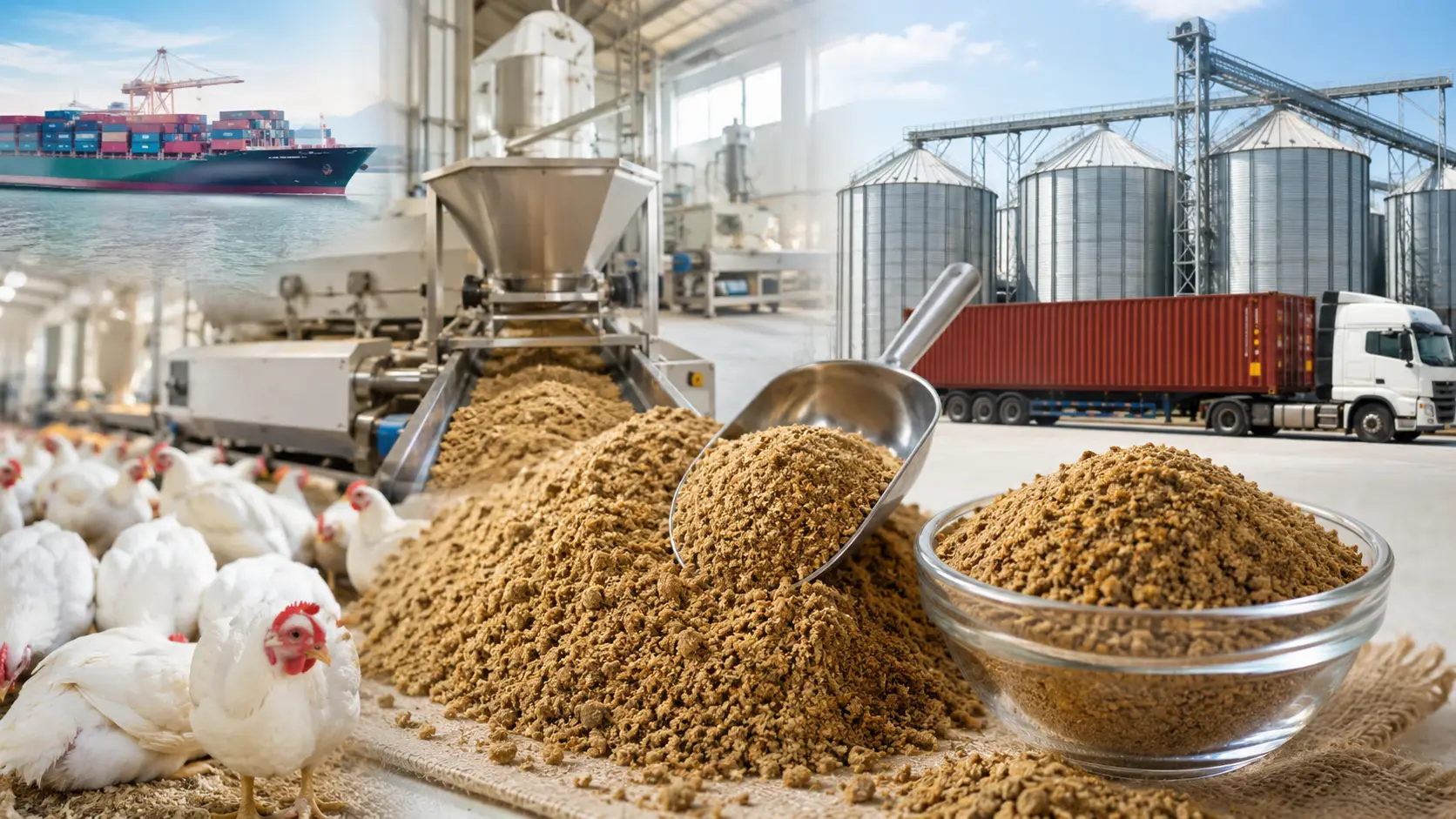
Poultry meal has become an important animal protein ingredient within global feed manufacturing due to its nutritional value, availability, and role in converting poultry processing by-products into valuable feed resources. Produced through rendering processes, poultry meal contains concentrated protein and minerals that support formulation strategies across livestock, aquaculture, and pet food industries. According to technical information from the Association of American Feed Control Officials, rendered animal products are recognized as important sources of nutrients in regulated animal feed applications.
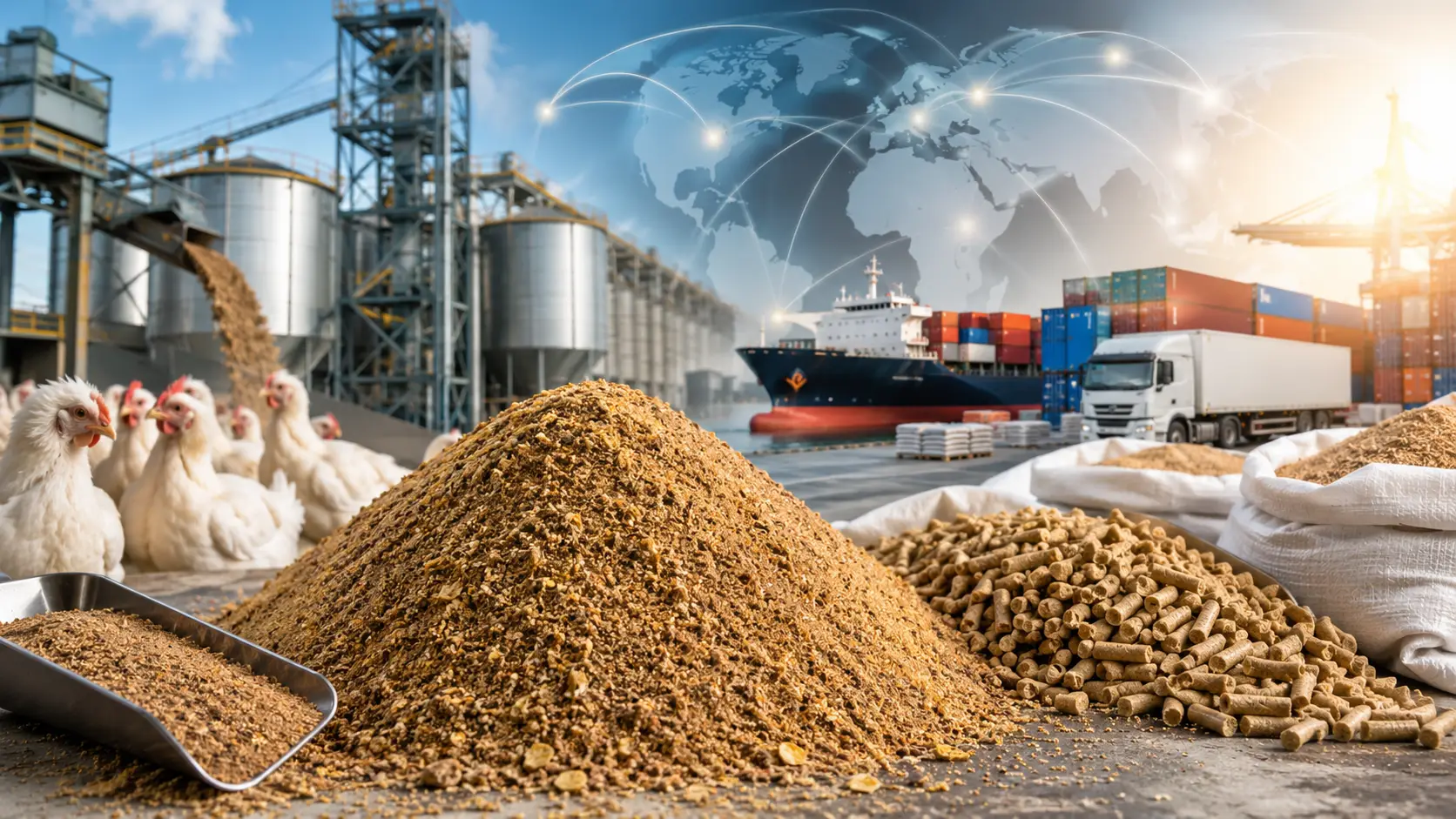
The global poultry industry continues to expand as demand for affordable animal protein increases, creating a consistent supply stream of poultry processing residues suitable for rendering. Poultry meal supply chains connect poultry processors, rendering facilities, feed manufacturers, distributors, and international buyers. This interconnected structure allows suppliers to provide cost-efficient protein solutions while supporting circular utilization of agricultural resources.
Commercial Importance of Poultry Meal Supply
The commercial value of poultry meal is closely linked to its ability to provide a concentrated protein source for feed producers seeking alternatives to conventional ingredients. Feed manufacturers evaluate poultry meal based on protein content, digestibility, processing standards, availability, and compliance with import regulations. These factors influence purchasing decisions among international buyers sourcing animal feed ingredients.
According to market analysis from Food and Agriculture Organization of the United Nations, global livestock production systems increasingly focus on improving feed efficiency and resource utilization. Poultry meal contributes to these objectives by transforming poultry industry by-products into functional feed materials.
Global Poultry Meal Supply Chain and Market Dynamics
The poultry meal supply chain depends heavily on poultry production volumes, rendering infrastructure, and regional processing capabilities. Major poultry-producing regions generate significant quantities of raw materials that can be processed into poultry meal for domestic consumption and export markets. Suppliers with established collection networks and modern rendering facilities are better positioned to serve international buyers consistently.
Market participants monitor poultry production trends, feed demand, transportation costs, and regulatory requirements when managing poultry meal distribution. According to industry data from the United States Department of Agriculture, global poultry production remains a major contributor to agricultural commodity markets, influencing demand for associated feed ingredients.
International Trade and Supply Chain Challenges
International poultry meal trading requires coordination between producers, exporters, logistics providers, and feed manufacturers. Buyers typically assess supplier reliability, documentation capabilities, product consistency, and shipment flexibility before establishing long-term purchasing relationships.
Supply chain challenges may include fluctuations in raw material availability, changing import regulations, freight costs, and quality control requirements. For global procurement teams, selecting suppliers with transparent sourcing practices and export experience helps reduce supply risks and maintain stable feed production operations.
Poultry Meal Production Process and Quality Considerations
Poultry meal production involves controlled rendering processes designed to remove moisture and concentrate valuable nutrients from poultry-derived materials. The process generally includes cooking, separation of fats, drying, and grinding to create a stable feed ingredient suitable for industrial applications.
Technical quality parameters such as protein level, moisture content, ash content, and microbial control are important considerations for feed manufacturers. According to technical guidance published by National Renderers Association, proper rendering practices help produce safe and consistent animal-derived feed ingredients.
Quality Requirements for Industrial Buyers
Procurement teams purchasing poultry meal evaluate supplier documentation, product specifications, quality certifications, and compliance with destination market regulations. Consistent quality is essential because feed manufacturers require predictable ingredient performance during formulation.
For international buyers, supplier assessment often includes reviewing production capabilities, traceability systems, testing procedures, and export documentation. Reliable quality management supports stronger supplier relationships and reduces operational interruptions in feed production.
Industrial Applications Driving Poultry Meal Demand
Poultry meal is widely used in animal feed formulations because it provides concentrated animal protein and essential nutrients. Feed manufacturers incorporate poultry meal into diets for poultry, livestock, and other animal production systems where protein efficiency and formulation economics are important.
The growing demand for animal protein worldwide continues to support interest in cost-effective feed ingredients. According to research published by the National Agricultural Statistics Service, livestock and poultry production trends influence demand patterns for feed inputs across agricultural markets.
Aquaculture and Pet Food Applications
Beyond traditional livestock feed, poultry meal is also considered in aquaculture and pet food formulations. Aquaculture producers seek reliable protein sources to support intensive farming systems, while pet food manufacturers evaluate animal-derived ingredients for nutritional performance and palatability.
Application diversity strengthens poultry meal demand by connecting suppliers with multiple downstream industries. Buyers from these sectors typically prioritize ingredient consistency, supply reliability, and compliance with industry-specific standards.
Buyer Intent and Procurement Factors for Poultry Meal
Typical poultry meal buyers include compound feed manufacturers, livestock nutrition companies, aquaculture feed producers, pet food manufacturers, animal nutrition distributors, and international commodity traders. These buyers require dependable supply channels to maintain continuous production schedules.
Procurement teams usually evaluate poultry meal suppliers based on product specifications, production capacity, export experience, pricing competitiveness, and logistical capabilities. Different industries may apply different quality criteria depending on their formulation requirements.
Why Buyers Compare Suppliers
Global buyers compare poultry meal suppliers because availability, quality consistency, and commercial terms can vary significantly between markets. Reliable suppliers provide clear specifications, responsive communication, and appropriate documentation to support purchasing decisions.
A professional B2B marketplace presence helps buyers identify potential suppliers, compare sourcing options, and connect with manufacturers capable of meeting industrial requirements.
Supplier Selection and International Sourcing Strategies
Selecting a poultry meal supplier requires evaluation of production infrastructure, quality management systems, export capabilities, and market experience. Buyers often prefer suppliers that can demonstrate consistent production standards and provide transparent product information.
A strong sourcing strategy includes reviewing supplier qualifications, understanding shipping capabilities, and confirming compliance with destination market requirements. These steps help reduce procurement risks and support long-term supply relationships.
Supporting Global Feed Ingredient Procurement
International sourcing platforms provide opportunities for buyers to connect with verified suppliers and explore competitive supply options. Digital marketplaces simplify supplier discovery by bringing together manufacturers, traders, and industrial purchasers.
For businesses sourcing poultry meal internationally, access to reliable supplier networks can improve purchasing efficiency and strengthen supply chain resilience.
Commercial Positioning of Poultry Meal in Global Trade
Poultry meal represents a commercially relevant feed ingredient because it supports efficient resource utilization while providing nutritional value for multiple animal production sectors. Its importance continues to grow as industries seek practical solutions for feed cost management and sustainable ingredient sourcing.
Demand is shaped by livestock expansion, aquaculture growth, pet food development, and international feed ingredient trade. These market drivers create opportunities for suppliers capable of delivering consistent quality and dependable logistics.
Tradeasia Marketplace Role in Poultry Meal Sourcing
Tradeasia International supports industrial buyers by connecting businesses with global supply opportunities across various commodity and chemical-related markets. Through marketplace solutions, buyers can explore sourcing options, communicate with suppliers, and evaluate products based on commercial requirements.
For poultry meal procurement, reliable supplier access, clear product information, and efficient trade communication are essential elements in building successful international purchasing relationships.
Conclusion: Building Reliable Poultry Meal Supply Networks
The poultry meal market is expected to remain connected with global feed industry development as producers continue searching for efficient protein ingredients. Growing demand for animal nutrition solutions, combined with increasing attention toward resource utilization, supports continued commercial relevance.
According to industry perspectives from the International Feed Industry Federation, efficient feed ingredient supply chains are essential for supporting modern animal production systems.
Strengthening Global Buyer-Supplier Connections
For manufacturers, distributors, and procurement teams, reliable poultry meal sourcing depends on supplier transparency, quality consistency, and effective international trade management. Tradeasia / Chemtradeasia / Tradechem Marketplace can support buyers by providing a platform to discover sourcing opportunities and connect with suitable industrial suppliers.
Sources
https://www.fao.org
https://www.usda.gov
https://www.nationalrenderers.org
Leave a Comment