Understanding Poultry Meal in Industrial Supply Chains
Poultry meal is a rendered animal protein ingredient manufactured from processed poultry by-products and residual poultry materials. Through rendering processes involving heat treatment, moisture removal, and grinding, poultry meal becomes a concentrated source of protein and fats suitable for industrial use.
Product Characteristics and Commercial Value
The material is widely used because of its nutritional density and cost efficiency relative to other protein ingredients. Poultry meal commonly contains high levels of digestible protein, making it suitable for large-scale feed manufacturing and nutritional formulations.
According to technical information published by the Association of American Feed Control Officials (AAFCO), rendered poultry ingredients serve as recognized feed materials for animal nutrition applications. Standardized definitions help support global trading activities and procurement decisions.
In commercial environments, poultry meal has become a critical component of integrated agricultural supply chains where feed efficiency and ingredient consistency influence production economics.
Major Industrial Applications of Poultry Meal
Poultry meal serves several industries due to its protein concentration and amino acid profile. Large-scale feed operations continue to use it as a cost-effective nutritional ingredient for production systems.
Feed and Nutritional Applications
Animal feed manufacturers use poultry meal for poultry diets, swine nutrition, aquaculture feed formulations, and companion animal products. Protein-rich ingredients remain essential for improving feed conversion efficiency and supporting animal growth performance.
Pet food manufacturers also integrate poultry meal into dry and wet formulations because protein ingredients contribute to product nutritional requirements and formulation stability.
According to research and industry publications from the Food and Agriculture Organization (FAO), protein feed ingredients continue to influence livestock productivity and feed efficiency worldwide.
Increasing protein demand across food production systems has strengthened demand for alternative and efficient feed materials across international markets.
Global Poultry Meal Market and Supply Trends
Global demand for animal protein continues to influence feed ingredient markets and supply strategies. Poultry meal demand often reflects broader developments in meat production, livestock expansion, and aquaculture growth.
Demand Drivers and Regional Trends
Emerging economies continue expanding meat consumption and commercial farming operations. Regions across Asia-Pacific, Latin America, and selected Middle Eastern markets have shown growing feed production activity.
Market analysis published by agricultural industry organizations indicates that feed demand growth is increasingly tied to population growth and changing dietary patterns.
Supply conditions are also affected by poultry processing volumes, logistics networks, and regional regulations related to animal-derived ingredients.
Procurement teams increasingly monitor raw material availability because price fluctuations and supply disruptions may affect long-term purchasing strategies.
Supply Chain Structure and Procurement Considerations
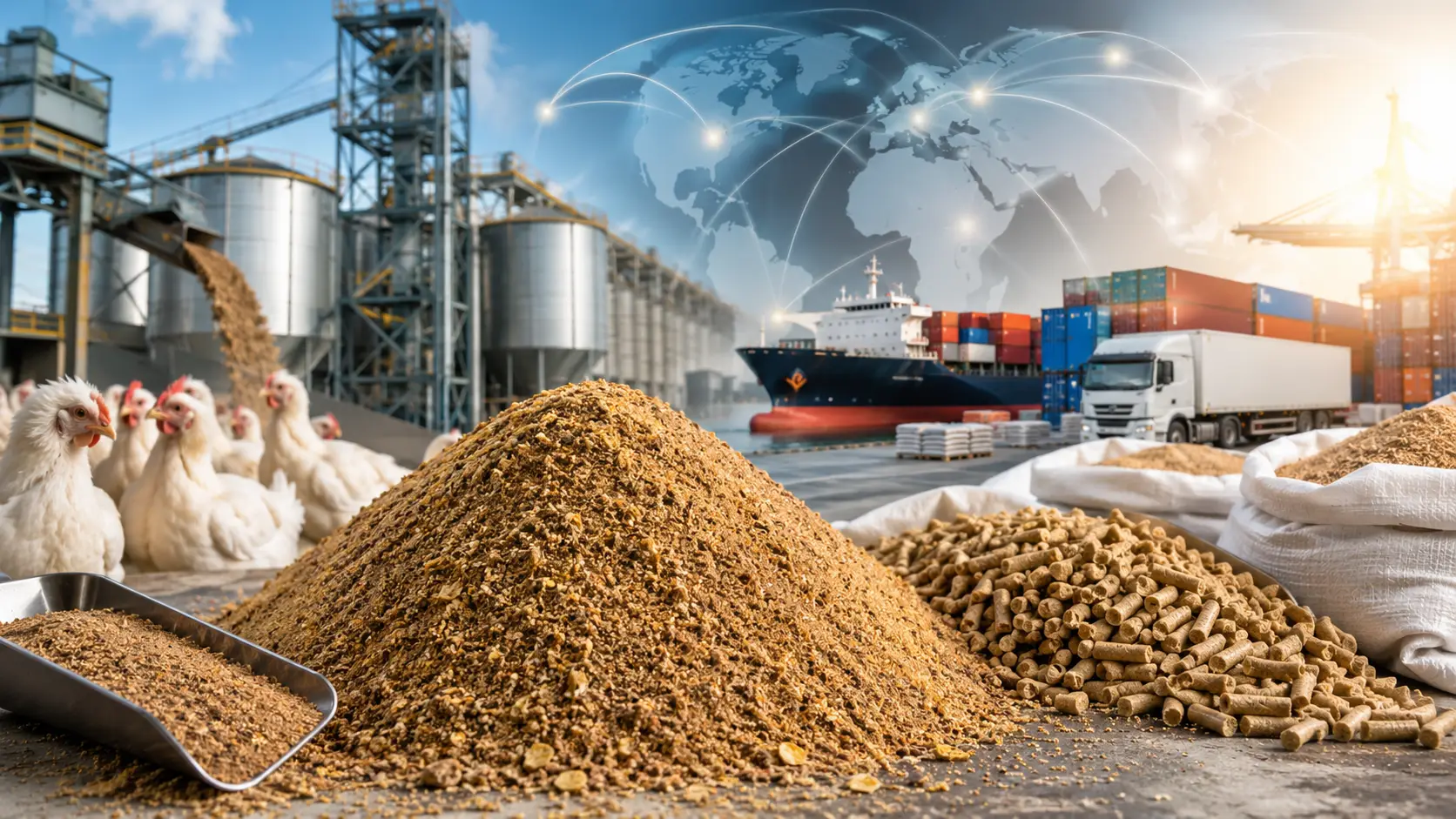
The poultry meal supply chain involves processors, renderers, traders, distributors, logistics providers, and feed manufacturers. Maintaining quality standards throughout the chain is essential for commercial consistency.
Key Factors Procurement Teams Evaluate
Buyers frequently assess protein content, moisture specifications, microbiological standards, product origin, and processing consistency before entering purchasing agreements.
According to guidance from rendering and feed industry organizations, quality assurance systems play an important role in maintaining ingredient performance and safety standards.
Supply chain visibility has also become increasingly important for international procurement departments seeking reliable sourcing partners.
Large buyers often compare supplier capabilities, shipping reliability, inventory stability, and documentation support before making long-term purchasing decisions.
Buyer Intent and Purchasing Evaluation Factors
Buyer intent for poultry meal typically originates from organizations requiring protein ingredients for manufacturing operations. Industrial users seek supply reliability and predictable product performance.
Procurement Objectives Across Industries
Typical buyers include animal feed manufacturers, aquaculture feed producers, pet food companies, agricultural ingredient distributors, and livestock nutrition businesses.
Procurement teams commonly evaluate technical specifications, pricing structures, packaging options, delivery capabilities, and supplier responsiveness.
According to procurement practices reported across agricultural commodity sectors, supplier comparison helps reduce sourcing risk and improve operational continuity.
Product pages within B2B marketplaces support purchasing decisions by centralizing technical information, sourcing availability, documentation, and inquiry processes into one location.
Future Market Opportunities and Conclusion
The poultry meal market continues to evolve as feed manufacturers seek efficient nutritional ingredients that support growing livestock and protein production requirements.
Long-Term Supply Opportunities
Sustainability initiatives and circular economy models increasingly recognize rendering processes as methods for converting processing by-products into usable industrial materials.
According to industry perspectives from agricultural and feed organizations, improved supply chain efficiency and nutritional optimization may continue supporting demand growth.
Manufacturers and distributors capable of maintaining quality consistency and transparent sourcing practices may gain competitive advantages within global markets.
For procurement teams, understanding supply structures, quality standards, and market trends can improve sourcing decisions and strengthen long-term purchasing strategies.
Sources
https://www.fao.org
https://www.aafco.org
https://www.nationalrenderers.org
Leave a Comment