Introduction
The Asian oleochemicals landscape is poised for a transformative phase as we approach the first quarter of 2026. At the heart of this evolution is Palmitic Acid, a saturated fatty acid derived primarily from palm oil, which serves as a critical building block for a vast array of industrial and consumer products. The market dynamics for this essential compound are being reshaped by robust demand from downstream sectors, technological advancements in processing, and a complex interplay of sustainability mandates and economic growth across the continent.
This article provides a comprehensive analysis of the projected trends for the Palmitic Acid market in Asia for Q1 2026. We will delve beyond surface-level forecasts to examine the intricate supply chains, regional consumption patterns, and the pivotal role of integrated palm derivatives portfolios offered by key industry players. Understanding these trends is crucial for stakeholders across the chemical, manufacturing, and FMCG sectors to navigate the opportunities and challenges that lie ahead in this dynamic market.
Key Drivers of Palmitic Acid Demand in Asia
The sustained demand for Palmitic Acid in Asia is underpinned by several powerful, interconnected drivers. Foremost is the relentless growth of the personal care and cosmetics industry, particularly in China, India, Japan, and South Korea. Palmitic Acid is a fundamental ingredient in the production of soaps, creams, lotions, and emulsifiers, where it acts as a surfactant and cleansing agent. The rising middle-class population with increased disposable income is fueling a premiumization trend in beauty and personal care, directly translating to higher consumption of quality oleochemical feedstocks.
Concurrently, the food processing and additive sector remains a stalwart consumer. As a texturizer, stabilizer, and release agent, Palmitic Acid is integral in the manufacturing of margarine, shortening, chocolate, and various baked goods. Asia's rapidly evolving food culture, urbanization, and the expansion of packaged food markets are ensuring steady demand. Furthermore, the industrial sector's shift towards bio-based and renewable raw materials is amplifying the need for oleochemicals like palmitic acid as alternatives to petroleum-derived substances in lubricants, plastics, and coatings, aligning with both economic and environmental objectives.
Spotlight on Premium Palm Derivatives and Oleochemicals
Within the broader market, the value lies not just in raw Palmitic Acid but in a sophisticated portfolio of refined palm derivatives. Leading suppliers, such as those accessible through platforms like chemtradeasia.com, chemtradeasia.in, and chemtradeasia.co.id, offer a spectrum of high-purity products tailored to specific industrial needs. These include distilled, single, and double pressed grades of Palmitic Acid, each with defined iodine value, titre, and acid value specifications to meet stringent application requirements in pharmaceuticals or high-end cosmetics.
The applications of these premium derivatives are vast. In the surfactant industry, Palmitic Acid is saponified to produce sodium palmitate, a key component of bar soaps and detergents, prized for its excellent lathering and cleaning properties. In plastics and polymer production, it acts as an internal lubricant and release agent, improving processing efficiency and product finish. Another critical derivative is its use in synthesizing metallic stearates (like zinc and calcium palmitate), which are indispensable as acid scavengers and stabilizers in PVC production. This versatility underscores why a reliable supply chain for specific-grade oleochemicals is a strategic asset for manufacturers.
Procurement strategies are increasingly focused on consistency and technical support. Platforms facilitating the chemical trade in Asia are emphasizing not just the transaction but also providing critical data on product specifications, handling, and regional compliance, making them indispensable hubs for sourcing these essential palm derivatives. This shift towards value-added services alongside product supply is a defining trend for 2026.
Regional Market Analysis: Hotspots and Growth Engines
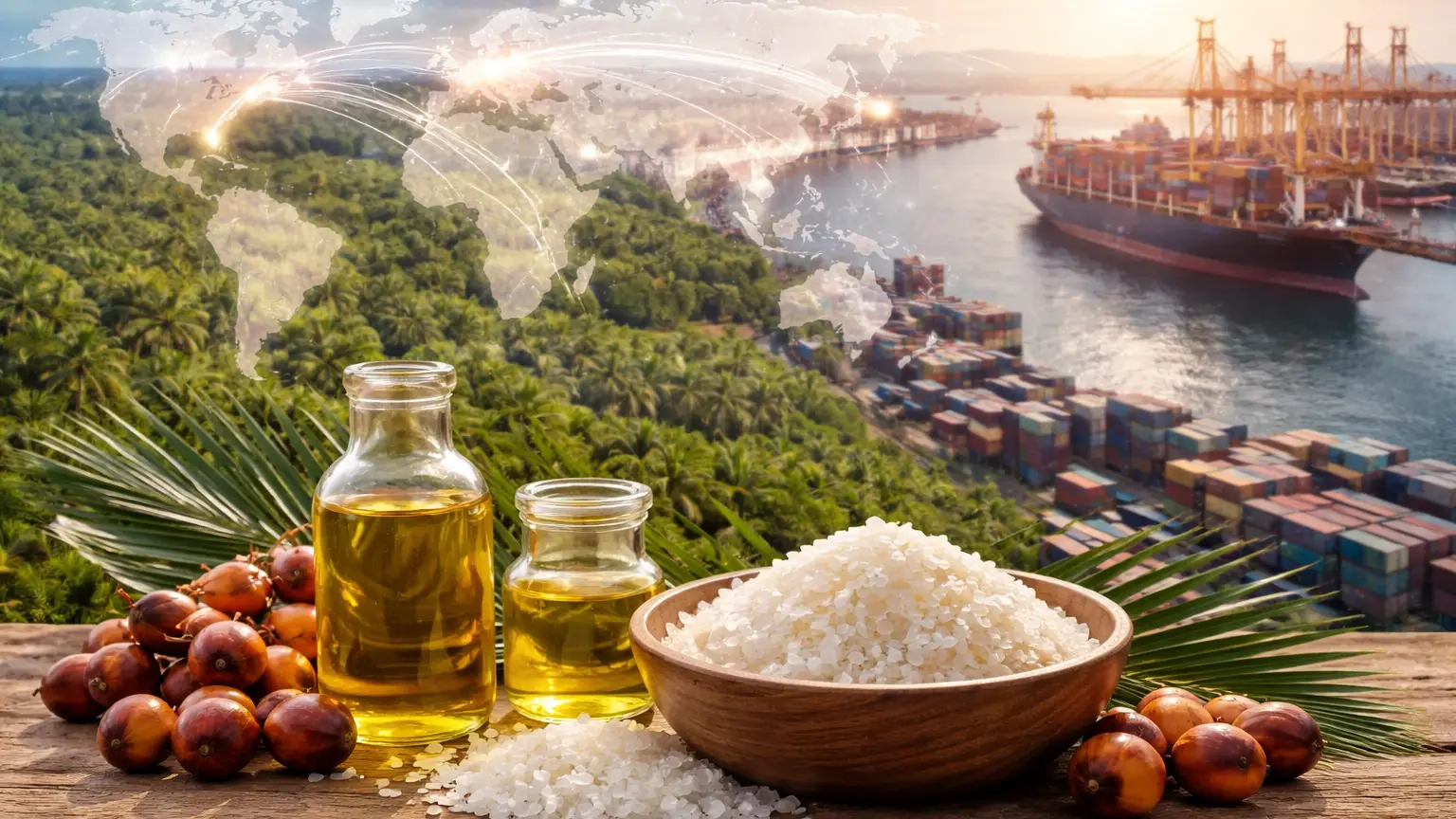
The Asian market is not monolithic, with distinct regional hotspots driving growth. Southeast Asia, particularly Indonesia and Malaysia, dominates as the production epicenter due to their vast palm oil plantations and integrated refining complexes. These countries are not only major exporters of crude Palmitic Acid but are also rapidly moving up the value chain, investing in downstream facilities to produce refined derivatives for export and domestic consumption, a trend strongly supported by national industrial policies.
On the consumption front, East Asia presents the most significant demand cluster. China's massive manufacturing base for cosmetics, food, and industrial goods continues to be the largest importer and consumer of oleochemicals in the region. Meanwhile, India's market is experiencing explosive growth, driven by its domestic FMCG and pharmaceutical sectors. South Korea and Japan, though mature markets, maintain high demand for ultra-pure grades used in advanced electronics and high-quality personal care products. This geographical dispersion of supply and demand creates a vibrant intra-Asian trade network for palm derivatives.
Sustainability and Regulatory Landscape
No discussion of the palm oil derivatives market is complete without addressing the paramount issue of sustainability. As Q1 2026 approaches, pressure from global brands, consumers, and financiers for certified sustainable palm oil (CSPO) and its derivatives is at an all-time high. This is fundamentally reshaping procurement policies. Buyers are increasingly mandating RSPO (Roundtable on Sustainable Palm Oil) or similar certifications for their Palmitic Acid supply to mitigate deforestation risks and ensure traceability.
The regulatory landscape is also tightening across major Asian economies. Countries are implementing stricter standards on product quality, safety data sheets (SDS), and environmental footprints. For instance, regulations concerning food-grade additives in China (GB standards) and India (FSSAI) are becoming more rigorous. Similarly, chemical management laws like Korea's K-REACH necessitate greater transparency in the supply chain. Compliance with these evolving standards is becoming a key competitive differentiator and a prerequisite for market access in 2026.
Challenges and Strategic Opportunities
The path forward is lined with both challenges and significant opportunities. Volatility in crude palm oil (CPO) prices remains a primary challenge, directly impacting the cost structure of Palmitic Acid. Geopolitical tensions and trade policy shifts can disrupt established supply routes. Furthermore, the industry must continuously innovate to improve the environmental profile of production processes to meet net-zero commitments and circular economy principles.
However, these challenges breed strategic opportunities. There is a growing window for investment in advanced biorefineries that can produce a wider array of high-margin, specialized oleochemicals from the same feedstock. The push for sustainability opens doors for suppliers with robust certification and traceability systems. Additionally, the digitalization of chemical trading through B2B platforms enhances market efficiency, price discovery, and supply chain resilience, allowing buyers to seamlessly connect with verified suppliers of specific palm derivatives across Asia.
Conclusion
The Palmitic Acid market in Asia for Q1 2026 is characterized by robust, demand-driven growth intertwined with a critical transition towards sustainability and value-added products. The expansion of end-use industries like premium personal care, processed food, and bio-based materials will continue to propel consumption. Success in this market will depend on a deep understanding of regional dynamics, a commitment to sustainable and certified supply chains, and the ability to leverage a diversified portfolio of high-purity palm derivatives.
For businesses looking to secure a competitive edge, partnering with reliable suppliers and utilizing integrated trading platforms that offer transparency, quality assurance, and market intelligence will be indispensable. As Asia consolidates its position as the global powerhouse for oleochemicals, the Palmitic Acid segment stands out as a key indicator of the region's industrial health and its pivotal role in the global shift towards renewable chemical feedstocks.
Leave a Comment