Meat and Bone Meal Applications and Industrial Buyers in Feed Markets
Introduction to Meat and Bone Meal
Industrial Importance of Meat and Bone Meal
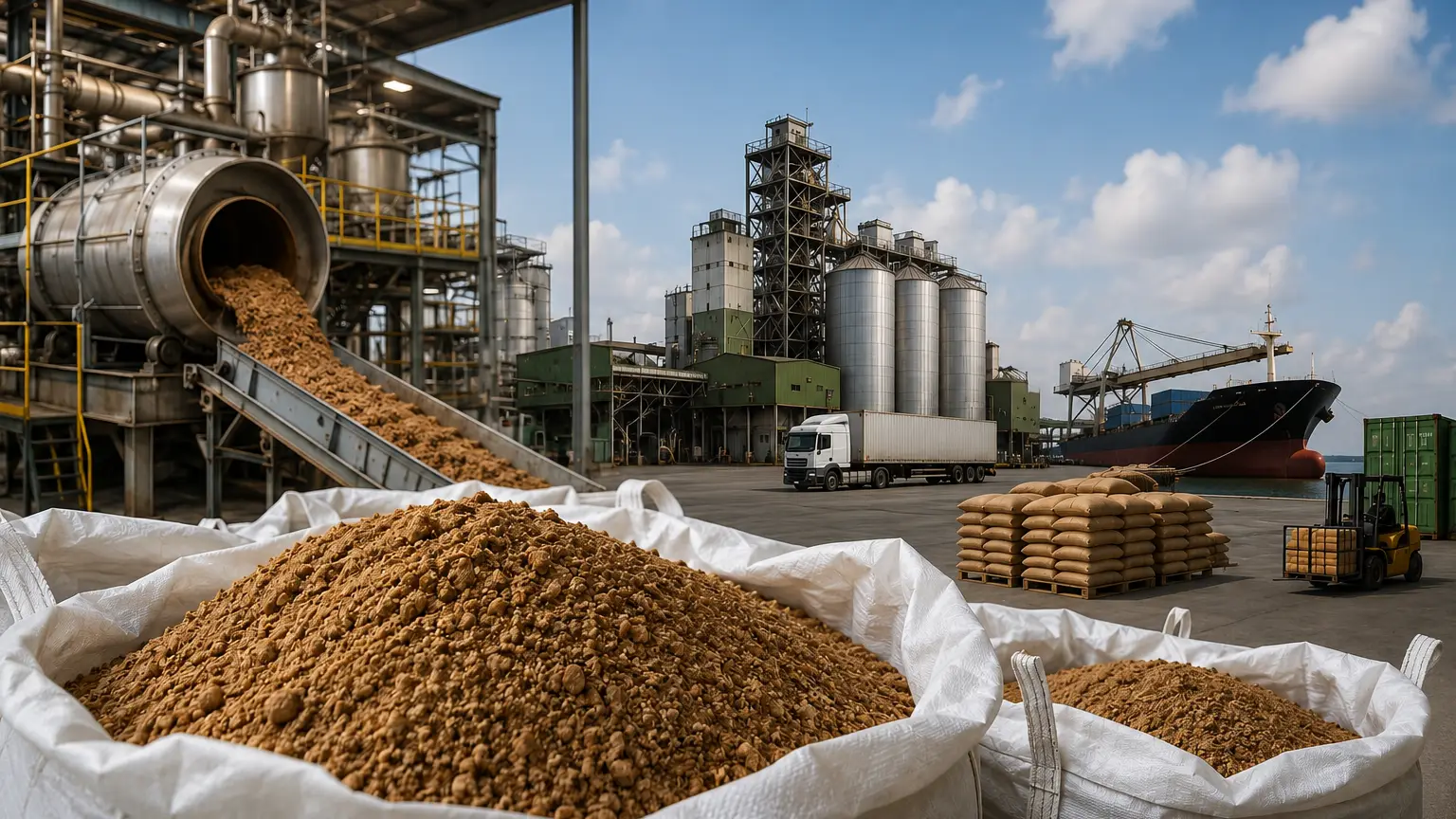
Meat and bone meal is a rendered animal by-product widely used as a high-protein and mineral-rich ingredient in commercial feed manufacturing. It contains valuable levels of protein, calcium, and phosphorus, making it suitable for multiple livestock and aquaculture applications.
The ingredient is commonly utilized by feed producers seeking cost-effective nutritional solutions that support animal growth and feed efficiency. Its balanced nutrient profile allows manufacturers to formulate diets that meet both performance and economic targets.
In global commodity markets, meat and bone meal continues to attract attention from buyers looking for alternative protein sources. Demand is influenced by livestock production trends, feed cost management, and regional regulations governing animal by-products.
For B2B buyers, understanding the application scope and procurement landscape is essential when evaluating meat and bone meal as a strategic feed ingredient.
Why Meat and Bone Meal Is Widely Used in Feed Formulation
One of the primary reasons for the widespread use of meat and bone meal is its combination of protein and essential minerals in a single ingredient. This allows feed formulators to optimize nutrient density while controlling raw material costs.
The ingredient supports balanced feed formulations for poultry, swine, cattle, and aquaculture species. Its nutritional contribution helps manufacturers reduce dependence on more expensive protein inputs in certain feed programs.
Commercial feed producers also value meat and bone meal for its functional role in improving overall feed formulation flexibility. Depending on regional regulations and quality specifications, it can be incorporated into various compound feed products.
As feed markets become increasingly competitive, ingredients that provide both nutritional value and economic efficiency remain attractive to industrial buyers and procurement teams.
Applications in Livestock Feed Production
Poultry feed manufacturers often use meat and bone meal to enhance protein and mineral content in broiler and layer diets. The ingredient can contribute to skeletal development and overall growth performance when included according to nutritional guidelines.
In swine nutrition, meat and bone meal is utilized in selected formulations to provide digestible protein and phosphorus. Feed producers evaluate inclusion rates based on growth stage, feed objectives, and regulatory requirements.
Cattle feed applications may include supplemental formulations where additional protein and minerals are required. Industrial buyers typically assess consistency, nutrient specifications, and supply reliability before procurement.
The versatility of meat and bone meal across multiple livestock sectors makes it a valuable commodity for large-scale feed manufacturing operations.
Applications in Aquaculture Feed Manufacturing
Aquaculture feed producers increasingly seek alternative protein sources that support efficient fish and shrimp production. Meat and bone meal can serve as a supplementary protein ingredient in certain aquaculture formulations.
The ingredient is evaluated based on protein quality, digestibility, and mineral contribution. Manufacturers aim to balance nutritional performance with raw material cost management in commercial aquafeed production.
For species requiring higher dietary protein levels, meat and bone meal may be combined with other protein ingredients to achieve targeted feed specifications. Quality assurance and traceability are particularly important in export-oriented aquaculture markets.
As global seafood demand grows, feed manufacturers continue to explore diversified ingredient sourcing strategies that include rendered protein products such as meat and bone meal.
Role in Pet Food Production
The pet food industry represents another important market for meat and bone meal, particularly in dry pet food manufacturing. Its protein and mineral content contributes to nutritionally balanced formulations designed for dogs and other companion animals while supporting cost-effective production.
Manufacturers carefully select meat and bone meal based on nutritional composition, digestibility, microbiological safety, and processing consistency. High-quality raw materials help maintain product quality and ensure compliance with industry regulations and customer expectations.
Pet food producers increasingly work with qualified suppliers that can provide documented quality assurance, traceability, and consistent specifications across shipments. These factors are especially important for companies serving international retail and private-label markets.
As global pet ownership continues to expand, demand for dependable feed ingredients is expected to remain strong, creating opportunities for suppliers capable of meeting stringent quality and sourcing standards.
Key Industrial Buyers and Procurement Trends
The primary industrial buyers of meat and bone meal include commercial feed mills, integrated poultry companies, livestock producers, aquaculture feed manufacturers, pet food processors, agricultural cooperatives, and international commodity trading companies. Each buyer segment evaluates suppliers based on quality, consistency, pricing, and supply reliability.
Large-scale feed manufacturers often establish long-term procurement agreements to secure stable supplies throughout the year. Reliable sourcing reduces production disruptions and enables companies to manage raw material costs more effectively in competitive markets.
Procurement teams increasingly prioritize suppliers that maintain internationally recognized quality management systems, transparent documentation, and compliance with import regulations. Product traceability and technical support have become valuable differentiators in global B2B trade.
As international demand for animal protein continues to grow, buyers are placing greater emphasis on diversified sourcing strategies that improve supply chain resilience while maintaining consistent product performance.
Global Sourcing Considerations for B2B Buyers
Selecting the right meat and bone meal supplier involves more than comparing prices. Procurement professionals assess production capacity, export experience, product specifications, packaging options, logistics capabilities, and documentation to ensure uninterrupted supply.
Quality assurance remains a critical purchasing factor. Buyers typically review protein content, moisture levels, mineral composition, microbiological standards, and manufacturing processes before approving suppliers for long-term business relationships.
International sourcing also requires attention to shipping schedules, export documentation, import regulations, and regional compliance requirements. Experienced suppliers can simplify procurement by providing technical documentation and efficient logistics support throughout the purchasing process.
For companies seeking sustainable growth, establishing partnerships with reputable global suppliers contributes to greater operational efficiency, improved inventory planning, and consistent access to high-quality feed ingredients.
Conclusion
Meat and bone meal continues to play a significant role in the global feed industry by providing an economical source of protein, calcium, and phosphorus for livestock, aquaculture, and pet food applications. Its versatility allows manufacturers to develop nutritionally balanced feed formulations while optimizing production costs and maintaining product performance.
Growing demand for animal protein, commercial feed, and companion animal nutrition is encouraging industrial buyers to seek dependable suppliers capable of delivering consistent quality and regulatory compliance. Procurement decisions increasingly focus on product specifications, traceability, logistics efficiency, and long-term supply reliability.
For feed manufacturers, distributors, and agricultural businesses, selecting a trusted sourcing partner is essential to maintaining production continuity and market competitiveness. Reliable procurement strategies help organizations respond effectively to changing market conditions and evolving customer requirements.
As a global chemical and industrial raw material supplier, Tradeasia International, through Chemtradeasia and the Tradechem Marketplace, supports businesses by connecting buyers with dependable sources of meat and bone meal and other feed ingredients for international B2B trade.
Sources
https://www.fao.org
https://ifif.org
https://www.renderers.org

Leave a Comment