Meat and Bone Meal Market Growth and Global Feed Industry Demand
Global Market Overview of Meat and Bone Meal
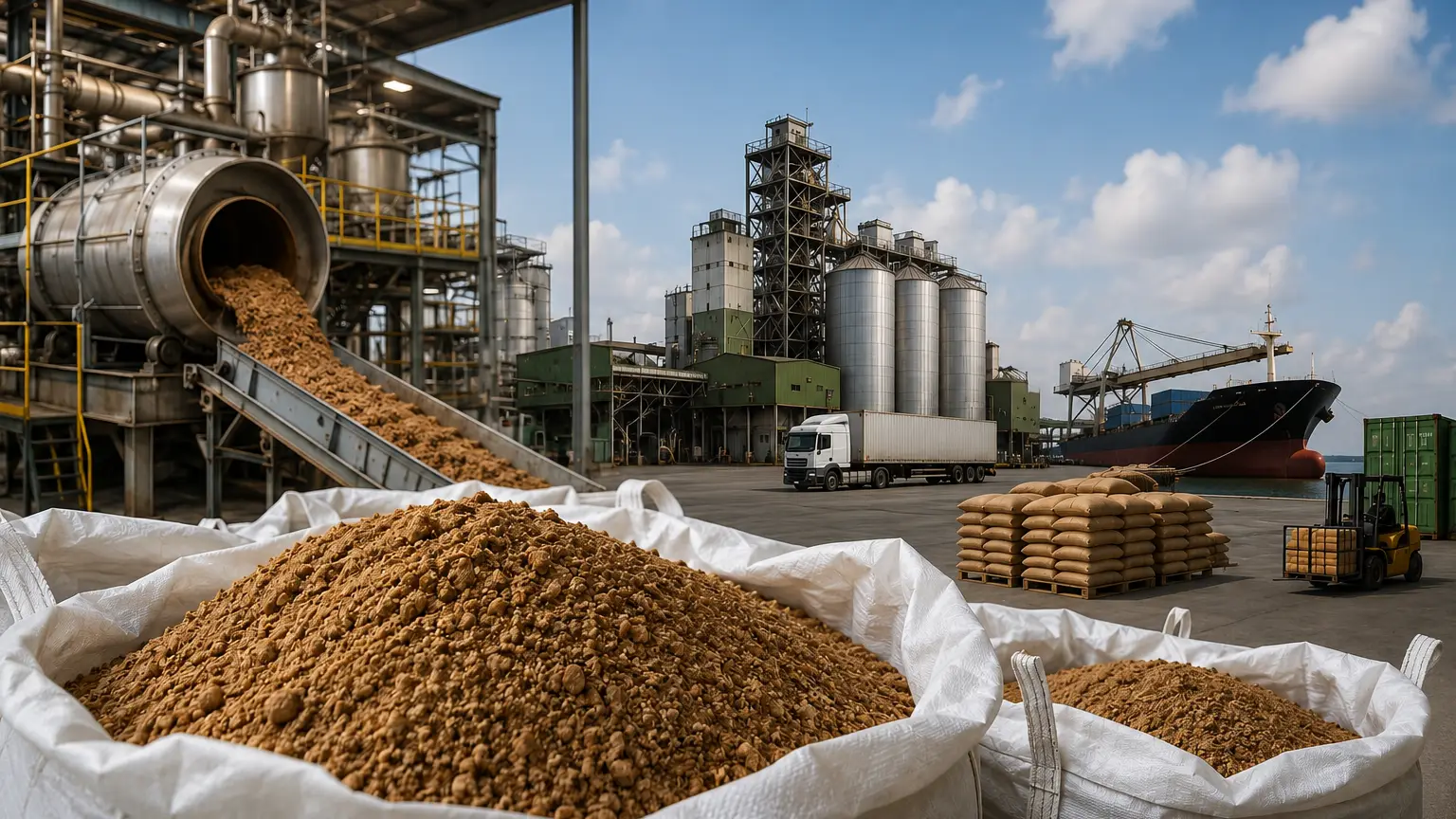
Meat and bone meal (MBM) is a rendered animal protein product widely used in the global animal feed industry as a high-protein and mineral-rich ingredient. It is produced through the processing of animal by-products, primarily from the rendering of meat trimmings and bones under controlled heat and pressure conditions.
Market Expansion and Protein Demand Shift
The global demand for alternative protein sources in animal nutrition has accelerated MBM usage in livestock feed formulations. According to the Food and Agriculture Organization (FAO), the increasing need for sustainable protein ingredients in feed production has strengthened the role of rendered meals in reducing reliance on traditional plant proteins.
The MBM market is closely linked to livestock production growth, especially in poultry, aquaculture, and pet food sectors where cost-efficient protein sources are essential. Industrial feed manufacturers are increasingly integrating MBM into balanced formulations.
As feed costs remain volatile, MBM continues to gain importance as a stable and energy-dense ingredient in global feed supply chains.
Feed Industry Applications and Nutritional Role
Meat and bone meal is primarily used as a protein and mineral supplement in compound feed production. Its balanced composition of protein, calcium, and phosphorus makes it suitable for multiple livestock categories.
Role in Animal Feed Formulation
Based on technical guidance from the United States Department of Agriculture (USDA), rendered animal proteins such as MBM contribute significantly to improving feed efficiency and supporting skeletal development in livestock.
MBM is widely incorporated into poultry feed, swine diets, and aquaculture feed formulations where nutrient density is critical. It is also used in pet food manufacturing for its digestibility and amino acid profile.
The feed industry values MBM as a functional ingredient that enhances both nutritional balance and cost efficiency in large-scale production systems.
Livestock Sector Demand Drivers
The demand for meat and bone meal is strongly influenced by global livestock population growth and increasing protein consumption. Expanding poultry and aquaculture industries are particularly key drivers.
Protein Efficiency and Cost Optimization
According to market analysis by the International Feed Industry Federation (IFIF), feed manufacturers are actively seeking cost-effective protein alternatives to stabilize production costs amid fluctuating soybean and fishmeal prices.
MBM offers a competitive advantage due to its high nutrient concentration and lower cost compared to conventional protein sources. This makes it an attractive option for large-scale commercial feed producers.
Additionally, the rising demand for sustainable feed ingredients has encouraged the use of animal by-product meals within regulated safety frameworks.
Regional Supply Chain and Trade Dynamics
The global MBM supply chain is structured around rendering facilities, livestock processing centers, and feed manufacturing hubs. Major production regions include North America, Europe, and parts of Asia-Pacific.
Global Trade Flow and Regulatory Influence
The World Organisation for Animal Health (WOAH) highlights that international trade of animal by-product meals is highly regulated due to biosecurity and safety standards.
Trade flows are influenced by regional livestock production cycles and regulatory frameworks governing feed-grade animal proteins. Exporters must comply with strict hygiene and traceability requirements.
As a result, MBM trade is concentrated among certified suppliers capable of meeting international feed safety standards.
Sourcing Considerations for B2B Buyers
For procurement teams, sourcing meat and bone meal requires careful evaluation of quality, compliance, and supplier reliability. Feed manufacturers prioritize consistency in protein content and safety assurance.
Supplier Evaluation and Quality Standards
According to FAO feed safety guidelines, buyers must assess rendering processes, microbial safety controls, and certification compliance before sourcing animal protein meals.
B2B buyers typically evaluate moisture content, ash levels, protein percentage, and traceability documentation. Supplier reliability and logistics capability also play a crucial role in long-term procurement decisions.
Digital B2B marketplaces like Tradeasia and Chemtradeasia provide structured sourcing channels that connect buyers with verified MBM suppliers globally.
Buyer Intent and Procurement Insights
Meat and bone meal is primarily purchased by feed mills, livestock integrators, pet food manufacturers, and agricultural distributors. These buyers focus on cost efficiency, nutritional consistency, and supply stability.
Procurement teams evaluate MBM suppliers based on quality certifications, delivery reliability, and compliance with regional feed regulations. They also compare pricing structures and long-term contract availability.
The product is often sourced in bulk quantities, making logistics efficiency and global trade access key decision factors. B2B platforms help streamline supplier comparison and reduce procurement risk.
Conclusion: Future Outlook for Meat and Bone Meal
The global meat and bone meal market is expected to maintain steady growth as the animal feed industry continues to expand and diversify protein sources. Its role in cost-efficient feed formulation remains highly relevant.
Sustainability trends and feed efficiency optimization are further strengthening its adoption across livestock sectors. However, regulatory compliance will continue to shape its international trade landscape.
Overall, MBM remains a strategic ingredient in global feed supply chains, offering both economic and nutritional value for industrial-scale animal production systems.
Sources
https://www.fao.org
https://www.woah.org

Leave a Comment