Introduction to Meat and Bone Meal Supply Chain
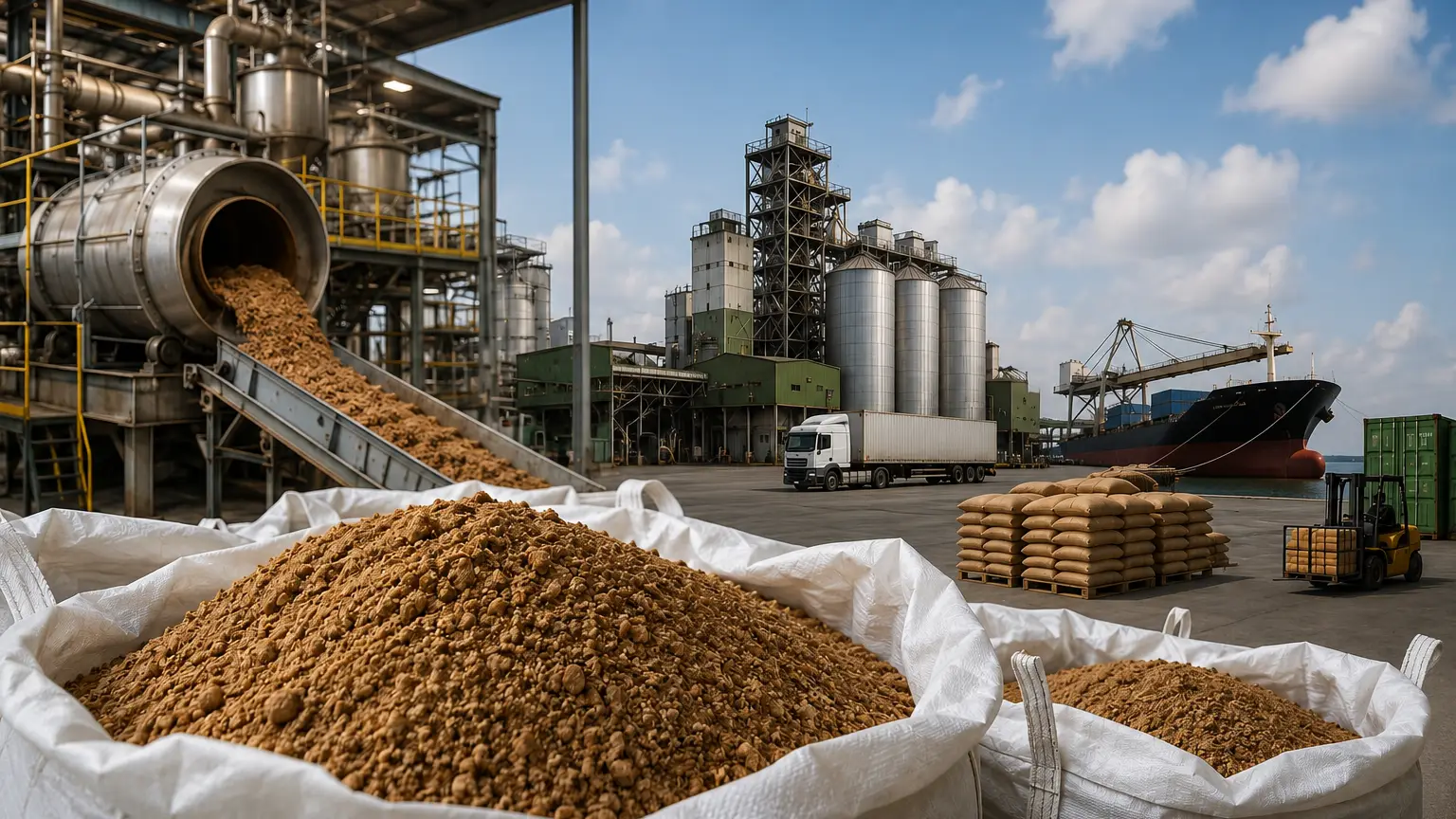
The global meat and bone meal (MBM) industry plays an essential role in transforming animal by-products into valuable protein-rich feed ingredients. Through efficient rendering processes, materials that would otherwise become waste are converted into products supporting livestock nutrition while improving resource utilization across the agricultural sector.
International demand for MBM continues to expand alongside growth in poultry, aquaculture, and livestock production. Commercial buyers increasingly seek suppliers capable of maintaining consistent quality, traceability, and regulatory compliance while ensuring dependable deliveries across international markets.
The Importance of an Efficient Supply Network
A well-managed supply chain begins with regulated collection of raw materials from slaughterhouses and meat processing facilities. Proper logistics and handling procedures preserve product quality while minimizing biological risks throughout production.
Global procurement teams also evaluate supplier capabilities beyond pricing. Manufacturing capacity, quality assurance systems, export documentation, and logistics infrastructure all influence purchasing decisions, making supply chain reliability a critical competitive advantage.
Global Production Landscape
Meat and bone meal production is concentrated in regions with highly developed meat processing industries. Countries across North America, South America, Europe, and Asia operate advanced rendering facilities capable of processing significant volumes while complying with increasingly stringent environmental regulations.
Growing protein demand has encouraged investments in rendering technologies that improve operational efficiency, reduce emissions, and increase product consistency. Modern facilities support continuous production while optimizing recovery of valuable nutrients from animal by-products.
Regional Manufacturing Capabilities
Large-scale producers benefit from integrated livestock industries that provide stable raw material availability throughout the year. Vertical integration also improves production planning and inventory management while reducing procurement uncertainty.
As international feed manufacturers diversify sourcing strategies, multiple production regions now contribute to a more resilient global supply network capable of responding to changing market conditions and seasonal demand fluctuations.
International Trade and Market Dynamics
International trade has become a defining feature of the meat and bone meal supply chain as feed manufacturers seek dependable sources of high-protein ingredients. Exporters and distributors support cross-border commerce by coordinating regulatory documentation, quality certifications, and shipping schedules that align with destination market requirements. As feed production expands across Asia, the Middle East, and parts of Africa, import demand continues to strengthen for reliable MBM suppliers.
Trade flows are influenced by livestock production volumes, rendering capacity, biosecurity policies, and transportation infrastructure. Buyers often monitor these variables to diversify sourcing portfolios and reduce exposure to regional supply disruptions. Long-term procurement agreements have become increasingly common as companies prioritize continuity over short-term price advantages.
Factors Influencing Global Supply
Raw material availability remains one of the primary drivers of global supply. Changes in meat processing activity, animal health regulations, and seasonal production cycles directly affect rendering output and export volumes. Efficient inventory planning enables suppliers to respond more effectively to fluctuating customer requirements.
Freight costs, currency exchange movements, and international trade policies also shape procurement decisions. Global logistics networks, including container availability and port efficiency, can significantly impact delivery lead times. As a result, experienced exporters with established shipping capabilities are often preferred by industrial buyers seeking stable supply relationships.
Procurement Challenges and Risk Management
Procurement teams face several challenges when sourcing meat and bone meal internationally. Ensuring product consistency, verifying supplier credentials, and complying with destination-country regulations require careful evaluation throughout the purchasing process. Quality assurance has become an essential component of supplier selection in competitive feed markets.
Supply chain disruptions caused by transportation delays, disease outbreaks, or changing trade regulations can affect procurement schedules. Businesses increasingly implement supplier diversification strategies to reduce dependency on a single production region while maintaining operational flexibility.
Building Resilient Procurement Strategies
Successful procurement begins with comprehensive supplier assessments covering production capacity, quality management systems, export experience, and documentation practices. Reliable manufacturers typically provide technical specifications, certificates of analysis, and traceability records that support regulatory compliance.
Risk management also includes maintaining appropriate inventory levels, forecasting seasonal demand, and establishing transparent communication with logistics partners. These practices improve planning accuracy while minimizing the impact of unexpected market volatility on feed manufacturing operations.
Sustainable Supply Chain Development
Sustainability has become an important priority across the global meat and bone meal industry. By converting animal by-products into valuable feed ingredients, the rendering sector contributes to circular economy principles while reducing waste generated by meat processing activities. This resource-efficient approach supports both environmental objectives and commercial value creation.
Many producers continue investing in energy-efficient processing technologies, emission reduction initiatives, and improved waste management systems. These developments strengthen environmental performance while meeting the growing expectations of international buyers and regulatory authorities.
Advancing Responsible Sourcing
Responsible sourcing extends beyond environmental performance to include product safety, ethical business practices, and transparent supply chain management. Feed manufacturers increasingly favor suppliers that demonstrate compliance with internationally recognized quality and food safety standards.
Digital traceability systems are also improving supply chain visibility by allowing buyers to monitor product origin, production history, and shipment status. Greater transparency strengthens trust between suppliers and procurement teams while supporting long-term commercial partnerships across global markets.Choosing a Reliable Meat and Bone Meal Supplier
Selecting the right meat and bone meal supplier is a strategic decision that directly affects feed quality, production efficiency, and long-term procurement stability. Beyond competitive pricing, buyers evaluate manufacturing expertise, regulatory compliance, and supply reliability to ensure uninterrupted operations. Suppliers capable of meeting international quality standards often become preferred partners for large-scale feed manufacturers and distributors.
Consistency remains one of the most important purchasing criteria. Reliable suppliers maintain standardized production processes, rigorous quality control, and stable inventories that help customers minimize production risks. Comprehensive export documentation and responsive customer support further strengthen confidence throughout the procurement process.
Evaluating Long-Term Supply Partners
Procurement professionals typically assess production capacity, technical specifications, packaging options, shipping capabilities, and quality certifications before entering long-term agreements. Suppliers with diversified logistics networks and established export experience are generally better equipped to manage changing market conditions and international shipping requirements.
Tradeasia International supports global procurement by connecting industrial buyers with dependable meat and bone meal suppliers through its international sourcing network. With experience in worldwide chemical and feed ingredient distribution, the company helps customers secure consistent product availability, transparent documentation, and efficient logistics tailored to commercial requirements.
Conclusion
The global meat and bone meal supply chain continues to evolve as livestock production, sustainability initiatives, and international trade create new opportunities for feed manufacturers and ingredient distributors. Efficient rendering operations, reliable logistics, and stringent quality management remain fundamental to maintaining a competitive and resilient supply network.
As procurement teams seek dependable sourcing partners, supplier credibility, regulatory compliance, and consistent product quality become increasingly important. Businesses that establish diversified sourcing strategies are better positioned to manage market fluctuations while ensuring uninterrupted production.
Growing investment in traceability, sustainable processing, and advanced logistics is expected to strengthen the industry's long-term outlook. These developments support greater transparency and operational efficiency while helping suppliers meet the evolving requirements of international feed markets.
For organizations seeking a trusted global sourcing partner, Tradeasia International provides access to an extensive network of qualified meat and bone meal manufacturers and exporters. Through professional procurement support, quality-focused sourcing, and international logistics expertise, Tradeasia helps businesses build reliable supply chains that support sustainable growth in the global feed industry.
Sources
https://www.fao.org
https://ifif.org
https://www.woah.org

Leave a Comment