Global Linseed Meal Market Growth and B2B Sourcing Opportunities
Introduction to the Global Linseed Meal Market
Understanding Linseed Meal as a Feed Ingredient
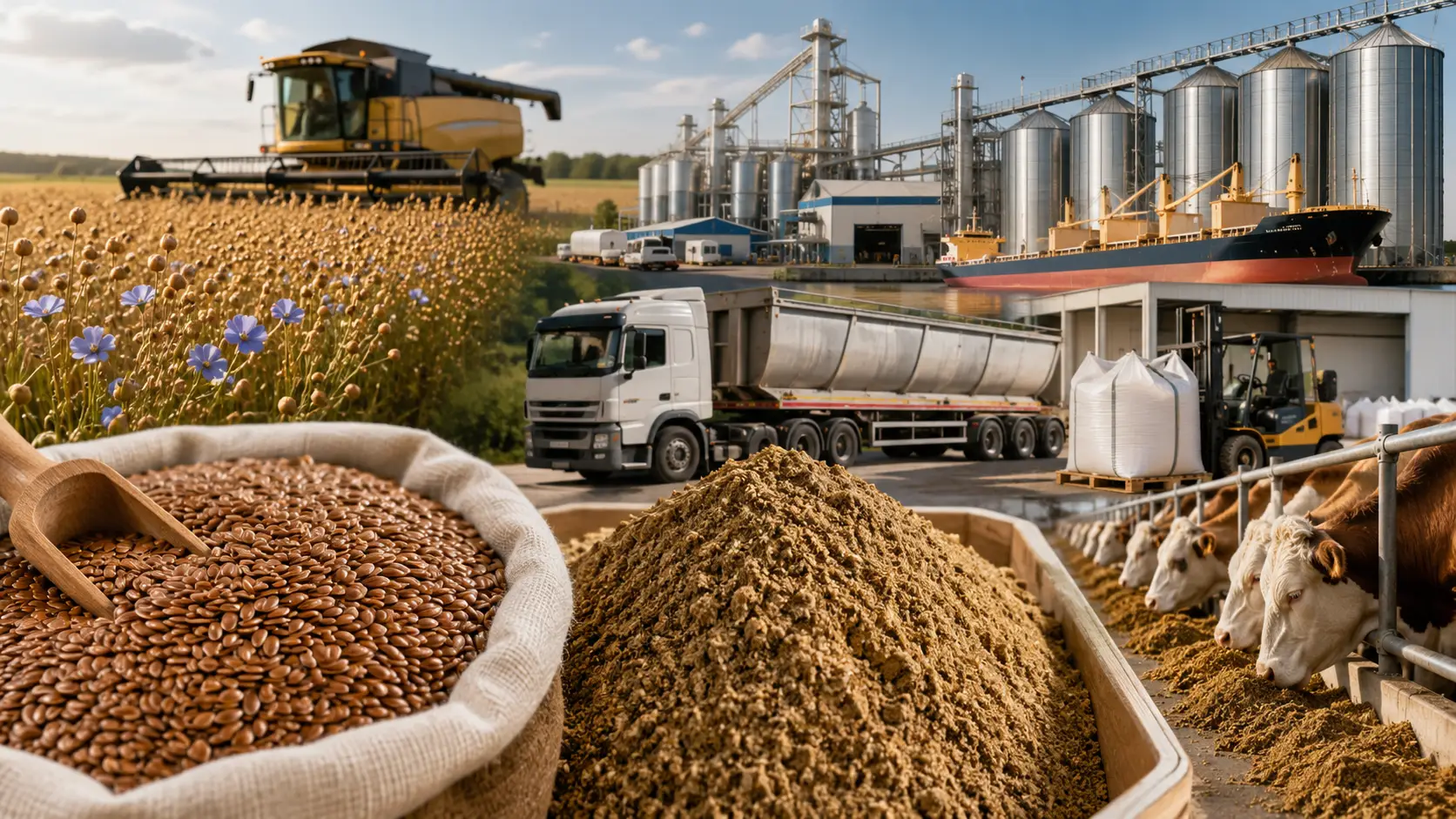
Linseed meal is a protein-rich by-product obtained after extracting oil from flaxseed, also known as linseed. The product contains valuable nutrients including plant-based protein, dietary fiber, minerals, and residual oil components, making it an important ingredient for livestock nutrition markets. According to information from the United States Department of Agriculture (USDA), oilseed processing industries generate significant volumes of protein-rich meals that support global animal feed supply chains.
The increasing focus on alternative protein sources for animal nutrition has strengthened demand for plant-based feed ingredients such as linseed meal. Feed manufacturers increasingly evaluate ingredients that provide nutritional benefits while supporting sustainable agricultural production systems. Linseed meal offers an opportunity for producers and traders to supply a functional feed material to international markets.
From a commercial perspective, linseed meal is traded as a bulk agricultural commodity supplied to feed mills, livestock producers, and agricultural distributors. Procurement teams typically evaluate protein content, moisture levels, processing methods, origin, and consistency of supply before establishing supplier relationships. Technical quality parameters influence both pricing and market acceptance.
According to industry research from the Food and Agriculture Organization (FAO), global demand for efficient livestock production systems continues to increase as animal protein consumption expands worldwide. This trend supports continued interest in reliable sources of feed ingredients, creating opportunities for linseed meal suppliers and international commodity traders.
Industrial Applications Driving Linseed Meal Demand
The primary application of linseed meal is within animal feed formulations, particularly for cattle, dairy animals, poultry, and other livestock. Its protein content supports animal growth and productivity, while its fiber characteristics make it suitable for ruminant feed applications. Feed manufacturers often blend linseed meal with other protein sources to achieve balanced nutritional profiles.
According to technical information published by the National Research Council (NRC), protein quality and nutrient composition are critical factors when formulating animal diets. Linseed meal can contribute essential nutrients required by livestock producers seeking diversified feed ingredient options.
The dairy and cattle feed sectors represent important demand areas because ruminant animals can effectively utilize fibrous plant-based ingredients. In these markets, buyers focus on consistent nutritional performance, availability, and compatibility with existing feed formulations.
Beyond traditional livestock applications, sustainable agriculture trends are encouraging feed producers to explore locally available oilseed meals. Market participants are increasingly interested in ingredients that support circular agricultural systems by utilizing by-products from oil extraction industries.
Growing Demand for Sustainable Feed Ingredients
Sustainability has become an important factor influencing purchasing decisions among feed manufacturers and agricultural companies. Linseed meal represents a valuable example of agricultural resource optimization because it converts a processing by-product into a commercially useful feed ingredient.
Market analysis from the FAO highlights the importance of improving resource efficiency throughout agricultural supply chains. The utilization of oilseed meals contributes to reducing waste while providing additional revenue opportunities for farmers, processors, and exporters.
Large-scale feed producers increasingly compare alternative protein ingredients based on environmental impact, availability, and cost competitiveness. Linseed meal can complement other feed materials such as soybean meal, sunflower meal, and canola meal depending on regional supply conditions.
For suppliers and distributors, positioning linseed meal as a sustainable feed ingredient can improve market visibility among buyers searching for responsible sourcing options. This creates opportunities in international agricultural trade channels.
Key Buyers and End-Use Industries for Linseed Meal
The largest buyer group for linseed meal consists of animal feed manufacturers producing commercial diets for livestock farms. These companies purchase bulk quantities and require stable supply agreements to maintain production efficiency.
Feed mills evaluate multiple supplier factors including product specifications, shipment reliability, documentation, and pricing competitiveness. According to the European Feed Manufacturers’ Federation (FEFAC), feed production requires consistent access to safe and traceable raw materials.
Livestock producers also influence demand because they seek feed ingredients that improve animal performance while controlling operational costs. Dairy farms, cattle operations, and poultry producers may use formulated feeds containing oilseed meals as part of balanced nutrition programs.
For B2B suppliers, understanding buyer requirements is essential. Companies entering international markets must provide clear product information, quality documentation, and reliable logistics support to compete effectively.
Agricultural Traders and Distribution Networks
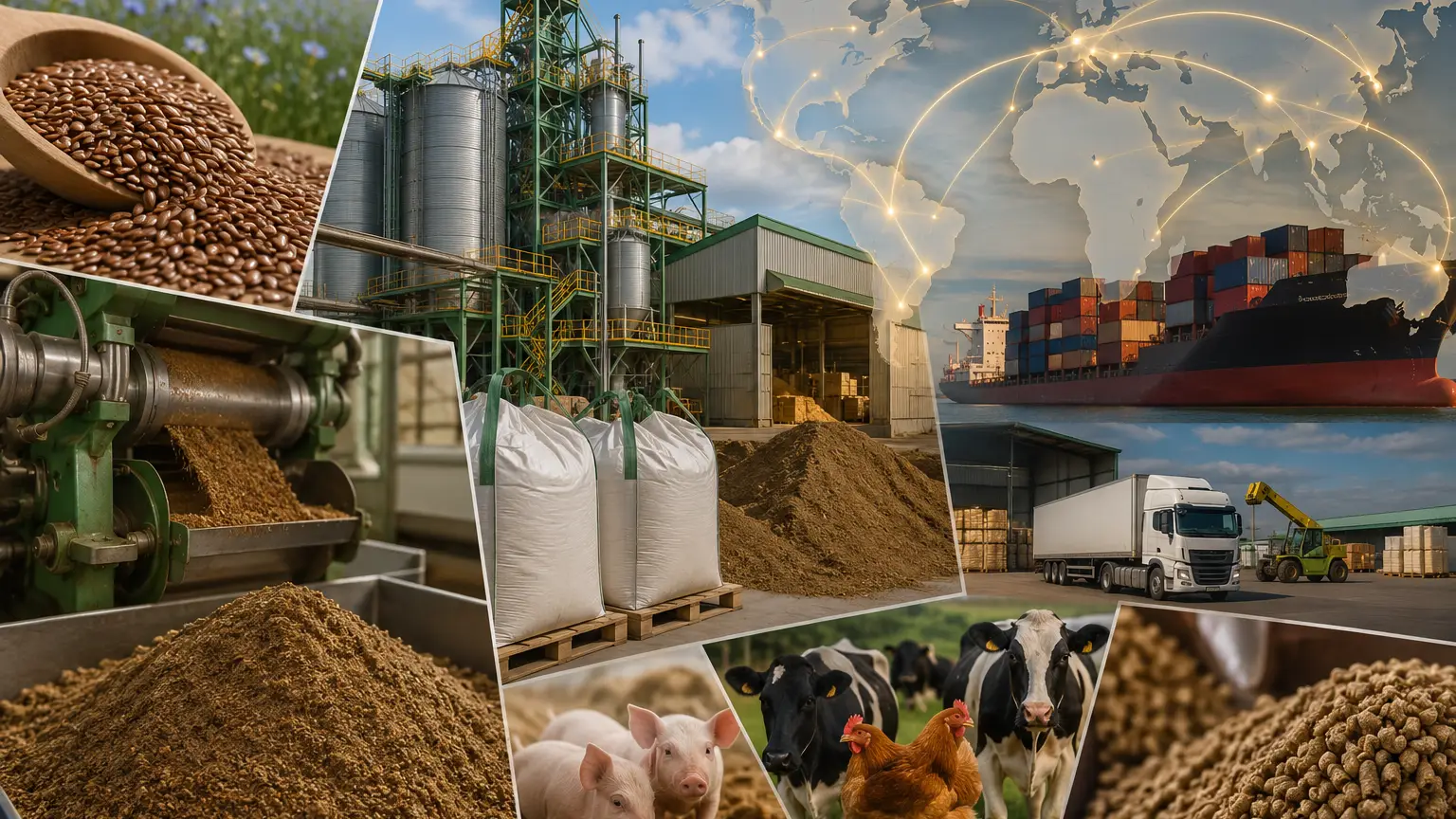
Agricultural commodity traders and distributors play a major role in connecting linseed meal producers with international buyers. These companies manage sourcing, transportation, storage, and regional market distribution.
According to global agricultural trade analyses from the International Trade Centre (ITC), efficient commodity supply chains depend on reliable trade networks and transparent commercial practices. This makes supplier credibility an important consideration for buyers.
Distributors typically compare suppliers based on production capacity, export experience, packaging options, and ability to support long-term contracts. Competitive suppliers must demonstrate consistency rather than focusing only on price.
Online B2B marketplaces provide additional opportunities by connecting manufacturers, traders, and procurement teams searching for specialized agricultural ingredients such as linseed meal.
Market Trends and Global Supply Chain Opportunities
The global livestock industry continues to increase demand for alternative protein ingredients due to expanding meat and dairy production. This creates opportunities for oilseed meal suppliers to participate in growing agricultural supply chains.
Industry reports from organizations such as FAO indicate that improving livestock productivity requires access to diverse and efficient feed resources. Linseed meal benefits from this trend because it provides nutritional value while originating from an established agricultural processing sector.
Market pricing for linseed meal depends on factors including flaxseed production volumes, oil extraction activity, transportation costs, and regional feed demand. Bulk commodity buyers monitor these variables when planning procurement strategies.
Suppliers with strong sourcing networks can benefit by supporting buyers with dependable availability and competitive international trade solutions.
Regional Supply and Export Opportunities
Major agricultural regions involved in flaxseed cultivation and oilseed processing represent important supply opportunities for linseed meal exporters. International buyers increasingly seek suppliers capable of delivering consistent volumes across different markets.
Supply chain efficiency has become a key competitive factor because transportation costs and delivery reliability directly influence purchasing decisions. Exporters must manage documentation, quality standards, and logistics coordination.
According to International Trade Centre market intelligence resources, agricultural commodity competitiveness depends on both production capability and effective trade infrastructure.
For global buyers, selecting experienced suppliers reduces procurement risks and improves long-term feed manufacturing stability.
B2B Procurement Considerations for Linseed Meal Buyers
Buyers sourcing linseed meal typically evaluate specifications such as protein content, moisture percentage, fiber level, packaging requirements, and compliance documentation. These factors determine suitability for different feed applications.
Procurement teams compare suppliers because product consistency directly affects feed formulation performance. Reliable suppliers provide technical specifications, certificates, and transparent supply information.
According to feed safety guidelines published by international agricultural organizations, traceability and quality management are essential components of modern feed supply chains.
A professional sourcing platform helps buyers identify suppliers, compare capabilities, and establish commercial relationships with confidence.
Buyer Intent and Commercial Sourcing Needs
The main buyers of linseed meal include feed manufacturers, livestock nutrition companies, agricultural distributors, commodity traders, and industrial procurement teams. These organizations usually search for suppliers capable of providing bulk quantities and consistent quality.
Procurement decisions often consider product availability, origin, logistics options, pricing structures, and supplier reputation. Buyers frequently compare multiple sources because agricultural commodity markets can experience seasonal changes.
A dedicated product marketplace page supports sourcing decisions by presenting product specifications, supplier information, and commercial opportunities in one location.
For B2B buyers, access to verified supply channels can simplify purchasing processes and improve supply chain efficiency.
Future Outlook of Linseed Meal in Sustainable Feed Markets
The future outlook for linseed meal remains connected to global trends in sustainable agriculture, livestock production, and alternative feed ingredient development. As feed manufacturers diversify raw material sources, demand for oilseed meals is expected to remain significant.
Research from agricultural institutions continues to emphasize efficient utilization of plant-based resources. Linseed meal fits within this movement by transforming agricultural processing residues into valuable commercial products.
Emerging markets with growing livestock industries may create additional demand for imported feed ingredients. Suppliers that develop strong export capabilities can capture opportunities in these regions.
The combination of nutritional value, sustainability benefits, and industrial usability positions linseed meal as a relevant ingredient in future feed supply chains.
Conclusion: Building Reliable Linseed Meal Supply Partnerships
Linseed meal has become an important agricultural feed ingredient supporting global livestock nutrition markets. Its role as a protein-rich oilseed processing product creates opportunities for manufacturers, traders, and distributors seeking sustainable feed solutions.
Growing demand for efficient livestock production, diversified protein sources, and responsible agricultural practices continues to influence market opportunities. Buyers increasingly require suppliers that can provide consistent quality, reliable logistics, and transparent commercial support.
For companies seeking dependable access to linseed meal and other agricultural commodities, Tradeasia International provides a global marketplace platform connecting buyers with qualified supply partners. Through efficient sourcing networks and international trade expertise, businesses can explore new opportunities across global feed ingredient markets.
Sources
https://www.fao.org
https://www.usda.gov
https://www.intracen.org
Leave a Comment