Linseed Meal B2B Sourcing Guide: Supply Chains, Quality, and Procurement
What Is Linseed Meal and Why Does It Matter?
Linseed meal is a protein-rich co-product obtained after extracting oil from flaxseed (linseed). It is widely used in animal feed formulations due to its nutritional value, including protein, fiber, and residual oil content. In some agricultural markets, it is also used as an organic fertilizer component and soil amendment. According to the Food and Agriculture Organization (FAO), oilseed processing by-products such as linseed meal play an important role in global feed supply chains.
Nutritional Characteristics
Compared with many cereal-based feed ingredients, linseed meal offers higher protein content and valuable fiber fractions. These characteristics make it attractive for ruminant feed formulations, dairy cattle diets, and specialty livestock nutrition programs.
Procurement teams often evaluate nutritional consistency, moisture levels, and residual oil content when comparing suppliers. These specifications directly affect feed formulation performance and storage stability.
For international buyers, understanding the origin of the flaxseed, the extraction method, and the quality assurance practices used by processors is essential for reliable sourcing.
Global Supply Chain for Linseed Meal
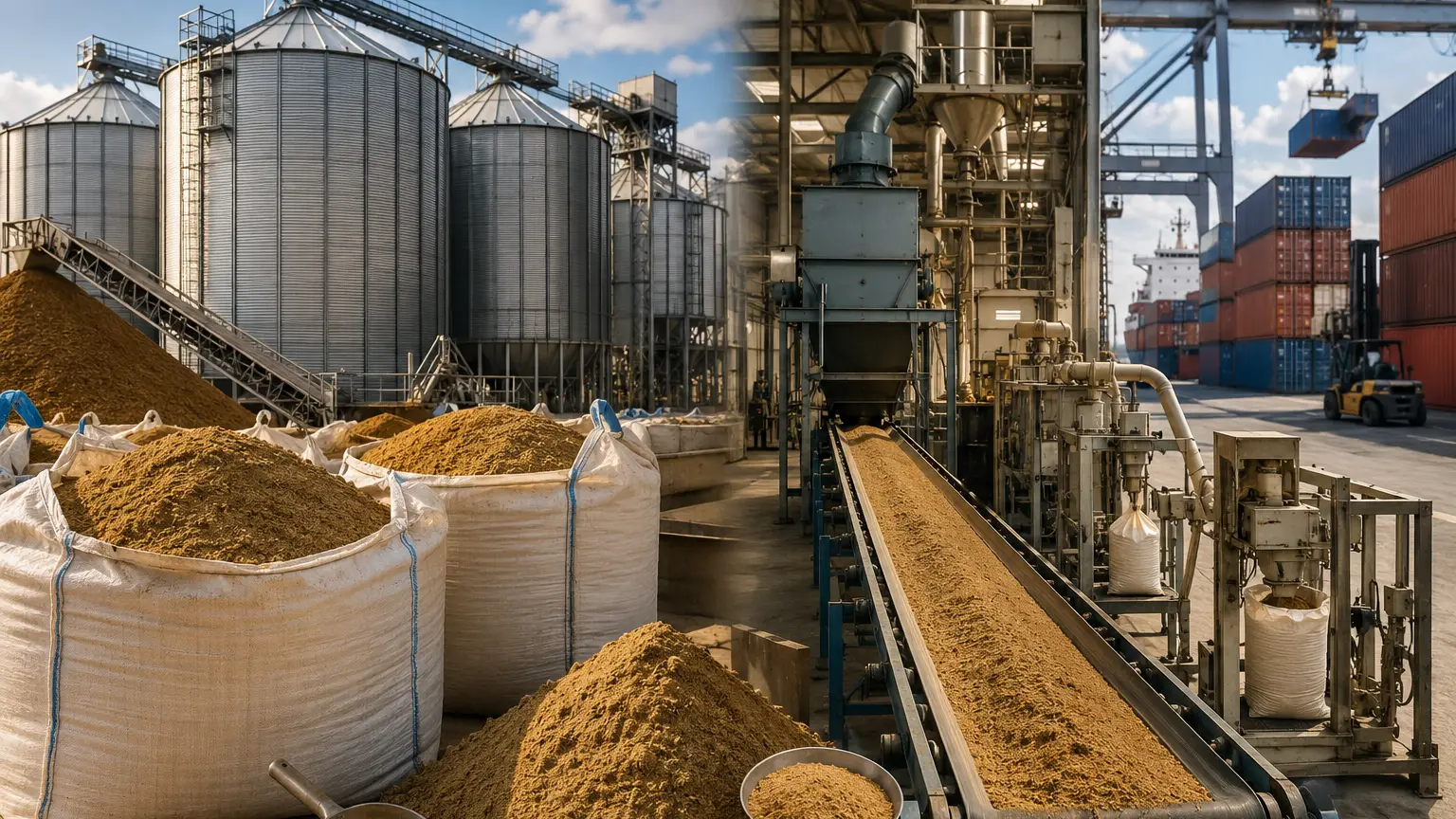
The linseed meal supply chain begins with flax cultivation, followed by seed collection, oil extraction, meal processing, packaging, and distribution. Major producing regions include parts of North America, Europe, Russia, Kazakhstan, and other flax-growing areas. The availability of raw flaxseed and crushing capacity strongly influences global supply conditions.
Trade and Logistics
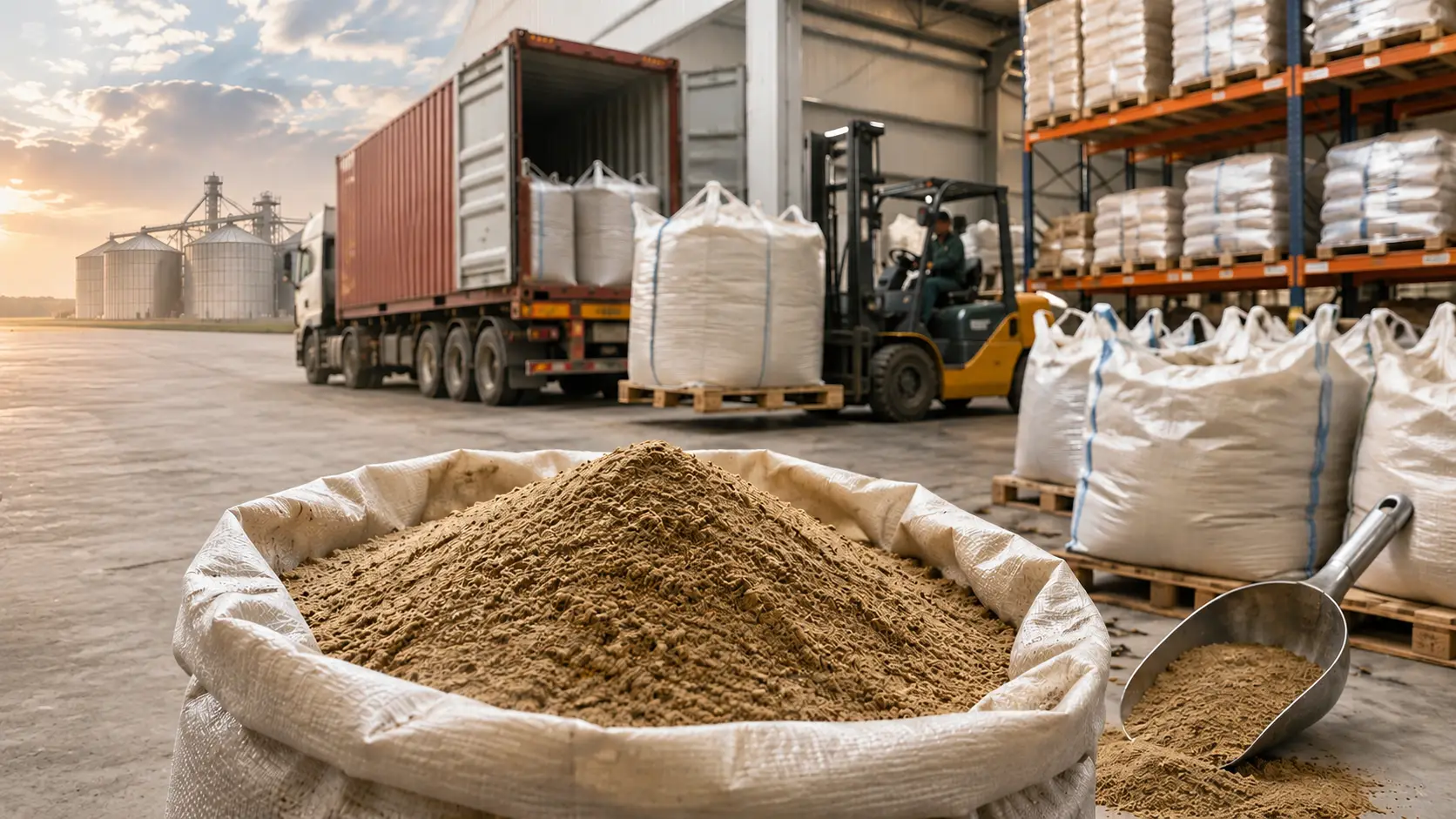
Linseed meal is typically traded in bulk or in bagged form depending on customer requirements. Feed manufacturers and distributors often source through commodity traders, processors, or specialized agricultural suppliers. Transportation costs can significantly affect landed pricing because the product is relatively bulky compared with its value density.
Supply reliability is influenced by harvest conditions, flaxseed yields, processing capacity utilization, and export logistics. Buyers that depend on steady feed ingredient supply often diversify sourcing across multiple origins to reduce risk.
According to trade data and agricultural market analyses published by organizations such as FAO and national agriculture agencies, oilseed meal markets can experience seasonal price movements linked to crop production cycles.
Key Industrial Applications
Animal feed is the dominant application for linseed meal. The product is commonly incorporated into feed formulations for dairy cattle, beef cattle, sheep, goats, and other livestock. Its nutritional profile supports protein supplementation and fiber intake.
Agriculture and Specialty Uses
In agricultural markets, linseed meal may be used as an organic soil amendment or blended into fertilizer products. The residual organic matter can contribute nutrients and improve soil characteristics in certain farming systems.
Some specialty feed manufacturers use linseed meal in formulations aimed at enhancing omega-3 fatty acid profiles in animal products, although formulation practices vary by market and regulatory framework.
Technical information from feed and agricultural research institutions indicates that the suitability of linseed meal depends on species-specific nutrition requirements and proper formulation practices.
Market Trends and Demand Drivers
Several factors are supporting demand for linseed meal. Rising global livestock production increases the need for protein-rich feed ingredients. In addition, growing interest in sustainable agriculture and by-product utilization encourages the use of oilseed meals in feed and soil applications.
Changing Feed Ingredient Preferences
Feed manufacturers are increasingly evaluating alternative protein sources to manage cost volatility and supply risk. Linseed meal can be part of a diversified ingredient strategy, especially in regions where flax processing is established.
Market analysis from agricultural research organizations and commodity observers suggests that oilseed meal demand is influenced by livestock expansion, feed pricing dynamics, and regional crop production trends.
Buyers should monitor both flaxseed market conditions and broader feed ingredient trends when planning procurement strategies.
Buyer Requirements and Procurement Considerations
Commercial buyers typically evaluate several factors before purchasing linseed meal. Product specifications are critical, including protein content, moisture level, fiber content, residual oil percentage, and physical appearance. Consistent quality helps reduce formulation adjustments and production disruptions.
Quality Assurance and Compliance
Procurement teams often request certificates of analysis, quality management documentation, and traceability information. For international trade, compliance with feed safety regulations, import requirements, and contaminant limits is essential.
Packaging options, minimum order quantities, delivery schedules, and storage recommendations are also important commercial considerations. Buyers may compare suppliers based on both technical specifications and logistics performance.
According to feed safety guidance from regulatory and industry organizations, maintaining proper moisture control and storage conditions is important to preserve product quality during transportation and warehousing.
Sourcing Strategies for B2B Buyers
Effective sourcing strategies combine supplier qualification, quality verification, and supply risk management. Buyers should assess the processor's production capacity, quality control systems, export experience, and ability to provide consistent documentation.
Building Resilient Supply Partnerships
Long-term agreements with reliable suppliers can improve price visibility and supply continuity. Many procurement teams also maintain secondary suppliers to reduce dependence on a single source.
For companies sourcing through a B2B marketplace, comparing multiple offers, reviewing specifications, and evaluating supplier responsiveness can improve purchasing outcomes. Digital procurement platforms also provide access to broader regional supply networks.
Market intelligence, seasonal crop forecasts, and logistics monitoring should be integrated into purchasing decisions to help manage cost and availability risks throughout the year.
Conclusion
Linseed meal is an important oilseed processing by-product with established demand in animal feed and agricultural markets. Its commercial value comes from its protein content, fiber profile, and role in diversified feed formulations.
For B2B buyers, successful procurement depends on understanding supply chain dynamics, evaluating product specifications, and selecting suppliers with strong quality and logistics capabilities.
As global livestock production and sustainable agriculture initiatives continue to evolve, linseed meal is likely to remain a relevant ingredient for feed manufacturers, distributors, and agricultural procurement teams.
Companies seeking reliable sourcing should combine technical evaluation with market intelligence and supplier diversification to support stable long-term supply.
Sources
https://www.feedipedia.org/node/735
https://www.fao.org/4/y5019e/y5019e07.ht
https://www.sciencedirect.com/topics/agricultural-and-biological-sciences/linseed-meal
Leave a Comment