Global L-Lysine HCl Supply Chain Trends Driving Feed Industry Growth
Introduction to L-Lysine HCl as a Strategic Feed Ingredient
Role of L-Lysine HCl in Modern Animal Nutrition
L-Lysine HCl is one of the most commercially important essential amino acids used in global animal nutrition. Produced through microbial fermentation processes, this feed-grade ingredient supports balanced protein formulation by providing lysine, an amino acid commonly limited in cereal-based animal diets. Its consistent demand is closely connected with the expansion of poultry, swine, and aquaculture production worldwide.
The increasing focus on feed efficiency and cost optimization has strengthened the importance of L-Lysine HCl in industrial feed manufacturing. By improving amino acid balance, producers can reduce unnecessary protein usage while maintaining animal growth performance. This creates continuous procurement demand from feed mills and livestock nutrition companies.
Supply Chain Importance for Global Buyers
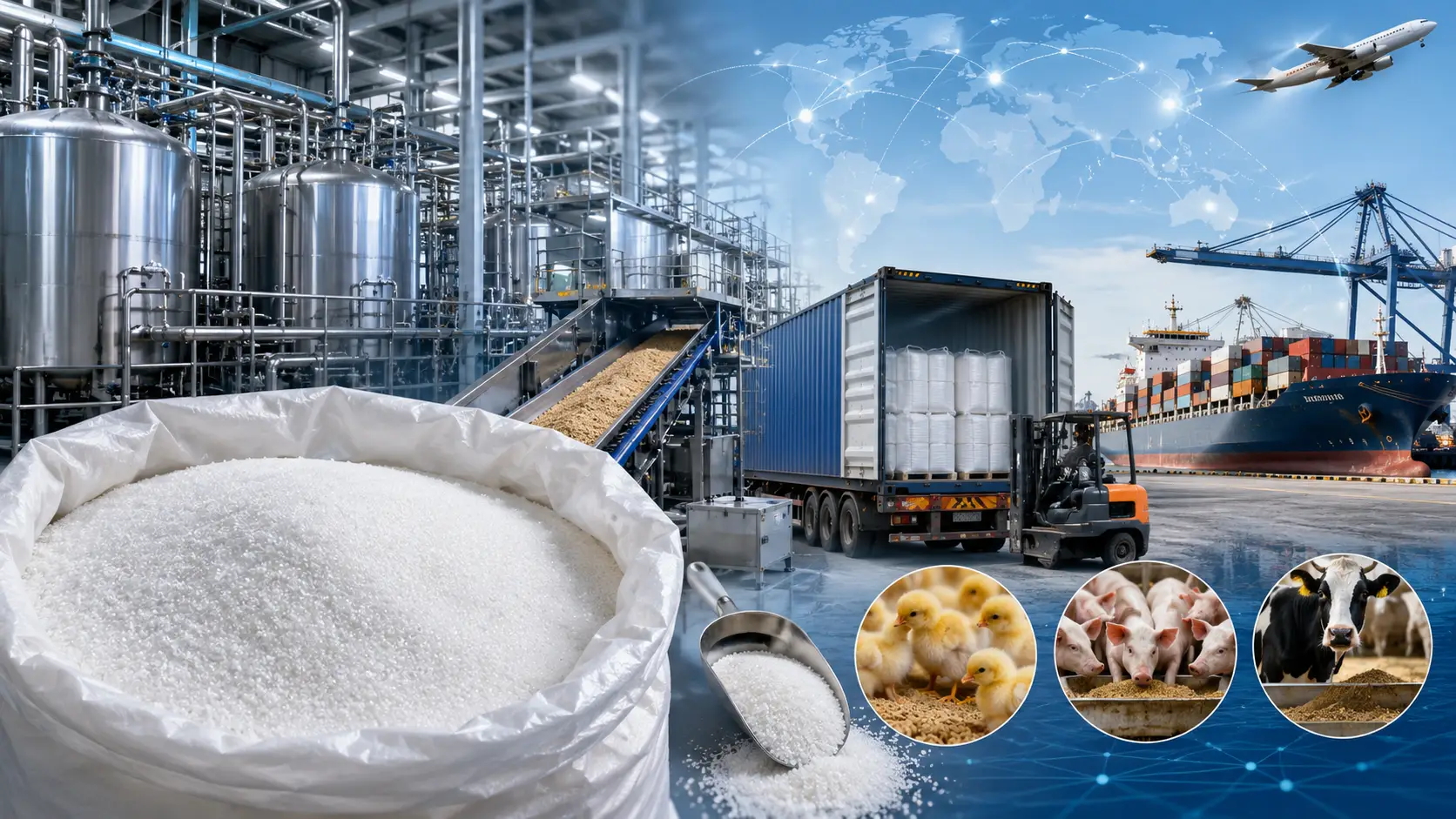
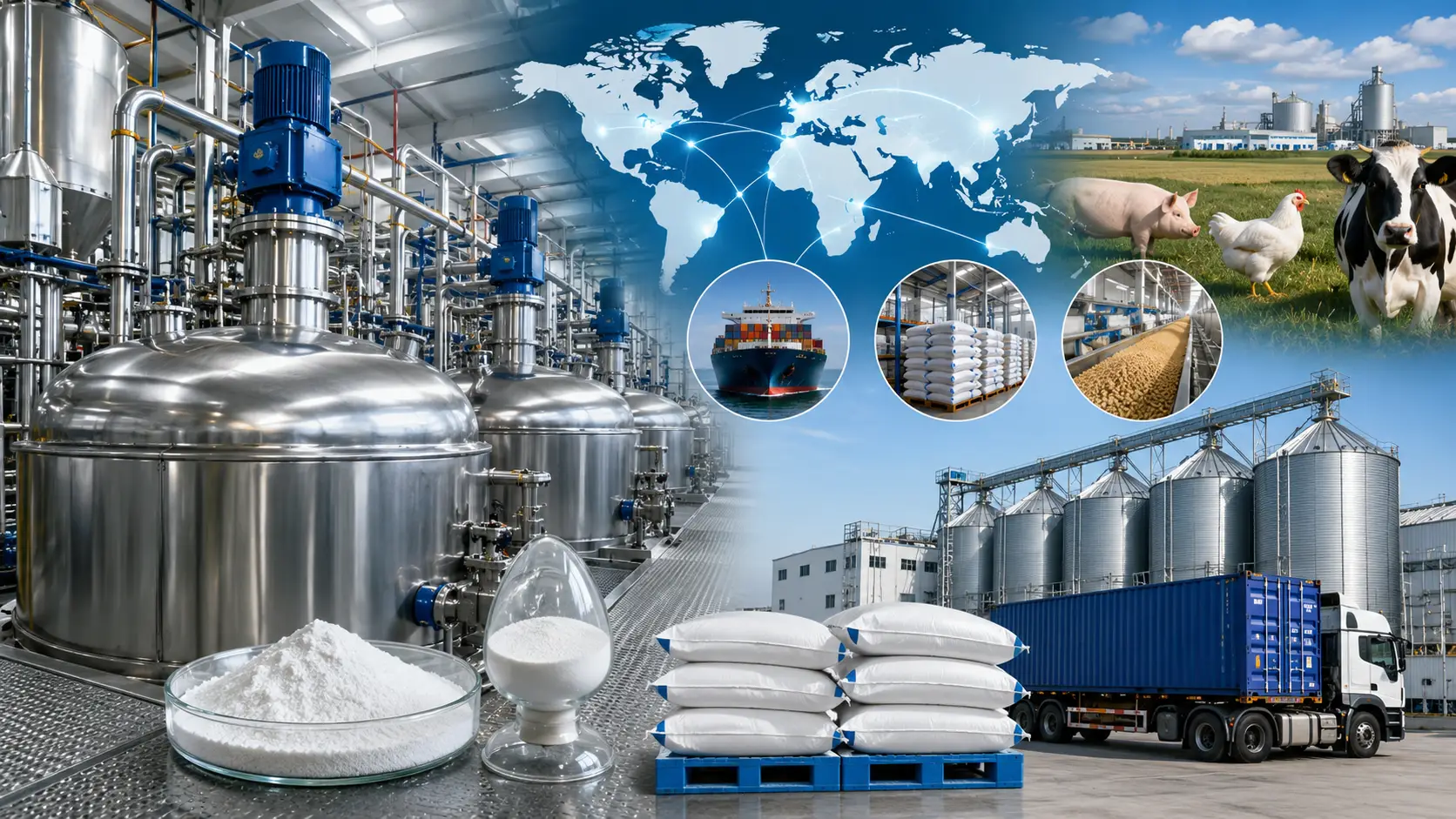
The L-Lysine HCl supply chain involves fermentation manufacturers, raw material suppliers, exporters, logistics providers, distributors, and end-use feed producers. Global buyers increasingly evaluate suppliers based on production capacity, quality certifications, delivery reliability, and long-term availability.
According to industry market analyses, the global amino acid feed additives sector continues expanding, supported by rising meat consumption and increasing adoption of precision nutrition strategies. The L-Lysine HCl market is estimated to grow at a CAGR of around 5–7% during 2025–2030, reflecting strong demand from developing livestock markets.
Global L-Lysine HCl Production and Supply Chain Development
L-Lysine HCl production is concentrated in regions with advanced fermentation technology and large agricultural processing industries. Asia, particularly China, remains a major production hub due to its integrated corn-based raw material supply chain and large-scale fermentation facilities. Global production capacity has exceeded several million metric tons annually, supporting demand from feed producers worldwide.
Manufacturers continue investing in process efficiency, energy management, and quality control systems to maintain competitiveness. These improvements help suppliers deliver consistent specifications required by international feed manufacturers and distributors.
Raw Material Availability and Logistics Management
The supply chain performance of L-Lysine HCl depends heavily on raw material availability, especially carbohydrate sources used in fermentation. Stable agricultural supply networks help manufacturers maintain production continuity and manage price fluctuations.
International logistics also influence procurement decisions. Ocean freight availability, port infrastructure, container costs, and regional inventory planning are increasingly important factors for buyers sourcing L-Lysine HCl across continents.
Market Dynamics Influencing L-Lysine HCl Availability
The primary demand driver for L-Lysine HCl is the global expansion of animal feed production. Poultry and swine producers rely heavily on lysine supplementation to improve feed conversion ratios and maintain nutritional performance.
Emerging markets in Southeast Asia, Latin America, and the Middle East are increasing their consumption of compound feed, creating additional opportunities for L-Lysine HCl suppliers and distributors.
Pricing Trends and Market Competition
L-Lysine HCl pricing is influenced by fermentation costs, corn prices, energy expenses, transportation rates, and global supply-demand balance. Industrial buyers typically monitor price movements ranging around USD 1,000–1,800 per metric ton, depending on specifications, volume, and market conditions.
Competitive supplier networks encourage buyers to compare manufacturers based on total supply chain value rather than price alone. Reliability, documentation, and technical support are becoming key purchasing factors.
International Trade Flow and Procurement Considerations
International L-Lysine HCl trade depends on efficient connections between manufacturers, distributors, and regional feed markets. B2B chemical marketplaces help buyers identify qualified suppliers while improving transparency in product availability and international sourcing options.
Distributors play an important role by maintaining regional inventories, managing documentation requirements, and supporting smaller feed producers that require flexible purchasing solutions.
Quality Standards and Documentation
Procurement teams increasingly require suppliers to provide certificates of analysis, product specifications, regulatory documents, and consistent quality assurance records. These requirements help buyers minimize supply risks and maintain compliance with feed safety standards.
Key Buyers and Industrial Applications of L-Lysine HCl
Feed manufacturers represent the largest buyer segment for L-Lysine HCl. They incorporate the ingredient into poultry, swine, and livestock formulations to optimize nutritional value and improve production efficiency.
Large-scale integrators and commercial farms depend on stable amino acid supply chains to maintain continuous feed production and avoid operational disruptions.
Growing Applications Beyond Traditional Feed Markets
Although animal nutrition remains the dominant application, amino acid technologies continue developing across biotechnology and specialty nutrition sectors. This expansion supports long-term market opportunities for manufacturers and suppliers.
Supplier Selection and Supply Chain Optimization Strategies
Professional buyers assess suppliers based on manufacturing capability, export experience, quality systems, production consistency, and logistics performance. A reliable supplier relationship helps reduce procurement uncertainty.
Global sourcing platforms enable companies to compare suppliers, request quotations, and establish partnerships with manufacturers capable of supporting long-term demand.
Building Resilient Procurement Networks
Supply chain diversification has become an important strategy for feed companies. Working with multiple qualified suppliers, maintaining safety stock, and monitoring market trends can improve resilience against transportation delays or raw material fluctuations.
Future Outlook of the Global L-Lysine HCl Market
Future L-Lysine HCl production will focus on fermentation innovation, sustainable manufacturing practices, and improved resource efficiency. Producers investing in technology upgrades are expected to strengthen their position in global markets.
Growing demand for sustainable animal production will continue supporting the use of amino acid-based feed solutions.
Expanding Global Sourcing Opportunities
As livestock industries expand worldwide, demand for dependable L-Lysine HCl supply networks will continue increasing. Buyers are expected to prioritize suppliers offering competitive pricing, consistent quality, and international logistics capability.
Conclusion: Building Reliable L-Lysine HCl Sourcing Networks
L-Lysine HCl remains a critical ingredient supporting global animal nutrition markets. Its supply chain connects fermentation manufacturers, agricultural raw material providers, logistics networks, and feed producers across multiple regions. Understanding production trends, market factors, and procurement strategies enables buyers to make stronger sourcing decisions.
For companies seeking dependable amino acid supply solutions, Tradeasia International provides access to global chemical and ingredient networks, connecting buyers with reliable suppliers and supporting efficient sourcing strategies for L-Lysine HCl and related industrial products.
Sources
https://www.fao.org
https://www.marketsandmarkets.com
Leave a Comment