Introduction
The global agricultural commodities landscape is witnessing a significant shift, with byproducts once considered waste now being recognized as high-value resources. At the forefront of this trend in the American market is the growing interest in beet pulp pellets. This humble derivative of sugar beet processing has evolved from a niche feed additive to a strategically important commodity, driven by a confluence of economic, nutritional, and environmental factors. American livestock producers, feed manufacturers, and even bioenergy sectors are increasingly looking to integrate this product into their operations.
This surge in demand is not occurring in isolation. It reflects broader trends in precision animal nutrition, supply chain resilience, and sustainable agriculture. As feed costs remain volatile and environmental regulations tighten, the search for reliable, cost-effective, and eco-friendly feed ingredients has intensified. Beet pulp pellets, with their unique nutritional profile and sourcing flexibility, are emerging as a compelling solution. This article delves into the multifaceted reasons behind this growing interest, examining the product's benefits, market drivers, and the role of global platforms like Chemtradeasia.com in facilitating this trade.
Understanding Beet Pulp Pellets: A Versatile Commodity
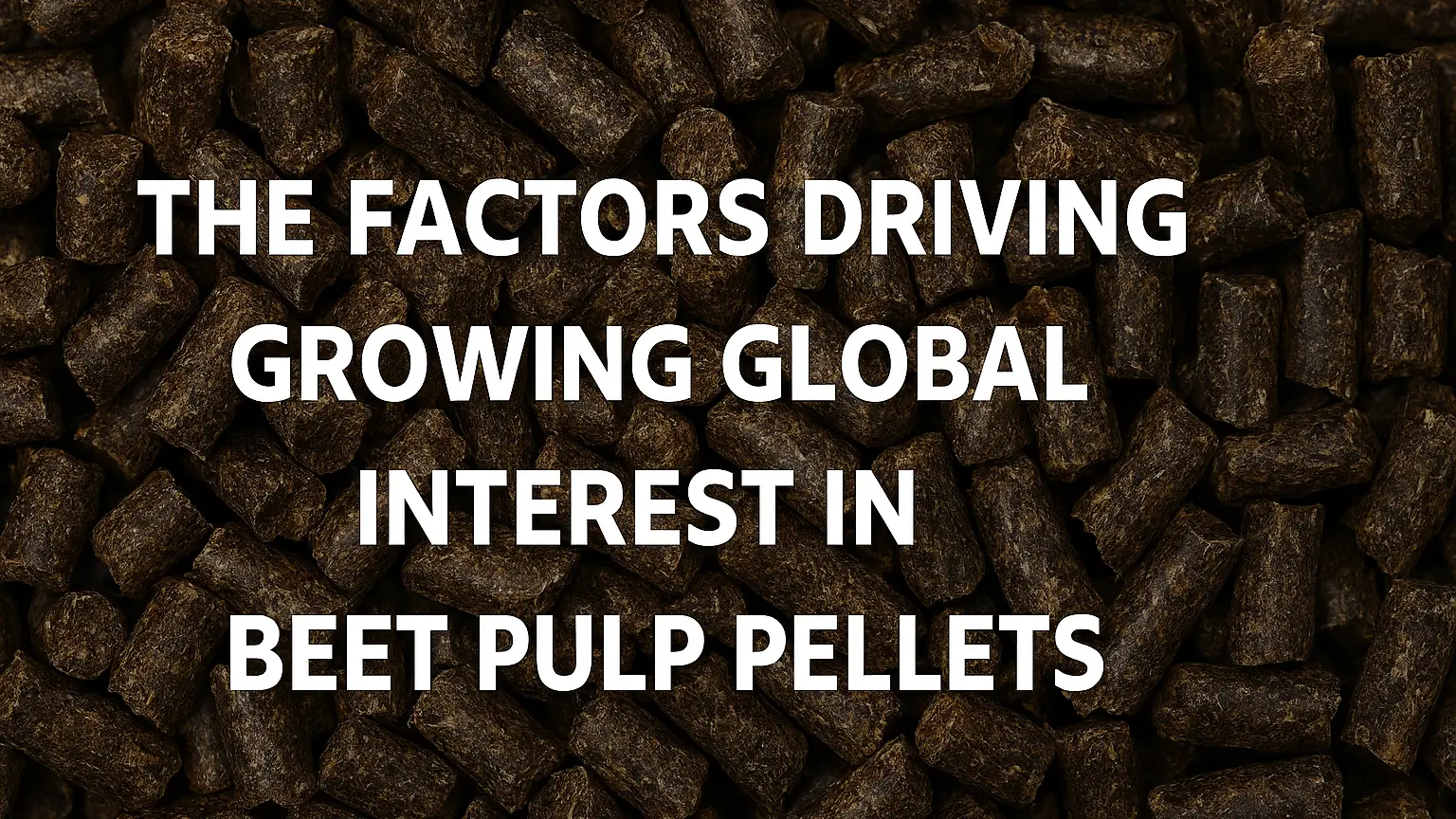
Beet pulp pellets are a processed form of the fibrous material left after sugar extraction from sugar beets. The wet pulp is dried and compressed into dense, uniform pellets, which enhances its shelf life, reduces transportation costs, and improves handling efficiency. This physical form is crucial for its commercial viability, making it easy to store, ship, and mix into complete feed rations. Unlike the wet or shredded forms, pelleted beet pulp is stable, resistant to spoilage, and a globally tradable commodity.
From a compositional standpoint, beet pulp is prized for its high digestible fiber content, primarily in the form of pectin, cellulose, and hemicellulose. It is relatively low in protein but serves as an excellent source of fermentable energy for the microbial population in the hindgut of ruminants and horses. Its energy value is derived from its fiber, making it a "cool" energy source that does not carry the same risk of digestive upset as high-starch grains. This specific nutritional niche is what sets it apart from other common feed ingredients like corn, soybean hulls, or wheat middlings.
The production process itself adds value. By converting a processing byproduct into a nutritious feed ingredient, the sugar industry achieves greater resource efficiency. For the end-user, the pelletized form ensures consistent quality and nutrient density. Specifications typically include metrics for moisture content (usually below 12%), pellet durability, crude fiber (often 18-22%), and protein levels. This standardization, facilitated by reputable global suppliers and platforms, gives buyers confidence in the product's performance, whether sourced domestically or imported via trusted channels like Chemtradeasia.com.
Key Drivers of Demand in the American Market
Several powerful macroeconomic and industry-specific forces are converging to boost American demand for beet pulp pellets. Firstly, the volatility in traditional feed grain markets, particularly corn and soybean meal, has prompted livestock producers to seek alternative, cost-stable ingredients. Beet pulp pellets often provide a financially attractive option, especially when grain prices spike due to weather events, geopolitical tensions, or biofuel mandates. This demand for feed cost mitigation is a primary driver for both large-scale integrators and independent ranchers.
Secondly, the intensification of the American dairy and beef industries demands highly formulated rations that optimize animal health and productivity. Nutritionists are increasingly formulating diets with specific fiber sources to maintain rumen health, improve butterfat content in milk, and enhance overall feed efficiency. The unique fermentability of beet pulp fiber makes it a tool of choice for these precision feeding programs. Furthermore, the growth of the U.S. equine industry, particularly in performance and leisure sectors, has expanded the market for specialized horse feeds where beet pulp is a common and valued component for its digestibility and hydration properties.
Lastly, global supply chain re-evaluations post-pandemic have highlighted the risks of over-reliance on single sourcing regions. While the U.S. has domestic beet pulp production, primarily in states like Minnesota, North Dakota, and Michigan, weather variability and competing demand can affect availability and price. This has led American buyers to proactively engage with the global market to ensure supply continuity. Platforms that connect them with reliable international suppliers, such as Chemtradeasia.com, have become essential tools for managing risk and securing competitive pricing from major producing regions in Europe and Asia.
Nutritional and Economic Benefits for Livestock Producers
The adoption of beet pulp pellets is fundamentally rooted in tangible on-farm benefits. For ruminants, its highly digestible fiber promotes a stable rumen pH, reducing the risk of subacute ruminal acidosis (SARA)—a common and costly disorder in high-producing dairy herds. By supporting a healthy rumen environment, it enhances the digestion of the entire ration, leading to better nutrient uptake. In dairy cows, this often translates to sustained milk production with improved components, particularly fat. In beef cattle, it provides a safe energy source that supports growth without the digestive challenges associated with high-concentrate diets.
For equine nutrition, beet pulp is a superstar. Its high water-holding capacity (it can absorb several times its weight in water) makes it an excellent source of hydration and hindgut function support. It is often fed to horses that are hard keepers, older horses with dental issues, or as a safer energy source for excitable animals compared to high-starch grains. The pellets are easily soaked into a soft mash, making them palatable and easy to consume. This versatility across species underscores its value as a multifunctional feed ingredient.
Economically, the benefits are clear. While the price per ton fluctuates, its inclusion rate—typically between 5% and 15% of the total ration dry matter—allows for significant cost management. By partially replacing more expensive grains, producers can lower their overall feed cost per unit of milk or meat produced. Additionally, the improvement in animal health and feed efficiency directly impacts the bottom line by reducing veterinary costs and improving production metrics. The return on investment (ROI) for incorporating quality beet pulp pellets into a feeding program is consistently positive, making it a strategic purchase rather than just a commodity buy.
Sustainability and Environmental Impact
In an era where sustainable sourcing is a priority for both consumers and corporations, beet pulp pellets offer a compelling environmental narrative. Their production represents a prime example of the circular economy in agriculture. A byproduct of sugar manufacturing is upcycled into a valuable resource, dramatically reducing waste and maximizing the utility of the original sugar beet crop. This lifecycle efficiency reduces the overall environmental footprint of both the sugar and livestock industries.
From a farm-level perspective, the inclusion of beet pulp can contribute to more sustainable manure management. Diets formulated with highly digestible fiber sources like beet pulp can lead to more consistent manure and potentially reduce nitrogen excretion patterns. Furthermore, by providing an alternative to feed ingredients linked to deforestation or high water usage (like some soybean production), beet pulp offers a pathway to more sustainable sourcing for feed companies and producers aiming to meet ESG (Environmental, Social, and Governance) goals.
Looking beyond animal feed, the role of beet pulp in the bioeconomy is expanding. Its high cellulose content makes it a feedstock of interest for advanced biofuels and biochemical production. While this application is still developing compared to its feed use, it represents a future demand stream that could further enhance the value and sustainability profile of this commodity. For forward-thinking American agribusinesses, investing in supply chains for products like beet pulp pellets is not just about today's feed costs but also about positioning for a more resource-efficient future.
Global Trade Dynamics and Sourcing with Chemtradeasia.com
The growing American interest in beet pulp pellets is inextricably linked to the dynamics of global trade. Major producing countries include those in the European Union (France, Germany, Poland), Russia, and China. Each region has its own production cycles, quality variations, and export regulations. Navigating this complex landscape requires expertise and reliable connections. This is where global B2B platforms have revolutionized commodity sourcing.
Chemtradeasia.com exemplifies this modern trading infrastructure. As a dedicated platform for chemical and raw material trade, it connects American buyers with a vetted network of international suppliers of beet pulp pellets. The platform simplifies the process of comparing specifications, prices, and shipping terms from multiple sources in one place. For an American feed mill or large ranch, this means access to a broader market, the ability to secure volume contracts during domestic shortages, and the potential for more favorable pricing through competitive global offers.
Effective sourcing goes beyond just finding a seller. It involves ensuring quality consistency, reliable logistics, and contractual clarity. Reputable platforms mitigate these risks by facilitating transparent communication and often providing support with documentation and trade procedures. For a product like beet pulp pellets, where moisture content and pellet integrity are critical for value, having access to detailed product listings and supplier reviews is invaluable. By leveraging a platform like Chemtradeasia.com, American businesses can strategically procure this commodity, turning global market access into a competitive advantage for their operations.
Conclusion
The rising global interest in beet pulp pellets within the American market is a trend underpinned by solid economic logic, nutritional science, and sustainability imperatives. It is no longer a mere alternative feed ingredient but a strategic component in modern livestock production, helping to stabilize costs, enhance animal health, and improve operational sustainability. The unique properties of its fermentable fiber fill a specific need in precision ration formulation that few other ingredients can match as effectively or economically.
As the agricultural sector continues to face pressures from climate variability, input cost volatility, and consumer expectations, the demand for versatile, efficient, and sustainable resources will only grow. Beet pulp pellets are perfectly positioned to meet this demand. The evolution of global digital trade platforms, such as Chemtradeasia.com, further empowers American buyers to participate confidently in the international marketplace, ensuring a stable and cost-effective supply of this valuable commodity.
In conclusion, America's growing appetite for beet pulp pellets is a clear indicator of a more connected, efficient, and resource-conscious agricultural future. By understanding the drivers, benefits, and sourcing mechanisms behind this trend, industry stakeholders can make informed decisions that bolster their profitability and resilience for years to come.
Leave a Comment