Formic Acid Feed Grade Market Outlook for Feed Safety & Livestock Growth
Global Market Overview of Formic Acid Feed Grade Demand
Rising Demand in Modern Animal Nutrition Systems
The global demand for formic acid feed grade continues to grow as livestock producers prioritize feed safety, efficiency, and shelf-life extension. This organic acid is widely recognized for its antimicrobial properties, making it essential in modern feed formulations.
According to the Food and Agriculture Organization (FAO), global animal protein consumption is increasing steadily, driving higher demand for safe and efficient feed preservation solutions. This trend directly supports the expansion of acid-based feed additives.
Formic acid feed grade is increasingly used by feed manufacturers to reduce microbial contamination and improve nutrient retention. Its effectiveness in lowering feed pH contributes to better digestion and animal performance.
As global livestock production intensifies, feed-grade chemical additives like formic acid are becoming critical components in maintaining productivity and reducing losses across the supply chain.
Regulatory Pressure and Antibiotic Reduction in Animal Feed
One of the strongest drivers of formic acid feed grade demand is the global regulatory shift away from antibiotic growth promoters. Regulatory bodies such as the European Food Safety Authority (EFSA) have highlighted concerns over antimicrobial resistance.
As a result, livestock producers are adopting alternative feed acidifiers like formic acid to maintain gut health and control harmful bacteria in animals. This transition is especially visible in poultry and swine industries.
Formic acid feed grade plays a critical role in replacing traditional antibiotic-based growth enhancers by offering a natural acidification method. This helps maintain productivity while complying with regulatory restrictions.
The ongoing regulatory transformation is expected to further strengthen demand for feed-grade organic acids in both developed and emerging livestock markets.
Role of Formic Acid Feed Grade in Feed Preservation
Formic acid feed grade is widely used as a preservative in animal feed due to its ability to inhibit mold, yeast, and bacterial growth. This makes it highly valuable in humid and warm climates where feed spoilage is a major issue.
Industry research published by the OECD highlights that organic acids significantly improve feed hygiene and reduce post-harvest losses in livestock nutrition systems.
In feed mills, formic acid is incorporated to ensure longer storage stability and reduced contamination risks. It also enhances the safety profile of compound feeds distributed globally.
By maintaining feed integrity, formic acid contributes directly to improved livestock health outcomes and more efficient feed conversion ratios.
Applications Across Poultry, Swine, and Aquaculture
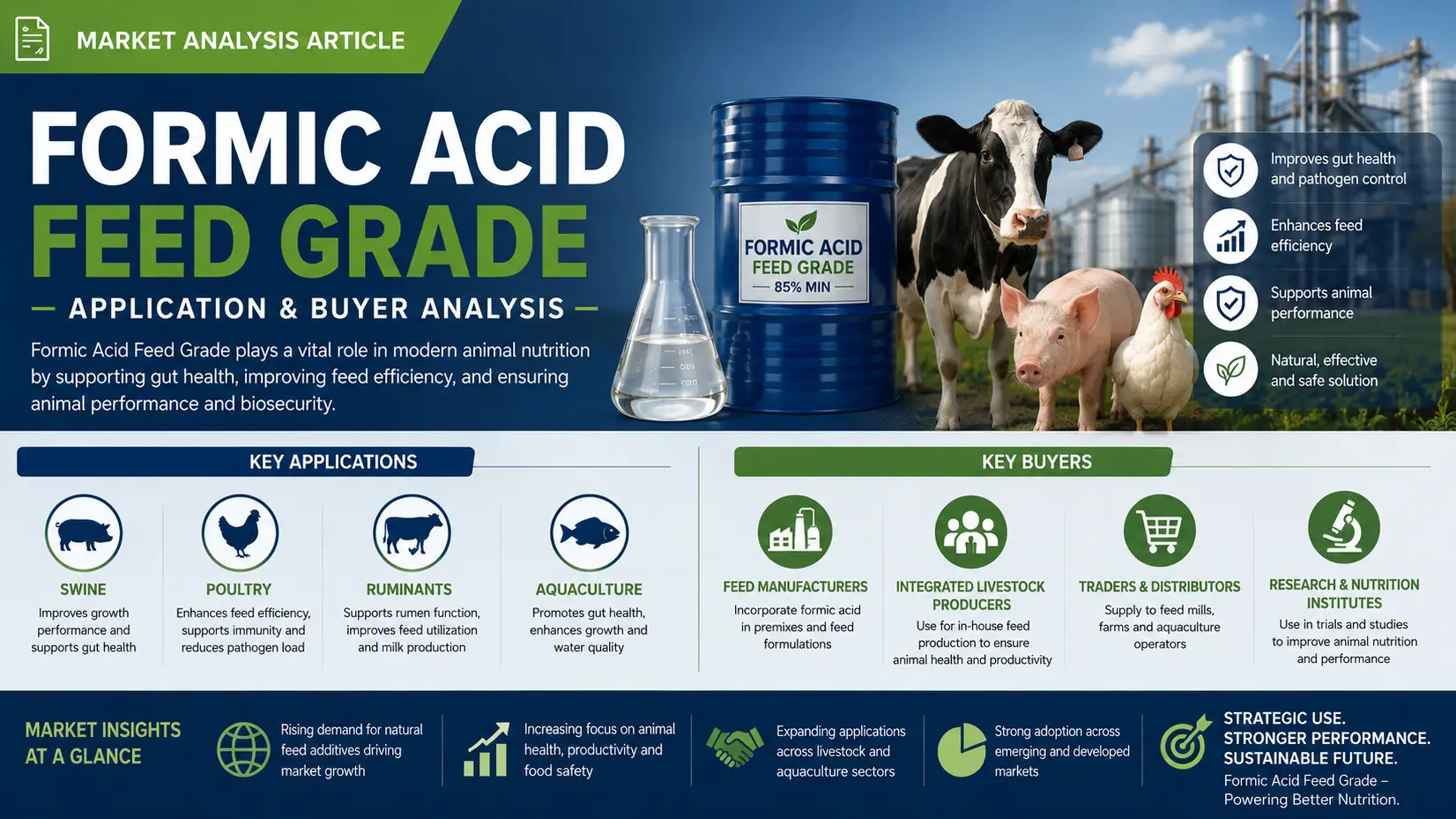
Formic acid feed grade is extensively used in poultry production to improve gut health and reduce pathogenic bacteria in feed. This application is particularly important in high-density farming systems.
In swine nutrition, formic acid supports digestion efficiency and reduces gastrointestinal infections, leading to improved weight gain and feed utilization. Its role is well-documented in animal nutrition studies by institutions such as the European Feed Manufacturers’ Federation (FEFAC).
Aquaculture and Emerging Applications
Aquaculture feed producers are increasingly incorporating formic acid to control microbial growth in fish feed pellets. This ensures feed stability in water-intensive environments.
Across all livestock segments, formic acid feed grade is valued for its multifunctional role in improving both feed quality and animal productivity, making it a core additive in modern feed formulations.
Supply Chain and Procurement Considerations for Buyers
Procurement teams sourcing formic acid feed grade prioritize purity, compliance with feed safety standards, and consistent supply availability. Variations in concentration and contamination levels can significantly impact feed performance.
According to industry guidance from the American Feed Industry Association (AFIA), feed additives must meet strict safety and traceability requirements before being approved for commercial use.
Distribution and Trade Dynamics
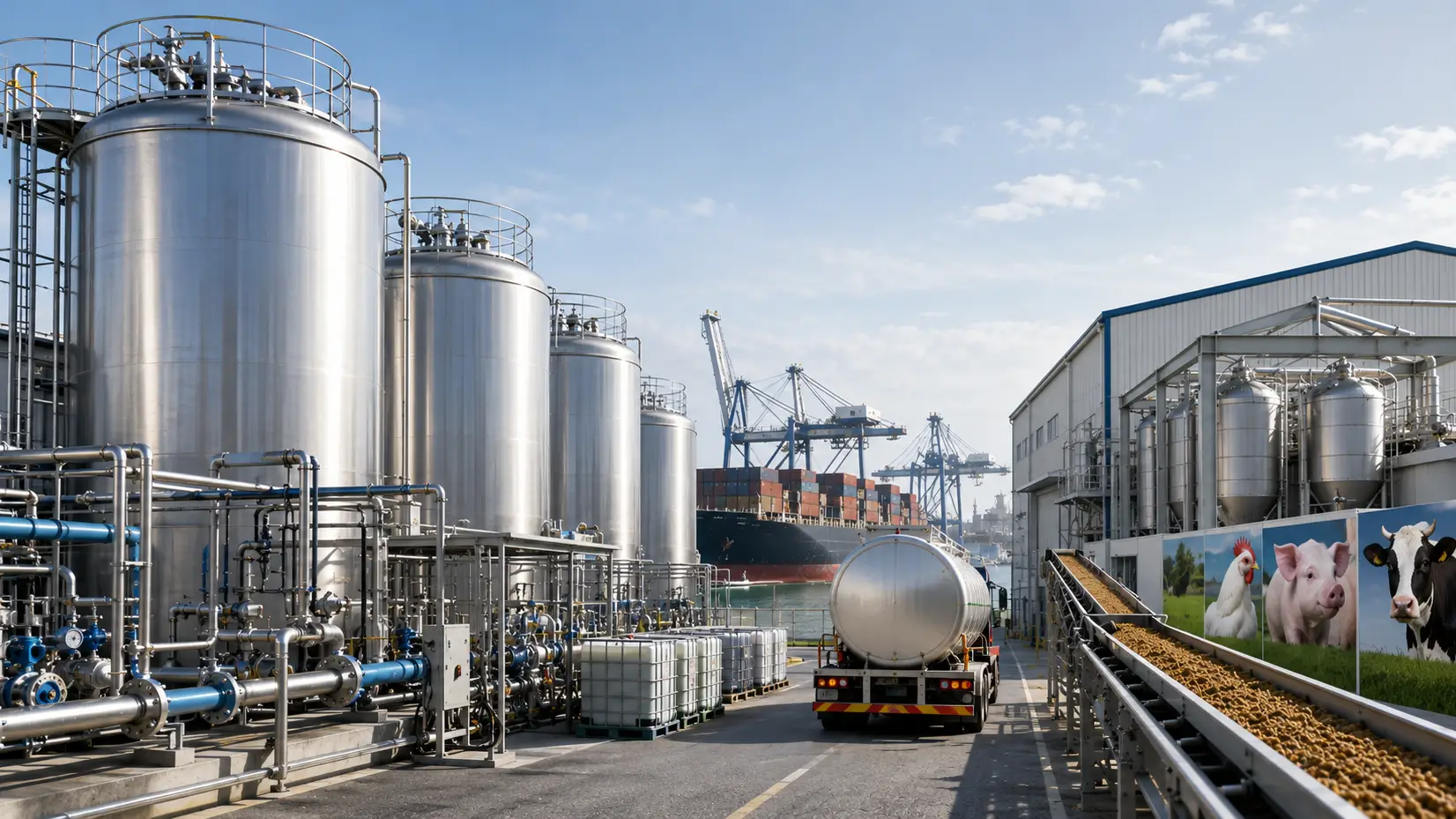
Global trade of formic acid feed grade is influenced by chemical manufacturing hubs in Asia and Europe. Buyers often evaluate suppliers based on logistics efficiency, pricing stability, and certification compliance.
Distributors and feed mills increasingly prefer integrated B2B chemical marketplaces that ensure reliable sourcing, reducing supply chain disruptions in volatile markets.
Future Market Outlook and Pricing Dynamics
The formic acid feed grade market is expected to grow alongside rising global meat consumption and the continued shift toward sustainable livestock farming. Organic acid adoption is becoming a long-term industry standard.
Market analysis from reputable chemical industry reports indicates steady expansion in feed acidifiers, driven by regulatory and productivity requirements.
Price Sensitivity and Raw Material Influence
Pricing of formic acid feed grade is influenced by methanol and carbon monoxide supply chains, as well as energy costs in chemical production. These factors contribute to periodic market volatility.
Despite fluctuations, demand remains resilient due to its essential role in feed preservation and livestock performance enhancement.
Sources
https://www.fao.org
https://www.efsa.europa.eu
https://www.fefac.eu
Leave a Comment