Global Fish Meal Supply Chain Strategies for Industrial Buyers
Understanding the Global Fish Meal Supply Chain Landscape
Fish Meal as a Strategic Animal Nutrition Ingredient
Fish meal is a high-value protein ingredient produced from processed fish materials and is widely recognized as an important component in animal nutrition supply chains. Its nutritional profile, including protein content, amino acids, and digestible nutrients, makes it a preferred ingredient for specialized feed formulations.
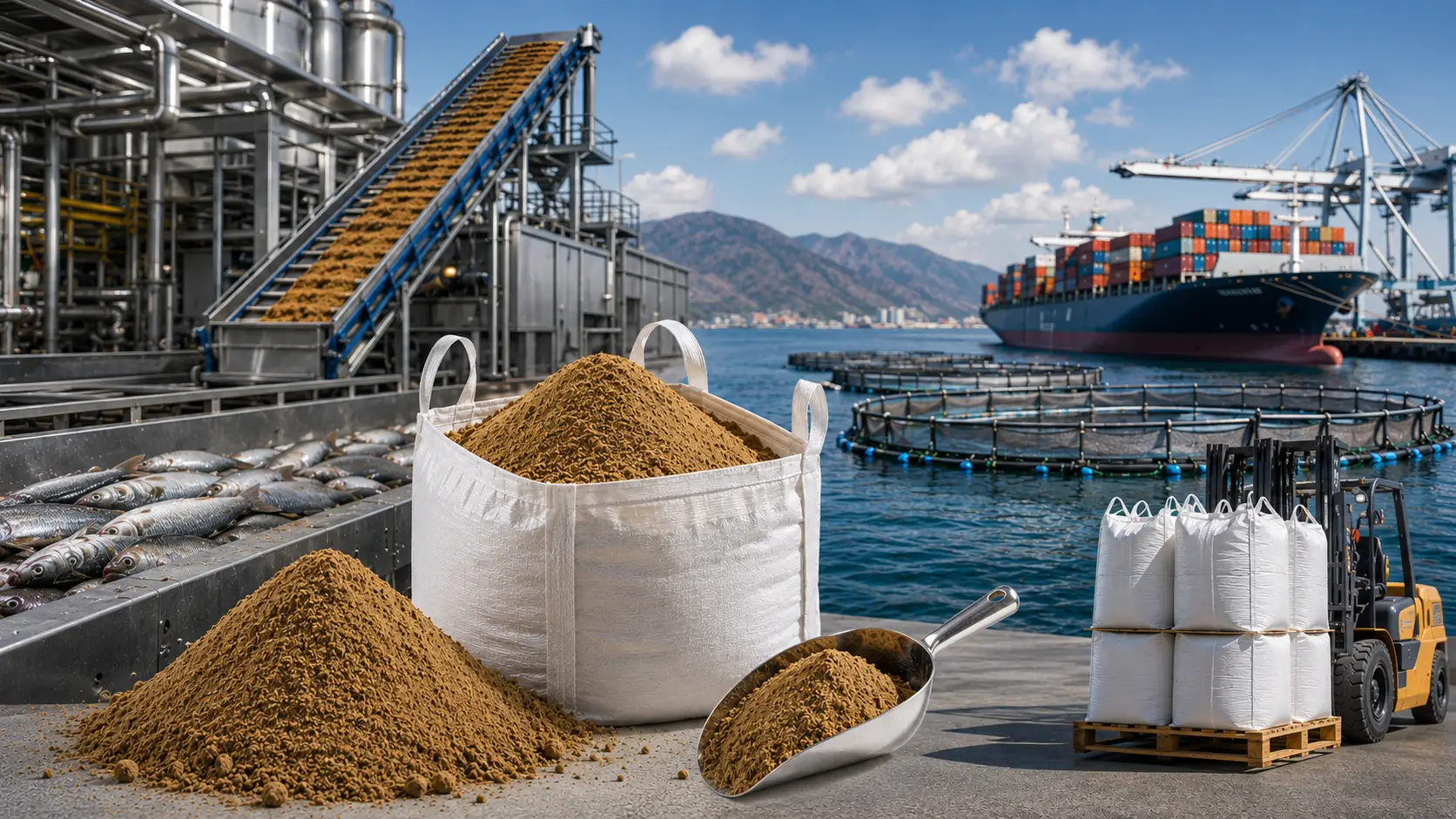
The global fish meal supply chain connects fisheries, processing facilities, exporters, distributors, feed manufacturers, and end users across multiple regions. Efficient coordination between these stakeholders is essential to maintain consistent quality, availability, and commercial competitiveness.
Global Trade Networks and Supply Chain Integration
The international fish meal market depends on established trading routes between production regions and consuming markets. Countries with strong fishing industries contribute significantly to supply availability, while major aquaculture and livestock-producing regions represent important demand centers.
For B2B buyers, understanding supply chain structures helps improve procurement decisions by identifying reliable suppliers, evaluating logistics options, and managing risks associated with seasonal production fluctuations and transportation requirements.
Fish Meal Production and Processing Dynamics
Fish meal production begins with the collection of suitable fish by-products or dedicated industrial fishing resources. These raw materials undergo cooking, pressing, drying, and grinding processes to create a stable protein-rich feed ingredient suitable for commercial applications.
Processing efficiency directly influences the nutritional characteristics, quality consistency, and market value of fish meal. Manufacturers must maintain strict production controls to meet the expectations of feed producers and international buyers.
Quality Standards and Product Specifications
Quality assessment is a critical part of the fish meal supply chain. Buyers typically evaluate factors such as protein levels, moisture content, freshness, digestibility, and compliance with feed safety requirements before selecting suppliers.
Reliable suppliers support long-term business relationships by providing consistent specifications, transparent documentation, and traceable supply processes. These factors are especially important for multinational feed manufacturers and distributors.
Industrial Applications Driving Fish Meal Demand
Aquaculture remains one of the most important application sectors for fish meal due to its role in supporting fish and shrimp growth through balanced nutrition. Feed manufacturers incorporate fish meal into formulations designed to improve protein availability and feed performance.
As global aquaculture production expands, demand for dependable fish meal supply continues to increase. Buyers in this sector focus on securing stable volumes and maintaining consistent product quality for commercial feed production.
Livestock and Specialty Feed Uses
Fish meal is also used in livestock and specialty animal feed applications where nutritional density and protein efficiency are important considerations. Poultry, swine, and other animal nutrition segments utilize fish meal as part of formulated feed solutions.
Industrial buyers seek suppliers capable of delivering suitable grades for different feed requirements. This creates opportunities for exporters and distributors that can provide flexible sourcing solutions.
Key Buyers and Market Opportunities for Fish Meal
The largest commercial buyers of fish meal are generally animal feed manufacturers and nutrition companies requiring reliable raw materials for large-scale production. These buyers prioritize supply continuity, competitive pricing, and technical support from suppliers.
Strategic partnerships between fish meal producers and feed companies help optimize procurement planning while reducing supply disruptions. Strong supplier relationships are increasingly valuable in global feed ingredient markets.
International Distributors and Commodity Traders
Distributors and commodity traders play an important role by connecting producers with regional markets. They provide logistics coordination, inventory management, and market access for buyers who require imported fish meal products.
For B2B marketplaces, fish meal represents an important category because buyers often search for verified suppliers, competitive offers, and dependable international sourcing channels.
Strategic Sourcing Considerations for Fish Meal Procurement
Selecting the right fish meal supplier requires careful evaluation of production capability, export experience, product documentation, and supply reliability. Procurement teams must consider both current requirements and long-term business continuity.
Supplier diversification can also help buyers reduce dependency on a single source. A balanced sourcing strategy supports resilience against production changes, logistics delays, and market volatility.
Logistics and International Trade Planning
Transportation conditions, storage requirements, and shipping schedules are important components of fish meal procurement. Since international trade involves multiple supply chain stages, effective logistics planning supports cost control and timely delivery.
Experienced suppliers and trading platforms help simplify cross-border transactions by coordinating commercial documentation, shipment processes, and communication between buyers and producers.
Supply Chain Challenges and Future Market Trends
The fish meal industry faces challenges related to raw material availability, environmental considerations, fishing regulations, and changing market demand. These factors can influence production capacity and international pricing conditions.
Buyers increasingly focus on supply transparency and sustainable sourcing practices to maintain stable operations. Companies with adaptable procurement strategies are better positioned to manage market uncertainty.
Future Growth Through Sustainable Sourcing
Future fish meal markets are expected to emphasize responsible production methods, efficient resource utilization, and improved supply chain visibility. Sustainable practices are becoming increasingly important for global feed and aquaculture industries.
Technology-driven traceability and stronger supplier networks will continue shaping how companies source fish meal. Businesses that prioritize reliability and compliance can capture long-term opportunities in expanding animal nutrition markets.
Conclusion: Building Reliable Fish Meal Supply Partnerships
The Role of Strategic Global Suppliers
Fish meal remains an essential ingredient within global animal nutrition and aquaculture supply chains. Its applications across feed industries create continuous demand for dependable producers, exporters, and distributors capable of supporting international buyers.
A well-managed supply chain allows companies to improve procurement efficiency, maintain product consistency, and respond effectively to changing market conditions. Reliable sourcing partnerships are increasingly important for businesses operating in competitive feed ingredient markets.
Supporting Global Procurement Through Trusted Market Platforms
Tradeasia International provides a global marketplace approach that connects buyers with sourcing opportunities across industrial ingredient categories. Through market knowledge, supplier networks, and international trading capabilities, businesses can explore reliable solutions for fish meal procurement.
As demand for high-quality feed ingredients continues to grow, strategic sourcing partnerships will remain a key factor in strengthening global supply chains and supporting long-term industrial growth.
Sources
https://www.fao.org/fishery/en
https://www.iffo.com
https://www.fas.usda.gov

Leave a Comment