Global Fish Meal Supply Chain and Procurement Guide for B2B Buyers
Fish Meal Supply Chain Overview and Market Structure
Fish meal is a high-protein industrial feed ingredient produced primarily from processed fish and fishery byproducts. It plays a central role in global aquaculture and animal nutrition supply chains. According to the Food and Agriculture Organization (FAO), fish meal remains a strategically important commodity in feed manufacturing due to its digestibility and amino acid profile.
Global Supply Chain Architecture
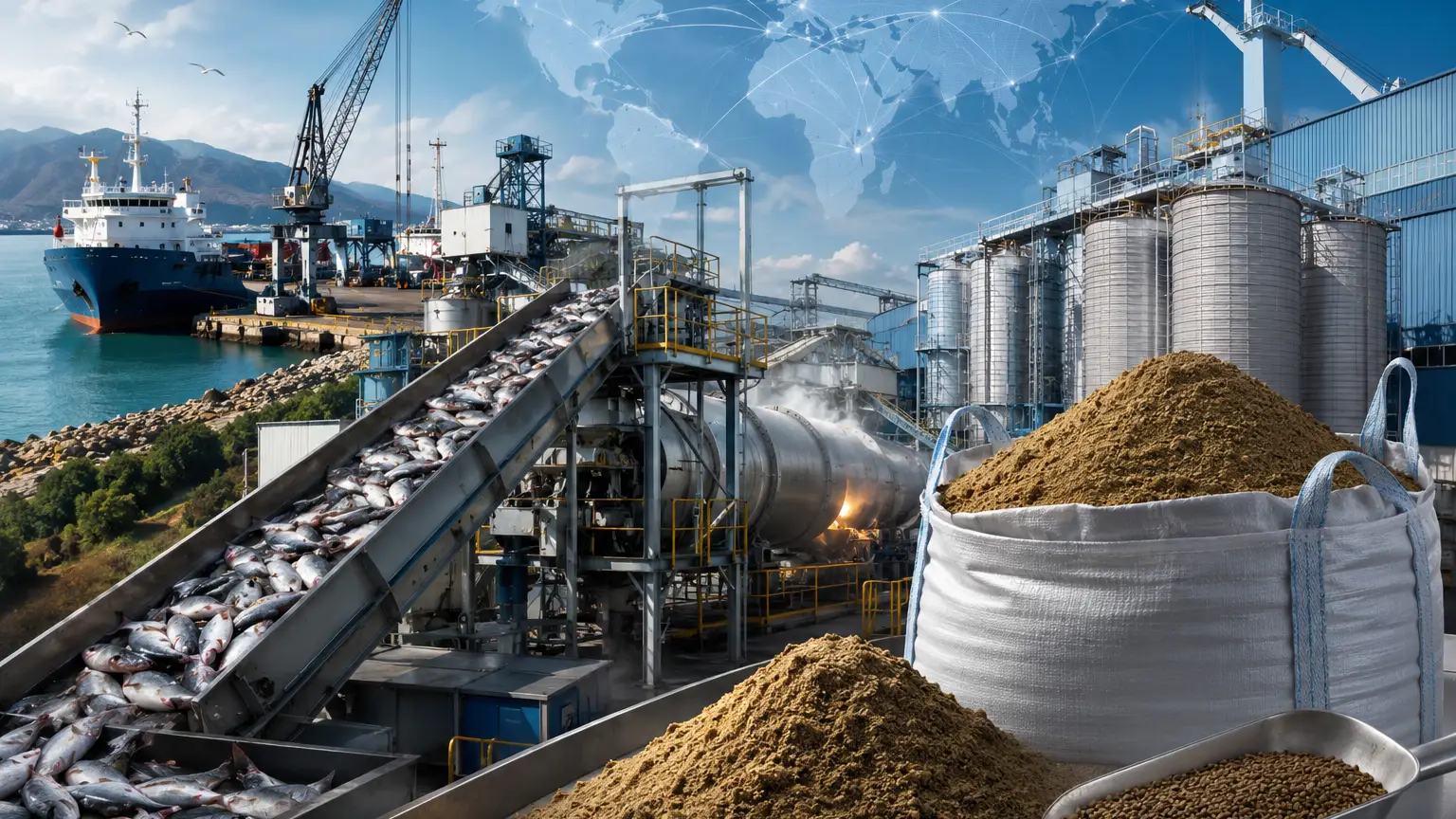
The fish meal supply chain begins with capture fisheries and fish processing industries, where raw material is sourced from whole fish or trimmings. These inputs are then transported to rendering facilities for dehydration and milling. Industry studies from OECD-FAO Agricultural Outlook highlight that supply chain efficiency is highly dependent on proximity to marine harvesting zones.
The intermediate processing stage includes cooking, pressing, drying, and grinding, which determines final protein concentration. This stage is critical for maintaining nutritional quality and reducing lipid oxidation. Supply chain fragmentation often occurs due to seasonal fishing cycles and regional regulatory differences.
Downstream distribution channels involve feed manufacturers, aquaculture farms, and livestock producers. Global trading hubs in Latin America, Europe, and Asia act as redistribution centers. The structure is highly export-driven, making logistics and cold-chain coordination essential for consistency.
Raw Material Sourcing and Production Pathways
Raw material sourcing is the most critical determinant of fish meal quality and cost structure. It directly affects protein levels, ash content, and overall nutritional performance. The International Fishmeal and Fish Oil Organisation (IFFO) emphasizes sustainable sourcing as a key driver of long-term industry stability.
Capture Fisheries and Byproduct Utilization
Fish meal production relies on small pelagic fish species such as anchovies, sardines, and menhaden, as well as fish processing waste. Efficient utilization of byproducts has become increasingly important in reducing pressure on wild fish stocks. FAO reports indicate that byproduct-based fish meal now accounts for a significant share of global production.
Processing plants are typically located near coastal fishing hubs to reduce transportation costs and maintain freshness. The time between catch and processing is critical in preventing protein degradation. This logistical sensitivity shapes procurement decisions across the supply chain.
Technological improvements in rendering systems have improved yield efficiency and reduced environmental impact. Modern facilities integrate energy recovery systems and wastewater management solutions. These advancements support compliance with environmental regulations in major producing regions.
Fish Meal in Aquaculture and Livestock Applications
Fish meal is widely used in aquaculture feed due to its high protein content and balanced amino acid profile. It is particularly important in shrimp, salmon, and marine fish farming. According to World Bank fisheries development studies, aquaculture demand remains the primary growth driver for fish meal consumption.
Nutritional Role in Aquafeed Formulations
In aquafeed production, fish meal enhances growth rates, feed conversion ratios, and disease resistance. It is often blended with plant-based proteins to optimize cost and nutrition. Research published in aquaculture nutrition journals highlights its irreplaceable role in early-stage fish development.
Livestock feed applications also include poultry and swine nutrition, where it serves as a premium protein supplement. Although substitution with plant proteins is increasing, fish meal remains critical for high-performance feed formulations. This is particularly evident in intensive farming systems.
Demand variability is influenced by feed formulation trends and commodity price fluctuations. Feed manufacturers continuously adjust inclusion rates based on cost-performance balance. This dynamic directly impacts global procurement strategies.
Global Trade Flows and Market Dynamics
The fish meal market is globally integrated, with major exporters located in Peru, Chile, Denmark, and Norway. Trade flows are shaped by fishing quotas, climatic conditions such as El Niño, and regulatory frameworks. According to FAO market assessments, these factors significantly influence annual price volatility.
Export-Import Dependencies and Pricing Trends
Import-dependent regions such as China and Southeast Asia drive significant global demand. These markets rely on consistent supply for aquaculture expansion. Trade statistics from international fisheries reports show that Asia accounts for the majority of global consumption.
Pricing is influenced by raw fish availability, fuel costs, and international demand cycles. Seasonal fishing restrictions also contribute to supply fluctuations. This creates procurement challenges for bulk buyers seeking price stability.
Logistics infrastructure, including port efficiency and storage capacity, plays a major role in trade competitiveness. Countries with advanced cold storage systems maintain better supply continuity. This reinforces the importance of integrated supply chain planning.
Quality Standards, Safety, and Regulatory Compliance
Quality control in fish meal production is essential for feed safety and performance. Key parameters include protein content, moisture levels, and histamine control. According to Codex Alimentarius standards, feed-grade fish meal must comply with strict safety thresholds.
Certification and Compliance Frameworks
International certification systems such as GMP+ and ISO standards are widely adopted in the industry. These frameworks ensure traceability and safety throughout the supply chain. Regulatory bodies in the EU and Asia enforce strict feed ingredient controls.
Contaminant management, including heavy metals and microbial risks, is a critical procurement consideration. Feed manufacturers require consistent laboratory testing before purchase. This reduces risk in downstream animal production systems.
Sustainability certifications are increasingly influencing buyer decisions. Eco-labeling and responsible sourcing initiatives are becoming standard requirements. This shift is driven by both regulatory pressure and consumer awareness in global food systems.
Buyer Intent and Procurement Strategy in B2B Markets
Fish meal buyers typically include feed manufacturers, aquaculture companies, livestock integrators, and commodity traders. Procurement teams prioritize consistency, protein content, pricing stability, and supplier reliability. Industry procurement studies indicate that multi-sourcing strategies are widely adopted to reduce risk.
Evaluation Criteria for B2B Procurement
Buyers assess suppliers based on product specification consistency, delivery reliability, and certification compliance. Contract terms often include volume-based pricing and long-term supply agreements. Risk mitigation is a central concern in sourcing strategies.
Comparisons between suppliers are driven by origin, production method, and quality assurance systems. Buyers also evaluate logistics efficiency and storage stability. These factors directly influence total landed cost.
B2B platforms like Tradeasia / Chemtradeasia / Tradechem Marketplace play a key role in connecting suppliers and buyers. They streamline sourcing by providing verified supplier networks. This reduces procurement time and improves transparency.
Conclusion and Future Outlook of Fish Meal Supply Chains
The fish meal supply chain is evolving under pressure from sustainability demands, aquaculture growth, and regulatory tightening. According to OECD-FAO projections, demand for high-quality marine proteins will remain stable despite partial substitution trends.
Long-Term Market Transformation
Technological innovation is reshaping production efficiency and environmental compliance. Alternative protein sources are gradually entering feed formulations, but fish meal retains its premium position. This balance defines future market structure.
Supply chain digitization is improving transparency and traceability across global trade routes. Digital procurement platforms are increasingly important for B2B buyers. This reduces fragmentation and enhances market efficiency.
Overall, fish meal will continue to be a strategic feed ingredient in global protein supply systems. Its role in aquaculture expansion ensures sustained demand. Strategic sourcing and supplier diversification remain essential for procurement resilience.
Sources
www.fao.org
www.oecd.org/agriculture
www.iffo.com
Leave a Comment