Global Corn Gluten Meal Supply Chain Trends for Feed Industry Buyers
Introduction to Corn Gluten Meal Supply Chain
Understanding Corn Gluten Meal as a Feed Ingredient
Corn gluten meal has become an important agricultural feed ingredient within the global animal nutrition supply chain. Produced as a co-product during corn wet milling, corn gluten meal contains concentrated protein and valuable nutrients that support livestock and poultry feed formulations. Its commercial importance comes from its role as an alternative protein source that complements traditional feed materials such as soybean meal and other plant-based ingredients.
According to technical information from the United States Department of Agriculture (USDA), corn processing industries generate several valuable co-products, including corn gluten feed and corn gluten meal, which are widely utilized in animal feeding systems. The availability of corn production directly influences the stability and scale of corn gluten meal supply.
Role of Corn Processing in Global Supply Availability
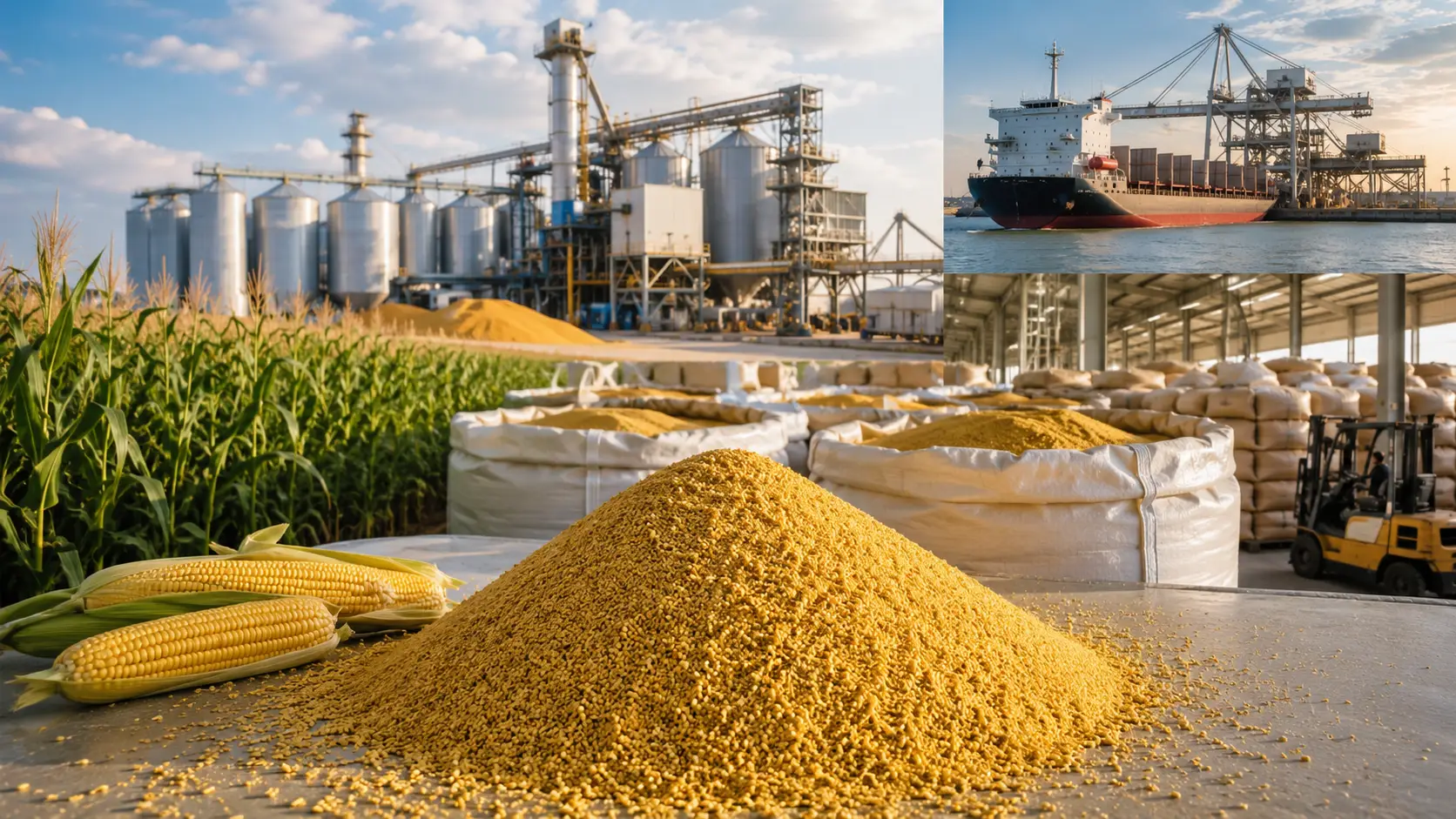
The supply chain of corn gluten meal begins with large-scale corn cultivation and continues through industrial processing facilities that separate starch, protein, oil, and fiber components. Countries with significant corn processing industries are key contributors to global availability, creating export opportunities for international feed ingredient markets.
Based on data from the Food and Agriculture Organization (FAO), global cereal production and livestock sector growth remain closely connected, supporting continued demand for efficient feed ingredients. Corn gluten meal benefits from this relationship because it transforms agricultural processing outputs into commercially valuable nutrition products.
Reliable supply management is essential because feed manufacturers require consistent protein specifications, moisture control, and delivery schedules. Buyers increasingly evaluate suppliers based on production capacity, quality assurance systems, logistics capability, and export experience.
Global Corn Gluten Meal Production and Market Dynamics
Global corn gluten meal production is closely linked with corn processing hubs in major agricultural regions. North America, particularly the United States, remains one of the largest producers due to its extensive corn cultivation and established wet milling infrastructure. Other agricultural markets continue developing their processing capacity to support domestic and export feed demand.
Market analysis from industry organizations such as the International Feed Industry Federation (IFIF) highlights that increasing global livestock production continues to drive demand for reliable feed ingredient supplies. As animal protein consumption rises, manufacturers require stable sources of nutritional inputs to maintain efficient feed production.
Market Factors Influencing Corn Gluten Meal Demand
Corn gluten meal demand is influenced by several market conditions, including livestock population growth, grain price fluctuations, protein ingredient availability, and feed formulation strategies. When traditional protein sources experience price volatility, feed producers often evaluate alternative ingredients to maintain cost efficiency.
According to market observations from agricultural commodity analysts, corn gluten meal pricing is affected by corn availability, processing costs, transportation expenses, and regional supply-demand conditions. Buyers sourcing internationally often compare suppliers based on nutritional consistency, certification availability, and long-term supply reliability.
The global feed industry is becoming increasingly focused on transparent sourcing and predictable procurement channels. This trend creates opportunities for B2B marketplaces that connect producers, exporters, distributors, and industrial buyers seeking dependable corn gluten meal supply solutions.
Corn Gluten Meal Applications in Animal Nutrition Industries
Corn gluten meal is widely used in poultry nutrition because of its protein content, digestible nutrients, and compatibility with different feed formulations. Poultry producers and feed manufacturers incorporate corn gluten meal into diets for broilers, layers, and other poultry categories to support balanced nutrition programs.
According to technical resources from the National Research Council (NRC), feed formulation requires careful evaluation of protein sources, amino acid availability, energy contribution, and animal requirements. Corn gluten meal is valued by nutrition specialists because it provides concentrated plant-based protein that can complement other feed ingredients.
The poultry industry represents one of the largest buyer segments for corn gluten meal due to continuous global demand for chicken meat and eggs. Feed producers evaluate ingredient consistency, nutritional analysis, and supply reliability when selecting corn gluten meal suppliers.
Applications in Livestock and Aquaculture Feed
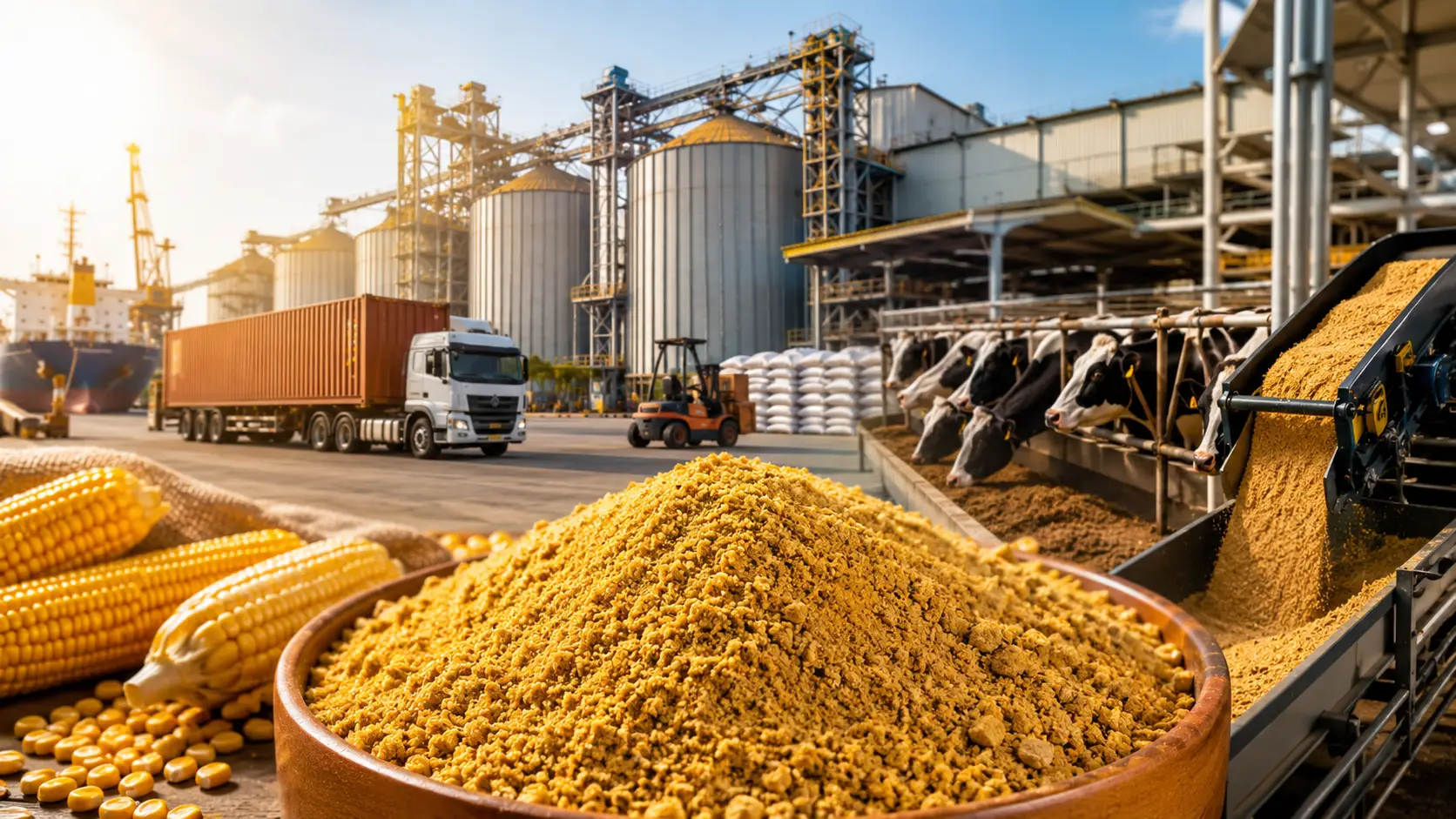
Beyond poultry applications, corn gluten meal is also utilized in livestock feed programs, including cattle, swine, and specialty animal nutrition markets. Its nutritional profile allows feed formulators to develop cost-effective rations while maintaining targeted protein levels.
The growing demand for efficient animal production systems has increased interest in alternative feed ingredients. Industry data from the International Feed Industry Federation indicates that global compound feed production remains strongly connected to livestock expansion, encouraging demand for dependable agricultural feed materials.
Aquaculture feed manufacturers may also evaluate corn gluten meal as part of plant-based protein ingredient strategies. As the aquaculture industry searches for sustainable feed solutions, suppliers offering consistent quality ingredients become increasingly important.
Commercial Importance Across Feed Supply Chains
The commercial value of corn gluten meal depends not only on nutritional characteristics but also on supply chain performance. Feed manufacturers require suppliers capable of providing stable volumes, appropriate documentation, and dependable international logistics.
For B2B buyers, corn gluten meal represents more than a commodity ingredient. It is a strategic input that influences production efficiency, formulation flexibility, and operational continuity. Suppliers that understand industrial requirements can better support long-term procurement relationships.
Buyer Requirements and Procurement Factors for Corn Gluten Meal
Procurement teams purchasing corn gluten meal typically evaluate several technical parameters before approving suppliers. Protein content, moisture level, storage stability, contamination control, and documentation are among the most important factors considered during supplier qualification.
Technical guidance from organizations such as the Association of American Feed Control Officials (AAFCO) emphasizes the importance of accurate ingredient definitions, labeling, and quality compliance within animal feed markets. These standards help buyers establish consistent purchasing criteria.
Feed manufacturers often request product specifications, certificates of analysis (COA), and information regarding production processes. These documents allow buyers to assess whether the ingredient meets their formulation and regulatory requirements.
Factors Influencing Supplier Selection
Selecting a corn gluten meal supplier involves evaluating production capability, export experience, logistics networks, and commercial flexibility. Large feed companies typically prefer suppliers that can provide predictable supply volumes and maintain consistent product quality.
Market conditions frequently encourage buyers to compare multiple suppliers before committing to procurement agreements. Price competitiveness remains important, but reliability, communication, shipment coordination, and technical support are equally valuable.
According to supply chain studies published by agricultural trade organizations, resilience and transparency have become increasingly important factors in global commodity sourcing. Buyers now prioritize suppliers with strong operational systems rather than focusing only on short-term pricing.
Importance of Reliable International Supply
International corn gluten meal sourcing requires coordination between producers, exporters, shipping providers, distributors, and end users. Delays or inconsistencies in supply can affect feed production schedules and increase operational costs.
For this reason, procurement teams increasingly seek partners that provide efficient sourcing solutions, market information, and dependable trade support. A strong supplier relationship helps buyers manage changing market conditions while maintaining continuous feed production.
International Corn Gluten Meal Sourcing and Supplier Evaluation
International trade has expanded opportunities for buyers seeking corn gluten meal from established agricultural markets. Exporters with access to corn processing infrastructure can supply feed manufacturers across regions where domestic production may be limited.
According to agricultural trade information published by the United States Department of Agriculture Foreign Agricultural Service (USDA FAS), global agricultural commodity flows are influenced by production capacity, transportation networks, and regional demand conditions.
Importers and distributors often evaluate international suppliers based on shipment capability, documentation accuracy, regulatory compliance, and experience serving overseas markets.
Building Efficient B2B Sourcing Channels
Digital B2B marketplaces have transformed how feed ingredient buyers discover suppliers and evaluate sourcing opportunities. These platforms allow procurement teams to compare product information, communicate with suppliers, and identify suitable partners more efficiently.
For corn gluten meal buyers, marketplace visibility helps simplify supplier discovery while improving access to international trade opportunities. Clear product specifications, application information, and sourcing support help buyers make better procurement decisions.
Trade platforms supporting agricultural ingredients can connect manufacturers, traders, and distributors while improving transparency throughout the supply chain.
Supply Chain Risk Management
Supply chain stability is a major consideration for companies purchasing corn gluten meal internationally. Factors such as agricultural production changes, transportation constraints, currency fluctuations, and regional market conditions can affect availability.
Companies managing feed ingredient procurement often develop diversified sourcing strategies to reduce dependency on individual suppliers or regions. Reliable suppliers that provide consistent communication and flexible logistics support can help minimize these risks.
Commercial Opportunities in the Corn Gluten Meal Market
The commercial outlook for corn gluten meal remains connected to global growth in animal feed production. As livestock and poultry industries expand, demand increases for cost-effective and functional protein ingredients.
Market research from agricultural industry analysts indicates that feed manufacturers continue exploring diversified ingredient portfolios to improve formulation efficiency. Corn gluten meal benefits from its position as a valuable co-product within the corn processing industry.
For suppliers and distributors, this creates opportunities to serve expanding feed markets through reliable international sourcing networks.
Positioning Corn Gluten Meal for B2B Marketplace Buyers
Corn gluten meal is an attractive product category for B2B marketplaces because buyers typically require repeat purchasing, technical information, and dependable supplier relationships.
The most relevant buyer groups include animal feed producers, livestock nutrition companies, poultry integrators, agricultural distributors, and commodity traders. These buyers are searching for suppliers that can provide competitive commercial terms alongside technical confidence.
A marketplace approach allows suppliers to present product capabilities while helping buyers access broader sourcing options.
Conclusion: Strengthening Global Corn Gluten Meal Supply Partnerships
Corn gluten meal will continue playing an important role in global animal nutrition supply chains as feed producers seek reliable plant-based protein ingredients. Its connection to the expanding corn processing industry provides a strong foundation for continued commercial demand.
According to FAO agricultural outlook reports, global food and livestock production trends will continue influencing demand for efficient feed resources. This creates ongoing opportunities for suppliers, exporters, and distributors involved in corn gluten meal trade.
Supporting Reliable Procurement Through Global Market Access
For international buyers, successful corn gluten meal sourcing depends on quality consistency, supply reliability, transparent communication, and efficient logistics management. Selecting the right supplier helps companies maintain stable feed production while responding to changing market conditions.
Tradeasia International and its marketplace solutions support global B2B sourcing by connecting buyers with industrial suppliers and providing access to agricultural ingredient trading opportunities. Through structured supplier networks and market-focused solutions, companies can improve procurement efficiency and build stronger supply partnerships.
Sources
https://www.usda.gov/
https://www.fao.org/
https://ifif.org/
Leave a Comment