Global Corn Gluten Feed Supply Chain Trends for Animal Feed Buyers
Introduction to Corn Gluten Feed and Its Global Supply Role
Understanding Corn Gluten Feed as a Feed Ingredient
Corn gluten feed is a co-product generated during the wet milling and processing of corn into products such as starch, sweeteners, and ethanol. It contains a combination of protein, fiber, minerals, and residual energy components, making it a valuable ingredient for animal nutrition formulations. Unlike corn gluten meal, which has a higher protein concentration, corn gluten feed is primarily used as an economical energy and protein source for livestock diets.
According to technical information from the United States Department of Agriculture (USDA), corn processing generates multiple feed co-products that contribute significantly to the global animal feed ingredient supply chain. The increasing utilization of agricultural co-products reflects a broader industry movement toward resource efficiency and sustainable feed production.
Corn gluten feed is widely traded in domestic and international markets because it offers feed manufacturers flexibility when formulating cost-efficient rations. Its availability is closely connected to corn processing volumes, agricultural production cycles, and demand from livestock industries.
For global buyers, understanding the supply structure of corn gluten feed is essential because procurement decisions depend on consistent quality, reliable logistics, and supplier capability. Companies involved in animal nutrition increasingly evaluate suppliers based on production capacity, export experience, and compliance with feed safety standards.
Role of Corn Processing in Global Feed Supply Chains
The global supply chain of corn gluten feed begins with large-scale corn cultivation and industrial corn processing facilities. Major corn-producing regions, including North America, South America, and parts of Asia, contribute significantly to the availability of feed-grade corn derivatives. The location of processing plants often determines regional supply advantages and transportation efficiency.
Market analysis from the Food and Agriculture Organization of the United Nations (FAO) highlights the importance of feed ingredient availability in supporting expanding livestock production systems worldwide. As meat, dairy, and poultry consumption continues to grow, demand for cost-effective feed inputs remains an important driver for agricultural commodity markets.
Corn gluten feed supply is influenced by several commercial factors, including corn harvest conditions, ethanol industry activity, energy prices, and international trade regulations. These variables can affect production costs and create opportunities for experienced suppliers and distributors.
For B2B buyers, sourcing corn gluten feed is not only about product availability but also about establishing dependable supply relationships. Importers, feed mills, and livestock producers often seek suppliers capable of supporting long-term contracts and maintaining consistent shipment schedules.
Corn Gluten Feed Applications Across Livestock Nutrition Markets
Corn gluten feed is extensively used in dairy and beef cattle nutrition because of its balanced combination of digestible fiber, protein, and energy. It can partially replace traditional feed ingredients such as corn and soybean meal, helping producers manage feed costs while maintaining nutritional performance.
According to research published by Animal nutrition specialists and agricultural extension institutions, corn processing co-products can improve ration flexibility when properly incorporated into livestock diets. The fiber characteristics of corn gluten feed make it particularly suitable for ruminant animals that require effective fiber sources.
Dairy producers often consider corn gluten feed an attractive ingredient because it supports efficient feed formulation during periods when conventional grain prices increase. Feed manufacturers use it to balance nutritional requirements while improving the economic efficiency of animal production systems.
The growing global dairy industry has strengthened demand for alternative feed ingredients. As livestock producers search for reliable nutritional solutions, suppliers of corn gluten feed play an important role in connecting agricultural processing output with animal production markets.
Applications in Poultry and Other Animal Feed Markets
Although corn gluten feed is traditionally associated with ruminant nutrition, it is also used in poultry and multi-species feed formulations when nutritional requirements and inclusion rates are carefully managed. Feed manufacturers evaluate factors such as protein content, fiber levels, digestibility, and formulation objectives before selecting corn-based co-products.
Industry data from the National Corn Growers Association indicates that corn processing contributes a wide range of valuable co-products that support diversified agricultural markets. This creates opportunities for feed ingredient suppliers to serve different segments of the animal nutrition industry.
Poultry producers, aquaculture feed manufacturers, and specialty animal feed companies increasingly examine alternative ingredients to reduce dependence on traditional commodities. Corn gluten feed can provide an additional sourcing option when supported by proper quality specifications and technical evaluation.
For commercial buyers, understanding application requirements is essential. Procurement teams typically compare suppliers based on nutritional specifications, documentation, packaging options, shipment reliability, and the ability to meet regional feed regulations.
Global Market Demand and Supply Chain Development for Corn Gluten Feed
Demand for corn gluten feed is closely connected to global livestock production growth, increasing feed efficiency requirements, and the search for competitively priced agricultural ingredients. Expansion of dairy farming, beef production, and animal protein consumption continues to influence demand patterns across international markets.
According to market assessments from agricultural commodity research organizations, feed ingredient markets are increasingly shaped by sustainability goals and the need to maximize agricultural resource utilization. Corn gluten feed supports this trend by converting corn processing residues into valuable nutritional inputs.
The relationship between corn production and industrial processing capacity is a major factor affecting supply availability. Regions with strong corn milling industries often have competitive advantages because they can provide consistent volumes and shorter supply chains.
For international buyers, market conditions create both challenges and opportunities. Companies with established sourcing networks can secure stable supplies, while new buyers often require experienced marketplace partners to identify qualified exporters and manufacturers.
Supply Chain Challenges and Commercial Opportunities
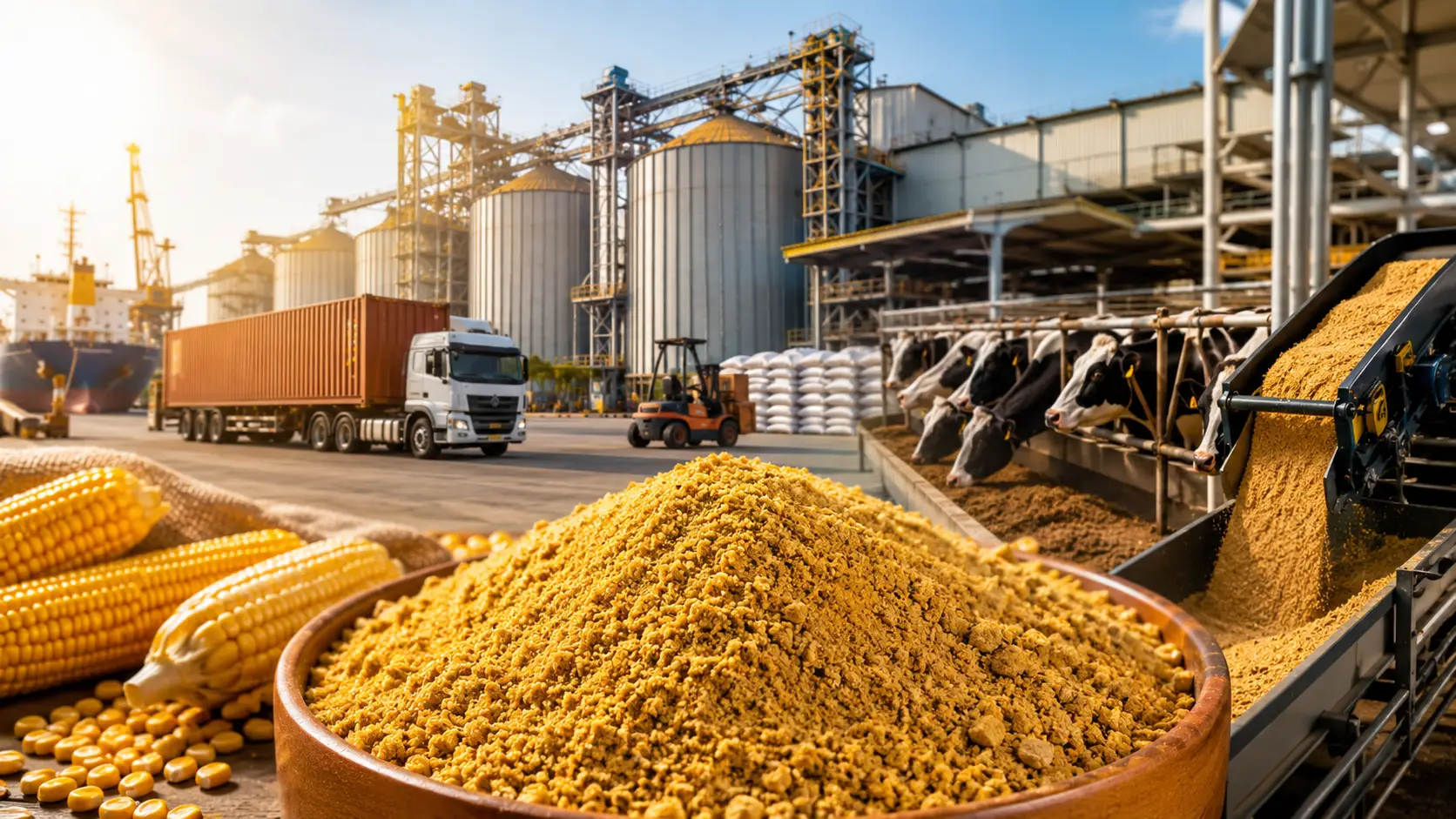
The corn gluten feed supply chain involves multiple stages, including agricultural production, industrial processing, storage, transportation, export documentation, and final delivery to feed manufacturers. Each stage influences product availability, cost efficiency, and delivery performance.
Technical guidance from the European Food Safety Authority (EFSA) emphasizes the importance of feed safety management and regulatory compliance within animal nutrition supply chains. International buyers increasingly require suppliers to provide traceability information and quality assurance documentation.
Logistics remain a critical consideration because corn gluten feed is typically traded in bulk quantities. Shipping distance, port infrastructure, storage capacity, and regional import requirements can significantly affect procurement decisions.
For suppliers, traders, and distributors, the growing demand for alternative feed ingredients creates opportunities to expand market reach. Companies that provide transparent sourcing information and dependable supply coordination can strengthen their position in global animal nutrition markets.
Key Buyers and Procurement Considerations for Corn Gluten Feed
The primary buyers of corn gluten feed are companies involved in animal nutrition, livestock production, and agricultural commodity distribution. Feed mills, dairy producers, beef cattle operators, poultry feed manufacturers, and international feed ingredient traders commonly source this product to support large-scale animal feeding programs.
According to industry information from the International Feed Industry Federation (IFIF), global demand for compound feed continues to expand as livestock industries become more industrialized and focused on efficient nutrition management. This growth supports continued interest in reliable sources of competitively priced feed ingredients.
Commercial buyers usually evaluate corn gluten feed based on nutritional specifications, availability, consistency, and supplier reliability. Large feed manufacturers often require stable monthly volumes, technical documentation, and logistics capabilities that can support long-term procurement strategies.
The buyer journey typically begins with identifying qualified suppliers, comparing specifications, reviewing trade terms, and assessing shipment capabilities. For B2B marketplaces, product information must help buyers understand sourcing options and make informed purchasing decisions.
Procurement Factors Evaluated by Industrial Buyers
Procurement teams purchasing corn gluten feed consider several technical and commercial factors before selecting suppliers. Nutritional parameters such as protein content, fiber level, moisture percentage, and overall feed quality are important evaluation criteria because they influence formulation performance.
Market intelligence from agricultural commodity organizations shows that feed ingredient purchasing decisions are also affected by commodity price movements, transportation costs, and seasonal availability. Buyers often compare multiple suppliers to manage risks associated with supply fluctuations.
International buyers additionally assess export experience, documentation readiness, packaging options, and compliance with destination market regulations. Reliable suppliers must demonstrate the ability to maintain product quality throughout storage and transportation processes.
A strong sourcing platform supports buyers by connecting them with verified suppliers, providing product transparency, and simplifying communication between manufacturers, traders, and end users. This creates a more efficient procurement process for global corn gluten feed transactions.
Sourcing Opportunities for Manufacturers, Traders, and Distributors
Corn gluten feed suppliers benefit from increasing demand for alternative feed ingredients that support cost-effective livestock production. Manufacturers and agricultural processors with access to corn-based production facilities can develop commercial opportunities by supplying domestic and international feed markets.
According to agricultural production analysis from the United States Department of Agriculture Foreign Agricultural Service (USDA FAS), global agricultural commodity trade is strongly influenced by regional production capacity, export competitiveness, and demand from developing livestock sectors. These factors create opportunities for suppliers capable of meeting international buyer requirements.
Export-oriented suppliers can strengthen their market position by focusing on consistent quality, efficient logistics, and transparent communication. Buyers increasingly prefer partners that can provide dependable supply rather than relying only on short-term price advantages.
For distributors and trading companies, corn gluten feed represents an opportunity to expand agricultural ingredient portfolios. By connecting producers with feed manufacturers in different regions, traders can support more efficient global supply chains.
Digital B2B Platforms and International Market Access
Digital marketplaces have changed how agricultural feed ingredients are discovered, evaluated, and purchased. B2B platforms allow suppliers to showcase product specifications while enabling buyers to compare sourcing options from different regions.
Modern procurement teams increasingly use online sourcing channels to identify suppliers, evaluate product availability, and initiate commercial discussions. Platforms supporting industrial trade provide greater visibility for manufacturers seeking international customers.
For companies supplying corn gluten feed, digital presence is becoming an important component of export development strategies. Detailed product information, clear applications, and transparent sourcing capabilities help suppliers attract qualified buyers.
Trade platforms that connect international suppliers with industrial purchasers can support more efficient transactions by reducing information gaps. This creates value for manufacturers, distributors, and procurement teams looking for reliable feed ingredient partnerships.
Conclusion: Building Reliable Corn Gluten Feed Supply Partnerships
Corn gluten feed will continue to play an important role in global animal nutrition supply chains as livestock industries seek flexible and economical feed solutions. Growth in meat and dairy production, combined with increasing attention toward sustainable agricultural resource utilization, supports continued market relevance.
According to the Food and Agriculture Organization of the United Nations (FAO), improving agricultural efficiency and utilizing production by-products are important components of sustainable food systems. Corn gluten feed contributes to this approach by transforming corn processing outputs into valuable feed resources.
Future market development will depend on several factors, including corn production trends, processing capacity expansion, international trade conditions, and evolving feed industry requirements. Suppliers that maintain consistent quality and dependable logistics will be better positioned to serve global buyers.
For procurement teams, selecting the right corn gluten feed supplier involves evaluating more than product availability. Reliable sourcing requires technical understanding, supply chain transparency, and the ability to support long-term business requirements.
Supporting Global Buyers Through Reliable Sourcing Solutions
Tradeasia International supports businesses seeking efficient access to industrial and agricultural commodities through global sourcing networks and marketplace solutions. By connecting buyers with suitable suppliers, platforms such as Tradeasia, Chemtradeasia, and Tradechem Marketplace help simplify international procurement processes.
For companies purchasing corn gluten feed, having access to reliable supplier information, market insights, and commercial support can improve sourcing decisions. A well-managed supply partnership helps feed manufacturers, distributors, and livestock businesses maintain operational continuity.
As global demand for animal nutrition ingredients continues evolving, dependable sourcing channels remain essential for business growth. Companies seeking corn gluten feed supply opportunities can benefit from working with experienced international trade partners that understand market requirements and procurement expectations.
Sources
https://www.usda.gov
https://www.fao.org
Leave a Comment