Corn Gluten Meal Applications and Buyer Demand in Global Feed Markets
Understanding Corn Gluten Meal as a Strategic Feed Ingredient
Nutritional Role of Corn Gluten Meal in Feed Formulations
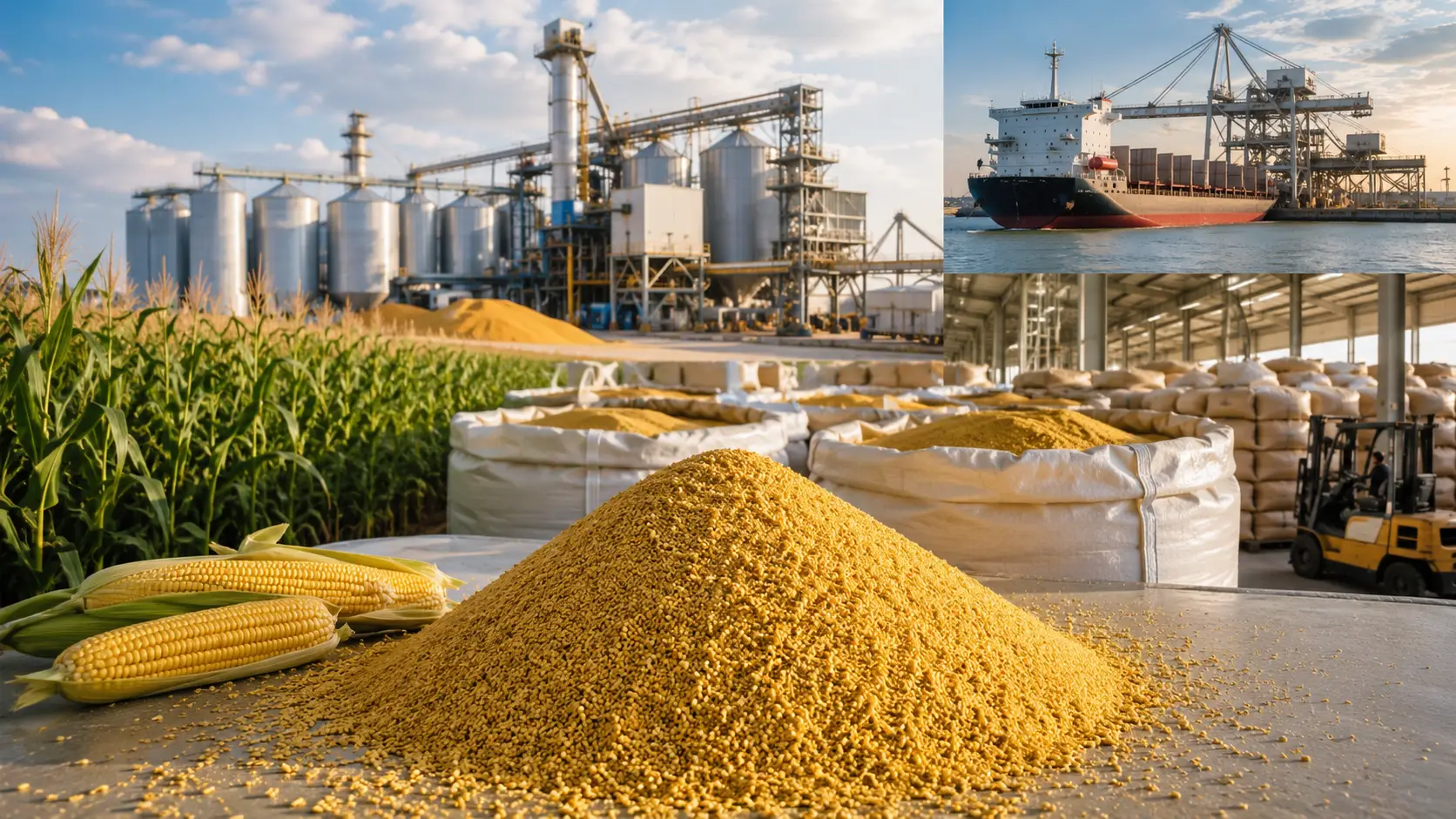
Corn gluten meal has become an important agricultural protein ingredient used by feed manufacturers seeking functional and cost-efficient nutritional solutions. Produced as a co-product during corn starch processing, corn gluten meal contains concentrated protein, amino acids, and energy components that make it suitable for various animal nutrition applications. According to technical information from the U.S. Department of Agriculture (USDA), corn processing generates valuable feed co-products that contribute significantly to agricultural supply chains and livestock production systems.
For commercial feed producers, corn gluten meal provides a plant-derived protein source that can complement other ingredients such as soybean meal, grains, and mineral additives. Its nutritional characteristics allow formulators to optimize feed performance while managing ingredient availability and production costs. Feed manufacturers commonly evaluate protein concentration, moisture content, digestibility, and consistency when selecting corn gluten meal suppliers.
Industrial Importance in Global Feed Supply Chains
The global animal feed industry continues to expand due to rising demand for meat, poultry, dairy, and aquaculture products. This growth increases the need for reliable sources of feed ingredients that support efficient livestock production. Based on industry analysis from the Food and Agriculture Organization (FAO), increasing livestock productivity requires stable access to high-quality feed resources and sustainable agricultural inputs.
Corn gluten meal plays a commercial role within this supply chain because it connects agricultural processing industries with downstream feed producers. Its availability depends on corn production volumes, processing capacity, and international commodity trading networks. Buyers often consider supplier reliability, export capability, and documentation standards when developing long-term sourcing relationships.
Quality Factors Influencing Buyer Decisions
Quality evaluation is a central factor for companies purchasing corn gluten meal in bulk quantities. Feed manufacturers typically assess specifications such as protein percentage, amino acid profile, contamination control, packaging options, and compliance with feed safety requirements. These parameters directly influence formulation accuracy and production efficiency.
According to the Association of American Feed Control Officials (AAFCO), standardized feed ingredient definitions and quality guidelines help ensure consistency within the animal feed sector. For international buyers, suppliers capable of providing transparent specifications and technical documentation have stronger commercial value in competitive markets.
Corn Gluten Meal Applications Across Animal Nutrition Industries
Poultry production represents one of the largest application areas for corn gluten meal due to the industry's continuous demand for protein-rich feed materials. Broiler and layer feed manufacturers use corn gluten meal as part of balanced formulations designed to support growth performance, nutrient efficiency, and overall flock productivity.
According to the National Chicken Council, global poultry production remains a major component of agricultural markets, creating ongoing demand for dependable feed ingredient supply chains. As poultry producers seek alternatives to traditional protein sources, corn gluten meal remains relevant as a complementary ingredient.
Corn gluten meal suppliers serving poultry feed producers must understand buyer expectations related to consistent quality, bulk availability, and logistics efficiency. Large-scale poultry operations often require suppliers capable of supporting recurring purchase volumes and international shipment requirements.
Livestock and Ruminant Feed Uses
Beyond poultry applications, corn gluten meal is also utilized in livestock nutrition programs, including cattle and dairy feed formulations. Its protein content and digestible nutrients support its role as a supplementary ingredient in feed programs designed for different animal production stages.
The dairy and beef industries increasingly focus on optimizing feed efficiency because feed represents one of the largest operational costs in livestock production. Corn gluten meal provides another sourcing option for nutrition specialists and feed formulators looking to diversify raw material inputs.
Technical resources from agricultural extension programs highlight the importance of balancing protein sources within livestock diets to achieve optimal animal performance. Therefore, buyers usually compare corn gluten meal with alternative protein ingredients based on nutritional value, pricing, and availability.
Aquaculture Feed Market Opportunities
Aquaculture represents another emerging application area where feed ingredient selection strongly influences production economics. Fish and aquatic animal producers require carefully formulated feeds containing appropriate protein sources to support growth and health.
As aquaculture production expands globally, feed manufacturers continue searching for dependable agricultural ingredients that can support large-scale production. Corn gluten meal may contribute to aquaculture feed formulations where plant-based protein components are incorporated alongside other nutritional materials.
According to FAO fisheries and aquaculture market reports, sustainable feed supply remains an important factor in the future development of aquaculture industries. This creates opportunities for suppliers positioned within global feed ingredient networks.
Market Demand and Growth Factors Driving Corn Gluten Meal Trade
The growth of global livestock and animal production continues to influence demand for agricultural feed ingredients such as corn gluten meal. Increasing consumption of poultry, meat, dairy, and aquaculture products encourages feed manufacturers to secure stable supplies of protein-rich raw materials. According to the Food and Agriculture Organization (FAO), global livestock systems depend heavily on efficient feed production networks to meet rising food demand.
Corn gluten meal benefits from its connection to the expanding corn processing industry, where increased corn utilization creates additional availability of valuable feed co-products. This relationship allows corn gluten meal to remain commercially relevant as feed producers search for alternatives that support nutritional requirements while maintaining cost competitiveness.
Market participants evaluate corn gluten meal not only as a nutritional ingredient but also as a strategic sourcing option. Buyers increasingly analyze supply continuity, regional availability, transportation costs, and supplier reliability when establishing procurement strategies for feed manufacturing operations.
Price Trends and Supply Chain Influences
Corn gluten meal pricing is influenced by several market factors, including corn production volumes, processing capacity, energy costs, transportation expenses, and global feed demand. Because it originates from corn wet milling operations, fluctuations in the agricultural commodity market can affect availability and pricing conditions.
Industry commodity analysis from the U.S. Department of Agriculture highlights the importance of agricultural production cycles and commodity trade conditions in shaping feed ingredient markets. Buyers typically monitor seasonal supply changes and regional production trends before committing to large-volume purchases.
For international buyers, sourcing decisions involve more than price comparison. Procurement teams assess supplier consistency, export experience, documentation capability, and the ability to maintain stable supply during changing market conditions.
Sustainability and Alternative Protein Ingredient Trends
Sustainability considerations are increasingly influencing decisions within the animal nutrition sector. Feed manufacturers are exploring agricultural co-products that improve resource efficiency by utilizing materials generated from existing food processing activities.
Corn gluten meal aligns with this approach because it represents a value-added ingredient derived from corn processing. By incorporating agricultural co-products into feed systems, manufacturers can diversify ingredient sources and improve utilization of agricultural resources.
According to research published by agricultural and food science institutions, efficient use of feed resources plays an important role in developing more sustainable livestock production systems. This trend supports continued interest in commercially available plant-based feed ingredients.
Key Buyers and Procurement Requirements for Corn Gluten Meal
The primary buyers of corn gluten meal are commercial feed manufacturers producing formulations for poultry, livestock, and aquaculture industries. These companies purchase ingredients in bulk quantities and require suppliers capable of meeting technical specifications and delivery schedules.
Large feed producers typically evaluate corn gluten meal suppliers based on product consistency, nutritional specifications, export documentation, and production capacity. Their procurement teams often compare multiple suppliers to ensure reliable ingredient availability and competitive commercial terms.
Corn gluten meal suppliers serving these buyers must understand industrial purchasing requirements rather than only product availability. Long-term relationships depend on transparency, technical support, and dependable supply chain coordination.
Livestock Producers and Agricultural Distributors
Large livestock operations and agricultural distributors represent another important buyer group. While some farms purchase directly, many rely on feed distributors that manage ingredient sourcing and regional supply networks.
Distributors often seek corn gluten meal suppliers that can provide flexible shipment options, consistent quality, and market-responsive pricing. Their role connects international producers with local feed manufacturers and agricultural businesses.
As agricultural markets become more interconnected, distributors increasingly require suppliers with strong export capabilities and the ability to support multiple geographic markets.
Supplier Evaluation and Global Sourcing Considerations
Professional buyers evaluate corn gluten meal suppliers through detailed technical and commercial assessments. Important considerations include product specifications, certificates, quality control procedures, packaging standards, and regulatory compliance.
According to AAFCO feed ingredient guidelines, accurate ingredient identification and quality assurance practices are essential for maintaining safety and consistency within animal feed production. International buyers therefore prioritize suppliers that provide reliable documentation and clear product information.
A well-prepared supplier profile helps procurement teams reduce sourcing risks and make faster purchasing decisions.
Logistics and Supply Reliability
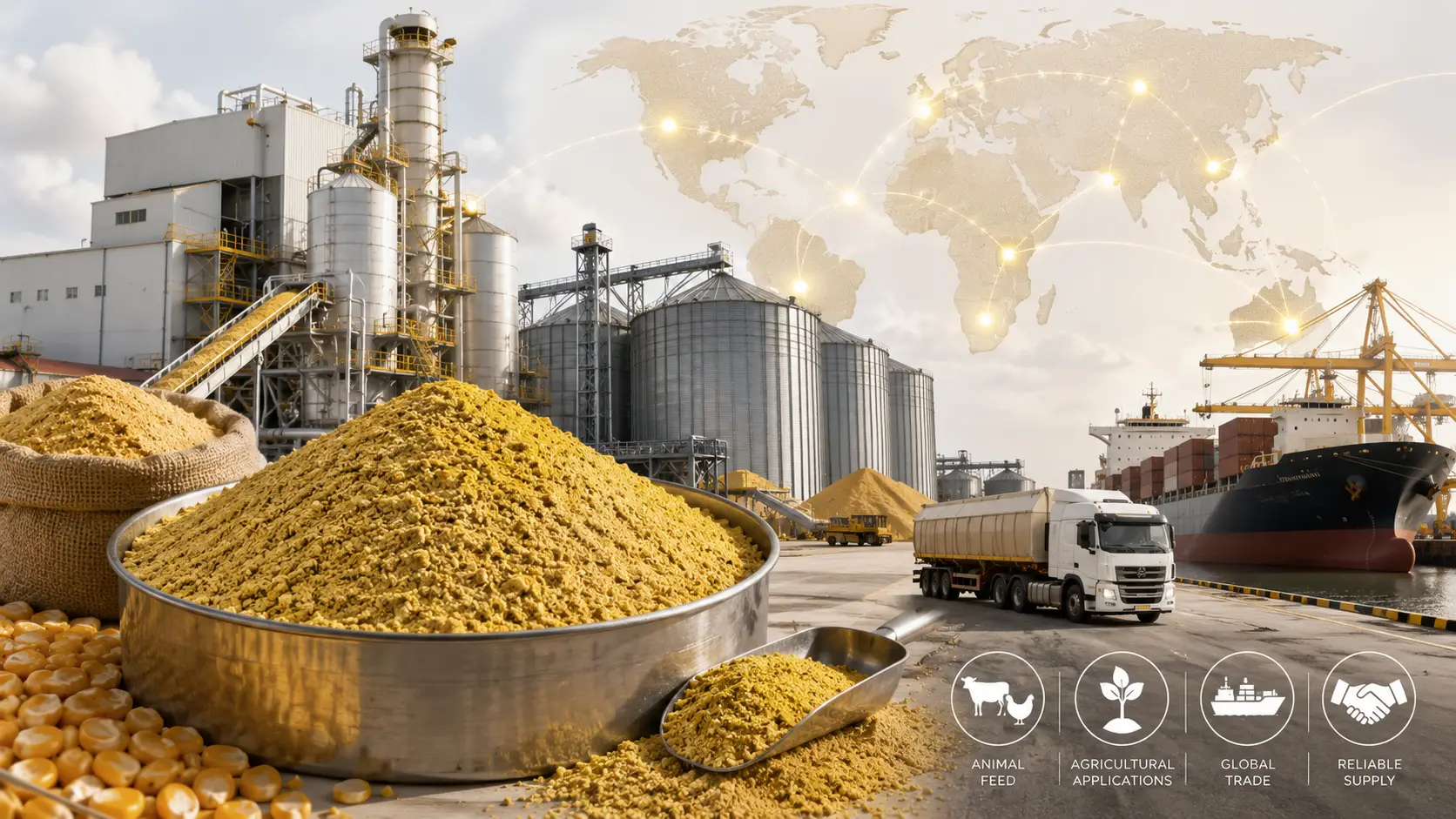
Global sourcing of corn gluten meal requires efficient logistics management because feed manufacturers depend on continuous ingredient availability. Buyers consider factors such as export experience, shipment planning, port accessibility, and supply continuity.
Reliable logistics support is particularly important for large feed producers operating under strict production schedules. Delays in raw material delivery can affect manufacturing efficiency and customer commitments.
B2B marketplaces help connect buyers with suppliers by providing structured product information, sourcing communication channels, and opportunities for international trade cooperation.
Commercial Opportunities in the Corn Gluten Meal Marketplace
The commercial importance of corn gluten meal extends beyond its nutritional function. In global trade, the product represents a connection between agricultural processing industries, feed manufacturers, distributors, and livestock producers.
Platforms such as Tradeasia / Chemtradeasia / Tradechem Marketplace support industrial buyers by improving access to international suppliers and helping businesses evaluate sourcing opportunities. Buyers can use marketplace information to compare product specifications, understand applications, and initiate supplier discussions.
A strong digital marketplace presence allows suppliers to communicate their capabilities while helping procurement teams identify suitable partners.
Supporting Future Feed Industry Requirements
Future demand for corn gluten meal will continue to depend on livestock production growth, feed innovation, and global agricultural supply conditions. Companies involved in animal nutrition require ingredients that combine availability, functionality, and commercial reliability.
For suppliers, understanding buyer priorities is essential for competing in international markets. Product quality, documentation, logistics capability, and responsive communication remain important factors influencing purchasing decisions.
Tradeasia International provides a platform approach that supports global sourcing activities by connecting industrial buyers with suppliers and facilitating business opportunities across agricultural ingredient markets.
Conclusion: Supporting Global Feed Ingredient Supply Chains
Corn gluten meal continues to hold commercial value as a functional protein ingredient supporting poultry, livestock, and aquaculture feed industries. Its role within agricultural supply chains demonstrates how food processing co-products can contribute to efficient animal nutrition systems.
According to FAO agricultural production analysis, reliable feed availability remains essential for global livestock development. As feed manufacturers continue optimizing ingredient sourcing strategies, corn gluten meal remains an important option for companies seeking dependable plant-based nutritional inputs.
For procurement teams, selecting the right corn gluten meal supplier requires evaluating quality standards, supply consistency, technical documentation, and international trading capabilities. Buyers increasingly prefer partners that understand industrial requirements and provide transparent sourcing solutions.
Tradeasia International supports global businesses by connecting buyers with reliable suppliers through its marketplace ecosystem, helping companies explore sourcing opportunities for agricultural ingredients such as corn gluten meal. Through market access, supplier connections, and commercial support, Tradeasia helps facilitate efficient B2B trade relationships.
Sources
https://www.fao.org/
https://www.usda.gov/
https://www.aafco.org/
Leave a Comment