Introduction to Canola Meal
Canola meal has become one of the world's most valuable plant-based protein ingredients used in commercial animal nutrition. Produced as a co-product after extracting oil from canola seeds, it delivers an excellent balance of protein, amino acids, fiber, and essential minerals that support efficient livestock production. As the global demand for sustainable protein sources continues to increase, canola meal has gained significant attention among feed manufacturers and agricultural supply chains.
Understanding the Commercial Value of Canola Meal
According to the Canola Council of Canada, modern canola meal contains approximately 36–38% protein, making it one of the most competitive alternatives to soybean meal for many livestock diets. Continuous improvements in seed breeding and processing technologies have enhanced nutritional quality while reducing anti-nutritional compounds, increasing its acceptance across multiple animal species.
The ingredient is widely incorporated into feed formulations for dairy cattle, beef cattle, poultry, swine, aquaculture, and specialty livestock. Nutritionists value its favorable amino acid profile, especially its methionine content, which supports healthy growth and production performance in commercial farming systems.
In today's feed industry, canola meal is not merely considered a by-product but an economically valuable raw material that contributes to sustainable feed production. Growing awareness of cost optimization and ingredient diversification continues to strengthen its position in international feed markets.
Nutritional Benefits and Industrial Applications
Canola meal serves numerous industrial applications because of its consistent nutritional profile, availability, and compatibility with modern feed formulations. Feed manufacturers frequently utilize it to reduce formulation costs while maintaining nutritional performance across different livestock categories.
Applications Across Livestock Feed Production
Technical information published by the Food and Agriculture Organization (FAO) highlights that protein-rich oilseed meals remain essential ingredients in balanced animal nutrition. Canola meal provides digestible protein together with phosphorus, sulfur-containing amino acids, and dietary fiber, supporting both animal health and feed efficiency.
The dairy industry commonly incorporates canola meal into rations because it supplies high-quality rumen-undegradable protein, helping improve milk production and protein yield. Beef producers also value the ingredient for supporting efficient weight gain and overall herd performance.
In poultry production, canola meal is increasingly included in feeds formulated for broilers and layers due to advances in processing that improve digestibility and nutrient availability. Swine nutrition programs also benefit from optimized inclusion rates that balance protein supply while controlling feed costs.
Aquaculture represents another emerging application where canola meal complements other plant-based proteins in feeds for fish species. Ongoing nutritional research continues to expand its commercial use as producers seek sustainable alternatives to traditional marine protein sources.
Growing Demand Across Global Feed Industries
The worldwide expansion of commercial livestock production continues to support increasing demand for canola meal. Rising consumption of meat, dairy products, eggs, and farmed seafood has encouraged feed manufacturers to diversify protein ingredient sourcing while improving supply chain resilience.
Market Drivers Supporting Industry Growth
Market analysis from the OECD-FAO Agricultural Outlook indicates that global feed demand is expected to grow steadily over the coming decade, driven by population growth, urbanization, and increasing protein consumption in emerging economies. These long-term trends create favorable conditions for continued utilization of oilseed meals, including canola meal.
Feed producers increasingly recognize canola meal as a cost-effective complement to soybean meal, particularly when fluctuations in soybean prices or supply availability affect procurement strategies. Its reliable production in major exporting countries such as Canada and Australia further strengthens its role in international feed ingredient trade.
Sustainability has also become a significant purchasing factor. Since canola meal is generated during vegetable oil production, its utilization contributes to circular agricultural practices by maximizing resource efficiency and reducing waste throughout the oilseed value chain.
Investment in feed technology, precision nutrition, and improved ingredient evaluation is expected to increase the adoption of canola meal across both developed and emerging livestock industries. As buyers seek dependable protein ingredients with competitive pricing, canola meal is well positioned for sustained commercial growth.
Key Buyer Groups and Procurement Considerations
Canola meal is purchased by a wide range of organizations involved in commercial animal nutrition. As livestock production becomes increasingly industrialized, procurement teams seek reliable protein ingredients that deliver consistent nutritional performance while supporting cost-efficient feed manufacturing. This has made canola meal an essential commodity within global feed supply chains.
Understanding Commercial Buyer Requirements
According to the United States Department of Agriculture (USDA), demand for protein meals is closely linked to expanding livestock populations and feed production. Major buyers include feed mills, integrated poultry companies, dairy cooperatives, swine producers, aquaculture feed manufacturers, livestock integrators, agricultural distributors, and international commodity traders.
Procurement professionals typically evaluate several factors before purchasing canola meal. These include crude protein content, moisture levels, fiber composition, glucosinolate concentration, digestibility, product consistency, packaging options, storage stability, country of origin, and compliance with international quality standards. Suppliers capable of providing Certificates of Analysis (COA), technical specifications, and traceable sourcing often gain a competitive advantage.
Price stability is another critical consideration. Buyers frequently compare multiple suppliers to secure competitive pricing while minimizing supply disruptions caused by seasonal production, logistics challenges, or fluctuations in agricultural commodity markets. Long-term contracts and dependable export capabilities are particularly valuable for manufacturers operating large-scale feed facilities.
As sustainability reporting becomes more important across the food supply chain, many procurement teams also consider responsible sourcing practices and environmental performance. Suppliers that maintain transparent operations and consistent product quality are increasingly preferred by multinational feed companies.
Regional Market Trends and Future Opportunities
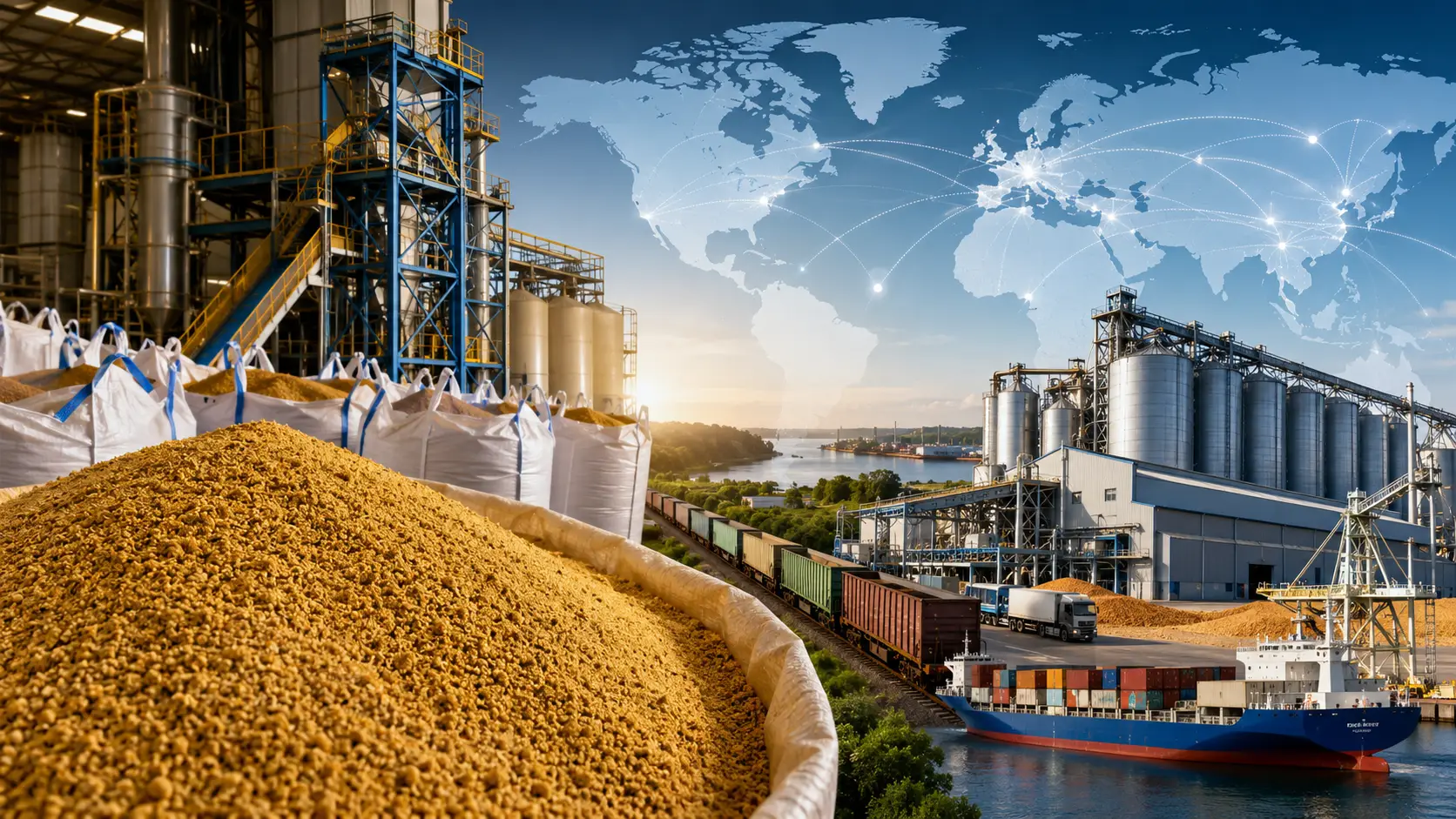
Regional production and consumption patterns continue to shape the international canola meal market. Major producing countries benefit from strong oilseed industries, while importing regions increasingly rely on global trade to satisfy rising demand for protein-rich feed ingredients.
Expanding Opportunities in International Markets
According to the Canola Council of Canada, Canada remains the world's leading exporter of canola products, supported by advanced crushing facilities and efficient export infrastructure. Australia also plays a significant role in supplying canola meal to Asia-Pacific markets, while Europe continues to produce substantial volumes through its rapeseed processing industry.
Rapid growth in livestock production across Southeast Asia, China, the Middle East, and parts of Africa is creating new opportunities for international suppliers. Rising incomes and increasing consumption of meat, dairy products, and aquaculture products have encouraged greater investment in commercial feed manufacturing, strengthening demand for high-quality plant protein ingredients such as canola meal.
Technological innovation is further improving the commercial outlook. Advances in plant breeding, seed genetics, oil extraction, and feed formulation continue to enhance nutritional value, enabling broader inclusion rates across poultry, swine, dairy, beef, and aquaculture diets. These developments help manufacturers improve feed efficiency while maintaining competitive production costs.
Looking ahead, the global market is expected to benefit from continued investments in sustainable agriculture, modern feed technology, and international trade networks. Companies capable of delivering consistent quality, reliable logistics, and technical support will be well positioned to capture growing demand from feed manufacturers and agricultural distributors worldwide.
Buyer Intent and B2B Sourcing Guide
Commercial buyers approach canola meal sourcing with objectives that extend beyond simply obtaining a protein ingredient. Their purchasing decisions are influenced by nutritional performance, supply reliability, regulatory compliance, and total procurement value. Understanding these priorities helps suppliers better serve the evolving needs of the global feed industry.
Supporting Smarter Procurement Decisions
Typical buyers include animal feed manufacturers, livestock integrators, dairy nutrition companies, poultry producers, swine operations, aquaculture feed producers, agricultural wholesalers, commodity traders, and import-export companies. These organizations require dependable supply chains capable of supporting continuous production schedules and fluctuating market demand.
Before selecting a supplier, procurement teams compare product specifications, manufacturing consistency, origin, logistics capabilities, documentation, packaging formats, production capacity, and commercial terms. They also assess supplier responsiveness, inventory availability, technical support, and the ability to fulfill long-term contractual requirements for international shipments.
A comprehensive product page supports sourcing decisions by providing detailed technical information, application guidance, quality specifications, packaging options, and export capabilities. Clear documentation allows procurement professionals to evaluate whether the product aligns with formulation requirements, regulatory standards, and operational objectives before initiating supplier discussions.
For companies sourcing through Tradeasia, Chemtradeasia, or the Tradechem Marketplace, access to reliable supplier networks, transparent product information, and international trade expertise can simplify procurement while improving supply chain efficiency. These platforms help connect manufacturers, distributors, and buyers with trusted sourcing solutions for high-quality canola meal across global markets.
Conclusion
The global canola meal market continues to expand as livestock producers and feed manufacturers seek sustainable, protein-rich ingredients that support animal performance and cost-efficient feed formulations. Its balanced nutritional profile, widespread availability, and compatibility with modern feed production have established canola meal as an important component in dairy, poultry, swine, beef, and aquaculture nutrition. Ongoing improvements in processing technology and plant breeding are expected to further enhance its commercial value and increase its adoption across international feed markets.
Growing demand for animal protein, combined with increasing emphasis on supply chain resilience and sustainable agriculture, is encouraging procurement teams to diversify their sourcing strategies. As a result, canola meal has become an attractive alternative or complementary ingredient to other oilseed meals, offering flexibility in feed formulation while helping manufacturers manage production costs and nutritional performance.
For B2B buyers, successful procurement depends on selecting suppliers that can consistently deliver high-quality products, transparent technical documentation, reliable logistics, and compliance with international quality standards. Evaluating product specifications, origin, production capacity, and export capabilities enables procurement teams to reduce sourcing risks and establish long-term supplier partnerships.
Tradeasia, Chemtradeasia, and the Tradechem Marketplace support these sourcing objectives by connecting global buyers with dependable suppliers of canola meal and other feed ingredients. Through extensive international networks, quality-focused sourcing, and professional trade services, these platforms help manufacturers, distributors, and procurement professionals secure reliable supply solutions for the evolving global animal nutrition industry.
Sources
https://www.canolacouncil.org
https://www.fao.org

Leave a Comment