Global Blood Meal Supply Chain: Sourcing Trends for Feed Markets
Introduction to the Global Blood Meal Supply Chain
Understanding Blood Meal as a Strategic Protein Ingredient
Blood meal is a high-protein animal-derived ingredient produced through the controlled processing and drying of animal blood collected from livestock processing facilities. With protein content commonly reaching 80–90%, blood meal has become an important raw material for industries requiring concentrated nitrogen and amino acid sources. The product plays a significant role in global animal feed supply chains, particularly where manufacturers seek efficient protein supplementation solutions.
The global supply chain for blood meal begins with livestock production and slaughterhouse operations, where collection systems, rendering facilities, and quality control processes determine the availability and consistency of supply. Unlike conventional agricultural feed materials, blood meal production depends heavily on the meat processing sector, making sourcing closely connected to regional livestock production volumes.
Role of Supply Chain Efficiency in Blood Meal Availability
Efficient supply chain management is essential because blood meal requires proper handling, processing, storage, and transportation to maintain product quality. Suppliers must ensure compliance with feed safety standards, including microbiological controls, moisture management, and documentation requirements for international trade.
For B2B buyers, selecting reliable blood meal suppliers involves evaluating production capacity, export experience, traceability systems, and logistics capabilities. Companies sourcing blood meal internationally increasingly prioritize suppliers that can provide stable volumes and consistent specifications throughout long-term procurement agreements.
Blood Meal Production and International Supply Networks
Blood meal production is concentrated in regions with established livestock processing industries, including North America, Europe, South America, and parts of Asia. Large-scale meat processing facilities provide the primary raw material base, allowing rendering companies to convert animal by-products into valuable protein ingredients.
The manufacturing process involves collecting animal blood, removing moisture through controlled heating, and producing a dry powder with high nutritional density. Advanced processing technologies help improve digestibility, reduce contamination risks, and meet the requirements of commercial feed producers.
Global Supply Chain Distribution Channels
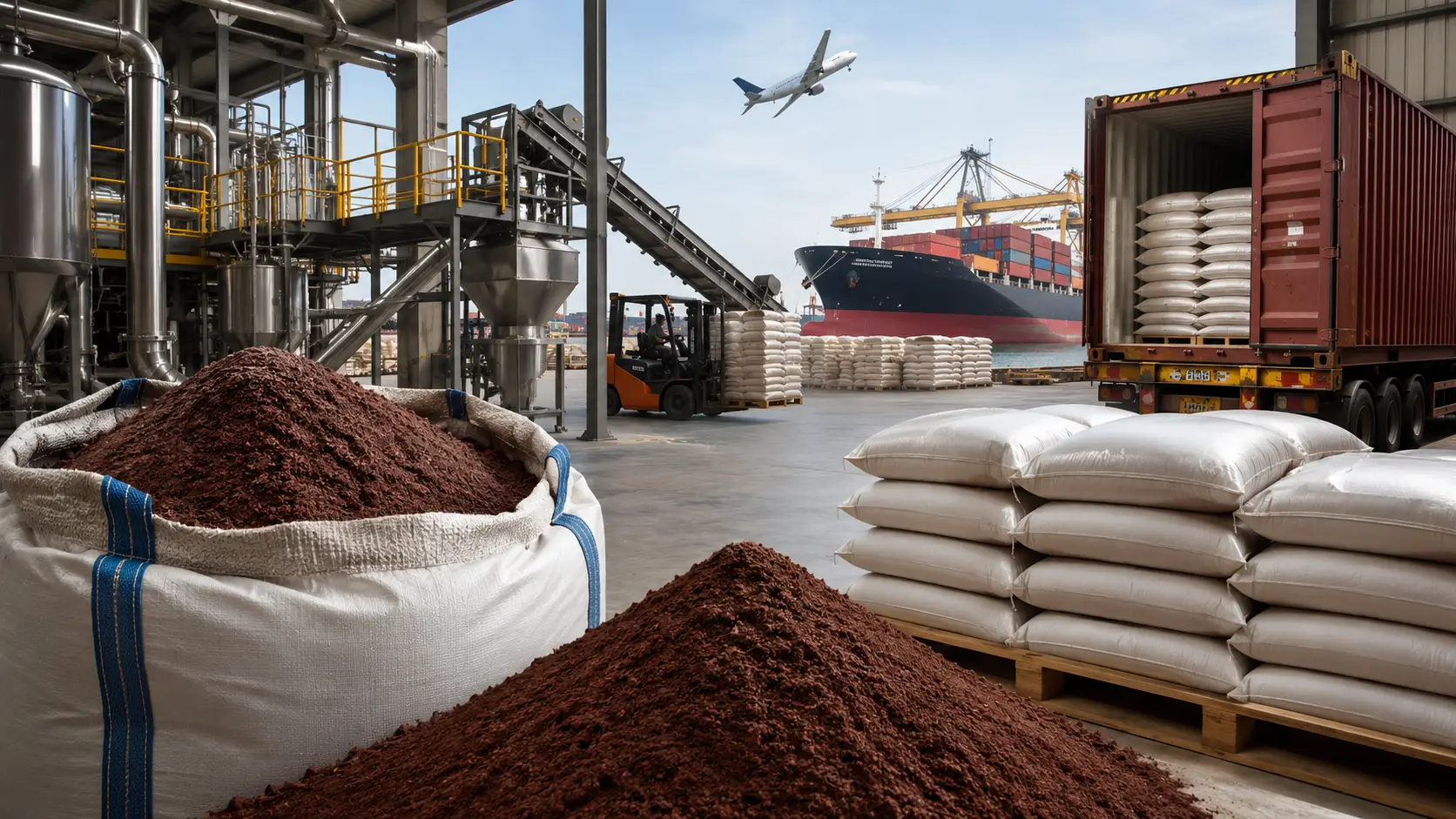
International blood meal supply chains operate through a network of rendering companies, exporters, distributors, and industrial buyers. Bulk shipments are typically transported through containerized logistics systems, with suppliers managing export documentation, quality certificates, and regulatory compliance.
Market participants estimate that global demand for animal protein ingredients continues to grow alongside expanding livestock production. Blood meal pricing is influenced by raw material availability, energy costs, transportation expenses, and regional demand conditions, with industrial-grade supplies commonly traded within the USD 600–1,200 per metric ton range depending on specifications and market conditions.
Market Applications Driving Blood Meal Demand
The primary application of blood meal is in animal feed formulations, where it serves as a concentrated protein source for livestock, poultry, aquaculture, and specialty feed products. Feed manufacturers use blood meal to improve protein levels, amino acid balance, and nutritional efficiency in formulated diets.
The high nitrogen content of blood meal makes it especially valuable in feed applications requiring concentrated nutrients. Poultry producers, aquaculture companies, and livestock feed manufacturers represent major buyer segments seeking dependable supply channels for high-quality protein ingredients.
Agricultural Fertilizer and Soil Enhancement Uses
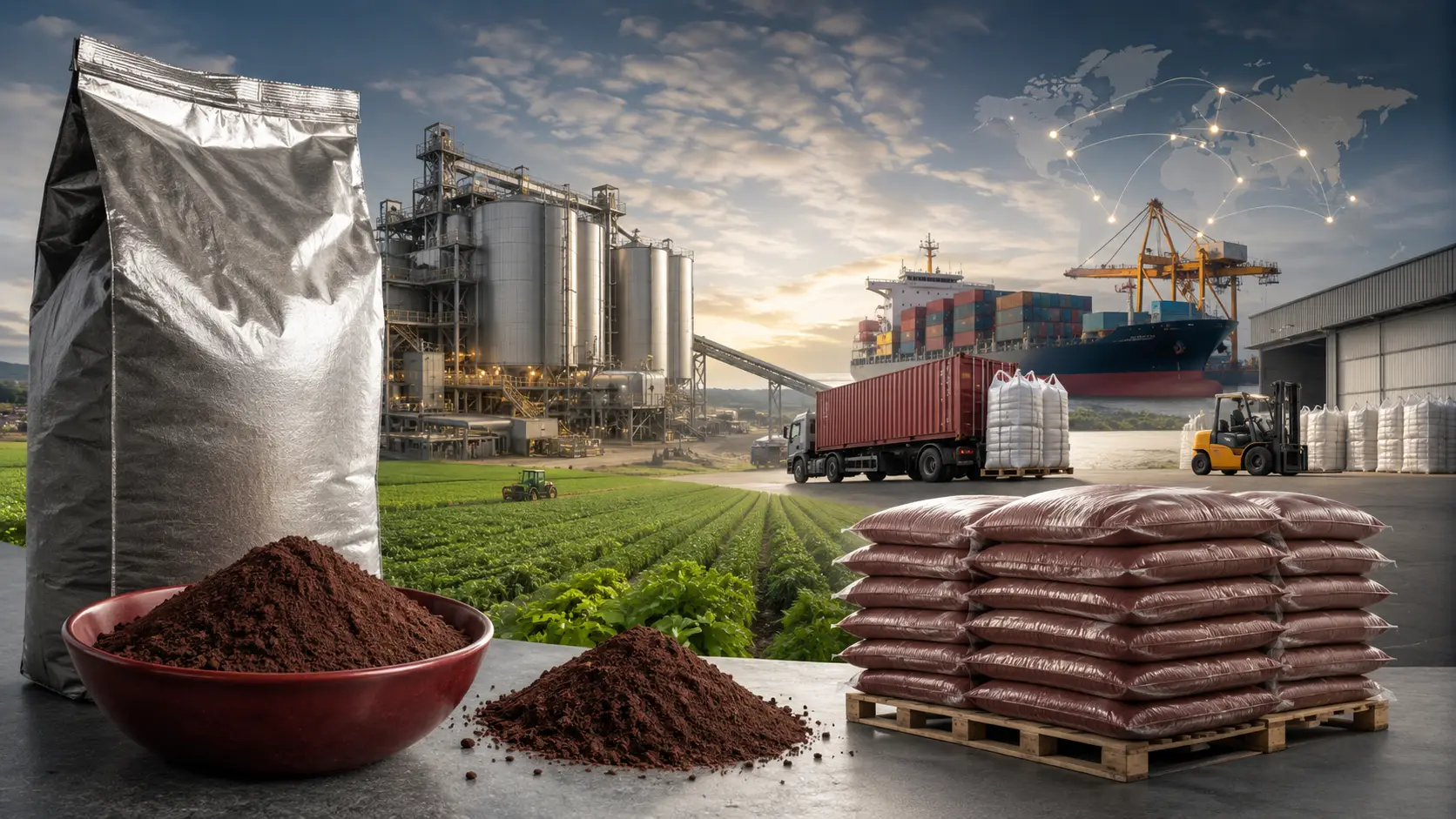
Beyond animal nutrition, blood meal is also utilized as an organic fertilizer ingredient due to its high nitrogen concentration. Agricultural producers use it to support plant growth and improve soil nutrient availability in organic farming systems.
Demand from sustainable agriculture markets has created additional opportunities for blood meal suppliers. Buyers in this sector focus on natural nutrient sources, responsible sourcing practices, and suppliers capable of meeting organic farming requirements.
Key Buyers and Procurement Requirements for Blood Meal
Major blood meal buyers include animal feed manufacturers, livestock nutrition companies, agricultural distributors, and fertilizer producers. These organizations typically purchase through long-term contracts, bulk import agreements, or established supplier partnerships to secure consistent availability.
Procurement teams evaluate suppliers based on protein specifications, product quality, certifications, packaging options, and delivery reliability. For multinational buyers, supplier transparency and international compliance are increasingly important factors in sourcing decisions.
Quality Standards and Buyer Expectations
Quality assurance is a critical component of blood meal procurement. Buyers commonly require documentation related to origin, processing methods, nutritional analysis, and safety testing. Consistent product specifications help manufacturers maintain stable formulations and avoid production disruptions.
Suppliers that provide reliable technical documentation and responsive customer support gain stronger positions in competitive B2B markets. Traceability and quality management systems are becoming key differentiators for international blood meal suppliers.
Global Trade Challenges and Supply Chain Management
The international blood meal trade faces regulatory challenges because animal-derived products are subject to strict import controls in many countries. Exporters must comply with veterinary regulations, customs requirements, and destination market standards.
Transportation conditions also influence supply chain performance. Proper packaging, moisture protection, and efficient shipping coordination are necessary to prevent quality deterioration during long-distance delivery.
Managing Supply Risks
Supply risks in the blood meal market are linked to livestock industry fluctuations, seasonal production changes, regulatory developments, and logistics disruptions. Buyers increasingly diversify supplier networks to reduce dependency on limited sources.
Strategic sourcing approaches, including multi-region supplier partnerships and demand forecasting, help companies maintain stable access to blood meal while managing market volatility.
Strategic Sourcing Opportunities in the Blood Meal Market
Successful blood meal procurement depends on developing relationships with suppliers that have strong production capabilities and international trade experience. Buyers benefit from working with partners that understand technical requirements, documentation procedures, and delivery expectations.
Global marketplaces and specialized industrial trading platforms provide opportunities for connecting buyers with qualified blood meal suppliers. These platforms improve sourcing efficiency by creating access to verified producers and international supply networks.
Optimizing Procurement Strategies
Procurement teams can improve sourcing outcomes by comparing supplier capabilities, evaluating logistics options, and monitoring market pricing trends. Effective supplier selection helps companies achieve competitive costs while maintaining product quality.
For businesses operating in animal feed and agricultural industries, establishing a stable blood meal supply chain supports production continuity and long-term market competitiveness.
Future Outlook and Conclusion for Blood Meal Supply Growth
The future blood meal market is expected to benefit from increasing demand for sustainable feed ingredients and efficient utilization of animal by-products. Growing livestock production, rising protein consumption, and interest in circular economy practices are supporting continued market development.
Technological improvements in rendering processes and quality management systems are also expected to strengthen global supply reliability. Suppliers investing in processing efficiency and compliance capabilities will be better positioned to serve international buyers.
Tradeasia as a Global Supply Solution Partner
As global industries continue searching for dependable sources of animal feed ingredients, blood meal remains an important product within the international protein supply chain. Reliable sourcing requires strong supplier networks, quality assurance, and efficient trade management.
Tradeasia International supports global B2B procurement by connecting buyers with industrial suppliers and facilitating efficient sourcing solutions across international markets. Through marketplace expertise and supply chain capabilities, companies can access dependable blood meal solutions for feed and agricultural applications.
Sources
https://www.fao.org
https://www.aafco.org
https://www.usda.gov
Leave a Comment