Blood Meal Sourcing Guide: Supply Chain Insights for Global B2B Buyers
What Is Blood Meal and Why Does It Matter
Blood meal is a protein-rich by-product obtained through the collection, processing, drying, and sterilization of animal blood from slaughterhouse operations. It has become a commercially valuable ingredient because of its high protein concentration and nutrient profile. Rather than being treated as waste, blood meal is increasingly integrated into agricultural and feed value chains.
The commercial importance of blood meal continues to grow as industries seek sustainable methods for utilizing animal processing by-products. Resource efficiency and circular production practices have encouraged wider adoption of products that can convert waste streams into economically useful materials.
Understanding Product Characteristics
According to technical information published by the Food and Agriculture Organization, animal by-products play a major role in improving agricultural efficiency and resource recovery within global food systems. Blood meal offers concentrated nitrogen and amino acid content that makes it useful across several industrial sectors.
The material is commonly processed into powder form to improve storage stability, transportation efficiency, and integration into manufacturing systems. Standardization and quality consistency have become important factors for industrial buyers seeking dependable supply.
Blood Meal Applications Across Industries
Blood meal serves multiple industrial applications because of its nutritional and functional characteristics. It is frequently used in animal nutrition, agriculture, and specialty industrial sectors where protein and nitrogen content are valued.
Industrial diversification has expanded demand because companies increasingly seek alternative materials that support cost optimization and sustainability targets. Different sectors may require variations in specifications depending on intended use.
Major End-Use Industries
According to agricultural information published by the United States Department of Agriculture, nutrient-rich organic materials continue to gain attention as agricultural systems focus on productivity and sustainable practices.
In animal feed applications, blood meal can serve as a protein source in livestock and aquaculture formulations. Within agriculture, it is widely used as an organic nitrogen fertilizer because of its nutrient concentration. Specialty sectors may also integrate blood-derived materials into technical applications requiring biological proteins.
Market Trends and Global Demand Drivers
Blood meal markets continue evolving due to shifts in agriculture, livestock production, and sustainability requirements. Global supply chains increasingly favor products that support resource efficiency while reducing production waste.
Demand trends are also influenced by the growth of intensive livestock production systems and rising interest in organic farming inputs. These developments create procurement opportunities for distributors and industrial buyers.
Emerging Market Drivers
Market analysis published by organizations covering agricultural commodity trends indicates that protein ingredients and organic nutrient products continue seeing wider commercial interest across multiple regions.
Growth in sustainable farming practices and circular economy initiatives has encouraged greater utilization of animal processing by-products. Companies seeking environmentally responsible sourcing strategies increasingly evaluate products that support waste reduction objectives.
Key Buyer Groups and Procurement Intent
Blood meal purchasing decisions vary depending on industrial requirements, production scale, and end-use applications. Buyers often include organizations seeking reliable protein ingredients or agricultural nutrient inputs.
Procurement teams increasingly balance cost, quality consistency, and supply continuity when selecting suppliers. Long-term purchasing strategies have become more important because interruptions in raw material availability can affect downstream production.
Understanding Buyer Intent
According to procurement studies published by supply chain research organizations, industrial buyers prioritize product quality and supplier reliability when evaluating sourcing opportunities.
Typical buyers include animal feed manufacturers, fertilizer producers, agricultural distributors, livestock nutrition companies, and commodity traders. Procurement teams commonly assess protein levels, nutrient consistency, moisture specifications, regulatory compliance, and logistics capability. Buyers compare suppliers because pricing, quality assurance systems, and regional availability can significantly influence purchasing outcomes. Product pages on B2B marketplaces support sourcing decisions by consolidating specifications, supply availability, and supplier information into a centralized environment.
Supply Chain and Sourcing Considerations
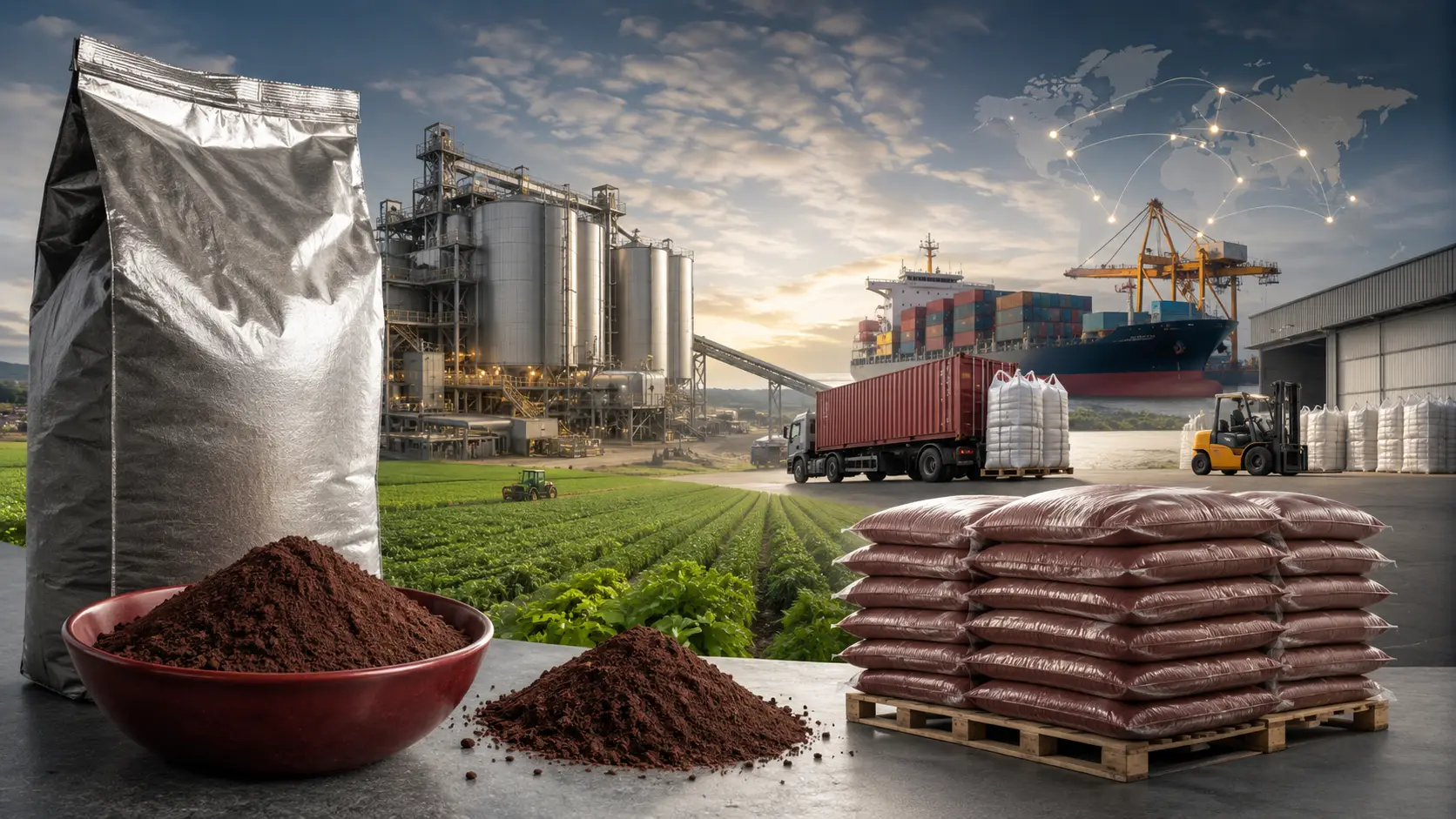
Blood meal supply chains involve several processing stages beginning with raw material collection and extending to processing, quality control, storage, and international distribution. Efficient management across these stages can influence cost and product consistency.
Regional production patterns often depend on livestock processing activity, agricultural demand, and export infrastructure. Supply availability can therefore vary according to geographic conditions and seasonal factors.
Factors Influencing Supply Reliability
According to industry discussions published by organizations focused on agricultural sustainability, supply chain resilience remains a key factor for industrial procurement planning.
Buyers increasingly evaluate supplier certifications, production capacity, traceability systems, and export experience. Companies seeking long-term contracts often prioritize suppliers with stable operational capabilities and quality management systems that minimize procurement risks.
Supplier Evaluation and Procurement Strategy
Successful sourcing strategies require more than evaluating price alone. Industrial procurement teams increasingly apply broader criteria to reduce operational risks and maintain supply continuity.
The complexity of global supply chains means that purchasing teams frequently develop structured evaluation methods for supplier selection and performance management.
Building Effective Procurement Frameworks
According to supply chain research from industry institutions, strategic sourcing practices improve operational efficiency and strengthen supplier relationships across industrial sectors.
Organizations often evaluate manufacturing consistency, technical support, regulatory documentation, logistics performance, and responsiveness during supplier selection. B2B marketplaces provide value because they enable buyers to compare supplier profiles, review specifications, and identify potential sourcing partners through centralized platforms.
Conclusion: Building Reliable Blood Meal Supply Networks
Blood meal continues to develop as a commercially important product because of its role across animal nutrition and agricultural industries. Growing attention toward sustainability and resource efficiency supports broader adoption within industrial markets.
Market developments indicate that sourcing strategies will increasingly focus on quality, supply resilience, and compliance requirements. Companies that establish dependable procurement processes may improve long-term competitiveness.
Future Outlook for Procurement Teams
Based on continuing developments in agriculture and industrial processing sectors, buyers are expected to place greater emphasis on transparency and supply chain performance.
Organizations operating in feed, agriculture, and ingredient markets may benefit from sourcing partnerships that combine product quality with operational reliability. Strong supplier relationships can support business continuity and long-term growth opportunities.
Sources
Food and Agriculture Organization (FAO)
United States Department of Agriculture (USDA)
World Organisation for Animal Health (WOAH)

Leave a Comment