Understanding Blood Meal and Its Commercial Importance
Blood meal is a high-protein by-product produced through the collection, processing, and drying of animal blood generated during livestock processing operations. It has become an important commodity in agricultural and feed-related industries due to its concentrated nutrient profile and commercial value.
According to technical information published by the United States Department of Agriculture (USDA), animal-derived protein products continue to play an important role in supporting agricultural productivity and nutrient recycling across supply chains.
Blood Meal Production and Characteristics
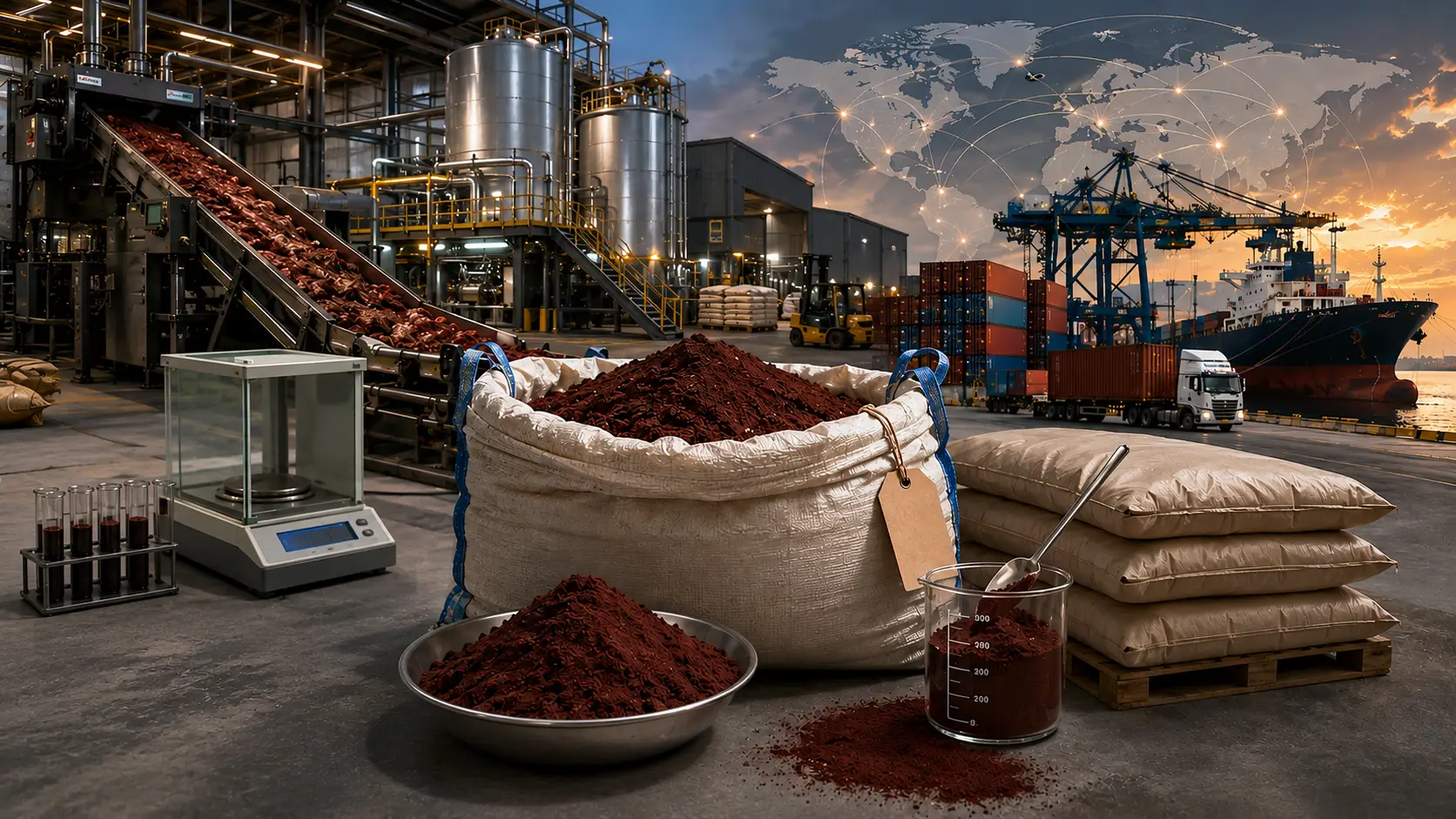
The production process typically involves coagulation, sterilization, drying, and milling to create a stable powder that can be transported and stored efficiently. The resulting product contains significant levels of protein and nitrogen, making it attractive for both feed and fertilizer applications.
Blood meal is often valued by procurement teams because it transforms a livestock processing by-product into a commercially useful agricultural input, supporting circular economy objectives while creating additional revenue opportunities throughout the value chain.
Major Industrial Applications Driving Demand
The commercial demand for blood meal is largely influenced by its use in animal nutrition and agricultural production systems. Its nutrient density makes it suitable for industries seeking cost-effective protein and nitrogen sources.
According to research published by the Food and Agriculture Organization (FAO), animal by-products continue to contribute significantly to feed ingredient availability and agricultural resource efficiency in many global markets.
Animal Feed Applications
Blood meal is widely utilized in feed formulations where high protein concentration is required. Livestock feed manufacturers may incorporate blood meal into specialized formulations depending on regional regulations, nutritional requirements, and production objectives.
Organic Fertilizer Applications
The fertilizer industry uses blood meal as a natural nitrogen source that supports plant growth and soil fertility. Demand from organic and specialty agriculture markets has increased interest in animal-derived nutrient products that align with sustainable farming practices.
Blood meal's dual functionality in feed and fertilizer sectors creates diversified demand, helping maintain market relevance across multiple agricultural supply chains and reducing dependence on a single end-use industry.
Global Market Trends and Industry Outlook
Global interest in resource efficiency, nutrient recovery, and sustainable agricultural inputs continues to shape the blood meal market. Demand patterns often correlate with livestock production volumes, feed consumption trends, and fertilizer requirements.
Market analysis published by organizations such as the Organisation for Economic Co-operation and Development (OECD) and FAO highlights continued growth in agricultural production, which supports long-term demand for nutrient-rich feed and fertilizer ingredients.
Sustainability and Circular Economy Trends
Agricultural industries increasingly prioritize waste reduction and by-product utilization. Blood meal aligns with these objectives by converting livestock processing outputs into value-added commercial products rather than disposal streams.
Regional Demand Dynamics
Demand varies across regions depending on livestock production levels, fertilizer consumption, regulatory frameworks, and agricultural development. Emerging markets often present new opportunities as commercial farming operations expand and seek efficient nutrient solutions.
These factors collectively position blood meal as a strategically important product within agricultural input markets, particularly where sustainability and nutrient efficiency remain key purchasing priorities.
Supply Chain Structure and Sourcing Considerations
Blood meal supply chains begin with livestock processing facilities and continue through rendering operations, quality control processes, logistics providers, distributors, and end users. Effective supply chain management is critical for maintaining consistent product quality and availability.
According to industry guidance from rendering associations and agricultural trade organizations, quality assurance and traceability have become increasingly important for buyers seeking reliable long-term suppliers.
Key Factors Affecting Supply Availability
Raw material availability depends largely on livestock processing volumes and regional production capacity. Seasonal fluctuations, disease control measures, transportation conditions, and export regulations may influence market supply and pricing.
Quality and Compliance Requirements
Procurement teams frequently assess protein content, nitrogen levels, moisture specifications, microbiological safety standards, and regulatory compliance when evaluating suppliers. Documentation and traceability can significantly impact supplier selection decisions.
Reliable sourcing strategies often involve establishing relationships with experienced manufacturers and distributors capable of supporting consistent quality standards and international trade requirements.
Buyer Intent and Procurement Evaluation Factors
Blood meal buyers typically include feed manufacturers, fertilizer producers, agricultural input suppliers, distributors, commodity traders, and large farming operations. Their purchasing decisions are influenced by both technical and commercial considerations.
According to procurement best practices outlined by agricultural industry associations, supplier reliability and product consistency are among the most important factors affecting long-term sourcing agreements.
What Procurement Teams Evaluate
Buyers commonly evaluate product specifications, production capacity, supply reliability, certifications, logistics capabilities, pricing structures, and export experience before making purchasing commitments.
Why Buyers Compare Suppliers
Supplier comparisons help organizations reduce procurement risk while optimizing cost, quality, and delivery performance. Buyers often seek partners capable of supporting stable supply volumes and transparent documentation throughout the sourcing process.
A comprehensive product page on a B2B marketplace supports sourcing decisions by providing technical information, supplier visibility, inquiry channels, and commercial transparency that facilitate efficient procurement processes.
Opportunities for Suppliers, Traders, and Distributors
Growing demand for sustainable agricultural inputs creates opportunities for companies involved in blood meal production and distribution. Market participants that prioritize quality, consistency, and supply chain transparency may gain competitive advantages.
Industry observations from global agricultural trade organizations indicate that international buyers increasingly seek dependable sourcing partners capable of meeting both regulatory and commercial requirements.
Expanding International Trade Channels
Digital B2B marketplaces have expanded access between suppliers and buyers across regions. These platforms enable manufacturers and distributors to reach procurement teams seeking alternative sources and diversified supply networks.
Value Creation Through Supply Chain Partnerships
Strategic partnerships between processors, traders, distributors, and end users can improve inventory planning, market responsiveness, and supply reliability. Collaborative supply chains often strengthen competitiveness in evolving agricultural markets.
Companies that invest in quality assurance, compliance management, and international trade capabilities are better positioned to capitalize on growing demand across feed and fertilizer sectors.
Conclusion
Blood meal remains an important agricultural commodity with applications across animal feed and fertilizer industries. Its value stems from its nutrient-rich composition, commercial versatility, and contribution to resource-efficient production systems.
As global agriculture continues to emphasize sustainability, nutrient recovery, and supply chain resilience, blood meal is expected to maintain relevance among manufacturers, distributors, traders, and procurement teams seeking dependable agricultural inputs.
Organizations evaluating blood meal sourcing opportunities should focus on supplier quality, regulatory compliance, logistics capabilities, and long-term supply reliability to achieve successful procurement outcomes in competitive global markets.
Sources
https://www.usda.gov
https://www.fao.org
https://www.oecd.org

Leave a Comment