Bakery Meal Supply Chain Insights for Global Buyers and Suppliers
Understanding Bakery Meal in the Global Ingredient Market
Bakery Meal as a Traded Industrial Ingredient
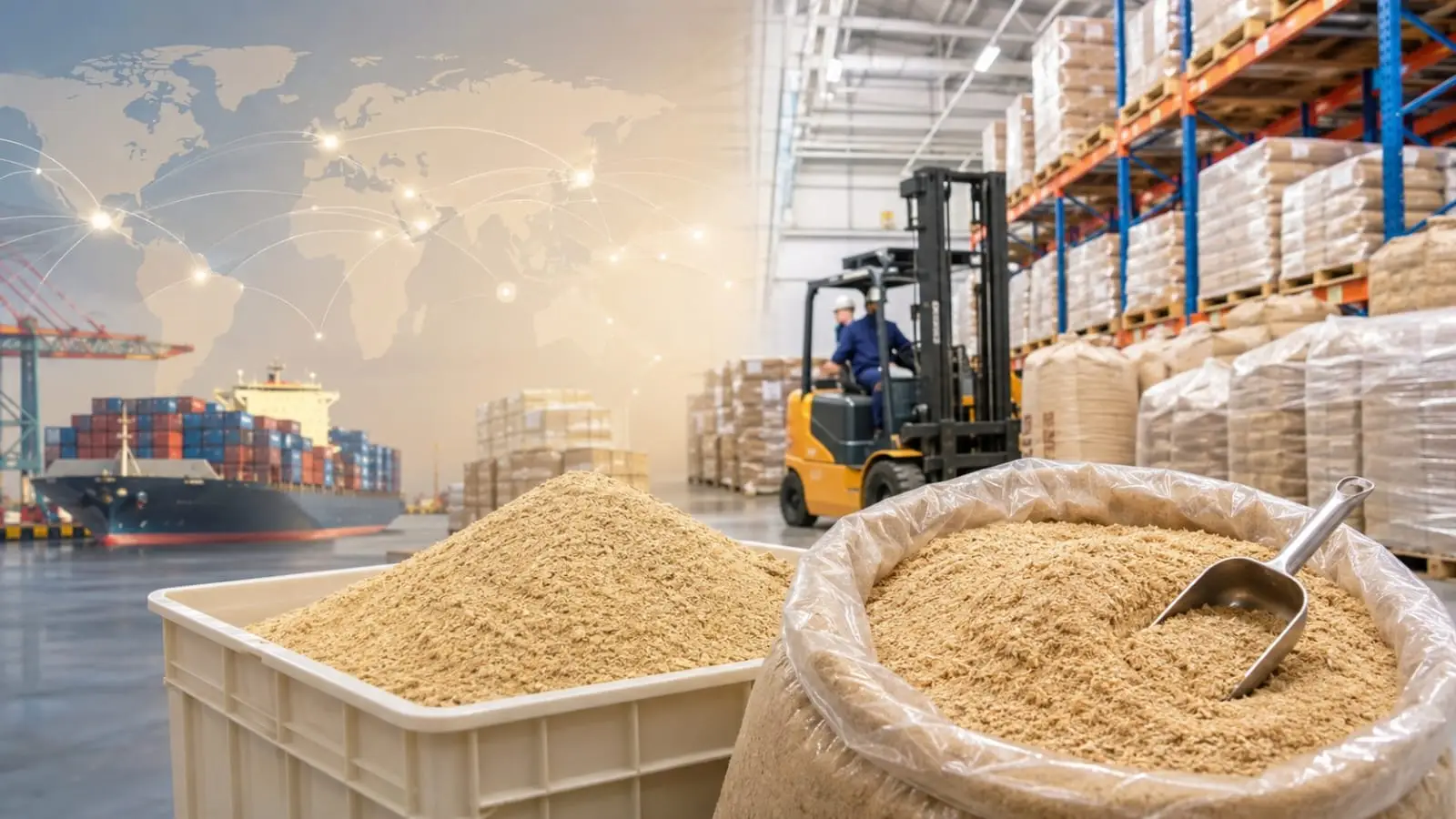
Bakery meal represents an important category of processed ingredient materials used within industrial supply chains. For B2B buyers, understanding the commercial role of bakery meal requires looking beyond the product itself and considering availability, consistency, logistics, and supplier reliability.
In global ingredient markets, bakery meal sourcing is closely connected to food processing networks and the efficient utilization of processed materials. Businesses purchasing bakery meal often evaluate supply continuity, documentation, and the ability of suppliers to support long-term procurement requirements.
The Role of Supply Networks in Bakery Meal Availability
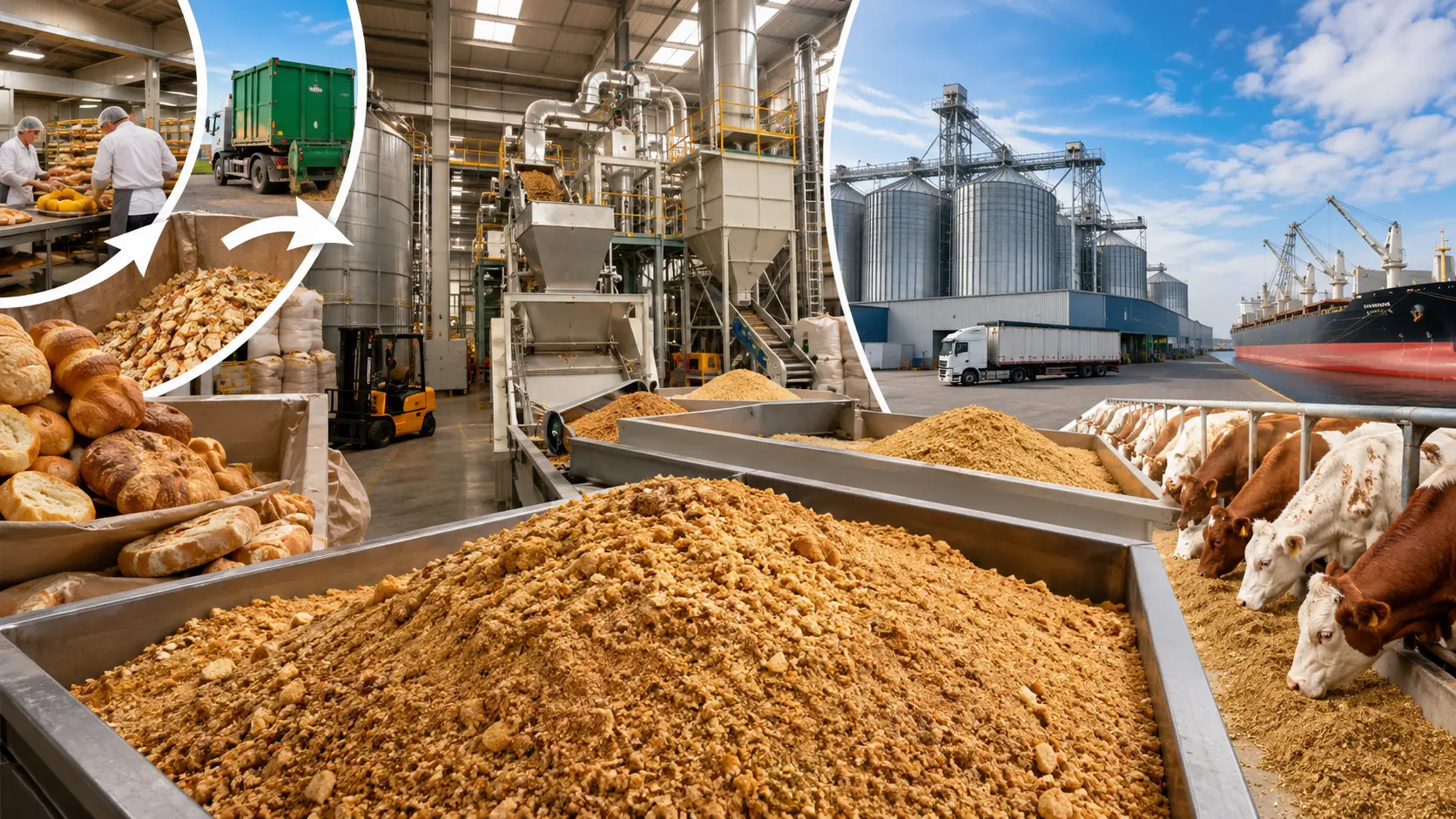
The availability of bakery meal depends on multiple stages, including raw material collection, processing, storage, transportation, and distribution. A stable supply network allows manufacturers and distributors to maintain predictable purchasing cycles and reduce operational interruptions.
For international buyers, supply chain transparency has become increasingly important. Ingredient markets require suppliers that can provide consistent communication, dependable logistics coordination, and commercial support throughout the sourcing process. Feed safety guidance from organizations such as FAO highlights the importance of managing safety across the feed and ingredient value chain.
Bakery Meal Applications Across Industrial Feed Sectors
Bakery meal is commonly positioned as an ingredient for industrial feed formulations. Manufacturers assess ingredients based on nutritional contribution, formulation requirements, availability, and compatibility with production systems.
Feed producers and distributors consider bakery meal as part of broader ingredient strategies designed to balance supply, cost management, and formulation flexibility. Commercial suppliers must therefore understand the technical expectations of feed manufacturers and provide suitable sourcing solutions.
Supporting Diverse Buyer Requirements
Different buyers may require bakery meal for different operational purposes, including feed production, ingredient distribution, or industrial trading activities. Each application creates different purchasing requirements related to volume, packaging, delivery schedules, and supplier documentation.
A supplier capable of supporting multiple buyer profiles can create stronger business relationships within international markets. This flexibility is particularly valuable for companies operating across different regions and industrial sectors.
Supply Chain Factors Influencing Bakery Meal Procurement
Efficient logistics management is a major factor in bakery meal procurement. Buyers need suppliers that can coordinate transportation, inventory planning, and delivery timelines to support uninterrupted operations.
International ingredient trading requires attention to shipment planning, storage conditions, and regional market requirements. A well-managed logistics process helps reduce delays and improves supply reliability for manufacturers and distributors.
Supplier Network Development
Building a dependable bakery meal supply chain requires cooperation between producers, traders, logistics providers, and end users. Strong supplier networks allow businesses to respond more effectively to changes in demand and market conditions.
For companies using B2B marketplaces, supplier discovery becomes easier when product information, sourcing capabilities, and commercial requirements are clearly communicated. Digital trading platforms help connect buyers with potential partners across international markets.
Market Opportunities and Buyer Considerations for Bakery Meal
Industrial buyers increasingly focus on sourcing strategies that improve efficiency, cost control, and supply security. Bakery meal markets benefit from this trend because businesses continue searching for reliable ingredient options within global supply networks.
Market participants evaluate suppliers based on factors such as consistency, commercial terms, export capability, and responsiveness. These considerations influence purchasing decisions more than product availability alone.
Buyer Evaluation Criteria
Procurement teams typically analyze several elements before selecting bakery meal suppliers. These include supplier experience, documentation practices, production capability, and ability to meet required delivery schedules.
A professional sourcing approach helps buyers reduce procurement risks while creating stronger relationships with suppliers. In global trade environments, supplier qualification remains an essential part of successful purchasing strategies.
Selecting Reliable Bakery Meal Suppliers and Trading Partners
Choosing the right bakery meal supplier requires careful evaluation of business capabilities and supply chain performance. Buyers should consider supplier reputation, communication quality, export experience, and ability to provide consistent supply.
Supplier verification supports long-term partnerships by helping businesses identify reliable trading partners rather than focusing only on short-term pricing advantages.
Using B2B Marketplaces for Global Connections
B2B marketplaces provide companies with opportunities to discover suppliers, compare sourcing options, and develop international business relationships. Platforms focused on industrial trade help buyers access broader supplier networks.
For distributors and procurement teams, marketplace-based sourcing can improve efficiency by simplifying supplier searches and creating better visibility into available commercial opportunities.
Quality, Compliance, and Risk Management in Bakery Meal Sourcing
Quality management is a critical component of ingredient sourcing. From processing facilities to transportation systems, every stage of the supply chain contributes to maintaining product reliability.
International organizations emphasize the importance of controlling risks throughout feed and ingredient chains, including production, storage, transport, and distribution processes.
Managing Procurement Risks
Procurement risks may include supply interruptions, inconsistent specifications, logistics challenges, and changing market conditions. Buyers can reduce these risks by developing multiple sourcing options and maintaining clear supplier communication.
A structured sourcing strategy enables companies to respond more effectively to market fluctuations while maintaining operational stability.
Future Outlook for Bakery Meal Trade and B2B Market Growth
The global ingredient marketplace continues to evolve as businesses seek efficient sourcing channels and reliable international suppliers. Bakery meal trading opportunities are influenced by demand from industrial users, distribution networks, and companies seeking supply chain optimization.
Digital commerce platforms are expected to continue supporting connections between buyers and suppliers by improving market visibility and procurement efficiency.
Building Sustainable Supply Partnerships
Future growth in bakery meal markets will depend on strong relationships between suppliers, traders, and industrial buyers. Companies that prioritize transparency, quality management, and reliable logistics will be better positioned to compete.
For organizations seeking bakery meal sourcing solutions, developing strategic partnerships remains essential. A dependable supply chain provides the foundation for consistent business growth and long-term market participation.
Sources
https://www.fao.org/fao-who-codexalimentarius/thematic-areas/animal-feed/en/
https://ifif.org/
Leave a Comment