Global Bakery Meal Supply Chain Opportunities for Feed Manufacturers
Introduction to the Global Bakery Meal Supply Chain Market
Understanding Bakery Meal as a Feed Ingredient
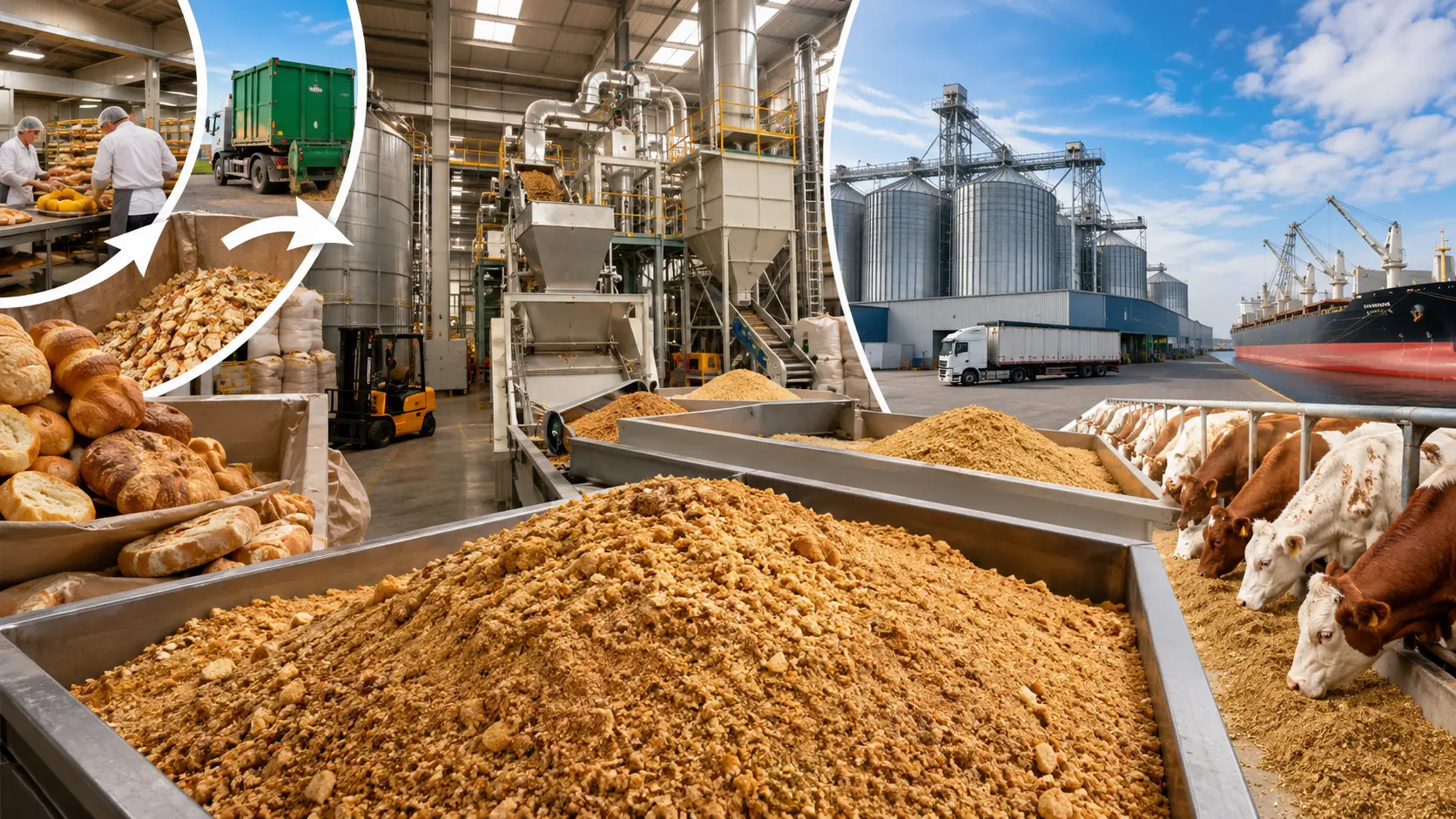
Bakery meal is a processed agricultural feed ingredient produced from bakery by-products such as surplus bread, baked goods, and cereal-based food residues. Through controlled processing, these materials are converted into a consistent nutritional ingredient containing carbohydrates, fats, and protein that can be incorporated into animal feed formulations. The product supports circular economy practices by transforming food processing residues into valuable livestock nutrition resources.
The growing focus on sustainable feed manufacturing has increased interest in alternative ingredients that reduce food waste while maintaining nutritional efficiency. According to information from the Food and Agriculture Organization (FAO), improving resource efficiency and reducing agricultural waste are important priorities for global food system sustainability. Bakery meal contributes to this objective by connecting food processing industries with animal nutrition supply chains.
Role of Bakery Meal in Circular Feed Supply Chains
The bakery meal supply chain begins with food manufacturers, bakeries, and food processors that generate suitable by-products. These materials are collected, processed, dried, and standardized before distribution to feed manufacturers and livestock producers. This integrated approach creates commercial value from materials that would otherwise require disposal.
Industry data from the European Feed Manufacturers’ Federation (FEFAC) highlights the increasing importance of sustainable feed ingredients and resource optimization within modern feed production systems. As feed companies seek reliable alternative raw materials, bakery meal has gained attention as a practical ingredient for improving supply flexibility.
Bakery meal sourcing requires coordination between processors, traders, logistics providers, and feed producers. Buyers increasingly evaluate suppliers based on consistency, traceability, nutritional specifications, and delivery reliability. These factors influence purchasing decisions in international feed ingredient markets.
For B2B marketplaces such as Tradeasia, bakery meal represents a sourcing category where manufacturers and distributors can connect with qualified suppliers to support livestock nutrition supply chains. Reliable supplier networks help buyers manage ingredient availability and optimize feed production strategies.
Bakery Meal Applications in Modern Animal Feed Manufacturing
Bakery meal is primarily used as an energy-rich ingredient in animal feed formulations. Its carbohydrate content makes it suitable for poultry, swine, and ruminant feed applications where energy density is an important factor in feed performance. Feed manufacturers commonly incorporate bakery meal alongside grains, protein meals, and mineral additives.
According to technical guidance from the National Research Council (NRC), animal feed formulation requires careful balancing of energy, protein, minerals, and other nutritional components. Bakery meal can support this balance when properly analyzed and incorporated into feed programs.
Applications Across Feed Production Segments
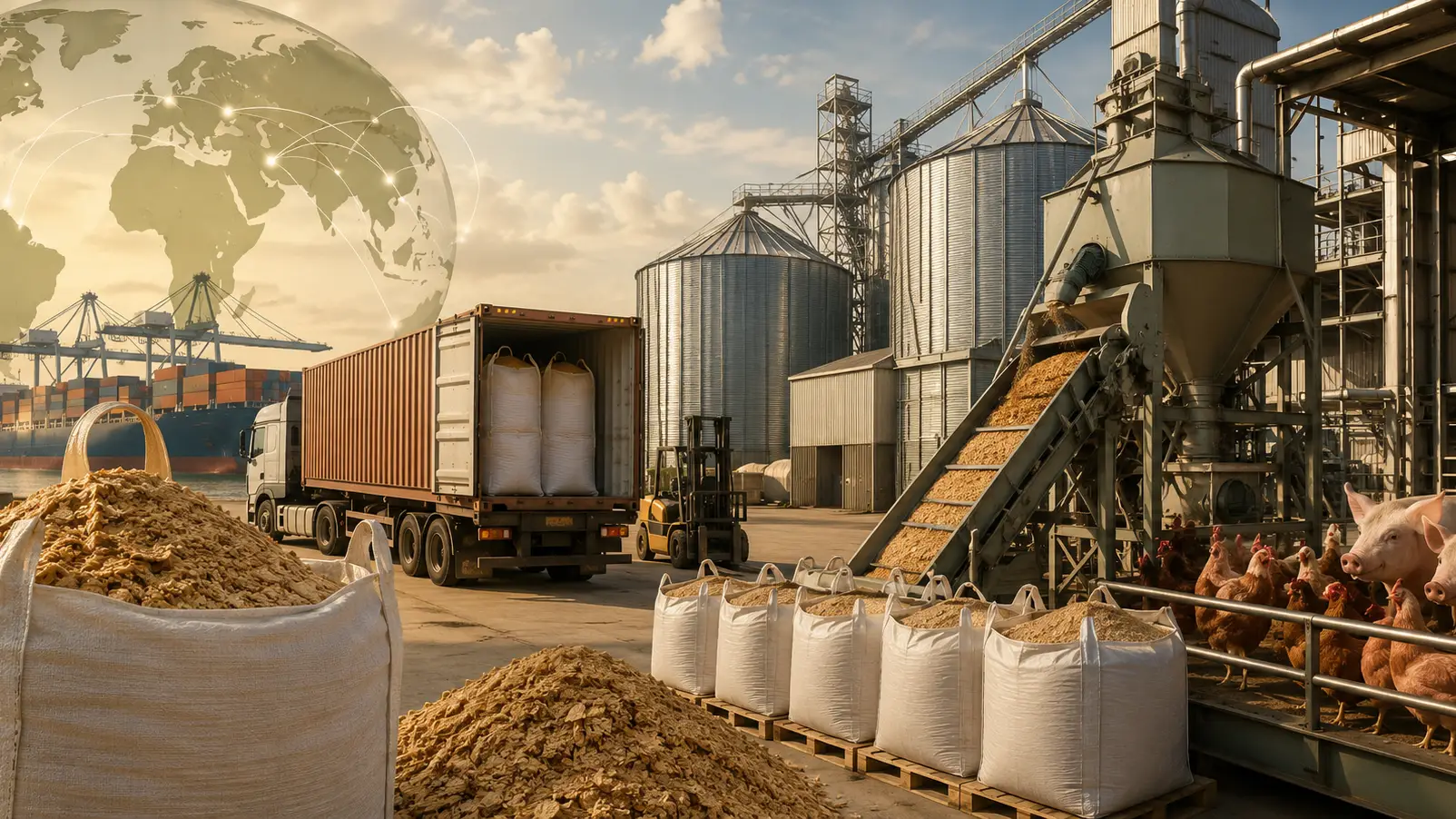
Poultry feed manufacturers are among the major users of bakery meal because broiler and layer operations require high-energy diets. Swine producers may also utilize bakery meal as a carbohydrate source to support efficient feed conversion. In some cases, bakery meal is incorporated into specialty feed blends designed for specific livestock requirements.
Research published through agricultural science institutions has emphasized the importance of alternative feed ingredients in reducing dependence on traditional grain commodities. Bakery meal provides manufacturers with additional formulation flexibility, especially during periods of grain price volatility.
The commercial value of bakery meal depends on factors including moisture level, nutritional composition, contamination control, and processing quality. Feed producers therefore require suppliers capable of providing consistent specifications suitable for industrial production.
As sustainability becomes increasingly important for food and agriculture companies, bakery meal applications are expanding beyond traditional feed use. Companies are exploring recycled food-based ingredients as part of broader environmental strategies aimed at improving resource efficiency.
Market Demand Trends and Growth Opportunities for Bakery Meal
Global livestock production continues to increase demand for cost-effective and sustainable feed solutions. The expansion of poultry, aquaculture, and livestock industries has encouraged manufacturers to explore alternative feed materials that can complement conventional ingredients.
According to the FAO, sustainable livestock production depends on improving feed efficiency and reducing environmental impacts throughout agricultural supply chains. Bakery meal aligns with these goals by converting food industry residues into usable nutritional inputs.
Impact of Commodity Prices on Bakery Meal Demand
Feed manufacturers closely monitor commodity prices because fluctuations in corn, wheat, and soybean markets directly influence production costs. Bakery meal can provide an alternative energy ingredient that helps companies diversify their raw material portfolio.
Market analysis from agricultural commodity organizations indicates that feed producers increasingly prioritize flexible sourcing strategies due to climate variability, logistics challenges, and changing commodity availability. These conditions create opportunities for suppliers offering reliable bakery meal volumes.
Regional demand patterns vary depending on food processing activity, livestock production levels, and feed manufacturing capacity. Countries with developed bakery industries and large livestock sectors often provide strong opportunities for bakery meal supply networks.
For traders and distributors, understanding regional supply-demand conditions is essential for identifying profitable market opportunities. Reliable market intelligence allows companies to connect production sources with high-demand feed manufacturing regions.
Key Buyers and Procurement Considerations for Bakery Meal Sourcing
The primary buyers of bakery meal include compound feed manufacturers, livestock nutrition companies, agricultural commodity traders, and animal feed distributors. These organizations purchase bakery meal in bulk quantities to integrate into commercial feed formulations.
Large-scale procurement teams evaluate bakery meal suppliers based on product consistency, availability, documentation, and logistics capability. Buyers often compare multiple suppliers to secure competitive pricing and minimize supply risks.
According to FEFAC industry publications, modern feed producers increasingly emphasize quality assurance, traceability, and responsible sourcing when selecting feed ingredients. These factors have become essential requirements in international feed procurement.
Factors Evaluated by Procurement Teams
Before purchasing bakery meal, buyers typically assess nutritional specifications, processing standards, packaging options, transportation conditions, and supplier reliability. Consistent quality is critical because feed manufacturers require predictable ingredient performance across production cycles.
Procurement teams also consider supplier location and export capability. Efficient logistics networks help reduce transportation costs and improve supply chain stability, particularly for international buyers.
A professional B2B marketplace product page supports sourcing decisions by providing buyers with essential supplier information, product specifications, and commercial communication channels. This improves transparency between suppliers and industrial customers.
For global buyers searching for bakery meal suppliers, digital sourcing platforms provide an efficient way to identify potential partners, compare market options, and establish long-term supply relationships.
Global Supply Chain Strategies for Bakery Meal Suppliers and Traders
A strong bakery meal supply chain requires collaboration between food processors, recycling companies, logistics providers, and feed manufacturers. Suppliers must maintain consistent collection and processing systems to meet industrial demand.
Technical standards and quality management systems play an important role in maintaining buyer confidence. Feed companies increasingly require suppliers to demonstrate traceability from raw material collection through final delivery.
According to the European Commission’s circular economy initiatives, improving resource recovery and reducing waste are major priorities for sustainable industrial development. Bakery meal supply chains support these objectives by connecting food waste reduction with agricultural production.
International Trading Opportunities
Global traders play an important role by connecting bakery meal producers with feed markets in regions where demand exceeds local availability. Effective trading strategies depend on understanding regulations, transportation requirements, and customer specifications.
Suppliers targeting international markets must focus on documentation, product consistency, and dependable delivery schedules. These factors influence long-term commercial relationships with feed manufacturers.
The growth of sustainable agriculture has created new opportunities for companies involved in alternative feed ingredient trading. Bakery meal suppliers that develop transparent and efficient supply chains can strengthen their position in global markets.
Tradeasia provides a platform approach for connecting industrial buyers with international suppliers, supporting efficient sourcing processes for agricultural feed ingredients and related commodities.
Future Outlook of Bakery Meal in Sustainable Feed Markets
The future demand for bakery meal is closely connected to sustainability initiatives across agriculture and food industries. As companies seek solutions for reducing food waste, recycled feed ingredients are expected to receive greater attention.
Industry research indicates that sustainable feed strategies will become increasingly important as livestock producers balance productivity, cost control, and environmental responsibility.
Long-Term Market Potential for Suppliers
Bakery meal suppliers have opportunities to expand through improved processing technology, stronger quality systems, and international partnerships. Companies capable of delivering consistent industrial-grade products will be better positioned to serve growing feed markets.
Buyers are expected to prioritize suppliers that combine competitive pricing with reliable supply performance. This creates opportunities for professional sourcing platforms to support global trade connections.
The increasing integration of sustainability into procurement strategies will continue shaping bakery meal demand. Companies that understand market requirements and maintain strong supply chains can benefit from future growth opportunities.
Conclusion: Building Reliable Bakery Meal Supply Partnerships
Bakery meal has become an important sustainable feed ingredient by transforming bakery industry by-products into valuable livestock nutrition resources. Its role in animal feed manufacturing, circular economy initiatives, and alternative ingredient sourcing continues to create opportunities across global agricultural markets.
As feed manufacturers face challenges related to commodity prices, supply availability, and sustainability requirements, reliable bakery meal sourcing becomes increasingly important. Buyers require suppliers that can provide consistent quality, transparent documentation, and dependable international logistics.
Tradeasia supports global B2B sourcing by connecting buyers and suppliers across agricultural and industrial markets. Through efficient marketplace solutions, companies can explore bakery meal supply opportunities and develop reliable partnerships within the evolving feed ingredient industry.
Sources
https://www.fao.org
https://www.fefac.eu
https://www.nationalacademies.org
Leave a Comment