Bakery Meal Supply Chain and Sourcing Guide for Global Feed Buyers
Understanding Bakery Meal in the Feed Supply Chain
Bakery meal is a processed feed ingredient derived from surplus bakery products such as bread, biscuits, and pastries. It is widely used in animal nutrition as a cost-effective energy source within compound feed formulations. According to the Food and Agriculture Organization (FAO), food byproducts like bakery waste play a key role in reducing agricultural waste and improving feed resource efficiency.
Origin and Processing of Bakery Meal
Bakery meal is produced through collection, drying, and grinding of bakery industry residues. This transformation ensures stability, extended shelf life, and suitability for large-scale feed manufacturing operations. It is commonly integrated into pelletized feed systems for livestock and poultry.
The processing stage is critical for ensuring consistency in moisture content and nutrient retention. Feed-grade bakery meal must meet strict hygiene standards to avoid contamination risks. This makes supplier reliability an essential part of procurement decisions.
From a supply chain perspective, bakery meal is classified as a circular economy ingredient. It converts food manufacturing surplus into usable feed inputs, supporting sustainability goals across the agri-food industry.
Market reports from OECD-FAO agricultural outlook highlight increasing adoption of food waste-derived feed ingredients due to rising raw material costs in traditional grain markets.
Industrial Applications in Animal Nutrition
Bakery meal is primarily used in livestock feed formulations as an energy-rich carbohydrate source. It is particularly relevant in poultry, swine, and cattle feed industries where energy density is a key formulation requirement. Research from the Journal of Animal Science indicates that processed bakery byproducts can partially replace cereal grains in feed formulations.
Use in Poultry and Livestock Feed Systems
In poultry nutrition, bakery meal is used to enhance feed palatability and energy balance. Its inclusion helps optimize feed conversion ratios while maintaining cost efficiency. It is often blended with corn, wheat, and protein meals.
For swine and ruminant diets, bakery meal contributes digestible energy that supports growth performance. Feed formulators adjust inclusion rates based on nutritional requirements and regional feed availability.
Aquaculture feed manufacturers also explore bakery meal as an auxiliary carbohydrate source. However, inclusion levels are controlled to ensure digestibility and water stability in aquatic environments.
Industry guidance from the American Feed Industry Association (AFIA) highlights the importance of consistent ingredient quality for maintaining animal health and production efficiency.
Global Supply Chain and Procurement Channels
The bakery meal supply chain involves food manufacturers, recycling processors, feed ingredient traders, and compound feed producers. Collection networks typically operate near urban bakery clusters to ensure efficient raw material aggregation. According to the European Feed Manufacturers’ Federation (FEFAC), localized sourcing reduces logistics costs and improves feed sustainability.
Distribution and Logistics in B2B Trade
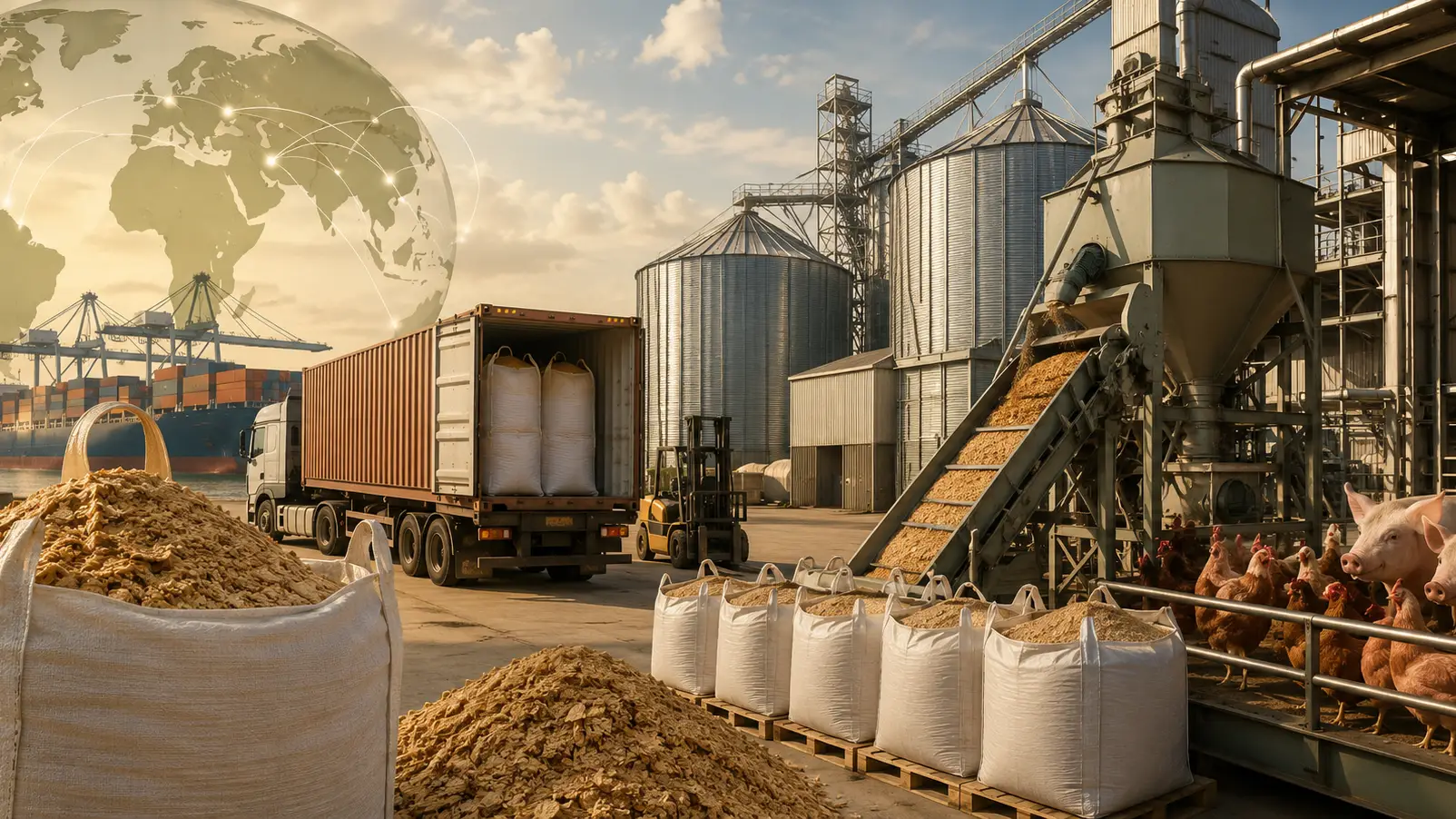
Bakery meal is transported in bulk via truckloads or containerized shipments depending on export requirements. Proper storage conditions are necessary to prevent moisture absorption and microbial growth during transit.
International trade routes often connect surplus food-producing regions with high livestock-density markets. This creates a global redistribution system for feed raw materials.
Procurement teams prioritize suppliers with reliable cold-chain or dry storage infrastructure. Consistency in delivery schedules is a key performance indicator in long-term contracts.
Digital B2B marketplaces such as Tradeasia International support streamlined sourcing for industrial buyers.
Quality Standards and Nutritional Profile Requirements
Quality control in bakery meal production is essential for maintaining feed safety and nutritional value. Regulatory frameworks in many countries require compliance with feed hygiene and safety standards. According to the U.S. Food and Drug Administration (FDA) feed safety guidelines, byproduct-based feed ingredients must be free from harmful contaminants.
Nutritional Composition and Feed Formulation Role
Bakery meal typically contains digestible carbohydrates, moderate fat content, and residual protein depending on source materials. These properties make it a flexible energy ingredient in feed formulation systems.
Nutritionists evaluate moisture levels, energy density, and fiber content when integrating bakery meal into feed blends. Variability in composition requires standardized supplier specifications.
Laboratory testing is often required before large-scale procurement to ensure batch consistency. This reduces formulation risks for feed manufacturers.
Global feed standards emphasize traceability and quality documentation to maintain safety across the supply chain.
Market Trends Driving Bakery Meal Demand
The global bakery meal market is influenced by rising feed costs, sustainability targets, and circular economy adoption. Industry analysis from Allied Market Research indicates increasing demand for alternative feed ingredients due to volatility in grain prices.
Sustainability and Circular Economy Growth
Sustainability initiatives are driving the conversion of food waste into industrial feed resources. Bakery meal plays a central role in reducing landfill waste while supporting livestock production efficiency.
Government policies in Europe and Asia increasingly encourage waste valorization in the food supply chain. This enhances the commercial attractiveness of bakery meal sourcing.
Feed manufacturers are adopting hybrid formulations that combine traditional grains with byproduct-based ingredients. This reduces dependency on volatile agricultural commodities.
Environmental agencies such as the United Nations Environment Programme (UNEP) support food waste recycling initiatives across industrial sectors.
Buyer Intent and Procurement Decision Factors
Buyers of bakery meal typically include compound feed manufacturers, livestock integrators, and agricultural distributors. Procurement teams evaluate cost efficiency, nutritional consistency, and supplier reliability before purchasing. Industry procurement frameworks emphasize risk management in feed ingredient sourcing.
Evaluation Criteria in Supplier Selection
Key decision factors include price stability, moisture content, contamination control, and logistics capability. Buyers often request certifications and batch testing reports before finalizing contracts.
Long-term contracts are preferred to ensure stable supply in volatile agricultural markets. Suppliers with integrated logistics networks are considered more reliable.
Digital sourcing platforms like Chemtradeasia help streamline procurement workflows for international buyers.
Procurement teams also assess sustainability credentials as part of ESG compliance strategies in modern feed production.
Strategic Outlook for B2B Buyers and Distributors
The bakery meal market is expected to grow steadily as feed manufacturers seek cost-effective and sustainable raw materials. According to OECD agricultural projections, alternative feed ingredients will play a larger role in global feed security strategies.
Future Supply Chain Opportunities
Distributors and traders can benefit from expanding demand in emerging livestock markets across Asia, Africa, and Latin America. These regions are increasing feed production capacity rapidly.
Investment in processing infrastructure will improve quality consistency and export potential. This creates opportunities for integrated supply chain operators.
Feed industry consolidation is also driving demand for reliable bulk suppliers capable of handling large-scale contracts.
Market intelligence platforms such as Tradechem Marketplace support global trade connectivity and supplier discovery.
Sources
https://www.fao.org
https://www.efeedlink.com
https://www.fda.gov

Leave a Comment