Bakery Meal in Animal Feed: Applications and Sourcing Opportunities
Understanding Bakery Meal as an Animal Feed Ingredient
Overview of Bakery Meal in Feed Production
Bakery meal is a processed feed ingredient derived from bakery-related food materials and is commonly utilized in animal nutrition formulations. It provides an alternative ingredient source for feed manufacturers seeking consistent raw materials for livestock and animal feed production.
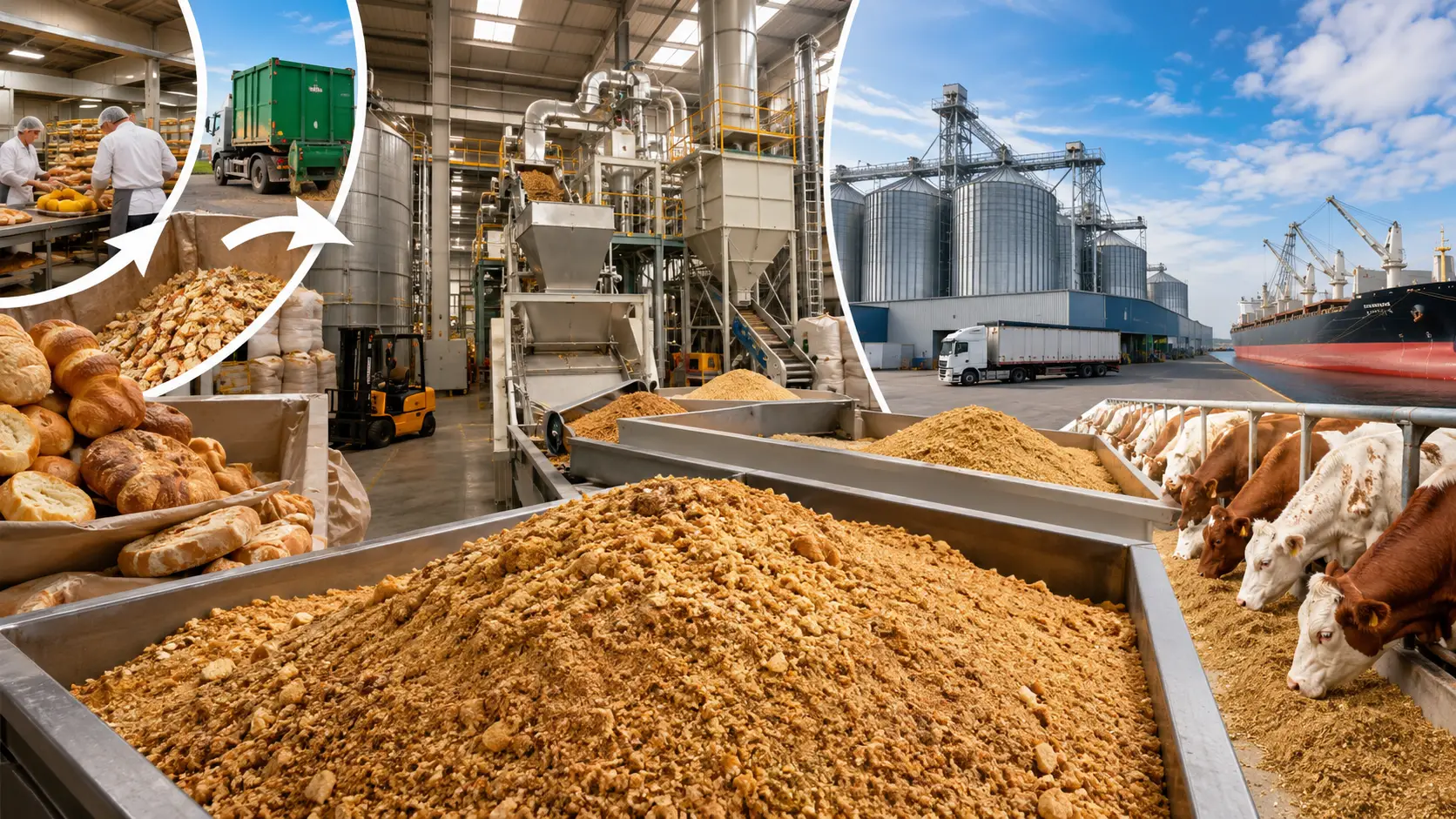
The use of bakery meal supports the feed industry’s focus on resource efficiency by converting suitable bakery by-products and surplus materials into valuable nutritional inputs. This approach helps manufacturers optimize ingredient availability while supporting sustainable feed production practices.
Role of Bakery Meal in Modern Feed Manufacturing
Animal feed manufacturers evaluate bakery meal based on factors such as nutritional composition, processing quality, availability, and compatibility with existing feed formulas. Its application depends on the specific requirements of livestock, poultry, and other animal nutrition segments.
For procurement teams, understanding bakery meal specifications and supplier capabilities is essential for maintaining stable production processes. Reliable sourcing ensures that feed manufacturers can meet formulation requirements while managing cost and supply chain efficiency.
Bakery Meal Applications in Animal Feed Manufacturing
Bakery meal is used in livestock feed formulations as an energy-supporting ingredient that can contribute carbohydrates and other nutritional components. Feed producers may incorporate it into balanced rations depending on animal type, formulation goals, and regional feeding practices.
Manufacturers producing cattle, swine, and mixed livestock feeds often assess bakery meal as part of their ingredient portfolio. The inclusion level depends on overall feed design, nutritional targets, and compatibility with other raw materials.
Bakery Meal Applications in Poultry Feed Production
Poultry feed manufacturers also consider bakery meal as a potential ingredient for feed formulations requiring alternative energy sources. Its characteristics allow producers to diversify their ingredient supply options and reduce dependency on limited raw material sources.
For poultry nutrition companies, consistent bakery meal supply can support large-scale feed production. Suppliers that provide reliable quality control and documentation are important partners in maintaining production standards.
Nutritional Role and Functional Benefits of Bakery Meal
One of the primary reasons bakery meal is considered in animal feed production is its potential energy contribution. Ingredients with carbohydrate content can help support feed formulation strategies designed for efficient animal growth and performance.
Feed manufacturers analyze bakery meal alongside other ingredients to create nutritionally balanced products. Proper evaluation of composition and quality parameters helps ensure suitable integration into commercial feed systems.
Supporting Sustainable Feed Ingredient Strategies
Bakery meal also aligns with sustainability initiatives within the animal feed sector. Utilizing recovered food-based materials can help reduce waste while creating additional value within the agricultural supply chain.
As feed companies increasingly evaluate environmental impacts, ingredients that support circular economy models may become more attractive. Bakery meal offers an example of how alternative feed resources can contribute to responsible sourcing strategies.
Market Demand and Industry Opportunities for Bakery Meal
The animal feed industry continues to explore alternative ingredients due to changing raw material costs, supply chain challenges, and sustainability objectives. Bakery meal represents one option for manufacturers looking to expand their ingredient sourcing strategies.
Demand growth is influenced by livestock production trends, regional availability, and the ability of suppliers to provide consistent commercial quantities. Companies involved in feed production require dependable supply networks to support long-term operations.
Global Trade Opportunities for Bakery Meal Suppliers
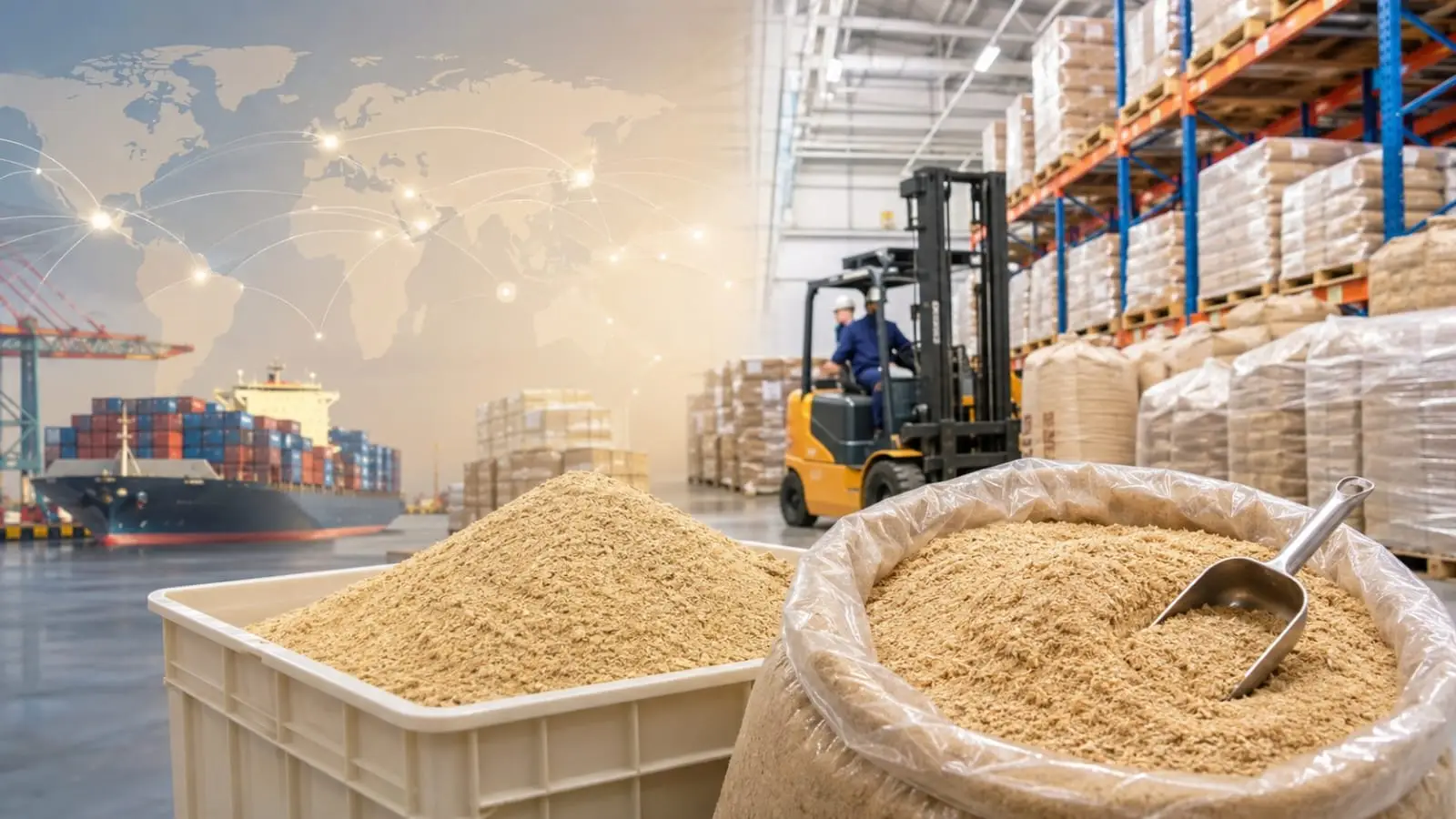
International trade platforms provide opportunities for bakery meal suppliers and buyers to connect across different markets. B2B marketplaces help facilitate communication between producers, distributors, and feed manufacturers seeking new sourcing channels.
For suppliers, positioning bakery meal with clear specifications, application information, and quality documentation improves visibility among industrial buyers. For purchasers, digital sourcing channels simplify supplier evaluation and procurement planning.
Key Buyers and Procurement Considerations for Bakery Meal
The main buyers of bakery meal are animal feed manufacturers producing commercial feed products for livestock and poultry sectors. These companies require dependable ingredient suppliers capable of meeting volume, quality, and delivery requirements.
Procurement teams typically evaluate supplier reliability, product consistency, logistics capability, and technical information before establishing purchasing agreements. Long-term supplier relationships are valuable for maintaining stable feed production.
Factors Considered During Bakery Meal Purchasing
When sourcing bakery meal, buyers consider several factors including product specifications, moisture levels, storage requirements, packaging options, and shipment availability. These details influence operational efficiency and feed formulation performance.
A transparent supplier communication process helps buyers reduce procurement risks. Technical documentation and consistent product information allow manufacturers to make informed purchasing decisions.
Sourcing Bakery Meal Through Reliable B2B Supply Channels
Reliable suppliers play an important role in connecting bakery meal producers with animal feed manufacturers. Professional sourcing partners help buyers access suitable materials while improving supply chain visibility.
B2B trading platforms enable companies to compare supplier capabilities, evaluate market availability, and establish commercial relationships. This supports more efficient purchasing decisions for industrial-scale feed production.
Building Long-Term Bakery Meal Supply Partnerships
Long-term sourcing partnerships can provide benefits such as improved supply stability, predictable procurement planning, and better communication between buyers and suppliers. Feed manufacturers often prefer suppliers that understand industrial requirements.
For companies entering new markets or expanding production capacity, developing dependable bakery meal supply networks can strengthen operational resilience and competitiveness.
Future Outlook of Bakery Meal in the Feed Ingredient Market
The future demand for bakery meal may be influenced by the continued development of circular economy practices in agriculture and food industries. Converting suitable food materials into feed ingredients supports more efficient resource utilization.
Feed manufacturers are expected to continue evaluating alternative ingredients that balance nutrition, availability, and sustainability. Bakery meal may remain relevant as companies seek practical solutions for ingredient diversification.
Expanding Opportunities for Global Feed Supply Chains
As animal feed markets become increasingly interconnected, suppliers with strong export capabilities may find additional opportunities. International buyers continue to seek reliable ingredient sources that support consistent production.
Companies involved in bakery meal trading can benefit from understanding regional demand patterns, buyer expectations, and quality requirements. Market knowledge remains essential for successful participation in global feed ingredient supply chains.
Conclusion: Building Efficient Bakery Meal Supply Strategies
Bakery meal provides animal feed manufacturers with an alternative ingredient option that supports feed formulation flexibility and sustainable sourcing objectives. Its applications across livestock and poultry nutrition create opportunities for suppliers and buyers in the global feed market.
Strengthening Buyer and Supplier Connections
Effective sourcing depends on reliable partnerships, clear product information, and efficient supply chain management. Through professional B2B marketplaces and trusted suppliers, animal feed manufacturers can improve access to bakery meal and strengthen their procurement strategies.
Sources
Food and Agriculture Organization of the United Nations (FAO) Association of American Feed Control
Officials (AAFCO)
International Feed Industry Federation (IFIF)
Leave a Comment