Explore our network of country and industry based websites to access localized information, product offerings, and business services across our group.
Access reliable chemical market information through our update channels.
Real-time Updates
Daily Updates
Log in to start sending quotation requests for any product.
Don't have an account? Sign Up Here
Log in now to access technical product documents from our product range.
Don't have an account? Sign Up Here
Home All Products Trisodium Citrate Anhydrous (E331(iii))
|
IUPAC Name |
: Trisodium-2-hydroxypropane-1,2,3-tricarboxylate |
|
Cas Number |
: 68-04-2 |
|
HS Code |
: 2918.15.00 |
|
Formula |
: Na3C6H5O7 |
|
Appearance Name |
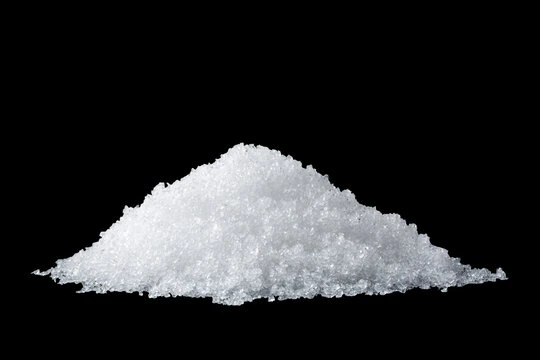
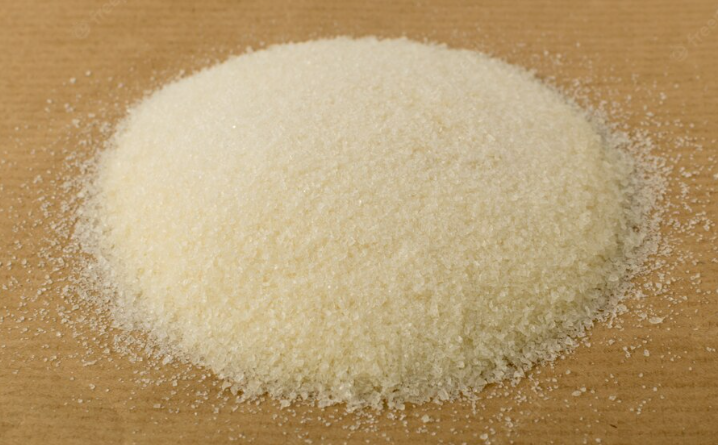
: White Crystalline Powder |
|
Common Names |
: Sodium Citrate, TCA |
|
Packaging |
: 25 Kg PP/PE Bags |
For more detailed information including pricing, customization, and shipping:
Trisodium citrate anhydrous is the fully neutralized sodium salt of citric acid in water-free form, widely used as a buffering agent, sequestrant, and functional salt in many applications. In the food industry, it functions mainly as an acidity regulator, buffer, emulsifying salt, and flavor modulator to stabilize pH in beverages and processed foods, enhance melt and texture in cheeses, and prevent haze or oxidation by binding metal ions.
Beverages (soft drinks, juices, isotonic drinks): Acts as an acidity regulator and buffer to fine-tune tartness, maintain stable flavor, and improve clarity while reducing oxidation through metal ion binding.
Dairy and processed cheese: Serves as an emulsifying salt in processed cheese blocks, slices, and spreads, promoting smooth melt, preventing fat separation, and improving sliceability.
Confectionery and desserts: Helps stabilize gels and foams in jellies, gummies, marshmallows, and aerated desserts, adjusting acidity to balance sweetness and reduce sugar crystallization.
Baked goods and bakery mixes: Buffers chemical leavening systems in cakes, cookies, and baking powders for controlled gas release, volume, and consistent dry mixes.
Meat, poultry, and seafood products: Supports water-holding capacity and texture in processed meats and brines by pH control, limiting metal-catalyzed oxidation and discoloration.
Sauces, dressings, and canned foods: Provides pH control and chelation in tomato products, sauces, dressings, and canned foods to preserve flavor, color, and emulsion stability.
In home and industrial cleaners, it works as a builder and chelating agent in detergents to soften water and reduce scale; in cosmetics and personal care, it adjusts pH in creams and shampoos while stabilizing formulas; in water treatment, it binds hardness ions as a biodegradable chelator.