Explore our network of country and industry based websites to access localized information, product offerings, and business services across our group.
Access reliable chemical market information through our update channels.
Real-time Updates
Daily Updates
Log in to start sending quotation requests for any product.
Don't have an account? Sign Up Here
Log in now to access technical product documents from our product range.
Don't have an account? Sign Up Here
Home All Products Calcium Chloride (Food Grade) - China
|
IUPAC Name |
: Calcium Chloride |
|
Cas Number |
: 10043-52-4 |
|
HS Code |
: 2827.20.00 |
|
Formula |
: CaCl2 |
|
Appearance Name |
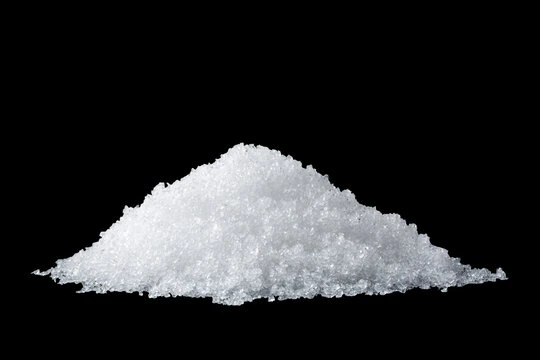
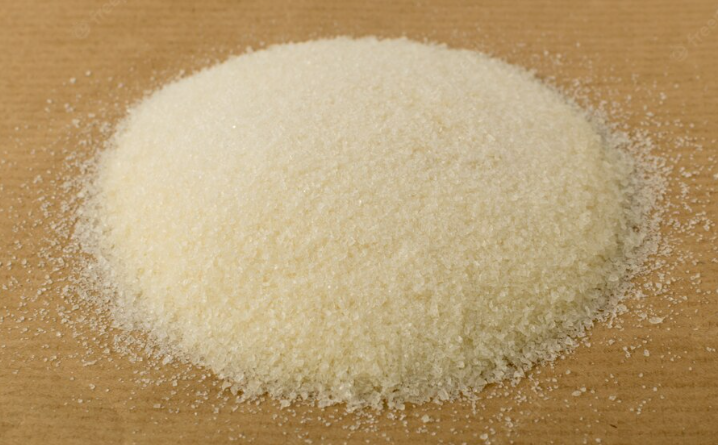
: Crystalline Powder |
|
Common Names |
: Calcium dichloride |
|
Packaging |
: 840 @ 25 kg Bag, 21 MT / 20FCL |
For more detailed information including pricing, customization, and shipping:
Brief Overview
Calcium Chloride, first discovered by an English chemist Sir Humphrey Davy (1778-1829) in 1808, has the molecular formula CaCl2 and is a deliquescent salt that occurs in seawater. It is also known as the common salt and it is crystalline, lumpy, or flaky in nature. It is white in color and is hygroscopic. Hence, one of the chief commercial uses of Calcium Chloride is the de-icing and dust control on the roads. It exists in many forms such as dehydrate, monohydrate, and hexahydrate forms. Other commercial uses include refrigerant, preservative, and for controlling dust and ice on roads.
Manufacturing Process
Limestone can be used to produce Calcium chloride directly, but it can be produced as a byproduct of the Solvay process in large quantity too.
Food Industry
Calcium chloride is an ingredient used as a sequestrant and firming agent with E509. It is commonly used as an electrolyte in sports drinks. Calcium chloride is used for canned vegetables and firming soybean curds into tofu. It is used to flavor pickles because of its extremely salty taste. In brewing beer, calcium chloride is sometimes used to correct mineral deficiencies in the brewing water. Calcium chloride can affect yeast function during fermentation and also affects flavor and chemical reactions during the brewing process. Sometimes, it is also added to processed milk to restore the natural balance between calcium and protein.