Understanding Wheat Bran in the Global Feed Industry
Wheat bran is one of the most widely traded cereal by-products generated during the milling of wheat into flour. Rich in dietary fiber, moderate protein, essential minerals, and bioactive compounds, wheat bran has become an important ingredient in commercial livestock feed formulations. Its nutritional profile and competitive pricing make it attractive for feed producers seeking balanced raw material portfolios while maintaining cost efficiency.
According to the Food and Agriculture Organization (FAO), wheat remains one of the world's largest cereal crops, supporting an extensive milling industry that continuously produces wheat bran as a valuable co-product rather than a waste stream. The integration of flour milling and feed manufacturing has strengthened wheat bran's role within global agricultural supply chains.
Wheat Bran as a Commercial Feed Ingredient
Commercial feed manufacturers utilize wheat bran primarily in ruminant, dairy cattle, sheep, goat, swine, poultry, and equine nutrition. Its fiber content contributes to digestive health, while its moderate protein level complements other protein-rich ingredients such as soybean meal and corn gluten meal.
Beyond nutritional value, wheat bran offers operational advantages including wide availability, consistent production volumes, and relatively stable market liquidity. Many feed formulators use wheat bran to optimize formulation costs while maintaining nutritional performance across different livestock production systems.
Growing investments in livestock production throughout Asia-Pacific, Africa, and Latin America continue to support demand for economical feed ingredients. Industry reports from the OECD-FAO Agricultural Outlook indicate that increasing meat and dairy consumption is expected to sustain long-term demand for feed grains and milling co-products, reinforcing wheat bran's commercial importance.
For international traders, wheat bran represents an accessible commodity with diversified export destinations, making it attractive for distributors, exporters, and procurement teams seeking reliable feed ingredient supplies.
Global Wheat Bran Supply Chain Dynamics
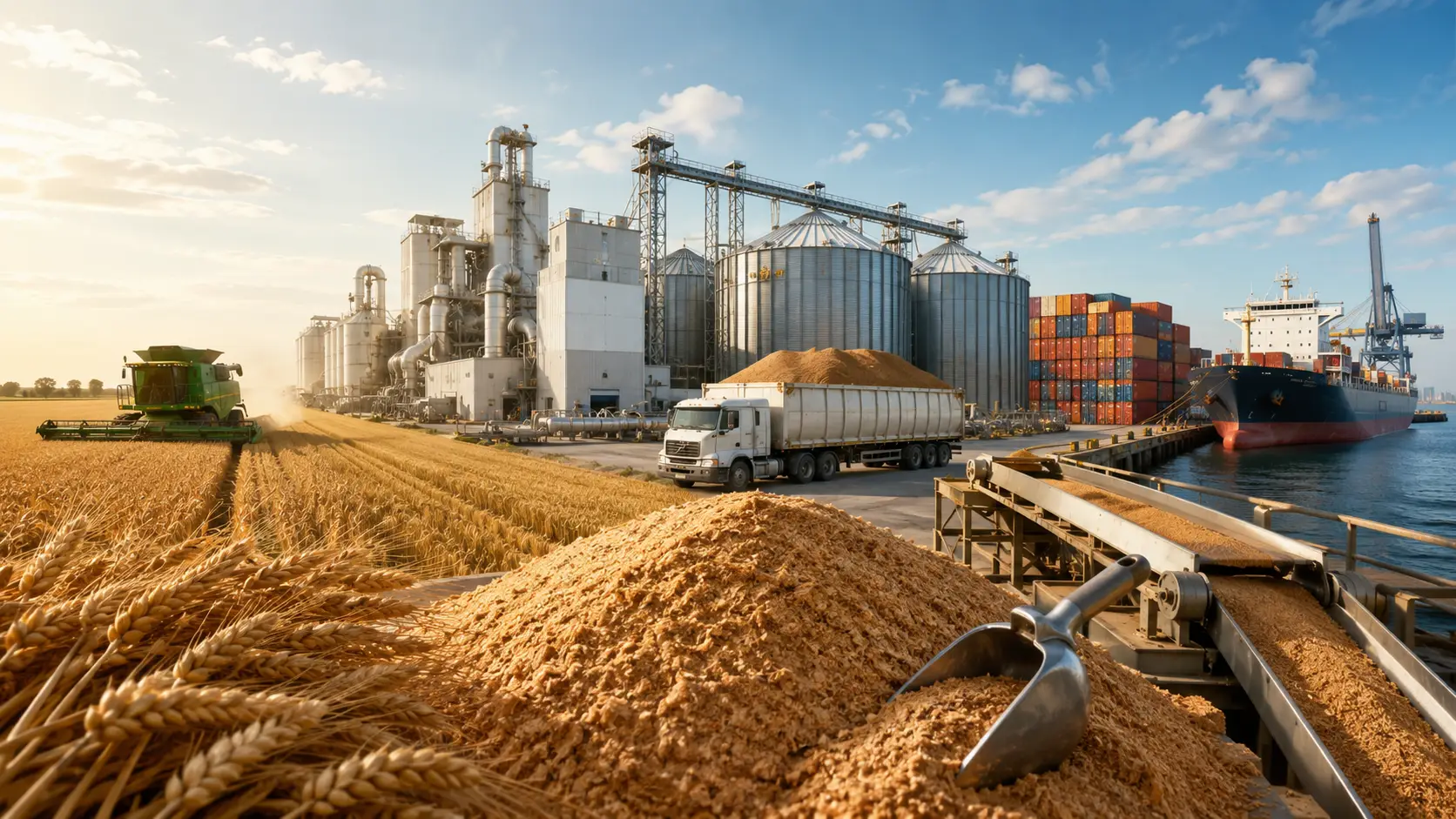
The wheat bran supply chain begins with wheat cultivation before progressing through grain collection, storage, transportation, flour milling, and finally distribution to feed manufacturers. Because wheat bran is generated during flour production, global flour consumption directly influences wheat bran availability.
According to the International Grains Council (IGC), global wheat production consistently exceeds hundreds of millions of metric tons annually, providing a dependable foundation for wheat bran production across major milling regions.
Integration Between Milling and Feed Industries
Modern flour mills increasingly operate within integrated agricultural value chains where wheat bran is immediately marketed to feed manufacturers, distributors, or commodity traders. This integration minimizes waste while improving resource efficiency throughout cereal processing.
Major wheat-producing countries including Russia, the European Union, the United States, Canada, Australia, India, Argentina, and Ukraine contribute significantly to international wheat bran availability. Regional production volumes fluctuate according to harvest quality, export regulations, weather conditions, and domestic flour demand.
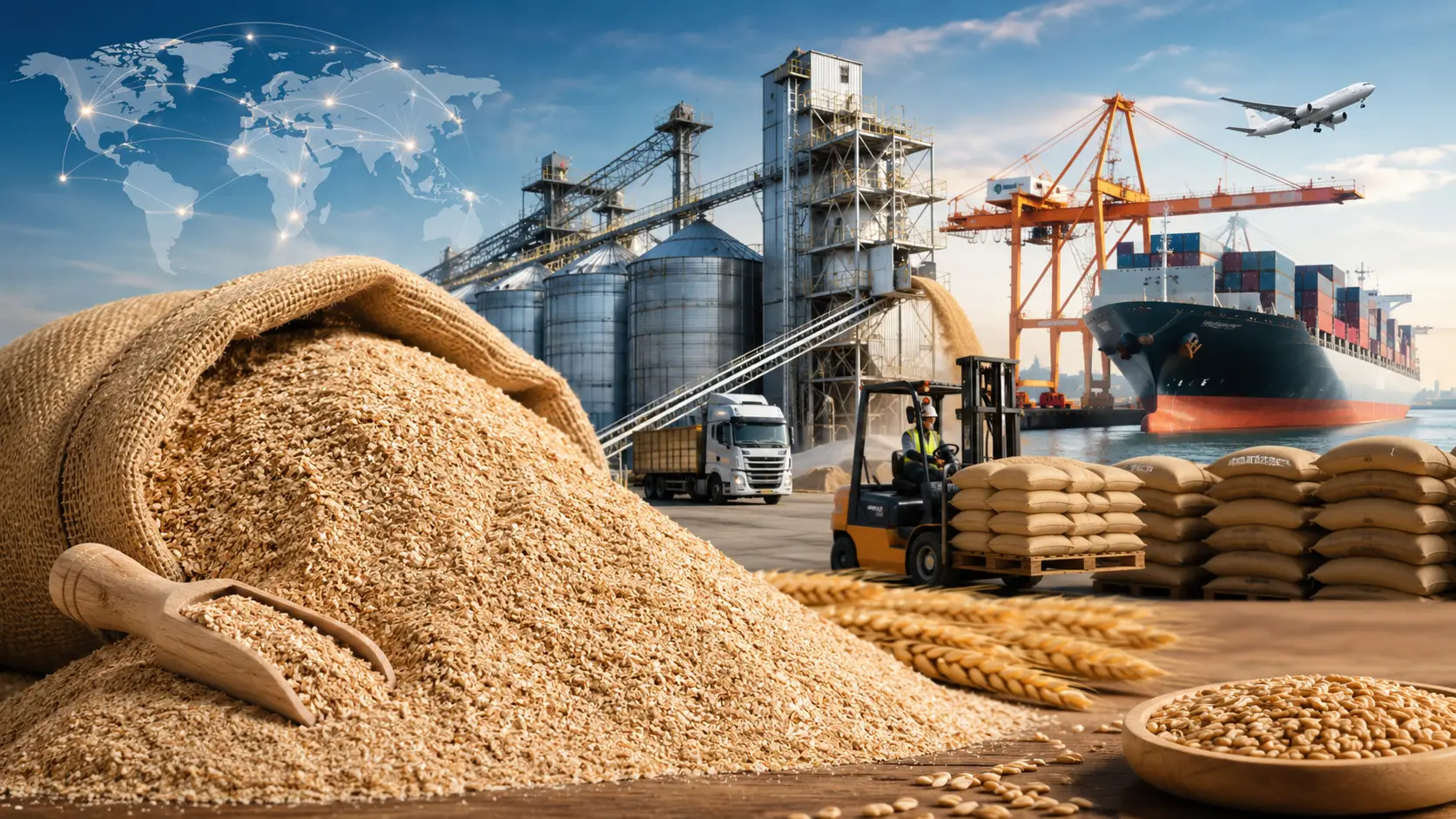
Transportation infrastructure plays a critical role in maintaining supply reliability. Efficient logistics involving rail systems, inland transportation, storage terminals, and international shipping enable wheat bran to reach feed producers across global markets with consistent quality and competitive delivery schedules.
Supply chain resilience has become increasingly important as geopolitical developments, climate variability, and freight market volatility influence agricultural commodity movements. Buyers increasingly seek diversified sourcing strategies to reduce procurement risks while maintaining uninterrupted production.
Market Drivers Supporting Wheat Bran Demand
Several structural factors continue to strengthen global demand for wheat bran. Population growth, expanding livestock production, increasing demand for affordable animal protein, and greater emphasis on feed efficiency all contribute to higher consumption of cereal by-products.
Market assessments published by organizations including the US Department of Agriculture (USDA) show sustained growth in commercial feed production, particularly across emerging economies where industrial livestock farming continues to expand rapidly.
Expanding Livestock Production and Feed Manufacturing
Commercial feed manufacturers are continually balancing nutritional quality with ingredient costs. Wheat bran provides an economical solution that supports ration formulation while helping producers manage feed expenses amid volatile grain markets.
The dairy industry remains one of the largest consumers of wheat bran due to its fiber contribution in cattle diets. Beef production, poultry operations, swine farming, sheep farming, and goat production also represent significant end-use sectors depending on regional feeding practices.
In addition, sustainability objectives are encouraging greater utilization of cereal milling co-products. By maximizing the value extracted from harvested wheat, flour milling companies contribute to circular economy principles that reduce food processing waste and improve overall resource efficiency.
As global supply chains become increasingly digitalized, procurement teams are using market intelligence, supplier audits, quality certifications, and logistics monitoring to improve sourcing decisions. These developments are enhancing transparency throughout the wheat bran supply chain while creating new opportunities for reliable international suppliers.
Regional Supply Landscape
Global wheat bran production closely follows wheat milling activity, making the availability of raw material highly dependent on regional grain harvests and flour demand. Europe, North America, Asia-Pacific, and parts of South America remain key production hubs due to their established wheat industries and extensive milling infrastructure. According to the International Grains Council (IGC), stable wheat output in these regions continues to support international trade in wheat milling by-products.
Export-oriented suppliers often benefit from proximity to major ports, integrated storage facilities, and efficient logistics networks. Countries with strong grain export capabilities can deliver wheat bran in bulk containers or breakbulk shipments, enabling feed manufacturers worldwide to maintain consistent inventories despite seasonal fluctuations.
Emerging Trade Opportunities
Asia-Pacific continues to experience rising demand for imported feed ingredients as commercial livestock production expands. Countries with limited domestic wheat production frequently rely on imported wheat bran to support dairy, poultry, and ruminant feed manufacturing. At the same time, growing investments in feed mills across Africa and the Middle East are creating additional opportunities for international suppliers.
Weather variability, transportation costs, and geopolitical developments can influence trade flows and pricing. Market updates from the Food and Agriculture Organization (FAO) indicate that diversified sourcing strategies help buyers reduce supply risks while maintaining production continuity. Procurement teams increasingly evaluate suppliers based on shipment reliability, documentation, and quality consistency in addition to price.
Digital B2B marketplaces have also improved supplier visibility by connecting manufacturers, exporters, and buyers across multiple regions. This trend enables procurement professionals to compare specifications, certifications, and logistics options more efficiently than traditional sourcing channels.
Buyer Intent and Procurement Considerations
Organizations purchasing wheat bran typically include commercial feed manufacturers, livestock integrators, dairy nutrition companies, feed distributors, commodity traders, and agricultural cooperatives. These buyers require dependable supplies that meet nutritional specifications while supporting uninterrupted production schedules.
Procurement teams generally assess parameters such as moisture content, crude fiber, protein levels, particle size, freshness, storage conditions, microbiological safety, and compliance with applicable feed regulations. They also review supplier certifications, production capacity, export experience, packaging options, and shipping capabilities before finalizing contracts.
Why Buyers Compare Suppliers
Commercial buyers compare multiple suppliers to balance cost, quality, logistics, and long-term supply security. Because wheat bran prices can fluctuate alongside wheat markets and freight rates, procurement professionals seek suppliers capable of offering competitive pricing without compromising product consistency.
Reliable suppliers provide transparent product specifications, certificates of analysis, export documentation, flexible packaging, and responsive customer support. These factors reduce procurement risks and simplify international transactions, particularly for companies managing multi-country sourcing programs.
A comprehensive B2B product page supports sourcing decisions by presenting technical information, commercial specifications, packaging details, logistics capabilities, and inquiry options in one place. This enables procurement teams to evaluate suppliers more efficiently and initiate purchasing discussions with confidence.
Conclusion
Wheat bran has evolved from a simple milling by-product into a globally traded feed ingredient that supports efficient livestock nutrition and sustainable resource utilization. Its widespread availability, nutritional value, and cost-effectiveness make it an essential component of commercial feed formulations across dairy, beef, poultry, swine, and other livestock sectors.
As international feed production continues to expand, maintaining resilient and diversified wheat bran supply chains will remain a strategic priority for manufacturers and distributors. Market intelligence from organizations such as the OECD-FAO Agricultural Outlook suggests that long-term demand for feed ingredients will continue to grow alongside global consumption of animal protein.
Supporting Reliable Global Sourcing
Successful procurement depends on selecting suppliers that combine consistent product quality with dependable logistics, regulatory compliance, and responsive commercial support. Businesses that invest in diversified sourcing strategies are better positioned to manage market volatility and ensure uninterrupted feed production.
Tradeasia, Chemtradeasia, and Tradechem Marketplace support industrial buyers by connecting them with trusted global sourcing networks for wheat bran and other feed ingredients. Through comprehensive product information, international supply capabilities, and experienced trade support, these platforms help procurement teams streamline sourcing and build reliable long-term supply partnerships.
Sources
https://www.fao.org
https://www.igc.int
Leave a Comment