Introduction
The rapid growth of the biodiesel industry in America has brought with it a significant byproduct stream: crude glycerine. For every 100 pounds of biodiesel produced, approximately 10 pounds of crude glycerine is generated. This surge in supply has transformed glycerine from a relatively scarce, high-value chemical into a more commoditized, abundant material, sparking innovation and driving the search for profitable and sustainable applications. No longer viewed merely as waste, crude glycerine is now recognized as a versatile, bio-based feedstock with immense potential across numerous industrial sectors.
Effectively utilizing this glycerol-rich stream is crucial for improving the overall economics and environmental footprint of biodiesel production. Finding valuable outlets for crude glycerine helps biorefineries offset costs, enhances the sustainability narrative of biofuels, and contributes to a more circular economy. This article delves into the multifaceted uses of this important byproduct, exploring its journey from a biodiesel plant output to a valuable resource in energy, chemicals, agriculture, and beyond, while highlighting key considerations for sourcing and application.
Understanding Crude Glycerine: Composition and Characteristics
Crude glycerine is not a pure substance but a mixture resulting from the transesterification of vegetable oils or animal fats. Its composition typically includes 50-85% glycerol, with the remainder consisting of water, methanol or ethanol (from the reaction process), catalyst residues (often sodium or potassium salts), free fatty acids, and various organic and inorganic matter. This variable composition is the primary factor distinguishing it from refined glycerine (USP or technical grade) and dictates its suitable applications. The presence of methanol and salts, in particular, makes it unsuitable for direct use in food, pharmaceutical, or cosmetic products without extensive purification.
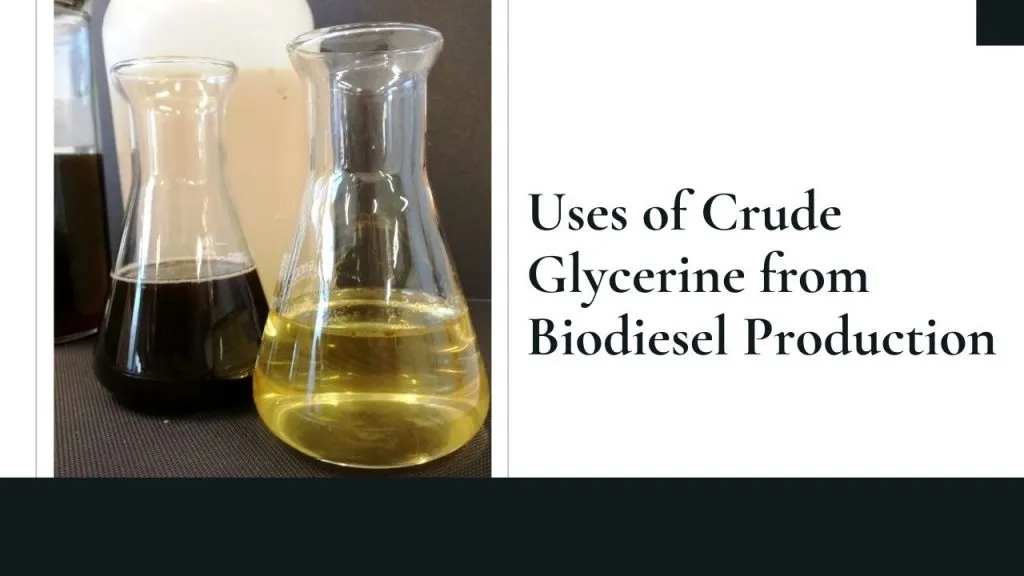
The physical properties of crude glycerine are equally important for industrial users. It is a viscous, hygroscopic liquid, often dark brown in color with a distinct odor. Its energy content is significant, with a heating value roughly two-thirds that of diesel fuel, making it a candidate for energy recovery. Understanding these specifications—glycerol content, methanol content, ash (salt) content, and MONG (Matter Organic Non-Glycerol)—is essential for any company, like Chemtradeasia, that supplies or procures this material. These specs determine the technological pathway for its use, whether it be direct application in lower-value markets or as a feedstock for further refining into higher-value products.
Primary Industrial Applications of Crude Glycerine
The search for profitable applications has led to several well-established and emerging uses for crude glycerine. One of the most straightforward and common applications is combustion for energy production. Due to its calorific value, crude glycerine can be burned in specialized boilers, cement kilns, or co-fired with other fuels like coal or biomass to generate heat and power. This provides a direct method of energy recovery for biodiesel plants, reducing their reliance on external fuel sources. While this is a lower-value outlet, it offers a reliable disposal method and contributes to the plant's energy balance.
Another major application is in animal nutrition, specifically as a component in livestock and poultry feed. The glycerol component serves as a valuable energy source. Research, including studies from American universities, has shown that incorporating limited amounts of crude glycerine into ruminant and swine diets can be a safe and effective way to provide digestible energy. However, this application requires careful management of methanol and salt levels to ensure animal safety, often necessitating a minimally processed grade. Furthermore, crude glycerine finds use in industrial biotechnology as a carbon source for fermentative processes. Microorganisms can be engineered to consume glycerol and produce high-value chemicals like 1,3-propanediol (for polymers), organic acids, and biofuels like ethanol, creating a bridge between the biodiesel and biochemical industries.
Additional applications include its use as a dust suppressant on unpaved roads, where its hygroscopic nature helps retain moisture, and as a precursor in the production of crude glycerine-based chemicals like glycerin acetate or as a blending agent in de-icing fluids. The exploration of these diverse pathways is critical for building a resilient market for this biodiesel-derived material in America.
Refining Crude Glycerine for Higher-Value Uses
To access more lucrative markets, crude glycerine must undergo a purification process. Refining removes impurities like methanol, water, salts, and colored bodies, upgrading the material to technical grade or even pharmaceutical (USP) grade glycerine. The standard refining process typically involves steps such as acidulation to split soaps, pH adjustment, filtration, and distillation under vacuum. The resulting purified glycerine is a clear, colorless, odorless syrup with a glycerol content of 99.5% or higher.
This refined product commands a significantly higher price and opens doors to sophisticated applications. Refined glycerine is a humectant, solvent, and sweetener used extensively in food and beverage products, pharmaceuticals (e.g., cough syrups, suppositories), and personal care items (e.g., toothpaste, skin creams, soaps). It is also a critical feedstock for the chemical industry, used in producing alkyd resins, polyurethanes, explosives (nitroglycerin), and tobacco humectants. The decision to refine on-site or sell crude glycerine to a dedicated refiner, such as those partnered with global suppliers like Chemtradeasia, is an economic one, balancing capital investment against market prices for the different glycerine grades.
Market Trends and Economic Drivers in America
The American market for glycerine is deeply influenced by biodiesel production mandates, such as the Renewable Fuel Standard (RFS). As biodiesel output fluctuates with policy and feedstock costs, so does the supply of crude glycerine, creating price volatility. In recent years, the market has seen periods of oversupply, which depress prices for crude glycerine and incentivize the development of new, large-volume applications. Conversely, strong demand for refined glycerine in end-user industries can tighten the market.
A key trend is the push towards valorization—transforming this byproduct into specialty chemicals. Research and development are heavily focused on catalytic and biological processes to convert glycerol into propylene glycol, epichlorohydrin, and other building-block chemicals. The drive for sustainability is a powerful economic driver, as companies seek bio-based alternatives to petroleum-derived chemicals. Furthermore, the consolidation of refining capacity and the emergence of dedicated glycerine trading and distribution networks, which platforms like Chemtradeasia facilitate, are helping to stabilize supply chains and match the variable quality of crude streams with specific end-user requirements across the continent.
Sourcing and Quality Considerations with Chemtradeasia
For industries seeking to incorporate crude glycerine or its refined derivatives into their processes, reliable sourcing is paramount. The quality of crude glycerine can vary dramatically between biodiesel producers based on the feedstock used (soy, canola, animal fat, used cooking oil) and the production process. Consistent specification in terms of glycerol content, methanol residue, ash, and MONG is critical for trouble-free operation in applications like anaerobic digestion, fermentation, or animal feed production.
This is where partnering with an established global supplier like Chemtradeasia provides significant advantage. Such suppliers act as aggregators and quality assurers, sourcing from multiple producers to provide consistent volume and specification. They can supply various grades, from untreated crude glycerine for combustion to partially purified grades for industrial fermentation or technical-grade refined glycerine. Their role includes rigorous quality control, reliable logistics, and providing essential documentation like Certificates of Analysis and Safety Data Sheets (SDS). For buyers in America, this simplifies procurement, mitigates supply risk, and ensures the material meets the necessary specifications for their specific, valuable application, whether it's for producing bio-based chemicals or sustainable animal feed.
Conclusion
The story of crude glycerine from biodiesel production is a compelling case study in industrial symbiosis and circular economics. From its origins as a processing byproduct, it has evolved into a cornerstone feedstock for diverse industries, including energy, animal nutrition, and chemical manufacturing. The ongoing research into novel conversion technologies promises to unlock even greater value, further strengthening the economic and environmental case for biodiesel. The American market, with its robust biofuel policy and innovative industrial base, is at the forefront of developing and commercializing these applications.
Successfully navigating this market requires a clear understanding of the material's properties, the evolving application landscape, and the importance of supply chain reliability. By leveraging the expertise and network of global suppliers, industries can effectively integrate this sustainable resource into their operations, turning a potential waste burden into a source of competitive advantage and contributing to a more resource-efficient future.
Disclaimer: This article is for informational and market insight purposes only. It is not intended as technical, safety, or professional advice for handling or applying crude glycerine. The applications and data described are based on general industry knowledge and may not be suitable for specific situations. Readers are strongly advised to independently verify all information, consult relevant experts, and review official Safety Data Sheets (SDS) and technical specifications before using any chemical product. For specific application guidance or sourcing inquiries, please contact our team directly.
Leave a Comment