Introduction
Across America, bakery meals have become a staple of everyday eating, from morning bagels and muffins to lunchtime sandwiches and evening desserts. Yet behind every loaf of bread, croissant, donut, or pastry lies a complex supply chain that is increasingly vulnerable to shifting weather patterns. Droughts, heatwaves, floods, and storms now influence the availability, price, and quality of core bakery ingredients more than ever before.
These climate-driven disruptions are no longer isolated events. According to the National Oceanic and Atmospheric Administration (NOAA), the United States has experienced a rising number of billion-dollar weather and climate disasters in the past decade, affecting agricultural regions from the Midwest corn belt to the wheat fields of the Great Plains. For bakeries, this translates into fluctuating flour costs, inconsistent fat and oil supplies, and uncertainty around specialty ingredients such as cocoa, sugar, and emulsifiers.
To navigate this new reality, bakeries and food manufacturers are turning to more resilient sourcing strategies and reliable ingredient partners. Platforms like chemtradeasia.com, which specialize in trading and distributing food-grade chemicals and functional ingredients, play an important role in stabilizing bakery meal production. By diversifying sources of emulsifiers, preservatives, and processing aids, they help American bakeries cushion the impact of volatile weather on primary agricultural commodities.
Weather Patterns Reshaping Bakery Meal Availability in America
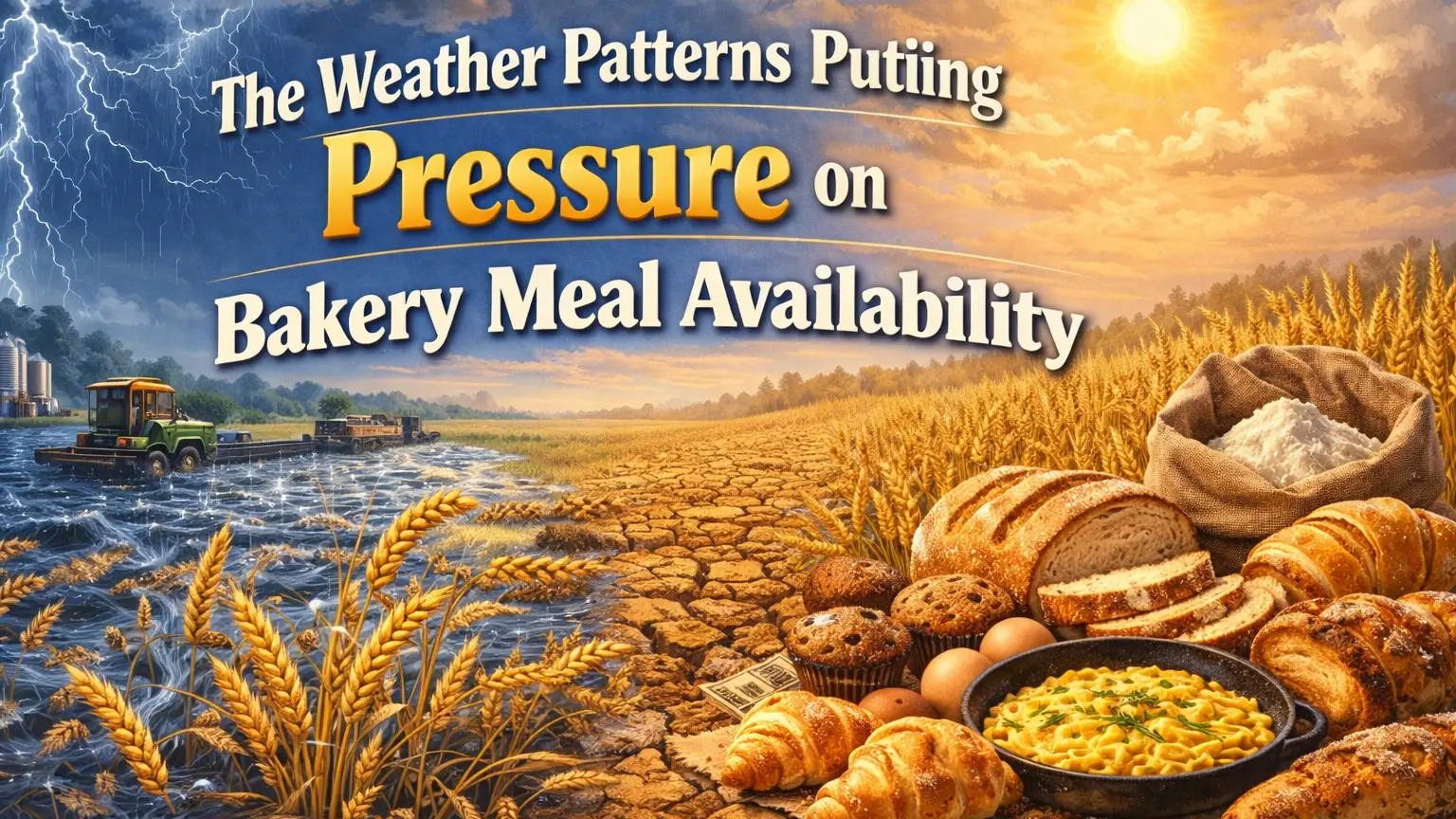
Weather patterns across the United States have become more erratic, and this volatility directly affects bakery meal availability. Droughts in key grain-producing states such as Kansas, Oklahoma, and North Dakota reduce wheat yields, while heavy rains and flooding in the Mississippi River basin disrupt transportation routes that carry grain and flour to mills and distribution hubs. As a result, bakeries can experience sudden supply gaps or price spikes for flour, a foundational ingredient in nearly every bakery meal.
Heatwaves and unseasonal temperature shifts also affect the quality of grains and oilseeds. High temperatures during critical growth stages can reduce protein content in wheat, affecting dough strength and baking performance. Similarly, excessive heat and dryness can harm soybean and canola crops used for bakery fats and oils. When the quality of these inputs declines, bakeries may see inconsistent texture, volume, and shelf life in their finished products unless they adjust formulations with functional additives and processing aids.
Extreme weather events in other parts of the world indirectly pressure American bakery meal availability as well. Cocoa from West Africa, sugar from Brazil, and palm oil from Southeast Asia are all exposed to climate-related disruptions. When global supplies tighten, American importers face higher prices and longer lead times. Bakeries that rely on imported cocoa-based fillings, glazes, and specialty fats must either absorb higher costs, reformulate recipes, or seek alternative suppliers and ingredients to maintain menu consistency.
Key Bakery Ingredients Most Exposed to Climate Volatility
Among all ingredients used in bakery meals, cereal grains such as wheat, corn, and oats are the most visibly affected by weather. The U.S. Department of Agriculture (USDA) has documented yield variability tied to drought and excessive rainfall in major wheat-producing states, and this variability translates into unstable flour prices. When flour costs surge, it puts pressure on margins for both industrial bakeries and small neighborhood shops, especially those committed to fixed-price menus.
Bakery fats and oils, including soybean oil, canola oil, palm oil, and specialty shortenings, are also highly sensitive to weather conditions. Soy and canola crops in North America are vulnerable to drought, while palm oil plantations in Southeast Asia face both heavy rains and prolonged dry spells. These factors influence oil extraction rates and quality. For bakeries, this can mean inconsistent performance in lamination, frying, and crumb softness, prompting a need for reliable emulsifiers, stabilizers, and antioxidants to standardize product quality.
Beyond grains and oils, specialty ingredients such as cocoa powder, chocolate, sugar, and dried fruits are increasingly at risk. Cocoa production in West Africa is exposed to both rising temperatures and changing rainfall patterns, influencing bean yield and flavor. Sugarcane and sugar beet crops are sensitive to drought and floods, which can limit availability of refined sugar and liquid sweeteners used in icings, fillings, and sweet breads. These challenges push bakeries to explore alternative sweeteners, adjust recipes, and source functional ingredients from dependable platforms like chemtradeasia.com to maintain consistent sweetness and texture.
How chemtradeasia.com Supports Resilient Bakery Meal Supply
chemtradeasia.com operates as a business-to-business platform connecting manufacturers and buyers of industrial and food-grade chemicals across global markets. For the bakery sector, this means access to a broad portfolio of functional ingredients that help stabilize product quality even when agricultural raw materials fluctuate. By offering multiple sourcing origins and supplier options, the platform allows American bakeries and food processors to reduce their dependence on any single weather-exposed region.
One of the key contributions of chemtradeasia.com is its focus on consistency and specification control. Many bakery ingredients, such as emulsifiers, leavening agents, preservatives, and texturizers, must meet strict quality parameters to function correctly in doughs, batters, and fillings. The platform works with certified manufacturers that adhere to standards such as ISO, HACCP, and, where applicable, Halal and Kosher requirements. This gives bakeries confidence that the ingredients they purchase will perform reliably, reducing waste and production downtime.
In addition, chemtradeasia.com supports supply chain resilience through diversified logistics and inventory strategies. By maintaining a network of warehouses and logistics partners across Asia and other regions, the platform can help American buyers secure safety stocks of critical bakery additives. This is particularly valuable during periods when weather events disrupt shipping lanes or port operations. With more predictable deliveries of functional ingredients, bakeries can plan production schedules and mitigate the impact of raw material shortages or price spikes in core commodities like flour and oil.
Benefits and Applications of chemtradeasia.com Products for Bakeries
Bakery operations increasingly rely on functional ingredients to maintain quality and efficiency when weather affects core raw materials. Products sourced via chemtradeasia.com include food-grade emulsifiers (such as mono- and diglycerides), leavening agents, preservatives like calcium propionate, and texturizers such as modified starches and gums. These ingredients help bakers control dough handling, volume, crumb structure, and shelf life, even when flour protein content or fat quality varies due to climate conditions.
For example, emulsifiers supplied through chemtradeasia.com can improve gas retention in dough and enhance softness in sandwich bread and buns. This helps bakeries compensate for lower-quality wheat in years when drought or heat stress reduces gluten strength. Preservatives and mold inhibitors are another critical product group; when humidity and temperature fluctuate, finished bakery goods become more vulnerable to spoilage. Reliable access to these additives allows producers to maintain food safety and extend shelf life, reducing waste and protecting profitability.
Applications extend beyond traditional bread and pastries. Industrial snack producers, frozen bakery manufacturers, and quick-service restaurant suppliers can use functional ingredients from chemtradeasia.com to standardize batter viscosity, frying performance, and freeze–thaw stability. By integrating these products into formulations, companies can design bakery meals that withstand transportation, cold-chain storage, and varying in-store conditions. This level of robustness is essential in a climate where both ambient temperatures and weather-related logistical delays are becoming more common.
Conclusion
Weather patterns are exerting growing pressure on bakery meal availability across America. Droughts, floods, and heatwaves influence the yields and quality of grains, oilseeds, sugar crops, and specialty ingredients, creating volatility in both price and supply. These disruptions challenge bakeries to maintain consistent quality, manage costs, and meet consumer expectations for fresh, reliable products every day.
To adapt, bakery businesses are increasingly turning to more resilient sourcing strategies and to partners that can buffer climate-related risks. Platforms like chemtradeasia.com offer a strategic advantage by providing a stable pipeline of food-grade chemicals and functional ingredients that help standardize performance, extend shelf life, and improve processing efficiency. Through diversified sourcing, strict quality control, and robust logistics, they support a more dependable bakery supply chain.
As climate variability continues, the bakeries that thrive will be those that combine agricultural awareness with smart ingredient choices. By leveraging the product portfolio and global network of chemtradeasia.com, American bakery producers can better withstand weather shocks, protect margins, and ensure that consumers continue to enjoy the breads, pastries, and snacks that define the country’s bakery culture.
Leave a Comment