Understanding Sunflower Meal in the Agricultural Supply Chain
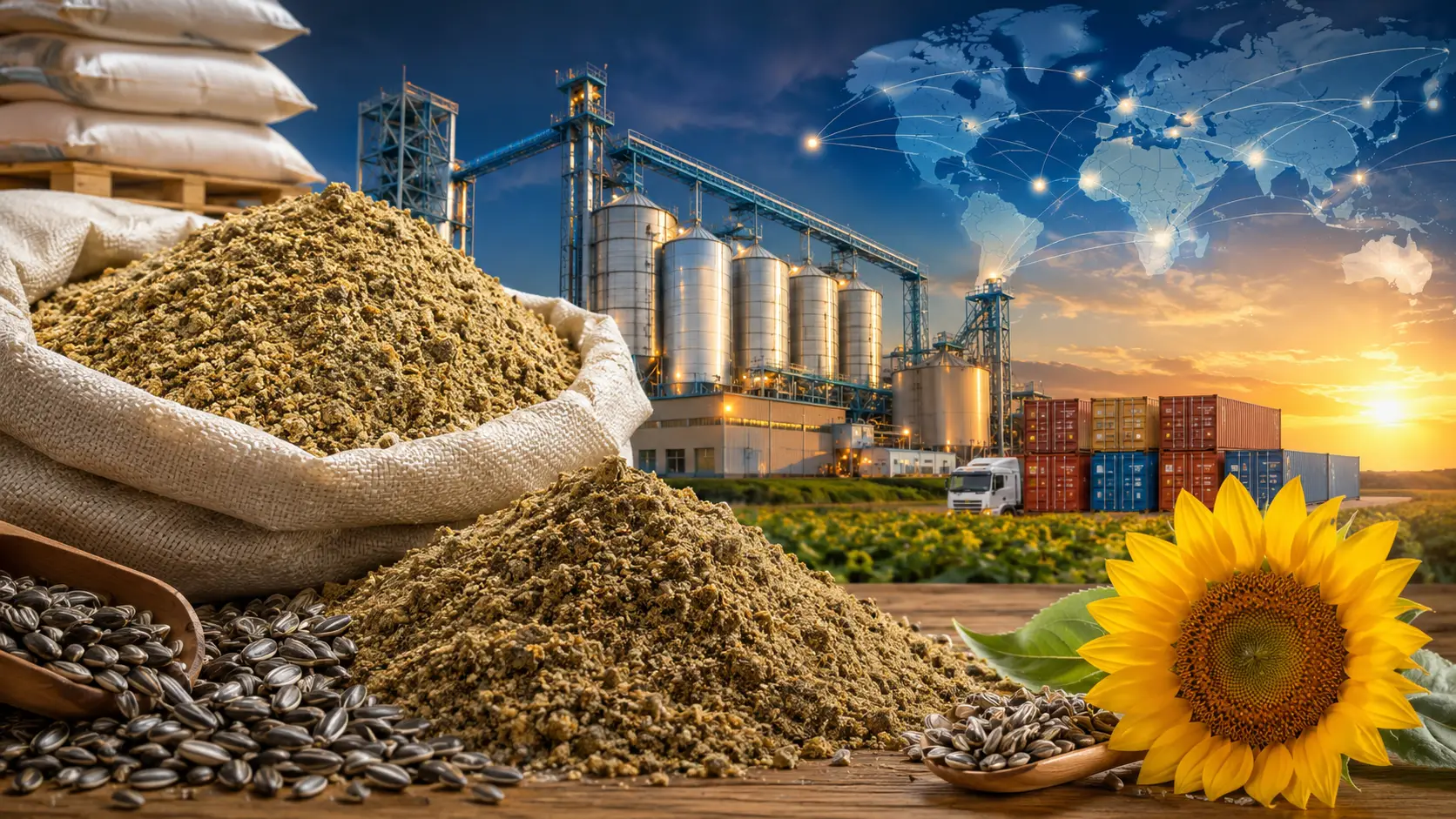
Sunflower meal is a byproduct generated after oil extraction from sunflower seeds. It is widely used as a protein-rich feed ingredient due to its nutritional profile and cost efficiency in animal nutrition systems. Commercially, sunflower meal enters agricultural supply chains through oilseed processing operations and is distributed to feed producers and livestock industries worldwide.
Product Characteristics and Commercial Role
The nutritional composition of sunflower meal can vary according to processing methods and dehulling rates. Protein levels, fiber content, and digestibility often influence purchasing decisions among industrial users. Processing technologies also affect consistency and end-use performance.
According to technical publications from the Food and Agriculture Organization (FAO), oilseed meals remain among the most important protein sources used in livestock feed formulations worldwide. Sunflower meal continues to gain interest because of its balanced nutrient profile and broad availability.
Global agricultural processors increasingly evaluate alternative protein ingredients as demand for feed products expands. This trend positions sunflower meal as a commercially relevant commodity within animal nutrition markets.
For procurement teams, sunflower meal is more than an agricultural byproduct; it represents a strategic ingredient supporting supply reliability and cost management in feed production.
Major Industrial Applications of Sunflower Meal
Sunflower meal serves multiple industrial applications, although the largest demand remains concentrated in animal feed manufacturing. The product is valued for its protein contribution and its ability to complement other feed ingredients in nutritional formulations.
Feed Manufacturing Applications
Feed producers use sunflower meal in poultry, cattle, swine, aquaculture, and ruminant nutrition systems. Formulators often combine sunflower meal with other protein ingredients to achieve nutritional targets and cost efficiency.
Based on information published by agricultural research institutions and feed associations, sunflower meal can contribute amino acids and energy components required for livestock performance. Feed formulation strategies frequently depend on local market conditions and species requirements.
The livestock industry continues to expand in developing economies where protein consumption and animal production are increasing. This growth supports demand for reliable feed ingredients across regional markets.
Industrial buyers also evaluate sunflower meal according to consistency, transportation efficiency, and compatibility with existing manufacturing systems.
Market Trends Driving Global Demand
Demand patterns for sunflower meal are influenced by broader developments in agriculture, livestock production, and global trade activity. Market participants increasingly monitor price movements and shifts in protein ingredient availability.
Factors Supporting Demand Growth
According to market analysis published by agricultural commodity organizations, rising global meat consumption has increased demand for protein-based feed ingredients. This trend continues to influence purchasing strategies among feed manufacturers.
Supply disruptions and price fluctuations affecting traditional protein sources have encouraged procurement teams to diversify sourcing approaches. Sunflower meal frequently enters discussions as an alternative feed ingredient supporting supply resilience.
Regional production growth in sunflower-producing countries has also expanded international trade opportunities. Buyers increasingly evaluate suppliers beyond traditional sourcing regions to improve procurement flexibility.
Market participants are expected to continue monitoring agricultural production patterns and feed consumption trends when evaluating long-term purchasing decisions.
Buyer Intent and Procurement Considerations
Commercial buyers approach sunflower meal procurement with specific operational requirements and purchasing criteria. Decision-making often extends beyond pricing and includes broader supply chain considerations.
Evaluation Criteria for Procurement Teams
Typical buyers include feed manufacturers, agricultural processors, livestock producers, distributors, traders, and procurement specialists managing ingredient portfolios. These organizations require stable product quality and reliable shipment performance.
According to feed industry guidance published by professional agricultural organizations, procurement teams commonly assess protein content, moisture levels, fiber characteristics, origin, and processing quality before purchasing feed ingredients.
Supplier comparisons occur because buyers seek predictable quality, competitive pricing structures, and stable long-term availability. Transportation efficiency and documentation standards may also affect purchasing decisions.
Product pages within B2B marketplaces support sourcing decisions by providing specifications, product information, and communication channels that simplify supplier evaluation processes.
Sourcing Strategies for B2B Buyers
Successful procurement strategies depend on balancing cost efficiency, supply reliability, and operational consistency. Buyers increasingly adopt sourcing models designed to reduce risk exposure.
Building Effective Supply Relationships
Organizations purchasing sunflower meal often assess supplier capabilities beyond initial product pricing. Production capacity and inventory management capabilities can influence purchasing confidence.
According to agricultural trade analyses and commodity market observations, buyers are increasingly diversifying sourcing channels to strengthen supply continuity and reduce dependence on single-region suppliers.
International sourcing strategies may involve manufacturers, distributors, traders, and digital B2B marketplaces that connect buyers with multiple supplier networks.
Long-term sourcing relationships can improve purchasing predictability and support procurement planning for organizations operating in dynamic agricultural markets.
Future Outlook for Sunflower Meal Markets
Future growth opportunities for sunflower meal are connected to changing livestock demand patterns and ongoing developments in agricultural value chains. Industry participants continue monitoring supply and demand fundamentals.
Emerging Commercial Opportunities
Based on industry forecasts from agricultural market research organizations, feed demand growth is expected to continue in regions experiencing population growth and increasing protein consumption.
Technological developments in feed formulation may also influence how sunflower meal is integrated into nutritional systems. Enhanced processing methods could improve nutritional characteristics and expand application opportunities.
Sustainability considerations are becoming increasingly important for procurement and sourcing teams. Agricultural industries are paying closer attention to resource efficiency and byproduct utilization strategies.
Sunflower meal is expected to maintain commercial relevance as organizations seek reliable feed ingredients capable of supporting cost management and supply diversification objectives.
Sources
Food and Agriculture Organization (FAO)
United States Department of Agriculture (USDA) Economic Research Service
Leave a Comment