Introduction Stearic Acid
Industrial stearic acid is one of the most versatile and widely used oleochemicals in the world. Derived primarily from vegetable oils and animal fats, it plays a central role in applications ranging from surfactants and rubber processing to plastics, candles, lubricants, and personal care products. For global buyers, formulators, and procurement teams, understanding how stearic acid fits into the wider oleochemical value chain is essential to securing consistent quality, reliable supply, and competitive pricing.
As sustainability, traceability, and regulatory compliance gain importance across end-use industries, the way companies source and apply stearic acid is also evolving. Industrial users are increasingly evaluating feedstock origin, RSPO (Roundtable on Sustainable Palm Oil) certification, carbon footprint, and supply risk when choosing suppliers and product grades. This makes structured market insight and clear technical information especially valuable for buyers.
This article provides a detailed, globally oriented overview of stearic acid for oleochemical applications. It examines major uses and benefits, key specifications and quality parameters, current market and pricing trends, and practical considerations for sourcing through platforms such as chemtradeasia. The goal is to support procurement, R&D, and business development professionals in making informed decisions when purchasing stearic acid for industrial use.
Stearic Acid in the Global Oleochemicals Landscape
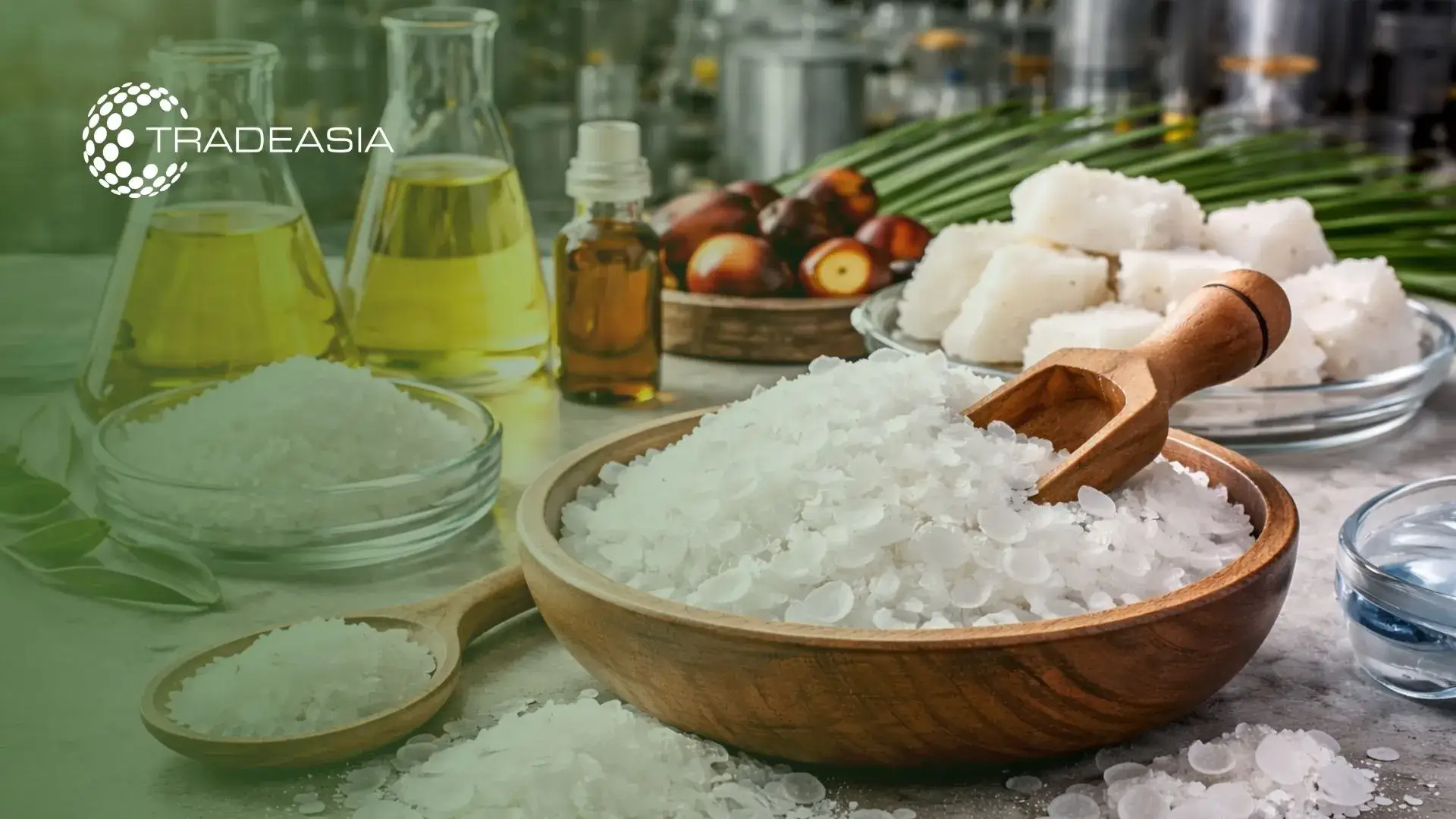
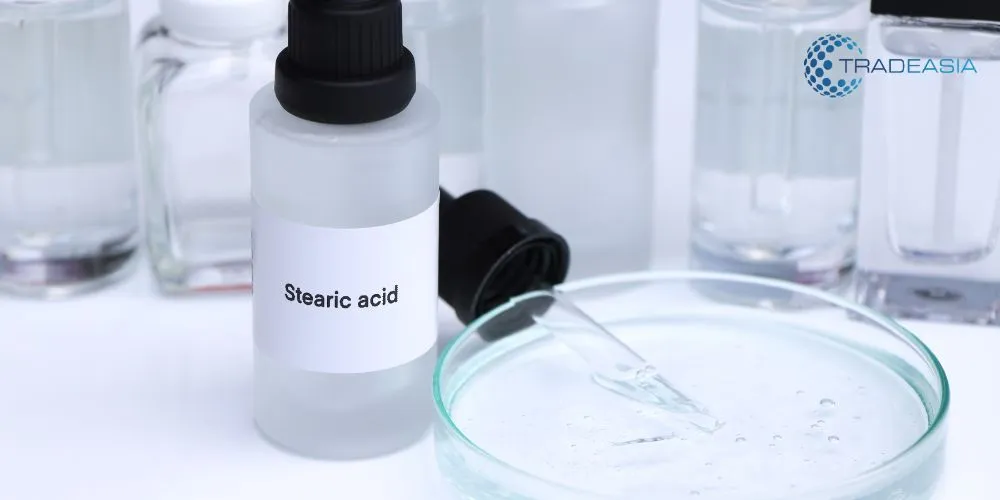
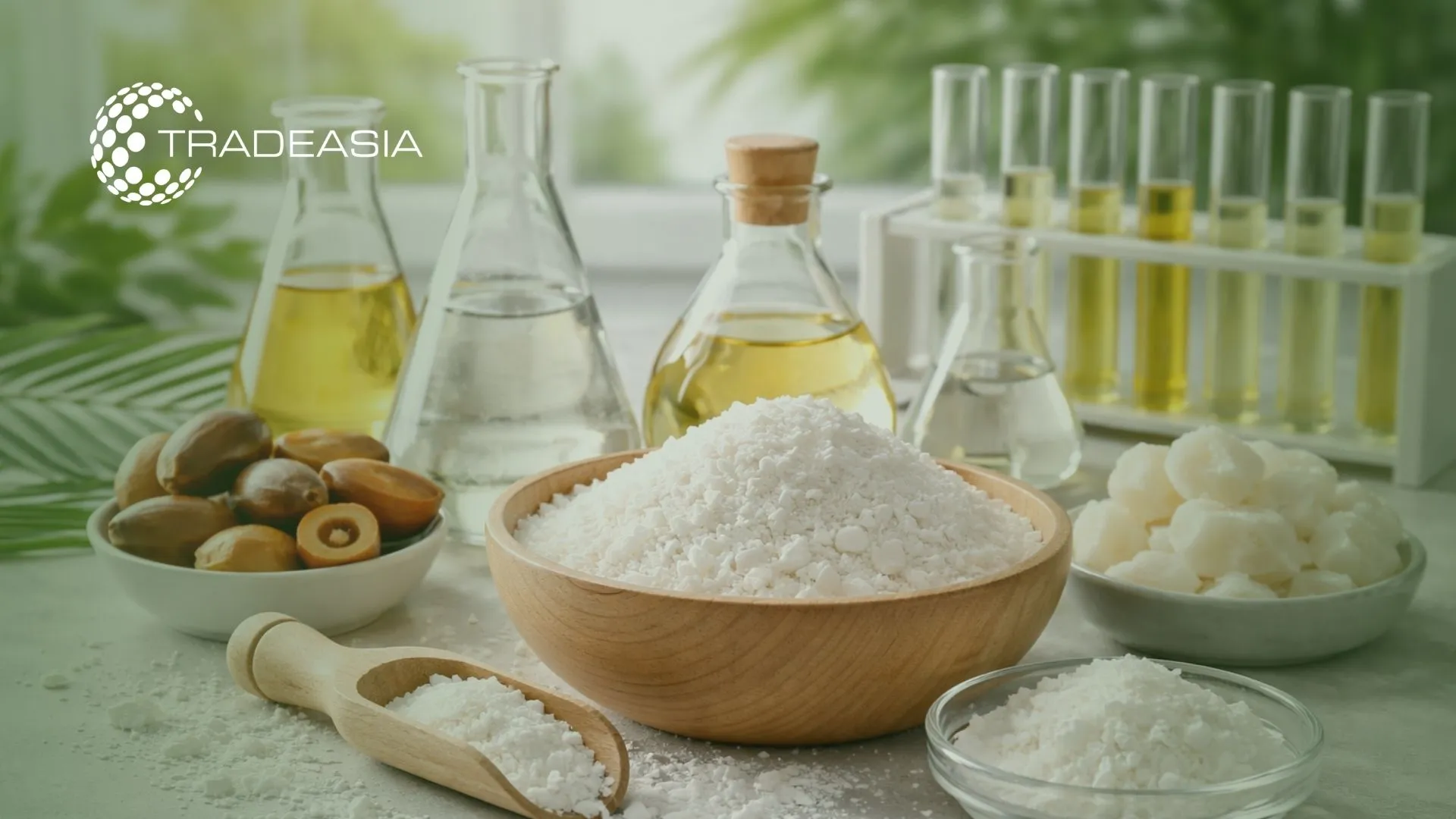
Stearic acid (C18H36O2) is a saturated long-chain fatty acid, typically produced via hydrolysis and subsequent distillation of triglyceride feedstocks such as palm oil, palm kernel oil, tallow, or other animal fats. In the broader oleochemical industry, it sits alongside fatty alcohols, fatty amines, glycerin, and soap noodles as a core building block for downstream chemical products. Its relatively high melting point, waxy nature, and compatibility with a wide range of materials make it highly attractive for industrial formulations.
Global demand for stearic acid is closely correlated with the performance of end-use sectors such as rubber and tires, PVC and plastics, personal care and cosmetics, detergents, and candles. Market estimates in recent years have placed worldwide stearic acid consumption in the range of several million metric tons annually, with Asia-Pacific acting as both a major producer and consumer due to its strong palm oil base and manufacturing capacity. Countries such as Indonesia, Malaysia, China, and India are particularly significant in the supply chain.
Within the oleochemicals ecosystem, stearic acid is valued not only as a final functional ingredient but also as an intermediate. It is used to manufacture metallic stearates (such as calcium, zinc, and magnesium stearate), surfactants, lubricants, and stabilizers that are essential in plastics processing and pharmaceutical compounding. As a result, procurement teams often treat stearic acid as a strategic raw material whose availability and price can influence the cost structure of multiple downstream product lines.
Key Industrial Applications and Benefits of Stearic Acid
One of the most important industrial uses of stearic acid is in the rubber and tire industry. Stearic acid acts as an activator in the vulcanization process, working together with zinc oxide to improve cross-linking and final mechanical properties. It also functions as an internal lubricant and dispersing agent, helping fillers such as carbon black distribute more evenly in rubber compounds. These roles contribute to improved processing, enhanced durability, and consistent quality in finished rubber goods.
In the plastics sector, stearic acid and its derivatives, particularly metallic stearates, serve as lubricants, mold release agents, and stabilizer components in PVC and other thermoplastics. They reduce friction during extrusion and injection molding, prevent sticking to metal surfaces, and can contribute to better thermal stability. This leads to smoother processing, lower energy consumption, and reduced defect rates in finished plastic products such as pipes, profiles, films, and molded components.
Another major application area is personal care, cosmetics, and household products. Stearic acid is used in creams, lotions, shaving foams, and soaps as an emulsifier, thickener, and structuring agent. It helps create stable oil-in-water emulsions, improves texture, and contributes to the “body” and opacity of formulations. In candle manufacturing, stearic acid is blended with paraffin or other waxes to raise melting points, increase hardness, and improve burning characteristics. Additional uses include metalworking lubricants, textile softeners, and as a component in surfactant synthesis, highlighting the broad functional benefits of this versatile oleochemical.
Specifications, Grades, and Quality Parameters for Buyers
For industrial buyers, selecting the right grade of stearic acid is critical to performance and regulatory compliance. Commercial products are often categorized by iodine value (degree of saturation), acid value, color, and purity. Common grades include triple-pressed stearic acid, rubber grade, cosmetic or pharmaceutical grade, and tailor-made blends of C16 and C18 fatty acids. Triple-pressed grades, for example, are highly refined, with low color and odor, making them suitable for sensitive applications such as cosmetics and high-quality candles.
Key quality parameters typically specified in technical data sheets (TDS) and certificates of analysis (COA) include acid value, saponification value, iodine value, melting point, moisture content, and color (often measured using the Lovibond scale). For cosmetic and personal care uses, additional requirements such as low heavy metal content, microbiological limits, and compliance with regulations like EU Cosmetics Regulation or FDA guidelines may apply. In rubber and plastics, consistency in melting point and acid value is essential to ensure reproducible processing behavior.
Feedstock origin and sustainability certifications are increasingly important for global buyers. Many customers request palm-based stearic acid with RSPO certification or documentation related to deforestation-free supply chains. Industrial users in Europe and North America, in particular, may require traceability and sustainability reporting to meet corporate ESG commitments. Platforms like chemtradeasia facilitate comparison of grades from different producers, enabling buyers to match technical specifications, certification status, and commercial terms with their end-use requirements.
Global Market Trends, Pricing Drivers, and Sourcing with chemtradeasia
The global stearic acid market is influenced by multiple interconnected factors, including palm oil and tallow prices, energy and logistics costs, regional demand patterns, and environmental regulations. Since a significant portion of stearic acid production is palm-based, fluctuations in crude palm oil (CPO) and palm stearin prices can directly impact stearic acid pricing. Weather events, export policies in major producing countries, and changes in biodiesel mandates (which affect palm oil demand) can all contribute to price volatility.
Demand-side trends also shape the market. Growth in automotive and construction sectors supports rubber and PVC demand, while increasing consumer spending on personal care products boosts consumption of cosmetic-grade stearic acid. At the same time, regulatory moves toward more sustainable and bio-based ingredients generally favor oleochemicals over petrochemical alternatives. However, competition from synthetic fatty acids and alternative waxes remains a consideration in some applications. Buyers need up-to-date market intelligence to navigate these dynamics and optimize purchasing strategies.
For global sourcing, trading and distribution platforms such as chemtradeasia play a central role in connecting buyers with reputable stearic acid manufacturers across Asia, Europe, and other regions. By aggregating supply from multiple producers, chemtradeasia can offer a range of grades, packaging options (bags, big bags, bulk), and incoterms to suit different customer profiles, from small formulators to large multinational manufacturers. In addition to commercial benefits, such platforms often provide documentation support, sample coordination, and logistics solutions, helping buyers reduce administrative complexity and manage supply risk across borders.
Conclusion
Stearic acid has established itself as a foundational oleochemical for a wide array of industrial applications, from rubber vulcanization and PVC processing to personal care formulations and candle manufacturing. Its functional properties, lubricity, structuring, emulsification, and compatibility with numerous substrates, make it indispensable in both commodity and specialty products. For global buyers, understanding how different grades and specifications translate into performance is essential for selecting the most suitable product for each application.
As the global market evolves, considerations such as sustainability, regulatory compliance, and supply chain resilience are becoming as important as traditional metrics like price and lead time. Feedstock origin, certifications, and traceability are now key decision factors for many procurement teams. Leveraging structured market insight and engaging with experienced suppliers and trading partners allows companies to secure consistent quality and competitive terms while aligning with broader corporate responsibility objectives.
Disclaimer: This article is intended solely for informational and market insight purposes and does not constitute technical, safety, regulatory, or other professional advice. Readers should independently verify all information with qualified experts, consult official documentation such as MSDS/SDS and relevant standards, and contact appropriate specialists or our team before making decisions or using stearic acid in specific industrial applications.

Leave a Comment