1. Introduction: Soya Lecithin’s Role in Asia’s Manufacturing Stability
Soya lecithin has established itself as a critical functional ingredient across Asia’s manufacturing ecosystem. Its emulsifying, stabilizing, and dispersing properties make it indispensable in food processing, feed production, and pharmaceutical formulation. These diverse applications contribute to consistent baseline demand across the region.
Asia’s manufacturing landscape favors ingredients that offer both functional reliability and scalable supply. Soya lecithin meets these criteria by supporting high-volume production while maintaining formulation flexibility. As a result, it remains a staple input rather than a cyclical commodity.
According to market analysis published by Fortune Business Insights, global soy lecithin demand continues to grow steadily, with Asia Pacific emerging as a key consumption and trading hub due to its manufacturing density. This positions Asia as a central node in global lecithin trade flows.
For traders and distributors, understanding the structural role of soya lecithin within Asia’s manufacturing stability is essential when assessing long-term trading opportunities.
2. Asia Soya Lecithin Market Overview and Growth Outlook
The Asia soya lecithin market is characterized by steady, application-driven growth rather than speculative expansion. Demand is anchored in established industries such as food processing, animal nutrition, and pharmaceuticals, which rely on lecithin for functional performance. This creates predictable consumption patterns.
Regional growth is supported by rising processed food output and expanding feed production across Southeast Asia, China, and India. As manufacturers scale operations, lecithin demand scales proportionally, reinforcing long-term market stability. This dynamic underpins continued trading activity.
Market insights from Food Additives Asia highlight that soya lecithin demand in Asia is expected to remain resilient through 2030, driven by clean-label trends and functional ingredient substitution. These drivers support favorable market fundamentals for traders.
From a commercial perspective, these conditions make Asia an attractive region for sourcing and redistributing soya lecithin across multiple downstream industries.
3. Manufacturing Applications Supporting Consistent Demand
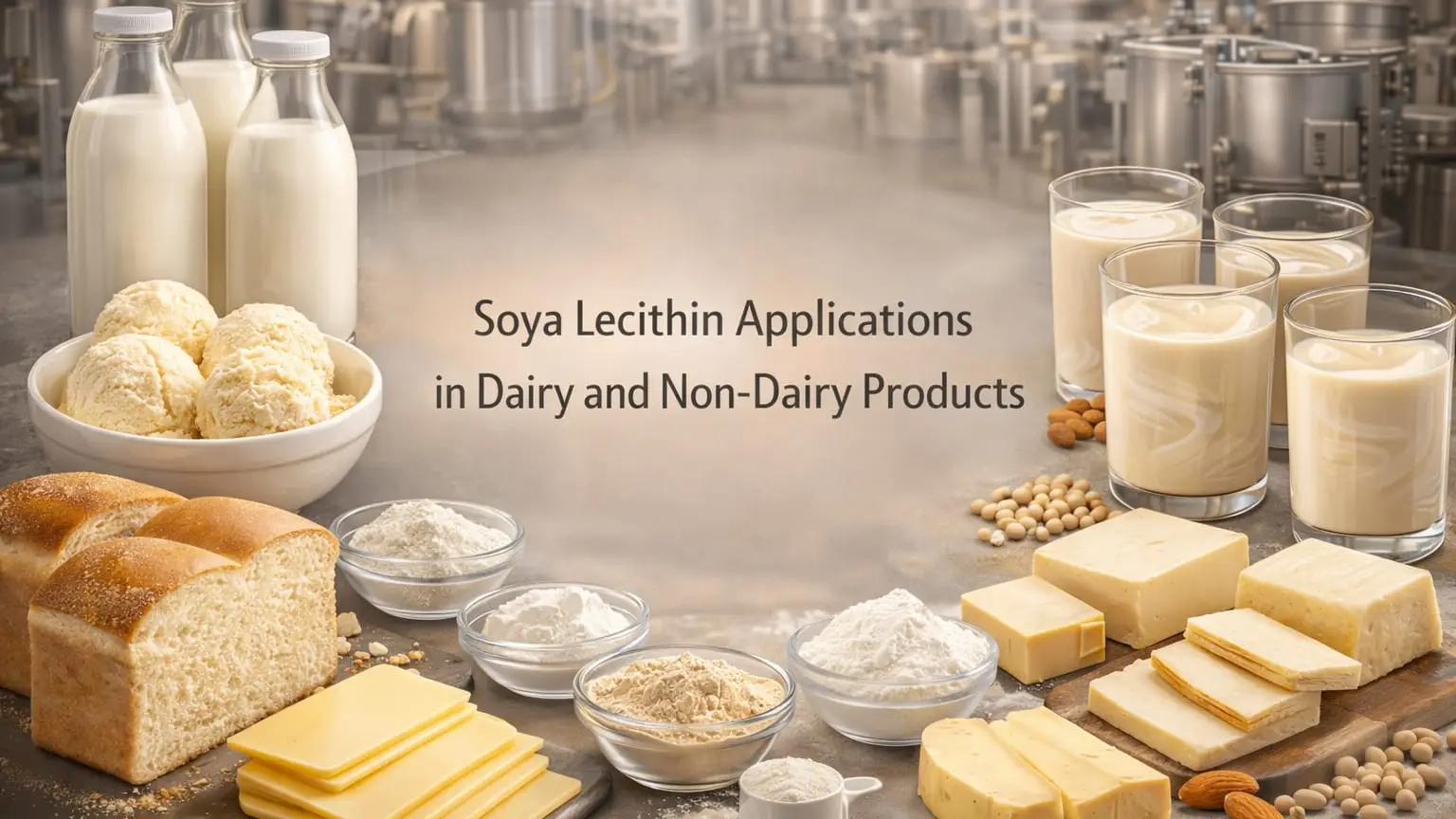
Soya lecithin’s versatility underpins its widespread adoption across Asia’s manufacturing sectors. In food production, it functions as an emulsifier in bakery, confectionery, and instant food applications. In feed manufacturing, it enhances fat digestion and nutrient absorption.
Pharmaceutical and nutraceutical manufacturers also utilize lecithin as an excipient and delivery aid. These applications require consistent quality and regulatory compliance, reinforcing demand for standardized supply. Such multi-sector usage reduces reliance on any single industry.
Scientific reviews indexed by MDPI emphasize lecithin’s role in improving emulsion stability and bioavailability across food and pharmaceutical formulations. These validated functional benefits explain its continued specification in industrial recipes.
Buyers sourcing from platforms such as Soya Lecithin often serve multiple manufacturing segments, allowing traders to diversify customer portfolios within Asia.
4. Regional Supply Sources and International Trade Flows
Asia’s soya lecithin supply is supported by both domestic processing and international sourcing. Major soybean-producing countries such as Brazil and India play a crucial role in supplying raw materials and processed lecithin to Asian markets. This diversified sourcing structure enhances supply security.
International trade flows enable Asian manufacturers to access consistent lecithin volumes regardless of local crop variability. Brazil-origin lecithin, in particular, is widely traded due to its standardized quality and scalability. These trade patterns support uninterrupted manufacturing operations.
Industry trade analysis published in Elsevier journals highlights the importance of diversified origin sourcing in mitigating agricultural and logistics risks. This reinforces the strategic value of international lecithin trade into Asia.
Products such as Soya Lecithin Food 62% Brazil exemplify how global supply chains support Asia’s stable manufacturing demand.
5. Procurement, Quality Standards, and Buyer Considerations
Procurement of soya lecithin in Asia increasingly prioritizes quality consistency, documentation, and regulatory compliance. Food-grade specifications, allergen management, and traceability are critical factors influencing supplier selection. These requirements shape long-term trading relationships.
Buyers also evaluate lecithin based on application-specific performance, such as emulsification strength and dispersibility. This drives demand for origin- and grade-specific products tailored to manufacturing needs. Such specificity elevates the importance of technical support.
According to procurement best practices discussed in Wiley’s supply chain publications, transparent documentation and responsive supplier engagement reduce operational risk and improve sourcing efficiency. These principles are particularly relevant in multi-country trading environments.
For manufacturers sourcing regionally, products like Soya Lecithin Food 62% India and industry engagement insights shared via Tradeasia’s professional network, such as this Tradeasia LinkedIn market insight, support informed procurement decisions.
6. Conclusion: Strategic Trading Outlook for Soya Lecithin in Asia
Soya lecithin trading opportunities in Asia are underpinned by a stable manufacturing landscape and diversified end-use demand. Food, feed, and pharmaceutical sectors collectively sustain consistent consumption, creating reliable trading volumes. This stability differentiates lecithin from more volatile commodity ingredients.
Market intelligence from Fortune Business Insights and Food Additives Asia confirms that Asia will remain a core growth and trading region for soya lecithin over the coming years. These insights support long-term confidence in regional market fundamentals.
Traders and buyers can align sourcing strategies by referencing standardized product options such as Soya Lecithin, Soya Lecithin Food 62% Brazil, and Soya Lecithin Food 62% India, while staying informed through industry updates and market insights.
For technical documentation and compliance support, resources such as the Download Center are valuable, while direct commercial discussions can be initiated via Contact Us. Together, these channels support strategic trading decisions aligned with Asia’s stable soya lecithin demand.

Leave a Comment