Introduction to Soy Protein Isolate
Soy Protein Isolate has become one of the most important plant-derived proteins used in modern food manufacturing. Produced by removing most fats and carbohydrates from defatted soybean flakes, it typically contains more than 90% protein on a dry basis. This high protein concentration makes it an attractive ingredient for manufacturers seeking nutritional value, functional performance, and formulation flexibility across a broad range of food products.
According to the Food and Agriculture Organization (FAO), plant proteins continue to play an increasingly significant role in supporting global food security and sustainable nutrition strategies. Rising consumer awareness of plant-based diets, combined with technological improvements in protein processing, has accelerated the adoption of soy-derived ingredients throughout the global food supply chain.
Understanding the Characteristics of Soy Protein Isolate
Soy Protein Isolate offers excellent emulsification, water-binding, gel formation, and foaming capabilities. These functional characteristics allow manufacturers to improve texture, moisture retention, stability, and nutritional content without significantly altering product quality. Such versatility has positioned soy protein as an essential ingredient across processed foods and specialized nutritional formulations.
Beyond functionality, Soy Protein Isolate is valued for its balanced amino acid profile compared with many other plant proteins. Technical guidance from the U.S. Food and Drug Administration (FDA) and scientific literature published in peer-reviewed nutrition journals recognize soy protein as a high-quality protein source suitable for numerous food applications when incorporated into balanced diets.
Functional Properties Driving Industrial Applications
Manufacturers increasingly select Soy Protein Isolate because it performs multiple technical functions within food processing. Rather than serving solely as a protein source, it contributes to product stability, improved texture, enhanced nutritional labeling, and optimized manufacturing efficiency. These attributes help producers meet evolving consumer expectations for healthier and higher-protein food products.
Research published in the Journal of Food Science demonstrates that functional plant proteins significantly influence water retention, emulsion stability, and texture optimization in processed foods. These characteristics are particularly valuable as manufacturers continue developing innovative plant-based formulations that closely replicate conventional animal-based products.
Applications Across Multiple Food Categories
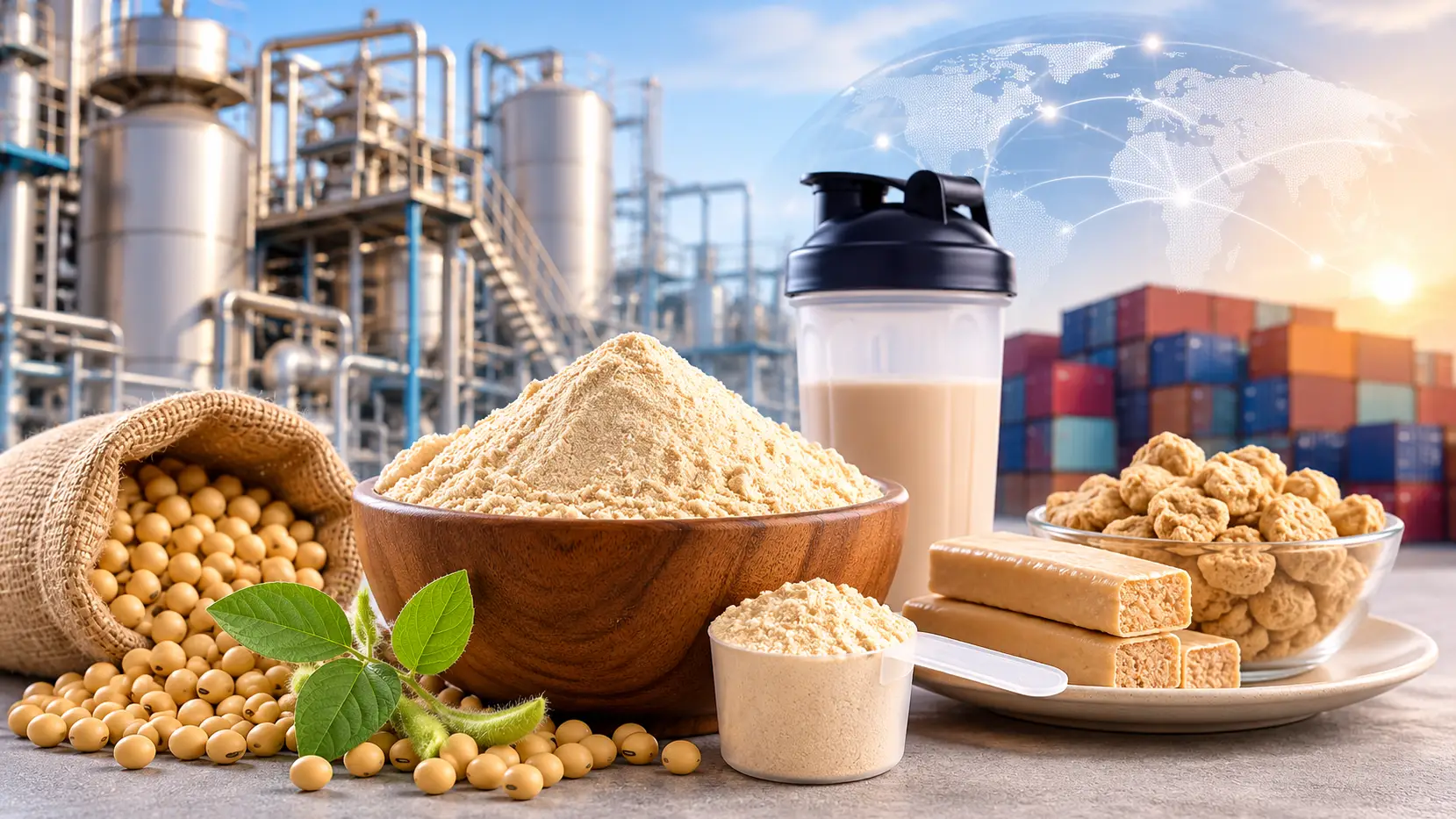
Soy Protein Isolate is extensively used in meat alternatives, processed meat products, dairy alternatives, protein beverages, nutritional supplements, bakery products, infant nutrition (where regulations permit), sports nutrition products, confectionery, and functional snacks. Its ability to enhance protein content while maintaining desirable sensory properties makes it suitable for both conventional and plant-based formulations.
The rapid expansion of the global plant-based food sector has further diversified soy protein applications. Market analyses published by Grand View Research and industry reporting from the Good Food Institute indicate sustained investment in alternative proteins, encouraging manufacturers to incorporate highly functional ingredients such as Soy Protein Isolate into new product development pipelines.
Growing Demand Across Food and Nutrition Industries
Global demand for Soy Protein Isolate continues to increase as food manufacturers respond to changing dietary preferences, protein fortification trends, and sustainability objectives. Consumers increasingly seek products offering higher protein content, cleaner ingredient labels, and plant-based nutritional benefits, encouraging food companies to reformulate existing products while launching entirely new categories.
Industry reports from MarketsandMarkets and the Good Food Institute suggest that demand for plant-based proteins remains supported by innovation in alternative meat, dairy substitutes, ready-to-drink beverages, clinical nutrition, and functional foods. These sectors collectively contribute to expanding commercial opportunities for ingredient suppliers and international distributors.
Innovation Supporting Future Market Expansion
Food manufacturers are investing heavily in formulation technologies that improve taste, texture, digestibility, and consumer acceptance of plant proteins. Advances in protein isolation, flavor masking, and ingredient blending continue to enhance the competitiveness of Soy Protein Isolate compared with both traditional animal proteins and emerging alternative protein sources.
For procurement professionals, these developments highlight the importance of partnering with experienced ingredient suppliers capable of delivering consistent quality, regulatory documentation, and reliable international logistics. Businesses seeking detailed specifications and sourcing information can review the Soy Protein Isolate product page to better evaluate product suitability for commercial food manufacturing applications.
Regional Market Outlook and Supply Chain Trends
The global Soy Protein Isolate market continues to benefit from expanding investments in plant-based nutrition, functional food innovation, and protein fortification. Demand growth is no longer limited to North America and Europe; manufacturers throughout Asia-Pacific, Latin America, and the Middle East are increasing production capacity to meet rising consumer interest in healthier and more sustainable food products. According to market analysis published by Grand View Research, the plant protein ingredient sector is expected to maintain steady long-term growth as food companies diversify their product portfolios.
Supply chain resilience has also become a major procurement priority. Recent disruptions in agricultural commodities, transportation, and geopolitical trade have encouraged food manufacturers to diversify sourcing strategies and establish relationships with reliable international suppliers. Industry reports from the Organisation for Economic Co-operation and Development (OECD) and the Food and Agriculture Organization (FAO) highlight the importance of efficient agricultural supply chains in supporting global food security and ingredient availability.
Global Trade Opportunities for Food Ingredient Buyers
Asia remains one of the fastest-growing regions for Soy Protein Isolate consumption due to increasing urbanization, expanding food processing industries, and greater demand for plant-based protein products. Countries including China, Singapore, Thailand, Indonesia, and Vietnam continue to strengthen their food manufacturing capabilities, creating new opportunities for ingredient suppliers, distributors, and traders serving both domestic and export markets.
Meanwhile, North America and Europe continue to drive innovation through premium functional foods, sports nutrition, dairy alternatives, and meat substitutes. Procurement teams operating in these mature markets increasingly prioritize suppliers that can demonstrate product consistency, quality assurance, regulatory compliance, and transparent documentation. As sustainability reporting becomes more common across multinational food companies, supplier evaluation increasingly extends beyond pricing to include traceability, logistics reliability, and long-term partnership capabilities.
Buyer Intent and Procurement Considerations
Organizations purchasing Soy Protein Isolate typically include food manufacturers, beverage producers, nutritional supplement companies, meat alternative brands, ingredient distributors, contract manufacturers, and private-label product developers. These buyers seek ingredients that not only meet nutritional targets but also integrate efficiently into production processes while supporting product quality and regulatory compliance. According to guidance published by the U.S. Food and Drug Administration (FDA) and the European Food Safety Authority (EFSA), ingredient documentation and labeling requirements remain important considerations for commercial food applications.
Procurement teams generally evaluate multiple technical and commercial factors before selecting a supplier. Product specifications such as protein concentration, microbiological standards, particle size, functionality, allergen management, packaging options, shelf life, and certifications can significantly influence purchasing decisions. Commercial considerations—including production capacity, delivery schedules, export experience, and supply continuity—are equally important when selecting long-term ingredient partners.
Why Buyers Compare Suppliers Before Purchasing
Supplier comparison helps buyers reduce operational risk while ensuring product consistency across manufacturing batches. International food manufacturers often request certificates of analysis, quality management certifications, origin documentation, and technical data sheets to verify compliance with internal procurement standards. Reliable communication and responsive technical support also contribute to supplier selection, particularly for companies introducing new product formulations or expanding into international markets.
For organizations evaluating sourcing options, comprehensive product information simplifies procurement decisions and supports faster qualification processes. Buyers can access specifications, application details, and commercial sourcing information through the Soy Protein Isolate supplier information, enabling procurement teams to assess whether the ingredient aligns with their manufacturing requirements before initiating commercial discussions.
Commercial Positioning and Strategic Sourcing Through Tradeasia Marketplace
Soy Protein Isolate has evolved from a specialty ingredient into a strategically important raw material for the global food industry. Its combination of high protein content, functional versatility, and compatibility with a wide range of formulations positions it as a valuable ingredient for manufacturers responding to changing consumer preferences. As demand for plant-based nutrition, protein enrichment, and sustainable food production continues to grow, reliable access to high-quality Soy Protein Isolate becomes increasingly important for maintaining competitive manufacturing operations. Industry insights from the Good Food Institute and FAO continue to demonstrate strong long-term momentum for plant-based protein ingredients worldwide.
Commercial success increasingly depends on sourcing strategies that balance product quality, supply continuity, regulatory compliance, and cost efficiency. Businesses operating across multiple markets require dependable suppliers capable of supporting international logistics, documentation requirements, and consistent product availability. A diversified sourcing approach also helps reduce supply chain risks associated with fluctuating agricultural markets and changing global trade conditions.
Supporting B2B Procurement Through Tradeasia Marketplace
Tradeasia Marketplace supports manufacturers, distributors, and procurement professionals by connecting buyers with industrial ingredient sourcing solutions designed for international trade. Rather than focusing solely on product availability, the marketplace facilitates access to technical information, commercial documentation, and supplier support that helps organizations streamline purchasing decisions across diverse food manufacturing applications.
As global demand for functional plant proteins continues to expand, sourcing decisions become increasingly strategic. Companies seeking dependable ingredient supply can explore the Soy Protein Isolate product page for technical specifications and sourcing information that supports informed procurement. By combining market insight with reliable supplier networks, Tradeasia Marketplace helps B2B buyers strengthen supply chain resilience while supporting innovation across food, beverage, and nutrition industries.
Sources
Leave a Comment