Soy Protein Concentrate Market Demand: Buyer Trends and Supply Chain Opportunities
Understanding Soy Protein Concentrate in Industrial Supply Chains
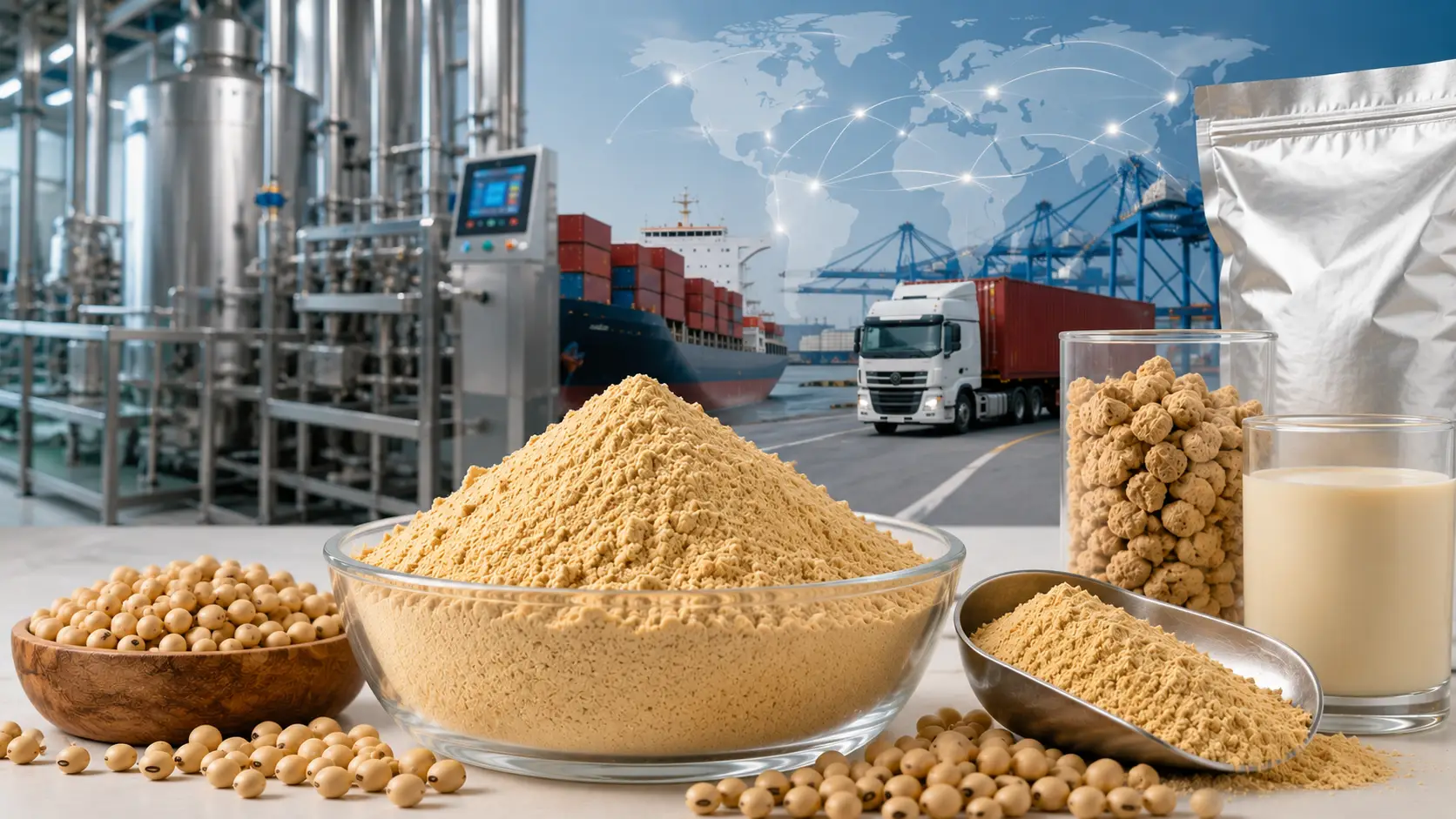
Soy protein concentrate (SPC) is a processed soy derivative containing a high protein content, typically produced by removing soluble carbohydrates from defatted soybean flakes. It serves as an important functional ingredient in industries requiring protein enrichment, emulsification, and nutritional enhancement.
The material has gained increasing commercial relevance because manufacturers seek ingredients that combine nutritional value with process efficiency. As supply chains evolve toward plant-based and sustainable formulations, soy protein concentrate continues to attract interest from both traditional and emerging sectors.
Role of Soy Protein Concentrate in Modern Manufacturing
According to Food and Agriculture Organization, global protein demand continues to increase as food systems adapt to changing consumption patterns and nutritional priorities. Soy-derived proteins remain important because of scalability and broad industrial usability.
Technical information from United States Department of Agriculture also indicates that soybean processing infrastructure supports large-scale production systems, creating stable supply channels for industrial buyers and traders.
Industrial Applications Driving Demand Growth
Soy protein concentrate is used across several industries because of its ability to provide functional and nutritional benefits while maintaining process consistency. Manufacturers use it to improve texture, water retention, and protein content in finished formulations.
Growing demand for alternative proteins has expanded the use of SPC beyond conventional applications. Food processors increasingly integrate soy proteins into products that require balanced nutritional profiles and cost-efficient ingredient systems.
Expansion Across End-Use Industries
According to market analysis from Plant Based Foods Association, plant-protein demand has expanded across food and beverage categories. Meat alternatives, dairy substitutes, protein snacks, and bakery products represent active growth areas.
Animal nutrition manufacturers also utilize SPC in aquaculture, pet food, and livestock feed applications because controlled protein levels and digestibility can support formulation objectives.
Market Trends Shaping Soy Protein Concentrate Consumption
Recent market developments indicate a shift toward ingredients associated with sustainable production and protein diversification. Consumer and industrial demand patterns increasingly affect procurement decisions throughout global supply networks.
Manufacturers are also adapting production processes to satisfy requirements for cleaner ingredient labels and specialized formulations. These developments influence both supply planning and investment decisions within agricultural processing industries.
Demand Trends Affecting B2B Buyers
According to Organisation for Economic Co-operation and Development and agricultural outlook studies, global protein consumption trends are expected to maintain long-term growth as populations and nutritional requirements evolve.
Market analysis published by major agricultural research organizations also indicates that Asia-Pacific markets continue showing strong interest in protein ingredients due to food manufacturing expansion and feed-sector development.
Buyer Intent and Procurement Decision Factors
Soy protein concentrate buyers commonly include food ingredient manufacturers, feed formulators, nutrition companies, contract manufacturers, and industrial distributors. Procurement activity is usually driven by functional performance requirements and volume-based purchasing strategies.
Organizations purchasing SPC often operate under specifications that require consistent quality and traceable sourcing practices. As a result, supplier evaluation extends beyond pricing considerations alone.
How Procurement Teams Evaluate Suppliers
According to technical procurement practices reported by Institute for Supply Management, industrial buyers frequently assess ingredient consistency, supply continuity, certification status, and logistics reliability before entering supply agreements.
Buyers compare suppliers because product specifications, protein percentages, regional availability, lead times, and documentation support can vary significantly between manufacturers and trading partners.
Global Sourcing and Supply Chain Opportunities
Soy protein concentrate sourcing involves a network of soybean processors, ingredient manufacturers, distributors, exporters, and B2B trading companies operating across regional markets. Supply chain flexibility can strongly affect purchasing outcomes for industrial users.
Large agricultural economies with soybean processing infrastructure often influence availability and pricing patterns. Procurement teams monitor sourcing regions because agricultural production cycles can impact market conditions.
Supply Strategies for Industrial Buyers
According to agricultural trade information from International Trade Centre, diversified sourcing strategies help reduce operational risk and improve procurement stability in global supply chains.
B2B marketplace environments also support sourcing decisions by allowing buyers to compare specifications, request quotations, evaluate suppliers, and identify regional supply opportunities from multiple providers.
Future Outlook for Soy Protein Concentrate Markets
Soy protein concentrate is expected to maintain strategic importance because manufacturers continue seeking scalable protein solutions that satisfy nutritional, economic, and functional requirements. Demand drivers extend across both food and non-food sectors.
Increasing investment in plant-based formulations and advanced protein processing technologies may further strengthen industry adoption over time. Supply chain participants are therefore paying closer attention to capacity development.
Long-Term Commercial Potential
According to industry outlook data from OECD-FAO Agricultural Outlook, agricultural proteins are projected to remain essential components of future food and feed systems.
For procurement teams and distributors, soy protein concentrate represents more than a commodity ingredient; it serves as a strategic material connected to evolving market demand, industrial innovation, and global sourcing opportunities.
Sources
Food and Agriculture Organization (FAO)
United States Department of Agriculture (USDA)
International Trade Centre (ITC)
Leave a Comment