Understanding Soy Lecithin and Its Role in Global Industrial Markets
What Is Soy Lecithin?
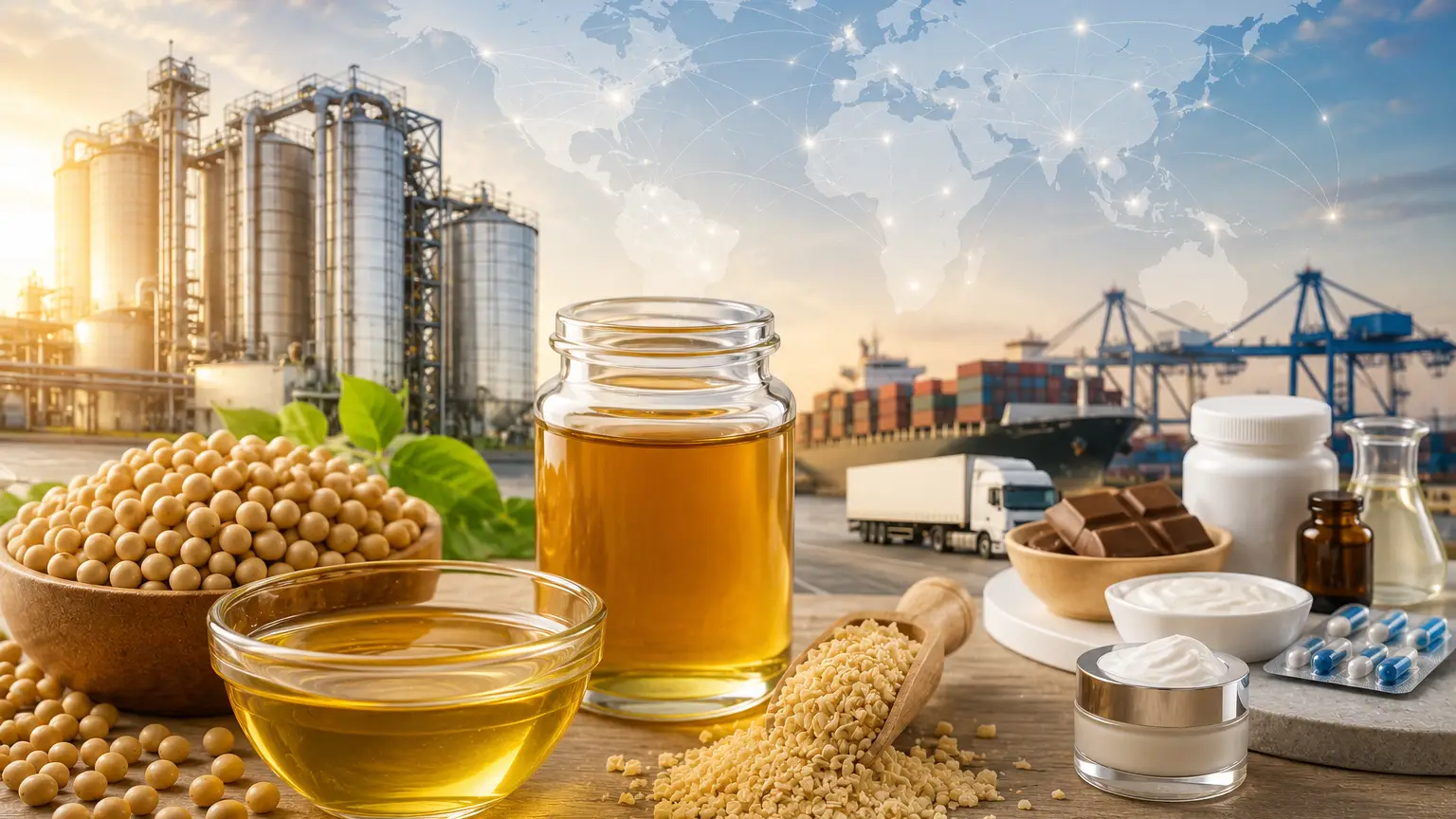
Soy Lecithin is a natural phospholipid-based ingredient derived from soybean processing and is widely recognized for its emulsifying, stabilizing, and dispersing properties. It is commonly supplied in liquid, powder, or granulated forms depending on the requirements of different industrial applications. Its ability to improve texture, enhance ingredient compatibility, and support formulation stability has made it an important functional ingredient for manufacturers worldwide.
According to technical information from the Food and Agriculture Organization of the United Nations, soybean-derived products continue to play an important role in global food and agricultural value chains. Soy Lecithin benefits from this established soybean supply network, allowing manufacturers to access a versatile ingredient for multiple downstream applications.
Functional Properties Supporting Industrial Demand
The commercial importance of Soy Lecithin comes from its multifunctional performance as an emulsifier and processing aid. In manufacturing environments, it helps combine ingredients that naturally separate, such as oils and water-based components, while also improving consistency and product quality. These characteristics make Soy Lecithin valuable across food, nutrition, pharmaceutical, and personal care industries.
Technical research published by the National Center for Biotechnology Information highlights the functional relevance of phospholipids, including their role in biological systems and industrial formulations. For industrial buyers, understanding these properties is essential when selecting suitable Soy Lecithin grades for specific applications.
Soy Lecithin sourcing decisions are often influenced by factors such as purity level, processing method, regulatory compliance, and intended end use. Manufacturers typically evaluate whether suppliers can provide consistent specifications that match production requirements and quality standards.
Industrial Applications Driving Soy Lecithin Demand Across Industries
Soy Lecithin Applications in Food Manufacturing
The food industry represents one of the largest application areas for Soy Lecithin. Food manufacturers use it as an emulsifier, texture enhancer, and processing ingredient in products such as chocolate, bakery goods, dairy alternatives, instant beverages, and nutritional foods. Its ability to improve mixing efficiency and maintain product consistency supports large-scale food production.
According to information from the European Food Safety Authority, food additives and functional ingredients undergo safety assessments to support their authorized use in food applications. This regulatory environment encourages manufacturers to source reliable Soy Lecithin products that meet required food safety specifications.
Use of Soy Lecithin in Nutraceutical and Pharmaceutical Industries
Soy Lecithin is also used in nutraceutical formulations because phospholipids are associated with nutritional and functional benefits. Supplement manufacturers may incorporate Soy Lecithin into capsules, powders, and health-focused formulations where ingredient functionality and compatibility are important considerations.
Pharmaceutical and healthcare-related buyers evaluate Soy Lecithin based on factors including formulation requirements, documentation availability, and supplier quality systems. Reliable sourcing is particularly important because manufacturers require consistent raw materials to maintain production standards.
Cosmetic and Personal Care Formulation Applications
In cosmetic manufacturing, Soy Lecithin is valued for its role as a conditioning ingredient and formulation aid. It can support product texture, ingredient dispersion, and skin-feel characteristics in creams, lotions, and personal care formulations.
The growing demand for multifunctional plant-based ingredients has encouraged cosmetic manufacturers to explore natural-origin raw materials. This trend creates additional sourcing opportunities for suppliers that can provide traceable and consistently manufactured Soy Lecithin products.
Market Trends and Growth Factors Influencing Soy Lecithin Buyers
Rising Demand for Plant-Based Functional Ingredients
The increasing preference for plant-derived ingredients has become a significant factor influencing Soy Lecithin demand. Food manufacturers, supplement brands, and personal care companies are expanding their use of natural-origin ingredients to meet consumer expectations for cleaner formulations and recognizable raw materials.
According to market observations from MarketsandMarkets, demand for functional food ingredients and specialty ingredients continues to expand as manufacturers develop products focused on nutrition, convenience, and improved functionality. Soy Lecithin benefits from this broader movement toward multifunctional ingredients.
Expanding Applications Across Global Manufacturing Sectors
A major market advantage of Soy Lecithin is its cross-industry application potential. Unlike ingredients limited to a single sector, Soy Lecithin supports multiple manufacturing categories, allowing suppliers and distributors to serve diverse customer segments.
Industrial buyers increasingly seek suppliers capable of providing flexible sourcing solutions for different grades, packaging formats, and regional requirements. This creates opportunities for chemical marketplaces that connect manufacturers, traders, and international buyers.
Supply Chain Considerations Affecting Procurement Decisions
Soy Lecithin procurement is influenced by soybean availability, processing capacity, transportation conditions, and regional trade requirements. Buyers often compare suppliers based on reliability, documentation, pricing competitiveness, and ability to support long-term supply agreements.
For international procurement teams, selecting a dependable Soy Lecithin supplier is essential for reducing production risks and maintaining consistent manufacturing operations.
Key Buyer Groups and Procurement Considerations for Soy Lecithin
Who Buys Soy Lecithin?
Soy Lecithin buyers include food manufacturers, ingredient distributors, nutraceutical companies, pharmaceutical producers, cosmetic manufacturers, and industrial traders. Each buyer group evaluates the product according to different technical and commercial requirements.
Food companies may prioritize emulsification performance and food-grade compliance, while nutraceutical and pharmaceutical buyers may focus on documentation, consistency, and formulation compatibility. Distributors typically evaluate supplier reliability, availability, and market competitiveness.
Industry analysis from the International Food Information Council shows continued interest in functional ingredients that support evolving consumer product trends, reinforcing the importance of reliable ingredient sourcing.
Procurement Factors When Selecting Soy Lecithin Suppliers
Before purchasing Soy Lecithin, procurement teams typically review product specifications, certificates, manufacturing standards, packaging options, logistics capability, and supplier experience. These factors help buyers identify partners capable of meeting operational and regulatory expectations.
Supplier transparency is increasingly important in international chemical and ingredient trade. Buyers often prefer suppliers that provide clear technical documentation and consistent communication throughout the purchasing process.
Why Buyers Compare Multiple Suppliers
Soy Lecithin buyers frequently compare suppliers because product availability, pricing structures, quality standards, and delivery capabilities can vary between regions and manufacturers. Comparing suppliers allows companies to balance cost efficiency with supply reliability.
A B2B marketplace environment helps buyers evaluate different sourcing options while improving access to international suppliers and distributors.
Global Sourcing Opportunities and Supplier Evaluation Factors
Importance of Reliable Soy Lecithin Supply Chains
Reliable supply chains are critical for manufacturers that depend on consistent ingredient availability. Disruptions in raw material sourcing, transportation, or production capacity can affect manufacturing schedules and customer commitments.
According to supply chain research from the McKinsey & Company, companies across industries are increasingly focusing on supply chain resilience and supplier diversification. This approach is relevant for businesses sourcing functional ingredients such as Soy Lecithin.
Evaluating Soy Lecithin Suppliers in International Trade
When selecting a Soy Lecithin supplier, buyers commonly consider production capabilities, product range, export experience, and responsiveness. Suppliers that understand international trade requirements can better support manufacturers operating across different markets.
Trade platforms provide a practical channel for connecting buyers with suppliers while improving visibility into available sourcing opportunities.
Supporting Procurement Through Digital Chemical Marketplaces
Digital marketplaces are changing how industrial buyers discover and evaluate chemical suppliers. Platforms such as Tradeasia / Chemtradeasia / Tradechem Marketplace support B2B sourcing by helping buyers access product information, supplier networks, and commercial opportunities.
For Soy Lecithin buyers, marketplace-based sourcing can simplify supplier discovery and support more efficient procurement decisions.
Commercial Positioning of Soy Lecithin for B2B Chemical Marketplaces
Soy Lecithin as a Strategic Industrial Ingredient
Soy Lecithin holds commercial value because it serves multiple industries with different application requirements. Its role as a functional ingredient creates continuous demand from manufacturers seeking reliable raw material sources.
For suppliers, traders, and distributors, Soy Lecithin represents an opportunity to serve expanding markets across food, nutrition, pharmaceutical, and cosmetic sectors.
Connecting Buyers With Reliable Sourcing Opportunities
Tradeasia / Chemtradeasia / Tradechem Marketplace can position Soy Lecithin as a commercially relevant product by providing buyers with access to sourcing information and supplier connections. A strong marketplace presence helps procurement teams identify suitable partners while supporting international trade activities.
Supporting Future Market Growth
As industries continue developing functional, plant-based, and value-added products, Soy Lecithin is expected to remain an important ingredient category. Manufacturers and distributors that build reliable sourcing strategies can better respond to changing market requirements.
By combining product knowledge, application insights, and supplier accessibility, a B2B marketplace approach supports more informed purchasing decisions for global Soy Lecithin buyers.
Sources
- Food and Agriculture Organization of the United Nations (FAO) – Soybean production and agricultural commodity information
https://www.fao.org/
- National Center for Biotechnology Information (NCBI) – Scientific literature on phospholipids and lecithin functionality
https://www.ncbi.nlm.nih.gov/
- European Food Safety Authority (EFSA) – Food ingredient safety assessments and regulatory information
https://www.efsa.europa.eu/
Leave a Comment