Understanding Sodium Sulphate Anhydrous Feed Grade
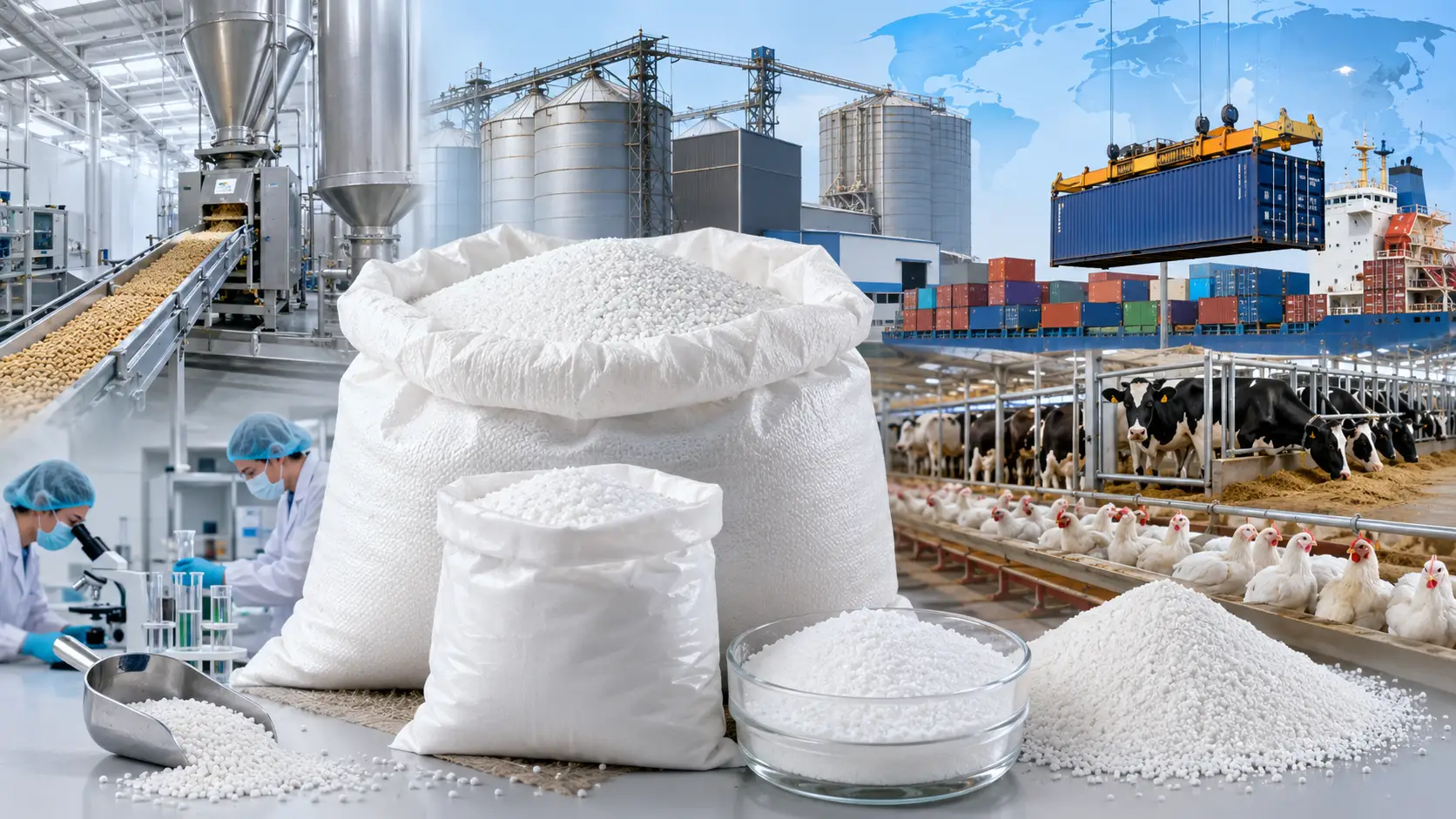
Sodium Sulphate Anhydrous Feed Grade is a purified inorganic compound used within animal nutrition and feed formulation systems. It appears as a white crystalline material and serves as a functional ingredient in selected feed applications requiring mineral balance and nutritional support.
The product is utilized in commercial feed manufacturing where quality consistency and regulatory compliance are important factors. Feed-grade specifications generally require strict control of purity and contaminant levels before use in livestock formulations.
Chemical Characteristics and Functional Role
According to technical information from the U.S. Food and Drug Administration and feed ingredient references, mineral additives in feed production must satisfy composition and safety standards before integration into nutritional systems.
The anhydrous form contains no water molecules, supporting handling efficiency, stable storage characteristics, and easier integration into industrial-scale feed production environments.
Industrial Applications in Feed Manufacturing
Animal nutrition manufacturers continue to seek ingredients that support consistent feed quality and processing efficiency. Sodium Sulphate Anhydrous Feed Grade contributes to specific formulations depending on nutritional and manufacturing requirements.
Its use extends across livestock feed production, poultry feed systems, and other specialized nutrition applications where controlled mineral composition is necessary.
Feed Formulation Applications
According to technical references from feed industry publications and animal nutrition studies, mineral ingredients are increasingly incorporated into precision nutrition programs to optimize feed formulation performance.
Modern feed manufacturing facilities prioritize ingredient uniformity because variations in raw materials can affect process efficiency and production consistency across large-volume operations.
Market Trends and Demand Outlook
Global demand for feed additives and specialized nutritional ingredients has expanded because of increasing livestock production and growing emphasis on animal productivity.
Market analysis published by international agricultural organizations indicates continuing growth in animal protein consumption and commercial feed production across emerging economies.
Growth Drivers in Feed Industries
According to market observations from agricultural development institutions, Asia-Pacific and several developing regions continue to expand feed manufacturing capacity.
Feed manufacturers increasingly adopt ingredient sourcing strategies focused on supply stability, quality assurance, and long-term procurement partnerships to support production planning.
Key Buyer Groups and Procurement Behavior
Sodium Sulphate Anhydrous Feed Grade attracts purchasing interest from several categories of industrial buyers operating within feed and nutrition markets.
Typical customers include integrated feed manufacturers, livestock nutrition companies, agricultural distributors, and ingredient trading organizations.
Buyer Intent and Procurement Evaluation
According to sourcing practices reported by industry procurement publications, buyers commonly evaluate product purity, technical documentation, origin consistency, packaging capability, and regulatory compliance before purchasing.
Procurement teams compare suppliers because long-term sourcing decisions influence manufacturing reliability, operating cost structures, and supply continuity within competitive feed markets.
Sourcing Considerations for B2B Buyers
Effective sourcing decisions require buyers to assess product specifications beyond pricing factors alone. Large-scale procurement frequently includes qualification procedures and technical verification processes.
Supply consistency can become a major factor because production interruptions may affect downstream manufacturing schedules and inventory planning.
Quality and Supply Assessment
According to industrial sourcing guidelines and chemical trade practices, buyers often request certificates of analysis, safety documentation, and supply capability information before approving suppliers.
Product availability, logistics support, packaging options, and regional distribution networks may significantly influence purchasing decisions in international trade environments.
Supply Chain and Global Trade Opportunities
Global chemical and feed ingredient markets continue to evolve because manufacturers increasingly seek diversified sourcing channels and improved supply resilience.
International trade platforms enable producers and procurement teams to connect more efficiently across regional markets while supporting broader product availability.
Supply Opportunities for Manufacturers and Distributors
According to agricultural trade reports and global market observations, procurement organizations increasingly seek suppliers capable of delivering stable inventory and flexible shipment volumes.
B2B marketplaces create opportunities for manufacturers, traders, and distributors to expand commercial visibility while helping buyers identify sourcing partners with relevant technical capabilities.
Conclusion
Sodium Sulphate Anhydrous Feed Grade remains a commercially relevant ingredient within selected feed manufacturing applications because of its functional role and supply potential.
As feed production expands globally, procurement teams are expected to prioritize quality consistency, sourcing transparency, and supplier reliability when making purchasing decisions.
For buyers navigating international supply markets, comprehensive product information and sourcing intelligence support more effective procurement strategies and informed supplier evaluation.
Sources
https://www.fda.gov
https://www.fao.org
https://www.ifif.org

Leave a Comment