Introduction: Industrial Relevance of Sodium Bisulfite in Global Supply Chains
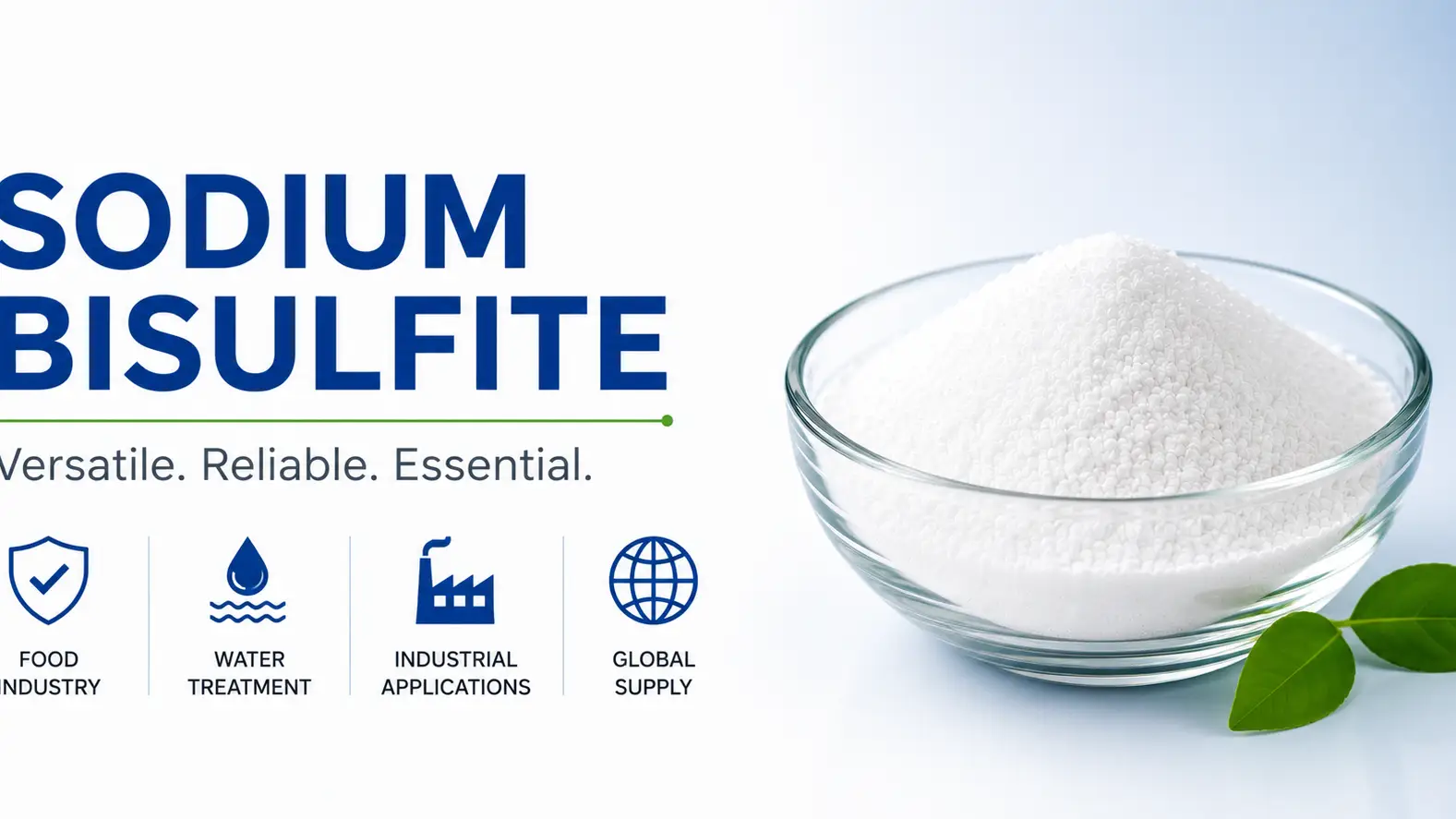
Sodium bisulfite is a widely used inorganic compound that plays a critical role across multiple industrial sectors due to its strong reducing, bleaching, and dechlorination properties. As global industries continue to expand—particularly in water treatment, food processing, pulp and paper, and pharmaceuticals—the demand for sodium bisulfite is steadily increasing. Its versatility makes it a core chemical in modern manufacturing ecosystems, where efficiency, compliance, and product stability are key priorities.
Industrial Overview of Sodium Bisulfite
Sodium bisulfite is primarily valued as a reducing agent and antioxidant, widely applied in industrial systems that require oxidation control and chemical stabilization. Its ability to neutralize chlorine and prevent oxidation makes it essential in large-scale processing environments. The compound is commonly procured in bulk by industrial buyers who prioritize cost efficiency and consistent chemical performance in continuous operations.
Water Treatment as the Leading Application Segment
The largest demand for sodium bisulfite comes from the water and wastewater treatment industry, where it is used for dechlorination and oxygen scavenging. Municipal water facilities and industrial treatment plants rely on it to ensure compliance with environmental discharge standards. This segment remains a dominant driver of global consumption, especially in regions investing heavily in clean water infrastructure and membrane-based filtration systems.
Role in Pulp, Paper, and Textile Manufacturing
In pulp and paper production, sodium bisulfite is used for bleaching and lignin removal, improving pulp brightness and quality. The textile industry also depends on it for dye reduction and fabric processing. Large manufacturing hubs in Asia-Pacific and Europe act as major consumption centers, where integrated supply chains require continuous chemical procurement for uninterrupted production cycles.
Food and Beverage Industry Demand Drivers
The food industry uses sodium bisulfite as a preservative and antioxidant to prevent discoloration and extend shelf life. It is commonly applied in dried fruits, beverages, and processed foods. Regulatory compliance plays a significant role in this segment, as food-grade sodium bisulfite must meet strict safety standards. Buyers in this sector include large-scale food processors and beverage manufacturers focused on product stability and quality preservation.
Pharmaceutical and Chemical Processing Applications
Pharmaceutical companies utilize high-purity sodium bisulfite in synthesis processes and formulation stabilization. In chemical manufacturing, it is used as a reducing agent in various reactions, including dye production and intermediate synthesis. This segment demands highly controlled specifications, making it a premium procurement category with strong emphasis on purity and certification standards.
Key Global Buyers and Procurement Trends
Key buyers of sodium bisulfite include municipal water authorities, industrial manufacturers, food processing companies, textile producers, and pharmaceutical firms. Global procurement trends show a shift toward long-term supplier agreements, bulk purchasing contracts, and regionally diversified sourcing strategies. Asia-Pacific remains the largest consumption hub, while North America and Europe focus on regulatory-compliant and high-purity grades. Growing industrialization and environmental regulations continue to shape global purchasing behavior.
Conclusion
The sodium bisulfite market is expected to maintain steady growth, driven by its essential role across multiple industrial applications and increasing demand for efficient chemical treatment solutions. Its importance in water purification, manufacturing, and food preservation positions it as a strategic commodity in global supply chains. As industries continue to prioritize sustainability and operational efficiency, sodium bisulfite will remain a key input across diverse sectors.
For businesses seeking reliable sourcing, Tradeasia International stands as a trusted global solution provider, offering integrated chemical supply chain services, consistent product quality, and international logistics support to meet the evolving demands of industrial buyers worldwide.
Sources
Leave a Comment