Introduction to Sodium Bicarbonate Feed Grade
Sodium Bicarbonate Feed Grade has become an essential ingredient in the global animal nutrition sector due to its role in supporting feed efficiency, digestive health, and livestock productivity. Unlike industrial or pharmaceutical grades, feed-grade sodium bicarbonate is manufactured to meet quality specifications suitable for incorporation into animal feed formulations. As livestock production continues to modernize, demand for reliable feed additives has increased among feed manufacturers, agricultural distributors, and integrated farming operations. According to technical guidance published by the Food and Agriculture Organization (FAO), balanced mineral supplementation plays an important role in maintaining animal health and optimizing production performance.
The Role of Sodium Bicarbonate Feed Grade in Modern Animal Nutrition
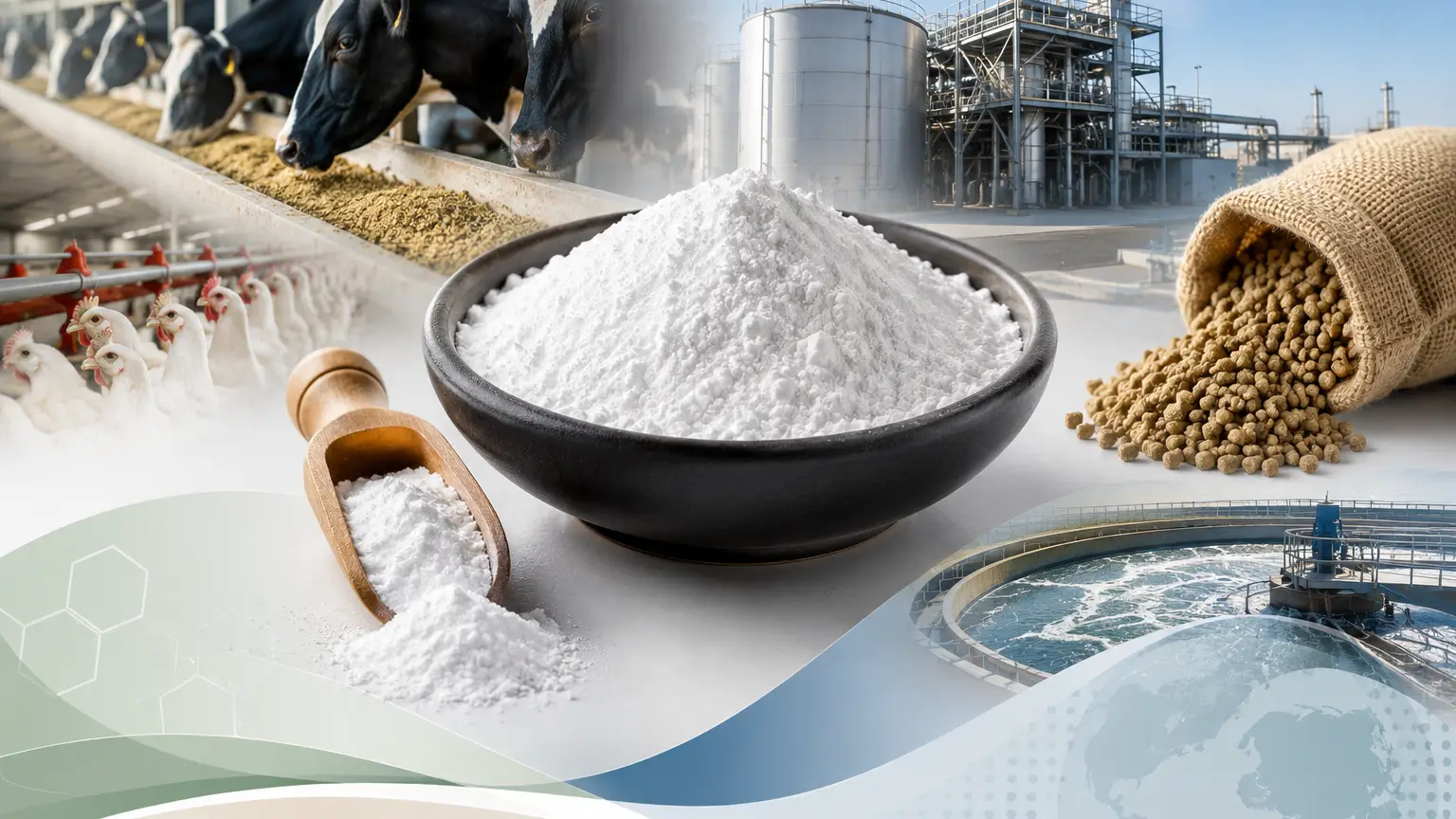
Feed-grade sodium bicarbonate primarily functions as a buffering agent that helps stabilize rumen pH in ruminant animals such as dairy and beef cattle. Maintaining proper rumen conditions supports microbial activity responsible for digesting fiber and converting nutrients into energy, making sodium bicarbonate a valuable ingredient in high-performance feeding programs. Technical publications from the National Research Council (NRC) and leading animal nutrition institutions continue to recognize buffering agents as beneficial components in well-balanced livestock diets.
Beyond ruminants, sodium bicarbonate is also incorporated into poultry, swine, and other livestock feed formulations where electrolyte balance and nutritional stability are important considerations. Feed manufacturers often integrate this ingredient into customized premixes designed to improve consistency across production systems while meeting regional feed standards. As commercial farming expands globally, the versatility of feed-grade sodium bicarbonate supports its adoption across multiple livestock sectors.
Growing awareness of animal welfare, production efficiency, and sustainable farming practices has further increased interest in functional feed ingredients that contribute to healthier animals without fundamentally changing established feed formulations. For procurement professionals, selecting consistent and specification-compliant feed ingredients has become increasingly important as supply chains become more international and quality assurance requirements become more rigorous. According to industry guidance from the American Feed Industry Association (AFIA), ingredient quality, traceability, and supplier reliability remain key priorities for commercial feed manufacturers.
Industrial Applications in Animal Nutrition
Feed Grade Sodium Bicarbonate is widely used throughout the animal nutrition industry because it supports feed formulation strategies aimed at maintaining animal health and production efficiency. As commercial livestock operations expand and feeding systems become more intensive, nutritionists increasingly incorporate functional feed additives that contribute to stable digestive performance. According to technical guidance from the Food and Agriculture Organization (FAO), balanced nutritional management is a critical factor in sustainable livestock production and overall feed efficiency.
Applications Across Livestock Production Systems
One of the most significant applications of Sodium Bicarbonate Feed Grade is in dairy cattle nutrition, where it acts as a rumen buffering agent. High-energy diets can increase the risk of ruminal acidosis, making buffering ingredients valuable for maintaining optimal rumen conditions and supporting consistent milk production. Research published through the National Academies of Sciences, Engineering, and Medicine (NASEM) highlights the importance of maintaining rumen stability in modern dairy feeding programs.
The product is also incorporated into beef cattle, poultry, swine, and goat feed formulations depending on nutritional objectives and regional feeding practices. In poultry production, feed formulators may use sodium bicarbonate to help maintain electrolyte balance, particularly during periods of environmental stress. Feed manufacturers often evaluate inclusion rates alongside other mineral ingredients to ensure nutritional consistency, regulatory compliance, and compatibility with complete feed formulations.
Beyond direct livestock production, Feed Grade Sodium Bicarbonate is utilized by commercial feed mills, premix manufacturers, agricultural cooperatives, and integrated agribusiness companies that supply animal nutrition products to domestic and export markets. As demand grows for high-quality feed ingredients with consistent specifications, procurement teams increasingly prioritize suppliers capable of providing reliable quality documentation, stable supply chains, and dependable logistics. Industry guidance from the American Feed Industry Association (AFIA) emphasizes that ingredient consistency and supply reliability are essential considerations for commercial feed manufacturing operations.
Global Market Trends and Demand Drivers
Demand for Sodium Bicarbonate Feed Grade continues to grow alongside the expansion of commercial livestock production, rising global protein consumption, and increasing emphasis on feed efficiency. As dairy, poultry, and beef industries adopt more intensive production systems, feed manufacturers are seeking functional ingredients that help improve nutritional performance while supporting animal health. According to the Food and Agriculture Organization (FAO), global demand for animal-source foods is expected to remain a significant driver of investment in feed production and nutrition technologies.
Market Growth and Supply Chain Developments
One of the key trends shaping the market is the increasing adoption of precision nutrition. Feed producers are investing in scientifically formulated diets that optimize nutrient utilization and animal performance, creating sustained demand for ingredients such as Feed Grade Sodium Bicarbonate. Technical recommendations from the National Academies of Sciences, Engineering, and Medicine (NASEM) continue to support the use of balanced mineral supplementation and buffering strategies in livestock nutrition, particularly within high-producing dairy herds.
Regional growth is particularly notable across Asia-Pacific, Latin America, and parts of the Middle East, where expanding livestock industries and rising consumer demand for meat, milk, and eggs are encouraging investments in modern feed manufacturing. At the same time, manufacturers are strengthening supply chain resilience by diversifying sourcing partners, improving inventory management, and ensuring compliance with increasingly stringent feed safety regulations. These developments are creating new commercial opportunities for chemical traders, ingredient distributors, and global suppliers serving the animal nutrition market.
Market participants are also placing greater emphasis on supplier reliability, product consistency, and international logistics capabilities when selecting feed ingredient partners. Procurement teams increasingly evaluate quality certifications, manufacturing standards, technical documentation, and long-term supply stability before entering purchasing agreements. According to market analysis published by the Organisation for Economic Co-operation and Development (OECD) and the FAO Agricultural Outlook, continued growth in livestock production and feed demand is expected to support favorable long-term prospects for feed additives, including Sodium Bicarbonate Feed Grade, across global B2B markets.
Procurement Considerations for B2B Buyers
Procurement teams purchasing Sodium Bicarbonate Feed Grade evaluate far more than price. Commercial feed manufacturers, premix producers, agricultural distributors, and integrated livestock companies require ingredients that consistently meet technical specifications, comply with feed regulations, and arrive through dependable supply chains. According to guidance from the Food and Agriculture Organization (FAAO) and international feed safety frameworks, traceability and quality assurance have become essential components of modern feed ingredient procurement.
Evaluating Suppliers for Long-Term Value
One of the primary considerations for buyers is product quality and consistency. Feed Grade Sodium Bicarbonate should meet agreed chemical specifications, maintain stable purity levels, and be supported by appropriate technical documentation such as Certificates of Analysis (COA), Safety Data Sheets (SDS), and product specifications. Buyers also assess manufacturing practices, packaging quality, and logistics capabilities to minimize operational risks and ensure uninterrupted production.
Reliable supply is equally important for organizations operating continuous manufacturing facilities. Delays in raw material deliveries can disrupt production schedules and increase inventory costs. As a result, procurement professionals often compare suppliers based on production capacity, export experience, geographic distribution networks, and responsiveness to changing market conditions. Industry recommendations from the American Feed Industry Association (AFIA) emphasize that dependable supplier relationships contribute to both operational efficiency and product quality.
For international buyers, a B2B chemical marketplace provides an efficient way to compare suppliers, evaluate available specifications, and streamline sourcing decisions. Companies such as Tradeasia International connect manufacturers, distributors, and industrial buyers through global supply networks, making it easier to identify qualified suppliers for Feed Grade Sodium Bicarbonate across multiple regions. By combining transparent product information with international sourcing capabilities, B2B marketplaces help procurement teams reduce sourcing complexity while supporting long-term supply chain resilience.
Commercial Opportunities Across the Feed Supply Chain
Growing demand for high-quality animal protein continues to create commercial opportunities for suppliers of Feed Grade Sodium Bicarbonate. As livestock producers focus on productivity, feed manufacturers are investing in functional ingredients that support efficient feed formulations and consistent animal performance. According to the OECD–FAO Agricultural Outlook, long-term growth in meat, dairy, and poultry production is expected to sustain demand for feed ingredients and nutritional additives across both developed and emerging markets.
Expanding Business Opportunities for Suppliers and Distributors
Manufacturers of Feed Grade Sodium Bicarbonate benefit from supplying a diverse customer base that includes commercial feed mills, premix producers, livestock integrators, and agricultural distributors. These customers often require long-term supply agreements, consistent product specifications, and dependable logistics. As global trade expands, exporters with established quality management systems and international shipping capabilities are well positioned to serve regional and multinational buyers.
Chemical traders and distributors also play a critical role by bridging supply between manufacturers and end users. They help buyers manage procurement risks through flexible sourcing options, inventory support, and regional market knowledge. For organizations operating across multiple countries, experienced distribution partners can simplify customs documentation, regulatory compliance, and transportation planning, reducing procurement complexity while improving supply continuity.
For B2B buyers, sourcing through a trusted chemical marketplace provides access to multiple qualified suppliers and greater transparency throughout the procurement process. Tradeasia, Chemtradeasia, and the Tradechem Marketplace support this commercial ecosystem by connecting manufacturers, distributors, and procurement teams through an international sourcing platform. By offering product information, technical documentation, and global supply capabilities, these marketplaces enable buyers to make informed purchasing decisions while strengthening long-term supply chain partnerships.
Future Outlook and Strategic Sourcing Conclusion
The outlook for Sodium Bicarbonate Feed Grade remains positive as the global animal nutrition industry continues to expand in response to rising demand for meat, milk, and poultry products. Increasing adoption of precision feeding, greater attention to animal health, and ongoing improvements in feed manufacturing are expected to support steady demand for high-quality feed additives. According to the Food and Agriculture Organization (FAO) and the OECD–FAO Agricultural Outlook, investments in sustainable livestock production and feed efficiency will remain key drivers of growth over the coming decade.
Strategic Sourcing for Long-Term Supply Success
As the market becomes increasingly competitive, procurement teams are expected to prioritize suppliers that demonstrate consistent product quality, regulatory compliance, and reliable delivery performance. Beyond competitive pricing, buyers seek partners capable of providing technical documentation, quality certifications, responsive customer service, and resilient international logistics. These factors help reduce operational risks while ensuring continuity of supply for commercial feed production.
Reliable sourcing is particularly important for manufacturers and distributors serving multiple regional markets. Diversified supply networks and experienced trading partners enable businesses to respond more effectively to fluctuations in raw material availability, transportation costs, and changing regulatory requirements. Companies that establish long-term supplier relationships are often better positioned to maintain production schedules and manage procurement costs over time.
For organizations sourcing Sodium Bicarbonate Feed Grade, B2B chemical marketplaces offer an efficient channel to compare suppliers, evaluate product specifications, and identify reliable global sourcing partners. Tradeasia, Chemtradeasia, and the Tradechem Marketplace help connect buyers with international manufacturers and distributors through transparent product information and established supply chain networks. As demand for quality feed ingredients continues to grow, strategic sourcing through trusted marketplace partners can support procurement efficiency, supply reliability, and sustainable business growth.
Buyer Intent
Organizations purchasing Sodium Bicarbonate Feed Grade typically include commercial feed manufacturers, livestock nutrition companies, dairy cooperatives, poultry integrators, premix producers, agricultural distributors, and international chemical traders. These buyers require a dependable source of feed-grade material that meets quality specifications and supports consistent feed production.
Procurement teams commonly evaluate product purity, feed-grade compliance, Certificates of Analysis (COA), Safety Data Sheets (SDS), manufacturing standards, packaging options, logistics capabilities, minimum order quantities, and supplier reliability before making purchasing decisions. International buyers may also compare suppliers based on export experience, regional warehousing, and the ability to provide stable long-term supply.
Because multiple suppliers may offer similar products, buyers compare pricing, product consistency, technical support, and supply chain resilience rather than focusing solely on cost. A trusted B2B marketplace simplifies this process by providing access to verified suppliers, standardized product information, and efficient communication between buyers and sellers.
Tradeasia, Chemtradeasia, and the Tradechem Marketplace support sourcing decisions by offering a centralized platform where procurement professionals can review product information, submit inquiries, compare sourcing options, and establish long-term commercial relationships with global chemical suppliers.
Commercial Positioning
Sodium Bicarbonate Feed Grade is a commercially important feed additive because it contributes to modern livestock nutrition programs and supports efficient feed formulation. Demand is influenced by growth in dairy, poultry, beef, and animal feed manufacturing industries, making it an important product within the global agricultural chemicals supply chain.
The product appeals to a wide range of B2B buyers, including feed manufacturers, ingredient distributors, chemical traders, livestock producers, and procurement organizations seeking consistent quality and dependable supply. As global livestock production expands, reliable access to feed-grade raw materials becomes increasingly valuable for maintaining production continuity.
For manufacturers and distributors, partnering with an established B2B marketplace improves market visibility and connects products with qualified industrial buyers across multiple regions. Buyers benefit from streamlined sourcing, access to technical documentation, and the ability to compare commercial offerings from trusted suppliers.
Tradeasia, Chemtradeasia, and the Tradechem Marketplace provide a global sourcing environment that supports efficient procurement, transparent supplier communication, and long-term business partnerships. Rather than acting solely as a product listing, the marketplace serves as a strategic sourcing platform that helps businesses navigate international chemical trade with greater confidence.
Sources
Leave a Comment