Understanding Poultry Meal in the Global Feed Industry
Poultry meal is a rendered animal protein ingredient produced from poultry processing by-products that are cooked, dried, and ground into a concentrated protein source. It is widely used in animal nutrition due to its high protein content, amino acid profile, and energy value.
As global demand for efficient animal feed formulations continues to grow, poultry meal remains an important ingredient for livestock, aquaculture, and pet food manufacturers. Its nutritional density makes it attractive for feed producers seeking cost-effective protein alternatives.
Poultry Meal as a Valuable Feed Ingredient
According to technical guidance from the United States Department of Agriculture (USDA), rendered animal proteins contribute to circular economy practices by converting animal processing by-products into valuable feed ingredients. Poultry meal represents one of the most established products within this category.
The ingredient is particularly valued for delivering consistent protein levels and essential nutrients required in commercial feed formulations. This functionality has helped sustain demand across multiple animal nutrition sectors worldwide.
Major Industrial Applications Driving Poultry Meal Demand
The primary application of poultry meal is in compound animal feed manufacturing. Feed formulators use poultry meal to provide protein and energy for poultry, swine, aquaculture species, and other livestock categories.
Growth in global meat consumption continues to support demand for nutritionally efficient feed ingredients. Poultry meal plays an important role in helping feed producers optimize feed conversion ratios and production performance.
Expanding Use Across Pet Food and Aquaculture
According to the Food and Agriculture Organization (FAO), aquaculture production has expanded significantly over the past decade, creating greater demand for high-quality protein ingredients. Poultry meal has become a recognized component in many aquaculture feed formulations.
The pet food industry also represents an important end-use market. Technical information from pet nutrition organizations indicates that poultry-derived proteins are frequently incorporated into pet diets due to their nutritional value and palatability characteristics.
Global Market Trends Influencing Poultry Meal Supply
Several market factors are shaping poultry meal demand worldwide. Population growth, rising protein consumption, expanding aquaculture production, and increasing investment in commercial livestock farming continue to influence market development.
Regional feed industries are seeking reliable protein sources that can balance nutritional performance with economic efficiency. Poultry meal remains competitive due to its established supply base and widespread industry acceptance.
Sustainability and Resource Utilization Trends
According to the North American Renderers Association (NARA), rendering contributes to sustainability objectives by reducing waste and improving resource utilization throughout the food production chain. This sustainability narrative has become increasingly important among feed manufacturers and procurement teams.
Market analysis published by industry research firms has also highlighted growing interest in circular economy solutions within agriculture. Poultry meal aligns with these objectives by maximizing value recovery from poultry processing operations.
Key Buyer Groups and Procurement Considerations
Poultry meal buyers typically include feed manufacturers, premix producers, aquaculture feed companies, pet food manufacturers, livestock integrators, distributors, and international commodity traders. These organizations require consistent ingredient quality to maintain product performance.
Procurement teams evaluate poultry meal based on nutritional specifications, protein content, digestibility, sourcing reliability, processing standards, and regulatory compliance. Supplier consistency is often as important as pricing.
Buyer Intent and Supplier Evaluation
According to guidance from feed industry associations, buyers increasingly compare suppliers based on traceability, documentation, production capacity, and supply continuity. Risk management has become a major component of feed ingredient procurement strategies.
A well-structured product page supports sourcing decisions by providing technical specifications, supply capabilities, quality assurances, and commercial information. Such transparency helps buyers efficiently evaluate potential suppliers and procurement partners.
Supply Chain Dynamics and Sourcing Challenges
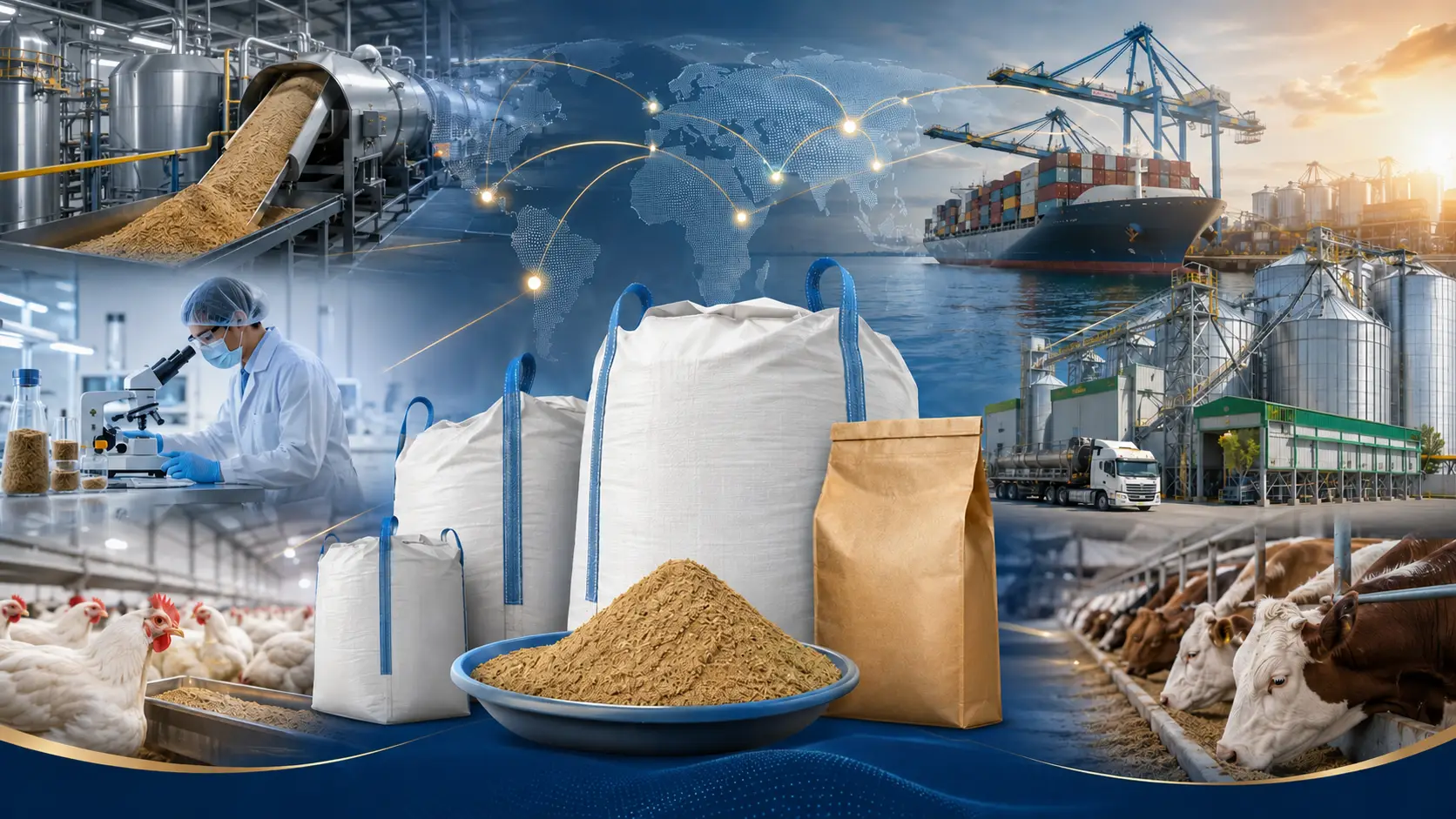
The poultry meal supply chain begins with poultry processing facilities and rendering operations before moving through traders, distributors, exporters, and feed manufacturers. Each stage influences product availability and pricing.
Raw material availability, transportation costs, processing capacity, and regional livestock production levels can significantly affect supply conditions. These variables create fluctuations that procurement teams must monitor carefully.
Factors Affecting Global Availability
According to reports from the International Feed Industry Federation (IFIF), feed ingredient markets remain sensitive to logistics disruptions, disease outbreaks, trade policies, and changing agricultural production patterns. Such factors can impact poultry meal availability across regions.
Companies with diversified sourcing networks are often better positioned to manage supply risks. Strategic supplier partnerships help maintain continuity during periods of market volatility and changing trade conditions.
Strategic Sourcing Opportunities for B2B Buyers
As global feed demand continues to expand, sourcing strategies are becoming increasingly important for maintaining competitive operations. Buyers are focusing on long-term supplier relationships and diversified procurement channels.
Digital B2B marketplaces have emerged as valuable tools for connecting buyers with qualified suppliers across multiple regions. These platforms improve market visibility and support more efficient sourcing processes.
Leveraging Global Supplier Networks
According to market intelligence published by agricultural industry analysts, international sourcing networks provide buyers with greater flexibility when responding to changing market conditions. Access to multiple suppliers can help reduce procurement risks and improve supply resilience.
For manufacturers, traders, distributors, and procurement teams, poultry meal sourcing increasingly involves balancing quality, cost, logistics, and sustainability objectives. Organizations that develop proactive sourcing strategies are often better prepared to navigate evolving market dynamics.
Conclusion
Poultry meal remains a critical protein ingredient within the global animal nutrition industry. Its applications across livestock feed, aquaculture, and pet food manufacturing continue to support long-term market demand.
As supply chains become more interconnected and procurement requirements become more sophisticated, buyers are placing greater emphasis on supplier reliability, quality assurance, traceability, and sourcing flexibility. Companies that leverage strong supplier networks and informed market intelligence can improve procurement outcomes while supporting sustainable growth across the feed sector.
Sources
https://www.fao.org
https://www.usda.gov
https://www.nara.org

Leave a Comment