Introduction
In the vast and rapidly industrializing landscape of Asia, the demand for clean, safe, and potable water has never been more critical. From megacities to manufacturing hubs, effective water treatment is the linchpin of public health, environmental sustainability, and industrial productivity. At the heart of modern water purification processes lies a class of essential chemicals known as coagulants, with Polyaluminium Chloride (PAC) emerging as a technological frontrunner. This advanced inorganic polymer coagulant has revolutionized traditional treatment methods, offering superior performance, efficiency, and adaptability.
This comprehensive article delves into the world of Polyaluminium Chloride, exploring its chemical nature, multifaceted benefits, and diverse applications. We will navigate the dynamic Asian market for water treatment chemicals, highlighting key trends and the pivotal role of suppliers in this essential supply chain. For industry professionals, procurement managers, and environmental engineers across Asia, understanding PAC is not just technical knowledge, it is a strategic imperative for ensuring operational excellence and regulatory compliance in water management.
What is Polyaluminium Chloride (PAC)?
Polyaluminium Chloride, commonly abbreviated as PAC, is an inorganic polymer coagulant with the general formula [Aln(OH)mCl(3n-m)]. It is produced through a controlled reaction between aluminium and hydrochloric acid, resulting in a solution or solid form containing a range of polymeric aluminium species. Unlike traditional coagulants like alum (aluminium sulphate), PAC is pre-hydrolyzed, meaning a significant portion of the aluminium is already in the form of highly charged, cationic polymers. This pre-polymerization is the key to its enhanced performance.
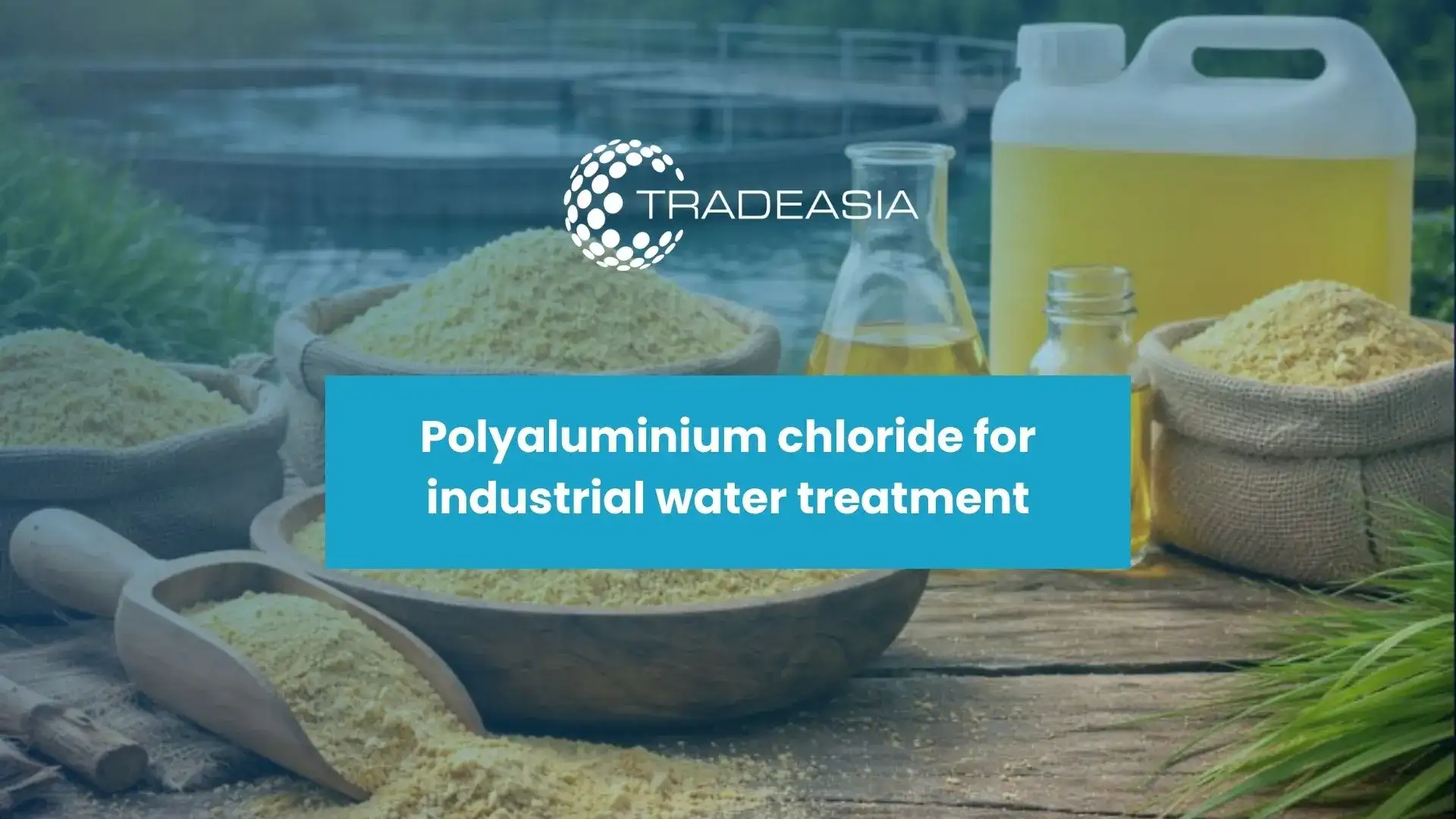
The efficacy of PAC is largely determined by its Basicity, a percentage expressing the degree of hydroxyl substitution for chloride ions. Typical commercial PAC products have a basicity ranging from 30% to 85%. Higher basicity PAC generally offers better coagulation performance across a wider pH range, produces less sludge, and introduces fewer chloride ions into the treated water. It is available in various forms to suit different handling and application needs: liquid PAC (often a yellow or light-brown solution at concentrations of 10-18% Al2O3) is popular for ease of dosing, while solid PAC (powder or granules) is favored for long-distance transportation and storage stability.
Key Benefits and Advantages of PAC
The shift from conventional coagulants to Polyaluminium Chloride is driven by a compelling array of technical and economic benefits. Firstly, PAC exhibits a broader effective pH range (typically 5.0 to 9.0) compared to alum, which requires tighter pH control (6.5 to 7.5) for optimal performance. This makes PAC highly adaptable to varying raw water qualities without the constant need for pH adjustment chemicals, simplifying plant operation and reducing costs. Secondly, PAC flocs are characterized by their dense, rapid-settling nature. They form quickly and are more resistant to shear forces in mixing and flocculation basins, leading to clearer supernatant and more efficient solid-liquid separation in sedimentation tanks and filters.
Another significant advantage is the reduction in sludge volume. Because PAC introduces less sulphate or other counter-ions into the water, the resulting hydroxide sludge is more compact and can be up to 30-50% lower in volume compared to alum sludge. This translates to substantial savings in sludge handling, dewatering, and disposal costs—a major consideration for large-scale treatment plants. Furthermore, PAC is effective at lower dosages, offers excellent removal of color, turbidity, and organic matter, and performs well in cold water, where traditional coagulants often struggle. These combined benefits make PAC a cost-effective and high-performance choice for modern water treatment challenges.
Applications in Water and Wastewater Treatment
The versatility of Polyaluminium Chloride allows it to serve a wide spectrum of treatment applications. In drinking water treatment, PAC is the coagulant of choice for removing suspended solids, colloidal particles, and natural organic matter (NOM) that cause color, taste, and odor. It is particularly effective in treating surface waters from rivers and lakes, which are common sources in many Asian countries. Its ability to reduce precursors to disinfection by-products (DBPs) like trihalomethanes is another critical benefit for ensuring safe potable water that meets stringent health standards.
In the industrial sphere, PAC finds extensive use in industrial wastewater treatment. Industries such as textiles, tanneries, pulp and paper, and pharmaceuticals generate wastewater with complex, often hard-to-treat pollutants. PAC effectively coagulates dyes, oils, greases, and heavy metals, facilitating their removal. It is also a cornerstone of municipal wastewater treatment for enhancing primary clarification and phosphorus removal. Beyond these, specialized applications include use as a coagulant in the paper industry for retention and drainage aids, in the cosmetic industry, and even as a deodorant and antiperspirant agent due to its aluminium content, though food-grade and cosmetic-grade specifications are strictly regulated.
The Asian Market for PAC: Trends and Insights
The Asia-Pacific region dominates the global market for Polyaluminium Chloride, driven by relentless urbanization, industrialization, and tightening environmental regulations. China and India are the largest consumers and producers, supported by massive government initiatives like China's "Water Ten Plan" and India's "Namami Gange" project aimed at river rejuvenation and water pollution control. The demand for PAC is further fueled by the expansion of municipal water infrastructure in Southeast Asian nations such as Indonesia, Vietnam, and the Philippines, where access to clean water remains a developmental priority.
A key market trend is the growing preference for high-basicity PAC and polyaluminium chlorosulphate (PACS) variants, which offer even better performance for specific challenging waters. The market is also witnessing a push towards sustainable and efficient production processes to reduce the environmental footprint of chemical manufacturing. Furthermore, the rise of smart water management and the integration of IoT sensors in treatment plants are creating demand for consistent, high-quality coagulants that can be reliably dosed via automated systems. For suppliers and buyers on platforms like chemtradeasia, these trends underscore the importance of product diversification, technical support, and supply chain reliability in a competitive and growing marketplace.
Sourcing PAC: Choosing a Reliable Supplier
Procuring high-quality Polyaluminium Chloride is crucial for ensuring treatment efficacy and plant safety. When sourcing PAC in Asia, several factors must be meticulously evaluated. First and foremost is product quality and consistency. Reputable suppliers should provide certified analysis reports detailing key parameters: Al2O3 content, Basicity, heavy metal impurities (like lead, arsenic, cadmium), and insoluble matter. Consistency from batch to batch is vital for stable plant operation. Secondly, consider the supplier's technical expertise and support. A good supplier doesn't just sell chemicals; they offer jar testing services, dosage recommendations, and troubleshooting support tailored to your specific water matrix.
Logistical capability is another critical criterion. Given that PAC is often sourced in bulk liquid or solid form, the supplier must have a robust supply chain with reliable transportation, proper handling facilities (especially for corrosive liquids), and flexible packaging options (from IBC totes to tanker trucks). This is where established B2B platforms and chemical marketplaces like chemtradeasia add immense value. They aggregate vetted suppliers, facilitate transparent comparison of specifications and prices, and provide a secure framework for transactions. Choosing a supplier through such a platform mitigates risk, ensures competitive pricing, and connects buyers with partners who understand the regional nuances of the water treatment chemicals market in Asia.
Conclusion
Polyaluminium Chloride stands as a testament to chemical innovation directly addressing one of humanity's most fundamental needs: clean water. Its superior coagulation mechanics, operational flexibility, and overall cost-effectiveness have cemented its status as an indispensable tool in the water treatment arsenal across Asia. As the region continues to grapple with water scarcity, pollution, and growing demand, the role of advanced coagulants like PAC will only become more pronounced.
Navigating this essential market requires informed decision-making, from understanding the technical specifications of PAC to partnering with credible and capable suppliers. By leveraging insights into product benefits, applications, and market dynamics, and by utilizing reliable sourcing channels, industries and municipalities can optimize their water treatment processes. In doing so, they contribute not only to their operational success but also to the broader goal of sustainable water management for future generations. To optimize your water treatment performance with reliable, high-quality Polyaluminium Chloride and expert sourcing support, reach out to the Chemtradeasia team via their contact page.

Leave a Comment