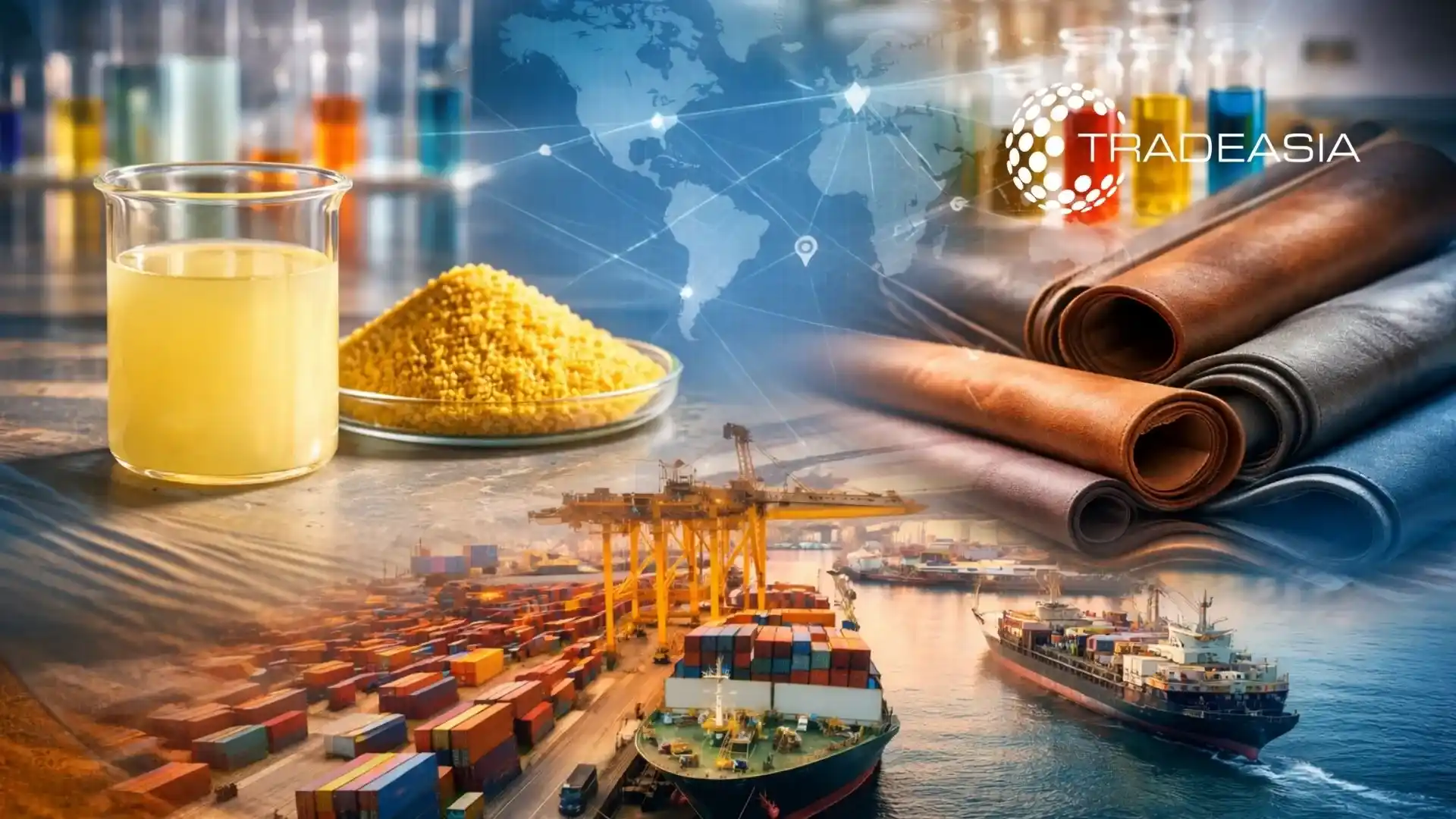
The rapid industrialization and urbanization across Asia have placed unprecedented demands on water resources and manufacturing sectors. In this complex landscape, specialty industrial chemicals play a pivotal role in ensuring operational efficiency, environmental compliance, and product quality. Among these, Polyaluminium Chloride (PAC) stands out as a cornerstone chemical for water purification, while a suite of Industry Leather Chemicals is essential for transforming raw hides into durable, high-value materials. For procurement managers, plant engineers, and business owners across the continent, understanding the applications, specifications, and sourcing dynamics of these chemicals is not just an operational detail, it is a strategic imperative.
This article provides a comprehensive guide for industrial buyers in Asia, delving into the technical and commercial aspects of Polyaluminium Chloride and leather processing aids. We will explore their core functions, examine region-specific applications from textile mills in Bangladesh to tanneries in Pakistan, and analyze the evolving supply chain. The goal is to equip decision-makers with the insights needed to navigate the market, identify reliable partners like Chemtradeasia, and make informed purchasing decisions that enhance their competitive edge and sustainability profile.
Understanding Polyaluminium Chloride (PAC): A Versatile Coagulant
Polyaluminium Chloride (PAC) is an inorganic polymer coagulant, primarily used as a replacement for traditional alum (aluminum sulfate) in water and wastewater treatment. Its chemical formula is often represented as [Aln(OH)mCl(3n-m)], indicating its polymeric nature. The product is typically available in liquid (a pale yellow to amber solution) and solid (powder or granular) forms, with Basicity, a key specification indicating the degree of polymerization and hydroxyl content, ranging from 30% to 85%. Higher basicity PAC generally offers better coagulation performance, wider pH tolerance, and produces less sludge.
The superiority of PAC over conventional coagulants lies in its pre-hydrolyzed state. Unlike alum, which requires hydrolysis in water to form active species, PAC comes pre-polymerized. This allows for faster floc formation, effective performance over a broader pH range (typically 5.0 to 9.0), lower dosage requirements, and reduced alkalinity consumption. Consequently, it minimizes the need for pH adjustment chemicals and results in a denser, faster-settling floc, which is crucial for high-throughput treatment plants common in Asian industrial zones.
For buyers, key specifications to verify include Al2O3 content (often 10%-18% for liquid, 28%-32% for solid), Basicity, density, and insoluble matter. The choice between liquid and solid PAC depends on logistics, storage facilities, and scale of use. Liquid PAC is preferred for large-volume, automated dosing systems due to easier handling, while solid PAC offers advantages in transportation cost over long distances and longer shelf life, making it suitable for regions with less developed logistics infrastructure.
Key Applications in Asian Industries
In Asia's diverse industrial ecosystem, Polyaluminium Chloride finds critical application far beyond municipal water treatment. A primary driver is the textile industry, concentrated in countries like Bangladesh, India, Vietnam, and China. Textile dyeing and finishing generate vast amounts of highly colored, chemically complex wastewater. PAC is exceptionally effective at removing suspended dyes, fixing agents, and other organic pollutants, helping factories meet increasingly stringent discharge regulations set by local environmental agencies. Its ability to work in varying water hardness levels, common across different Asian geographies, makes it a reliable choice.
The paper and pulp industry is another major consumer. PAC is used for clarification of process water, retention aid, and especially in wastewater treatment to remove lignin and other organic solids. In Southeast Asia's growing pulp production hubs, efficient coagulation directly impacts water recycling rates and compliance costs. Furthermore, the oil & gas and mining sectors utilize PAC for treating produced water and tailings pond effluents, respectively. In urban settings, PAC is indispensable for treating raw river or reservoir water for drinking water supply, a top priority for megacities from Jakarta to Manila facing water quality challenges.
Region-specific trends are shaping demand. In China and South Korea, a shift towards higher-basicity, low-iron content PAC is evident, driven by demands for cleaner effluent and process water. In South and Southeast Asia, cost-effectiveness remains paramount, but there is growing awareness of life-cycle costs, favoring PAC over alum due to its lower sludge handling expenses. Industrial buyers must therefore align their PAC specifications, Al2O3 percentage, basicity, and form, not just with the immediate treatment goal but also with total operational cost and local regulatory frameworks.
The Role of Specialty Chemicals in Leather Processing
Leather manufacturing is a chemically intensive process where each stage requires specific Industry Leather Chemicals to achieve desired quality, durability, and aesthetics. The process begins with beamhouse operations, where raw hides are soaked, limed (using sodium sulfide and lime to remove hair), and delimed. Here, specialized enzymes and ammonium salts are crucial for controlled pH adjustment and fiber opening. Following this, the tanning stage stabilizes the collagen matrix. While chromium salts remain common, there is a significant market shift towards chrome-free tanning agents like glutaraldehyde, synthetic tannins (syntans), and vegetable tannins, driven by export regulations and eco-label demands.
Retanning, dyeing, and fatliquoring are where leather gets its functional and aesthetic character. Retanning agents (acrylic resins, melamine resins) fill the leather and improve grain tightness. Dyes provide color, and fatliquors, emulsions of oils and sulfated fats, are lubricated between fibers to ensure softness and tensile strength. Finally, finishing chemicals including pigments, binders, lacquers, and topcoats are applied to create the final surface appearance, handle, and resistance properties. The precision in selecting and applying these chemicals determines whether the leather is suitable for luxury automotive interiors, high-end footwear, or durable upholstery.
For Asian buyers, particularly in major production hubs like India, Pakistan, Vietnam, and China, the challenge is dual: sourcing chemicals that deliver consistent performance while navigating the global push for sustainability. This means procuring low-formaldehyde resins, heavy-metal-free dyes, and biodegradable fatliquors. Suppliers that can provide technical data sheets (TDS), safety data sheets (SDS), and compliance certificates for regulations like REACH or ZDHC (Zero Discharge of Hazardous Chemicals) are becoming preferred partners. The choice of chemicals directly impacts a tannery's ability to access premium export markets in Europe and North America.
Sourcing and Selecting Reliable Suppliers in Asia
Navigating Asia's vast chemical supply landscape requires a strategic approach to mitigate risks related to quality, consistency, and logistics. The first step is to clearly define technical specifications and required certifications. For Polyaluminium Chloride, this means specifying Al2O3 content, basicity, and heavy metal impurities. For leather chemicals, it involves detailed parameters like active matter content, pH, ionic character, and specific performance guarantees for the intended leather type. Reputable suppliers, such as those aggregated on B2B platforms like Chemtradeasia, typically provide comprehensive documentation, including Certificates of Analysis (CoA) and MSDS/SDS.
Evaluating a supplier's credibility goes beyond product listings. Buyers should assess manufacturing capability, whether the supplier is a primary manufacturer or a trader. Primary manufacturers often offer better price control, deeper technical support, and more consistent quality. It is also crucial to evaluate their logistics network, especially for liquid chemicals that require ISO tank containers or specialized regional warehousing. Suppliers with a strong presence in multiple Asian countries can offer significant advantages in terms of delivery reliability and localized support.
Building a long-term partnership with a reliable supplier yields substantial benefits. It ensures a stable supply chain, facilitates joint problem-solving for specific water or leather quality issues, and can provide early access to new, more efficient, or sustainable product formulations. For high-volume buyers, engaging in technical discussions and even requesting sample batches for plant trials before large-scale procurement is a standard and recommended practice. This due diligence is essential to avoid production downtime, non-compliance fines, and product quality rejections.
Market Trends and Future Outlook
The market for Polyaluminium Chloride and Leather Chemicals in Asia is being reshaped by powerful macro-trends. The foremost is the region's unwavering focus on environmental sustainability and circular economy principles. In water treatment, this translates to demand for coagulants that enable higher water recovery and reuse, reducing freshwater intake. For PAC, innovations include modified grades for specific industrial effluents and blends that enhance removal of phosphates and emerging contaminants. In leather processing, the trend is unequivocally towards green chemistry: bio-based retanning agents, water-based polyurethane finishes, and advanced chrome management systems to minimize chromium discharge.
Technological integration is another key trend. The adoption of automation and IoT in water treatment plants allows for real-time monitoring and dynamic dosing of PAC, optimizing chemical use and treatment efficiency. In tanneries, digital color matching and automated chemical dosing systems are improving consistency and reducing waste. Furthermore, supply chain digitization through platforms like Chemtradeasia is making the procurement process more transparent and efficient, allowing buyers to compare specifications, prices, and supplier ratings from across the continent.
Looking ahead, the demand for both product categories is projected to grow steadily, fueled by ongoing industrialization, urbanization, and rising living standards. However, growth will be increasingly quality-led and specification-specific. Buyers will not just seek "PAC" or "a fatliquor," but products with verified lower carbon footprints, superior performance data, and full regulatory compliance. Suppliers who invest in R&D, technical service, and sustainable manufacturing practices are poised to lead the market. For industrial buyers, staying informed on these trends is critical to making future-proof procurement decisions that align with both operational goals and corporate sustainability mandates.
Conclusion
For industrial stakeholders across Asia, mastering the procurement and application of Polyaluminium Chloride and Industry Leather Chemicals is a significant lever for competitive advantage. From ensuring clean water for processes and communities to producing leather that meets the exacting standards of global brands, these chemicals are fundamental to modern manufacturing. The region's dynamic market offers both opportunities and challenges, making informed sourcing, based on clear specifications, supplier due diligence, and an understanding of regulatory and sustainability trends, more important than ever.
By leveraging detailed market insights and establishing partnerships with technically proficient and reliable suppliers, businesses can optimize their operations, reduce environmental impact, and enhance product quality. The journey involves continuous learning and adaptation, as chemical technologies and market expectations evolve. A proactive approach to chemical management is, therefore, not merely a procurement function but a strategic pillar for sustainable industrial growth in the Asian century. Please contact us for further details and assistance tailored to your requirements.
Disclaimer: The information presented in this article is for general informational and market insight purposes only. It is not intended to constitute technical, safety, or professional advice of any kind. Specifications, applications, and regulations are subject to change and vary by location and industry. Readers are strongly advised to independently verify all information, consult official product documentation such as Material Safety Data Sheets (MSDS/SDS), and engage with qualified technical experts or our team for guidance specific to their operational context and requirements before making any procurement or application decisions.


Leave a Comment