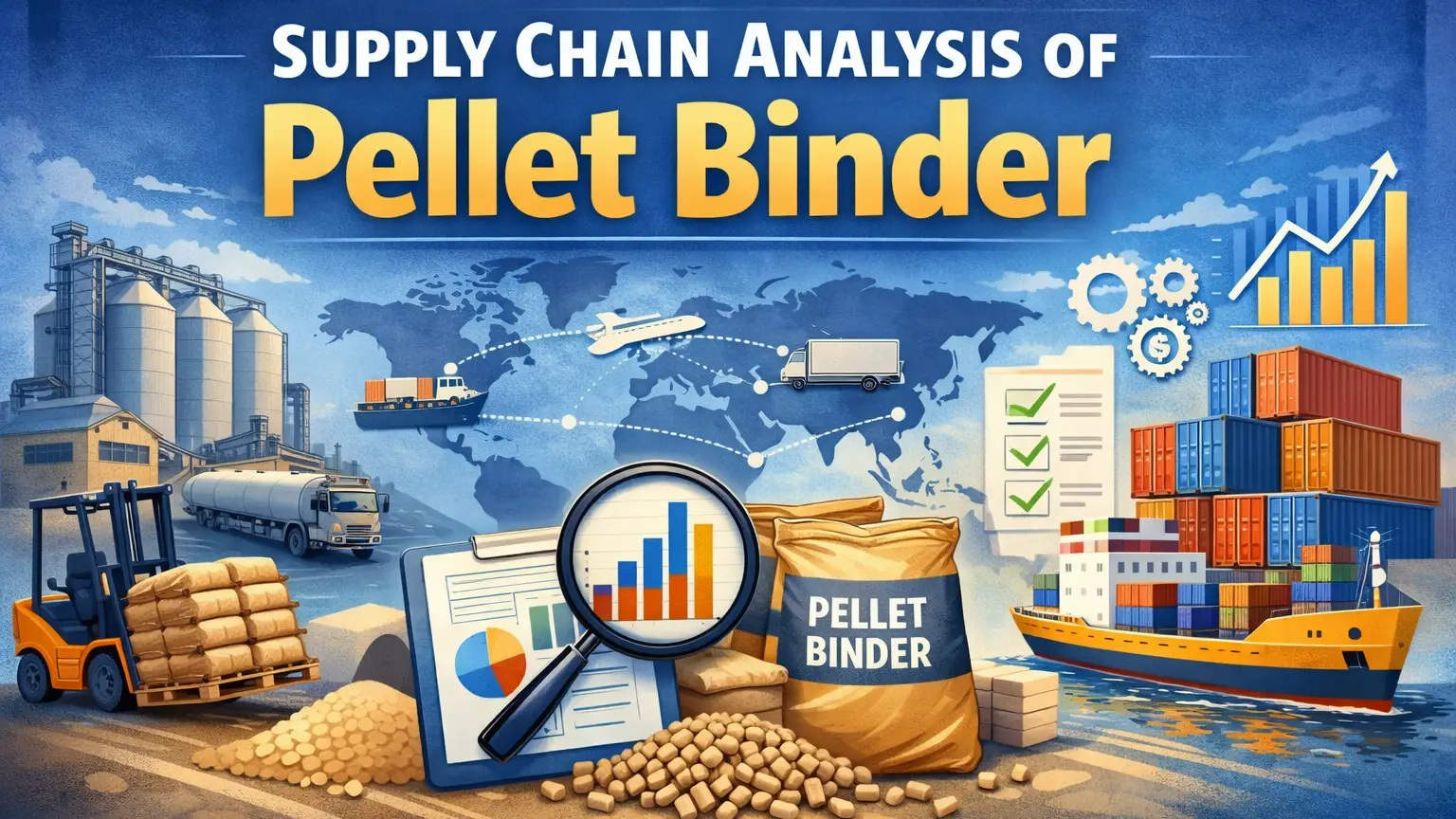
Pellet Binder Sourcing Guide: Supply Chain Opportunities and Industrial Demand
Understanding Pellet Binder and Its Industrial Role
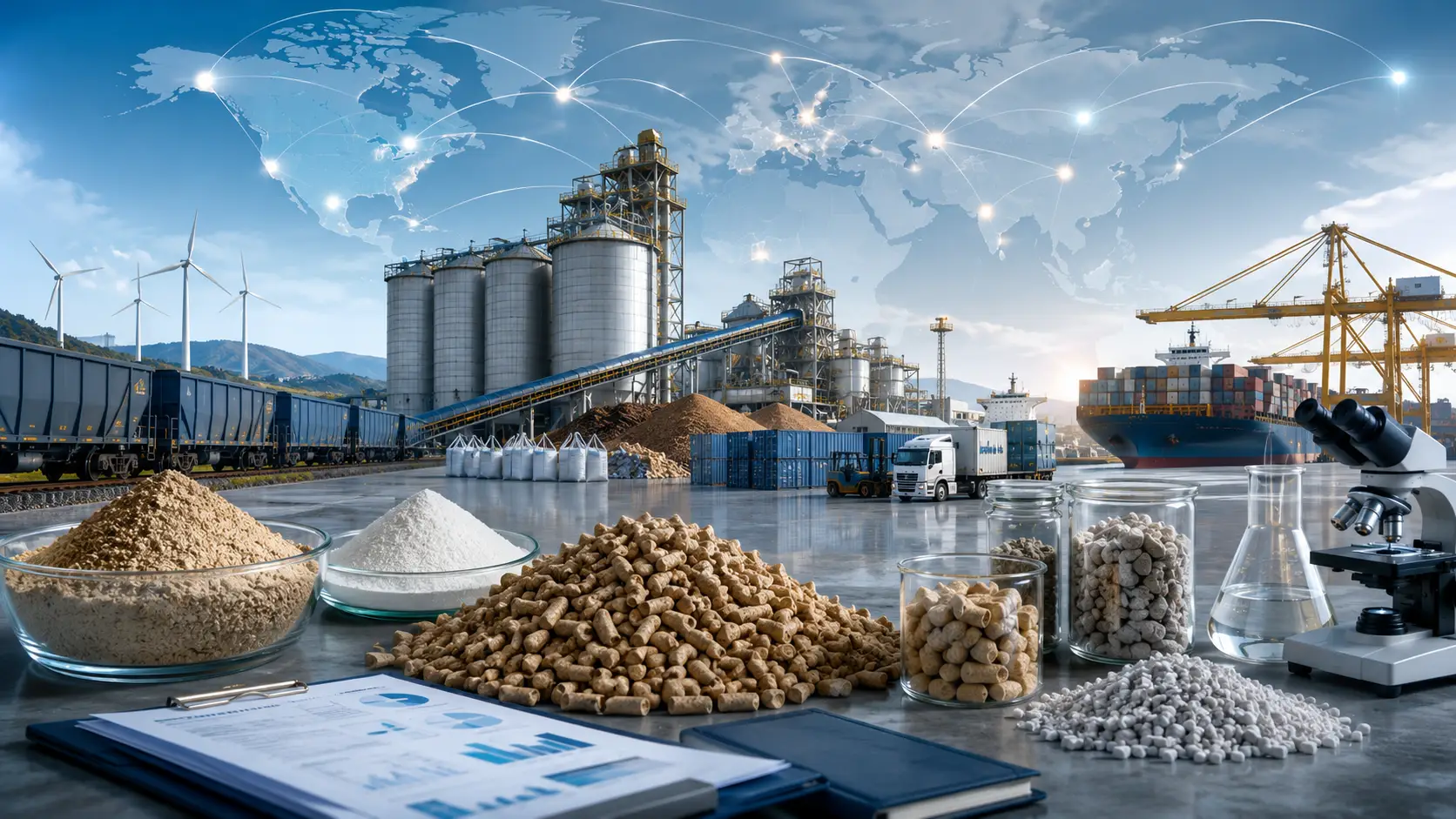
Pellet binder is a specialized additive used during pelletization processes to improve particle adhesion, enhance mechanical strength, and reduce material loss during handling and transportation. It plays a critical role in ensuring pellet durability across multiple industries where powdered materials must be converted into uniform pellets.
What Is a Pellet Binder?
A pellet binder functions by creating stronger inter-particle bonds during pellet formation. Depending on the application, binders may be organic, inorganic, synthetic, or naturally derived materials designed to improve pellet integrity and operational efficiency.
Industries increasingly rely on pellet binders to achieve consistent product quality while minimizing production waste. Technical publications from the United States Department of Agriculture (USDA) have highlighted the importance of binding agents in improving pellet durability and processing performance in feed and biomass applications.
As manufacturing operations continue to seek higher throughput and lower operational costs, pellet binders have become essential process additives in modern pellet production systems.
Major Industrial Applications Driving Demand
Demand for pellet binders is closely linked to industries that depend on pelletized products for transportation efficiency, combustion performance, or material handling requirements.
Applications Across Key Industries
In the mining and mineral processing sector, pellet binders are used to improve the strength of iron ore pellets and other agglomerated mineral products. According to technical information published by the World Steel Association, pellet quality significantly influences blast furnace efficiency and downstream steel production performance.
The biomass energy industry utilizes pellet binders to enhance the durability of wood pellets and alternative biomass fuels. As renewable energy adoption expands globally, pellet quality standards continue to gain importance throughout supply chains.
Animal feed manufacturers use pellet binders to improve feed consistency and reduce fines during transportation and storage. Research published by academic institutions and feed industry organizations consistently demonstrates the relationship between pellet quality and feed handling efficiency.
Fertilizer producers also employ pellet binders to create uniform granules that withstand storage, packaging, and transportation conditions while maintaining nutrient distribution consistency.
Global Market Trends and Supply Chain Developments
Global demand for pellet binders is evolving alongside growth in sustainable energy, industrial mineral processing, and agricultural productivity initiatives.
Market Drivers Influencing Growth
According to reports from the International Energy Agency (IEA), biomass remains an important component of renewable energy strategies in many regions, contributing to increased demand for pellet production additives and processing technologies.
The steel industry's ongoing focus on efficiency improvements has also supported demand for high-performance pellet binders used in iron ore pelletization. Market analysis published by organizations such as the World Steel Association indicates continued investment in pellet production infrastructure.
Supply chain diversification has become a major procurement consideration following recent disruptions affecting industrial raw materials worldwide. Buyers increasingly seek multiple sourcing channels to ensure supply continuity.
At the same time, manufacturers are investing in environmentally friendly binder formulations that align with sustainability targets and evolving regulatory expectations across international markets.
Quality Considerations for Industrial Buyers
Selecting the appropriate pellet binder requires careful evaluation of technical performance, compatibility, and long-term operational value.
Performance Factors Evaluated by Procurement Teams
Industrial buyers typically assess pellet strength, moisture resistance, dust reduction capabilities, and compatibility with existing production equipment before making purchasing decisions.
According to technical guidance from ASTM International, product performance testing and standardized evaluation methods are critical for ensuring consistency across industrial manufacturing processes.
Procurement teams also review product specifications related to dosage requirements, storage stability, and potential impacts on final product characteristics. These factors directly influence production economics and operational efficiency.
Supplier reliability, documentation quality, technical support capabilities, and regulatory compliance records are equally important considerations for organizations seeking long-term sourcing partnerships.
Buyer Intent and Procurement Decision Factors
Understanding buyer intent provides valuable insight into how pellet binder purchasing decisions are made across industrial sectors.
Who Buys Pellet Binder and Why?
Typical buyers include mining operators, biomass pellet manufacturers, animal feed producers, fertilizer companies, industrial processors, and contract pellet manufacturers seeking improved production performance.
According to procurement studies published by supply chain organizations such as the Institute for Supply Management (ISM), industrial buyers increasingly prioritize supply security, quality consistency, and total cost of ownership when evaluating suppliers.
Procurement teams compare multiple suppliers to identify the most suitable combination of technical performance, commercial competitiveness, logistics support, and regulatory compliance.
A comprehensive product page on a B2B marketplace helps buyers evaluate specifications, application suitability, documentation availability, and supplier capabilities before initiating commercial discussions or requesting quotations.
Sourcing Pellet Binder Through B2B Marketplaces
Digital procurement platforms have become increasingly important channels for industrial chemical sourcing and supplier discovery.
Advantages of B2B Chemical Marketplaces
B2B marketplaces connect manufacturers, distributors, traders, and procurement professionals through centralized sourcing environments that improve transparency and supplier accessibility.
Industry reports from organizations including Deloitte indicate that digital procurement adoption continues to accelerate as companies seek more efficient supplier management and purchasing workflows.
For pellet binder buyers, marketplace platforms provide access to multiple sourcing options, product information, and regional supply opportunities without requiring extensive supplier searches.
Companies such as Tradeasia, Chemtradeasia, and Tradechem Marketplace support procurement teams by facilitating supplier engagement, product evaluation, and international trade opportunities across industrial chemical supply chains.
Future Outlook for Pellet Binder Markets
The long-term outlook for pellet binder demand remains closely linked to industrial growth, renewable energy development, and advancements in pelletization technologies.
Emerging Opportunities in Global Markets
Market analysts expect continued expansion in biomass energy production, particularly in regions pursuing decarbonization and renewable energy objectives. This trend is expected to increase demand for pellet quality enhancement solutions.
According to projections from the Food and Agriculture Organization (FAO), agricultural productivity requirements will continue driving demand for efficient feed and fertilizer production systems, supporting pellet binder consumption.
Advancements in binder chemistry are creating opportunities for higher-performance products that deliver improved pellet durability while reducing environmental impact and production costs.
As global supply chains become more interconnected, procurement teams will increasingly rely on strategic sourcing partnerships and digital marketplaces to secure reliable access to pellet binders and related processing additives.
Conclusion
Pellet binders play a vital role across mining, biomass energy, fertilizer manufacturing, and animal feed industries by improving pellet strength, durability, and handling performance. Growing industrial demand, evolving sustainability goals, and expanding digital procurement practices are shaping the future of the pellet binder market.
For B2B buyers, successful sourcing depends on evaluating product performance, supplier reliability, supply chain resilience, and long-term commercial value. As global trade networks continue to evolve, specialized chemical marketplaces provide valuable access to suppliers, technical information, and procurement opportunities that support efficient industrial operations.
Sources
https://www.worldsteel.org/other-topics/raw-materials/
https://www.fs.usda.gov/research
https://www.pelletheat.org/
Leave a Comment