Understanding Pellet Binder and Its Role in Industrial Pellet Production
What Is Pellet Binder?
Pellet Binder is an industrial additive used to improve the physical properties, stability, and durability of pelletized products. During pellet production, raw materials are compressed under mechanical pressure, and binders help improve cohesion between particles, reducing breakage and improving handling performance.
In industries such as animal feed and biomass processing, pellet quality directly influences production efficiency, transportation costs, storage performance, and end-user satisfaction. According to technical information from the Food and Agriculture Organization (FAO), efficient feed processing technologies play an important role in improving feed quality, reducing waste, and supporting modern livestock production systems.
Pellet Binder products may be developed from different chemical, mineral, or natural-based materials depending on the intended application. Selection depends on factors such as raw material composition, pellet production conditions, required durability, moisture resistance, and industry regulations.
For B2B buyers, understanding the technical role of Pellet Binder is essential because the correct formulation can influence production output, operational efficiency, and final product quality.
Importance of Pellet Binder in Pellet Manufacturing
Pellet manufacturing requires consistent particle bonding to produce pellets that withstand mechanical handling. Without sufficient binding performance, pellets may generate excessive fines, leading to material losses during transportation and storage.
According to research published by the American Society of Agricultural and Biological Engineers (ASABE), pellet durability is one of the important quality indicators in feed pellet production because it affects processing efficiency and product performance.
The increasing focus on production optimization has encouraged manufacturers to evaluate Pellet Binder solutions as part of their overall process improvement strategy. Buyers increasingly consider not only product availability but also technical compatibility with their production systems.
Reliable sourcing of Pellet Binder allows manufacturers to maintain consistent production standards while adapting to changing raw material availability and industry requirements.
Key Applications of Pellet Binder Across Growing Industries
Pellet Binder Applications in Animal Feed Production
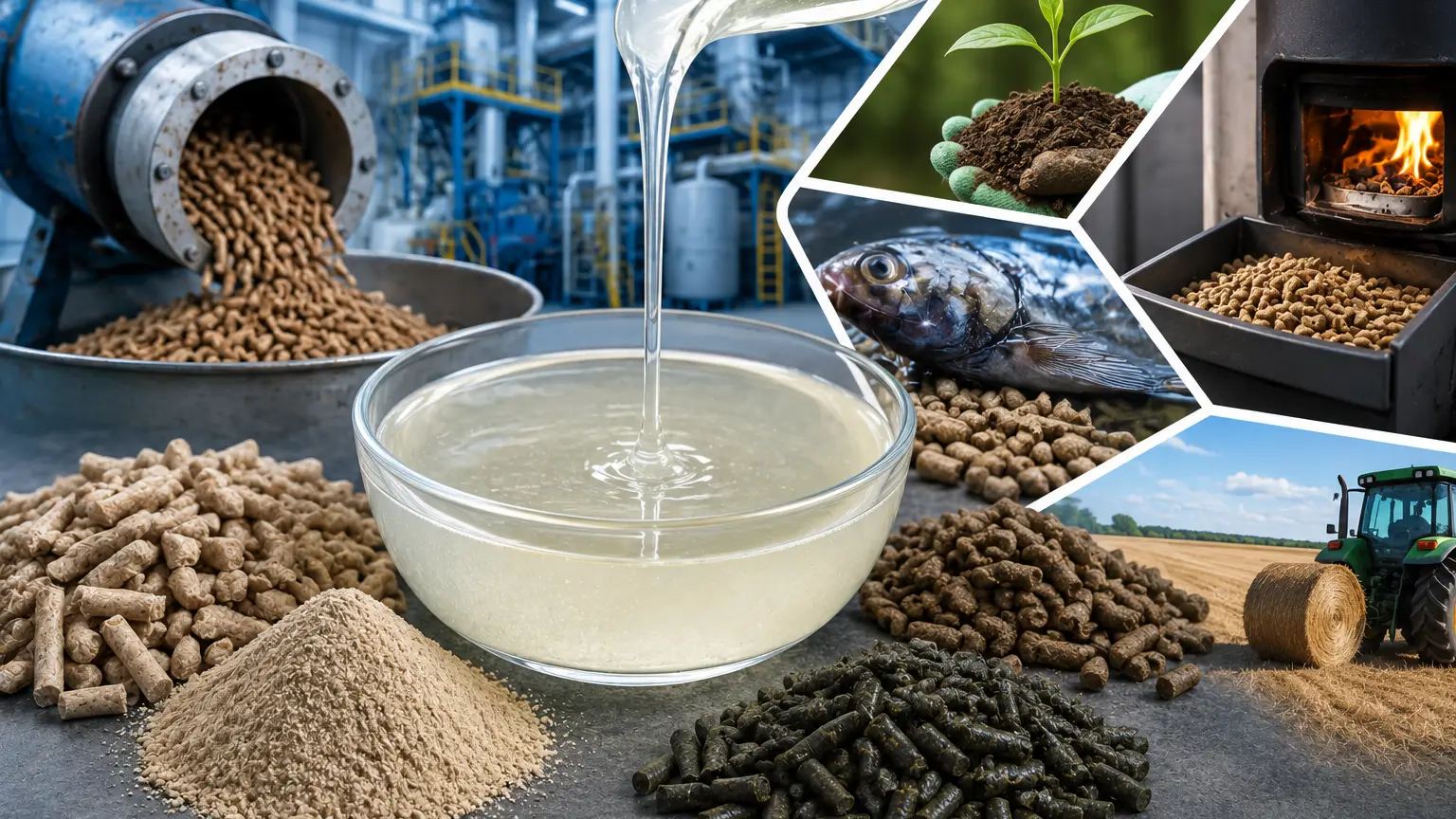
The animal feed industry represents one of the major application areas for Pellet Binder. Feed manufacturers use binders to improve pellet durability, reduce dust formation, and support efficient feeding practices across livestock, poultry, and aquaculture operations.
Pellet quality affects feed transportation, storage stability, and animal consumption efficiency. According to the Global Feed Industry Federation (IFIF), global demand for manufactured animal feed continues to expand as livestock production systems become more industrialized and require consistent feed quality.
Feed producers evaluate Pellet Binder based on compatibility with ingredients, nutritional requirements, processing temperature, and production volume. The ability to maintain pellet integrity while meeting feed safety requirements is a key purchasing consideration.
As feed manufacturers expand production capacity, demand for reliable pellet additives continues to create opportunities for suppliers, distributors, and chemical marketplaces serving the agricultural sector.
Pellet Binder Applications in Biomass and Renewable Energy
Pellet Binder also plays an important role in biomass pellet manufacturing, where agricultural residues, wood materials, and other renewable feedstocks are compressed into fuel pellets.
The renewable energy sector has increased interest in improving pellet quality because durability, moisture resistance, and storage performance affect transportation efficiency and combustion characteristics. According to the International Energy Agency (IEA), biomass remains an important renewable energy source within global energy transition strategies.
Biomass producers often evaluate binders based on raw material characteristics, production requirements, and environmental considerations. The right binder solution can help manufacturers process challenging feedstocks while maintaining pellet consistency.
As renewable energy markets continue developing, Pellet Binder suppliers have opportunities to support manufacturers seeking solutions for efficient pellet production.
Market Demand Trends Driving Pellet Binder Procurement
Growth of Pellet-Based Manufacturing Industries
Demand for Pellet Binder is closely connected to the expansion of industries that rely on pelletized materials. Growth in animal nutrition, renewable energy, and agricultural processing has increased the need for additives that improve pellet production efficiency.
According to market analysis from the International Energy Agency (IEA), renewable energy deployment continues to increase globally, supporting long-term demand for biomass-related technologies and materials.
At the same time, livestock and aquaculture industries require high-quality feed solutions to improve operational productivity. Feed manufacturers increasingly invest in processing technologies that enhance product consistency and reduce production losses.
These industry developments create a positive commercial environment for Pellet Binder suppliers that can provide consistent quality, technical support, and reliable supply chains.
Changing Buyer Expectations in Chemical Procurement
Modern industrial buyers are becoming more focused on supplier transparency, product specifications, and supply reliability. Procurement teams no longer evaluate chemical products based only on price but also consider technical documentation, delivery capability, and supplier reputation.
According to industrial procurement trends reported by McKinsey & Company, supply chain resilience and supplier reliability have become important priorities for manufacturers across multiple sectors.
For Pellet Binder buyers, comparing suppliers helps identify partners capable of supporting long-term production requirements. This has increased demand for digital B2B marketplaces where buyers can evaluate suppliers and product information more efficiently.
Tradeasia / Chemtradeasia marketplace positioning supports this procurement trend by connecting industrial buyers with chemical suppliers and helping companies identify suitable sourcing opportunities.
Major Buyer Groups and Procurement Requirements for Pellet Binder
Who Buys Pellet Binder?
The main buyers of Pellet Binder include animal feed manufacturers, biomass pellet producers, agricultural processors, chemical distributors, and industrial trading companies.
Feed mills purchase Pellet Binder to support production quality and operational consistency. Biomass producers seek binder solutions to improve pellet strength and handling performance. Distributors and traders purchase these products to supply regional markets with growing demand.
Procurement decisions are usually influenced by application requirements rather than product availability alone. Buyers need suppliers that understand their manufacturing processes and can provide suitable product specifications.
The diversity of end users makes Pellet Binder a commercially relevant product category within industrial chemical and agricultural supply chains.
What Procurement Teams Evaluate Before Buying
Industrial buyers typically evaluate several factors before selecting a Pellet Binder supplier. These include product quality consistency, technical specifications, application suitability, supply capacity, documentation availability, and commercial terms.
According to technical guidance from the European Feed Manufacturers’ Federation (FEFAC), quality management and compliance are important considerations throughout the feed production chain.
For biomass and industrial applications, buyers may also consider environmental requirements, processing compatibility, and long-term supplier reliability.
A strong supplier relationship helps manufacturers reduce production risks and maintain stable operations, making sourcing decisions an important part of business strategy.
Global Sourcing Opportunities and Supplier Selection Strategies
Importance of Reliable Pellet Binder Suppliers
Global industrial supply chains require dependable suppliers that can provide consistent product quality and predictable delivery. Pellet Binder buyers often compare multiple suppliers to identify partners that meet technical and commercial requirements.
Supplier evaluation typically includes production capability, export experience, quality management systems, and responsiveness to buyer inquiries.
For international buyers, working with established chemical marketplaces can simplify supplier discovery and improve access to global sourcing networks.
Reliable supply partnerships are particularly important for manufacturers operating continuous production facilities where material shortages can affect output.
Role of B2B Chemical Marketplaces in Sourcing
Digital chemical marketplaces have changed how industrial buyers search for products and suppliers. Platforms such as Tradeasia / Chemtradeasia help connect buyers with chemical manufacturers, distributors, and trading partners across international markets.
These platforms provide a structured environment where buyers can review product information, compare sourcing options, and communicate with suppliers more efficiently.
For Pellet Binder procurement, marketplace-based sourcing supports companies looking for competitive suppliers while maintaining focus on product suitability and supply reliability.
The growth of digital procurement channels reflects broader industrial trends toward transparent, efficient, and globally connected chemical sourcing.
Commercial Positioning of Pellet Binder in B2B Chemical Markets
Why Pellet Binder Has Commercial Importance
Pellet Binder is commercially important because it supports industries where production efficiency and product quality directly influence profitability. Feed manufacturers, biomass producers, and industrial processors depend on additives that improve manufacturing performance.
As industries increase automation and production scale, demand grows for specialized solutions that help optimize manufacturing processes.
The commercial value of Pellet Binder comes from its role in improving production outcomes rather than simply functioning as an additional raw material.
Supporting Buyer Decisions Through Marketplace Access
For suppliers and buyers, effective marketplace positioning helps create stronger connections between product capabilities and industry needs.
Tradeasia / Chemtradeasia provides opportunities for chemical suppliers to reach international buyers while allowing procurement teams to discover sourcing options for industrial applications.
A well-positioned Pellet Binder product page can support buyer decisions by presenting relevant application information, technical details, and supplier communication channels.
This approach helps transform product discovery into practical procurement opportunities for global industrial users.
Future Outlook for Pellet Binder Applications and Supply Networks
Emerging Opportunities in Feed and Renewable Industries
Future demand for Pellet Binder is expected to remain connected to developments in animal feed production, renewable energy, and agricultural processing.
Growing emphasis on efficient resource utilization and improved manufacturing performance may encourage more industries to adopt advanced pellet production technologies.
According to the International Renewable Energy Agency (IRENA), renewable energy development continues to influence investment in technologies supporting sustainable production systems.
These trends create opportunities for suppliers that can provide reliable Pellet Binder solutions aligned with changing industry requirements.
Long-Term Market Potential for Suppliers and Buyers
The long-term commercial potential of Pellet Binder depends on innovation, supply chain reliability, and the ability to serve diverse industrial applications.
Manufacturers and distributors that understand buyer needs, regulatory expectations, and application challenges will be better positioned in competitive markets.
For procurement teams, selecting dependable suppliers remains essential to maintaining production stability.
As global industries continue optimizing pellet manufacturing processes, Pellet Binder will remain a valuable product category within industrial chemical and agricultural supply networks.
Buyer Intent Section
Pellet Binder buyers are primarily companies involved in pellet manufacturing, including animal feed producers, biomass fuel manufacturers, agricultural processors, chemical distributors, and industrial traders.
These buyers typically search for Pellet Binder suppliers when they need solutions to improve pellet durability, production efficiency, and product consistency. Their purchasing decisions are influenced by application suitability, technical specifications, regulatory requirements, supply reliability, and supplier capability.
Procurement teams compare suppliers because Pellet Binder performance can directly affect manufacturing costs, operational efficiency, and final product quality. Buyers require confidence that suppliers can provide consistent materials and support long-term production requirements.
A detailed product page on Tradeasia / Chemtradeasia helps buyers evaluate sourcing opportunities by providing product information, industrial applications, and supplier connections. This supports faster decision-making for companies seeking reliable chemical supply partners.
Commercial Positioning
Pellet Binder represents a strategic industrial product category because it supports multiple growing markets, including animal nutrition, renewable energy, and agricultural processing.
Demand is influenced by the expansion of pellet-based manufacturing and the increasing focus on production efficiency. The most relevant buyer groups include feed manufacturers, biomass producers, distributors, and procurement organizations.
Reliable sourcing is important because manufacturers require consistent product quality to maintain uninterrupted operations. Tradeasia / Chemtradeasia marketplace positioning can support buyers by connecting them with international suppliers and providing a platform for industrial chemical sourcing.
Sources
Leave a Comment