Pellet Binder Market Overview and Industrial Importance
Understanding the Role of Pellet Binder in Industrial Production
Pellet Binder is an important material used to improve the physical quality, durability, and handling characteristics of compressed pellets. In industrial manufacturing, binders help improve pellet formation by increasing cohesion between raw materials, reducing breakage, and supporting consistent production performance. These characteristics make Pellet Binder an essential input for industries where pellet stability and efficiency directly influence operational costs.
The demand for Pellet Binder is strongly associated with industries that manufacture compressed products from agricultural, nutritional, and biological materials. Animal feed producers, agricultural processors, and biomass manufacturers rely on binder solutions to improve production reliability and maintain product quality during storage, transportation, and end use.
According to technical information published by the Food and Agriculture Organization of the United Nations, efficient feed production systems are important for improving livestock productivity and supporting sustainable agricultural value chains. Feed manufacturing technologies, including pellet processing improvements, continue to influence industrial efficiency and resource utilization.
From a B2B sourcing perspective, Pellet Binder represents more than a processing additive. It is a strategic raw material that supports manufacturing consistency, operational performance, and supply chain reliability for companies operating in competitive industrial markets.
Importance of Pellet Binder Quality in Manufacturing Efficiency
Pellet quality depends on several technical factors, including raw material composition, processing conditions, moisture levels, and binder performance. A suitable Pellet Binder helps manufacturers achieve stronger pellets that can withstand mechanical handling while maintaining desired physical properties.
For feed producers, improved pellet integrity can reduce losses caused by dust formation and pellet degradation during transportation. For biomass processors, binder performance contributes to producing stable pellets suitable for industrial handling and energy applications.
Technical research published in agricultural and feed science journals highlights that pellet durability is influenced by formulation and processing factors, including the use of binding materials. These findings demonstrate why industrial buyers evaluate binder specifications carefully before selecting suppliers.
Reliable sourcing of Pellet Binder allows manufacturers to maintain production continuity and meet customer expectations. This creates demand for suppliers capable of providing consistent quality, technical support, and dependable logistics solutions.
Key Applications of Pellet Binder Across Industries
Pellet Binder Applications in Animal Feed Manufacturing
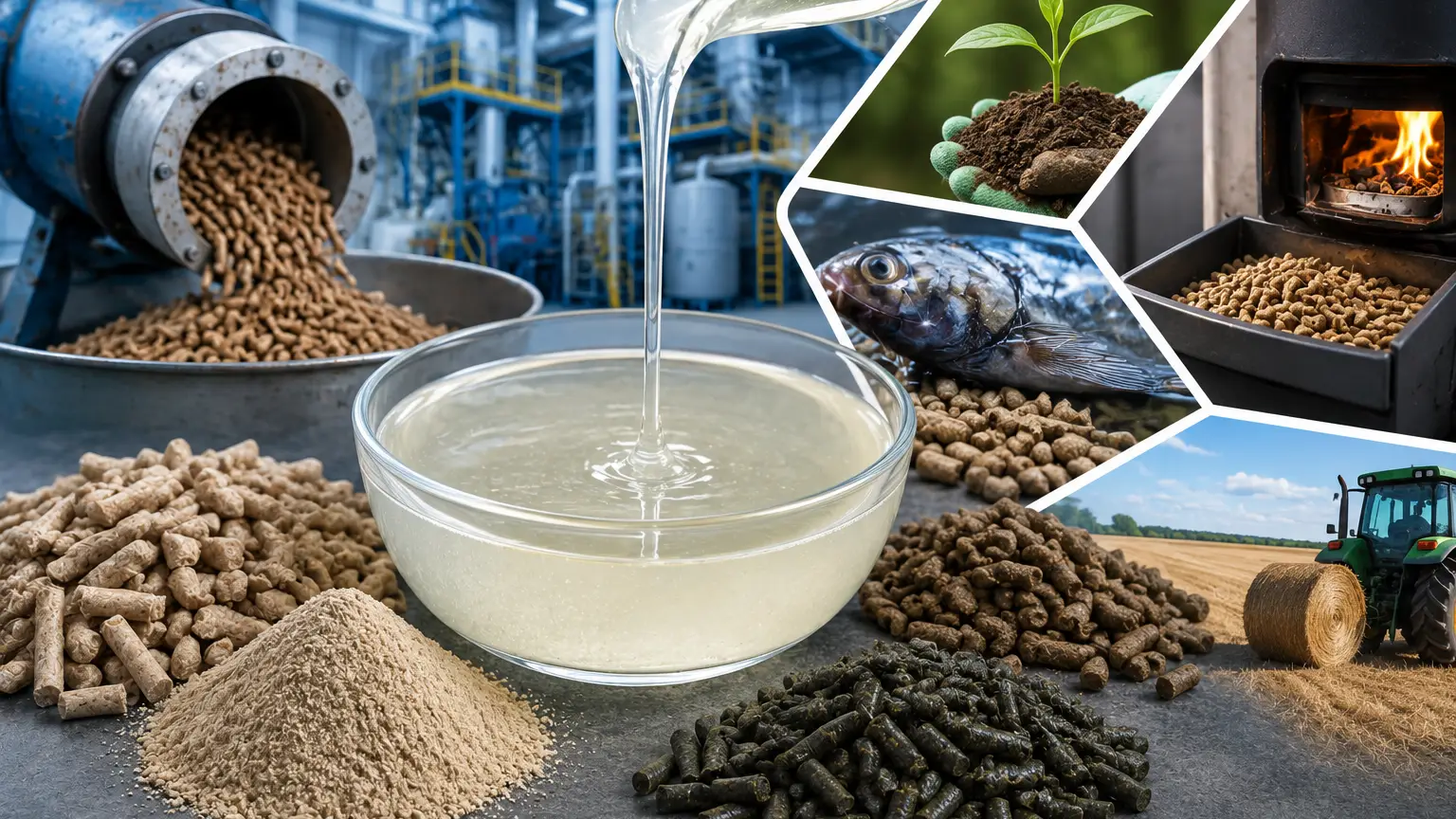
Animal feed production is one of the major application areas for Pellet Binder. Feed manufacturers use binders to improve pellet structure, enhance durability, and support efficient processing of nutritional formulations for livestock, poultry, and aquaculture markets.
The expansion of global livestock production has increased demand for high-quality feed ingredients and processing technologies. According to market and agricultural data from the United States Department of Agriculture, global animal production systems continue to influence demand for efficient feed manufacturing processes.
Feed producers typically evaluate Pellet Binder based on compatibility with different feed formulations, processing performance, and impact on final pellet quality. These factors make binder selection an important procurement decision for feed mills and ingredient buyers.
As feed manufacturers seek improved production efficiency, Pellet Binder suppliers that understand industrial requirements can provide value beyond basic material supply. Technical knowledge and reliable delivery capabilities are increasingly important factors in supplier selection.
Market Trends Driving Pellet Binder Demand
Growing Demand from the Animal Feed Industry
The global animal feed industry continues to influence demand for Pellet Binder as manufacturers focus on improving production efficiency, reducing material waste, and delivering consistent feed quality. As livestock and aquaculture production expand, feed producers require reliable processing solutions that support higher output and better pellet performance.
Pellet Binder demand is closely connected with the increasing adoption of pelletized feed systems. Compared with loose feed formats, pellets offer advantages in handling, storage, transportation efficiency, and feeding management. These benefits encourage feed manufacturers to invest in technologies and materials that improve pellet stability.
According to industry analysis from the International Feed Industry Federation, the feed industry continues to develop around efficiency improvements, sustainability initiatives, and increased production capacity. These developments create ongoing opportunities for suppliers of functional feed processing materials.
For B2B buyers, market growth means sourcing decisions are becoming more strategic. Companies are increasingly looking for Pellet Binder suppliers that can support long-term production needs through consistent quality, competitive supply options, and dependable logistics.
Sustainability and Efficiency Trends Affecting Binder Demand
Sustainability has become an important factor influencing industrial raw material selection. Pellet manufacturers are increasingly focused on improving resource utilization, reducing production losses, and optimizing manufacturing processes. Pellet Binder contributes to these goals by supporting stronger pellet formation and reducing waste generated during handling.
In biomass and agricultural processing sectors, pellet production is linked with efforts to convert renewable materials into more efficient commercial products. Binder technologies can help improve the physical characteristics of pellets produced from challenging raw materials.
Research from the International Energy Agency highlights the increasing role of biomass and renewable energy technologies in global energy discussions. This broader transition supports continued interest in materials that improve biomass pellet processing efficiency.
For manufacturers and distributors, these market shifts create opportunities to supply Pellet Binder solutions to industries seeking improved productivity and sustainable production methods.
Buyer Requirements and Procurement Considerations
Key Factors Evaluated by Pellet Binder Buyers
Industrial buyers evaluate multiple factors when sourcing Pellet Binder, including product consistency, application suitability, technical specifications, supply capacity, and supplier reliability. Procurement teams typically require materials that can integrate smoothly into existing production systems without affecting product quality.
For animal feed manufacturers, compatibility with different formulations is a major consideration. Buyers may assess how a binder performs under different processing conditions, including temperature, moisture exposure, and compression requirements.
Technical documentation, quality certifications, and supplier transparency also influence purchasing decisions. Companies operating at industrial scale often prefer suppliers that provide clear product information and maintain consistent communication throughout the supply process.
According to guidance from the Association of American Feed Control Officials, feed-related materials require attention to quality standards and regulatory considerations. This reinforces the importance of responsible sourcing practices within the feed industry.
Why Buyers Compare Multiple Pellet Binder Suppliers
Supplier comparison is common in industrial procurement because Pellet Binder availability, pricing, and technical suitability can vary between suppliers and regions. Buyers often compare suppliers to secure stable supply chains and minimize production risks.
Large-scale manufacturers typically consider factors beyond price, including delivery reliability, documentation support, packaging options, and supplier responsiveness. A lower-cost option may not provide the consistency required for continuous manufacturing operations.
International sourcing also requires evaluation of logistics capabilities, export experience, and regional availability. Buyers need suppliers that can support their operational requirements across different markets.
B2B chemical marketplaces help simplify this process by connecting buyers with qualified suppliers, improving product visibility, and supporting more efficient sourcing decisions.
Global Pellet Binder Supply Chain and Sourcing Strategies
Building Reliable International Supply Networks
The Pellet Binder supply chain involves manufacturers, distributors, traders, and industrial end users across multiple regions. Effective supply chain management ensures that manufacturers receive consistent materials while maintaining production schedules.
Global buyers increasingly seek suppliers with strong export capabilities and experience serving industrial customers. Factors such as shipping reliability, inventory management, and documentation accuracy influence supplier relationships.
Market conditions, transportation costs, and regional production capacity can affect availability and pricing. Therefore, procurement teams often develop multiple sourcing channels to reduce dependency on a single supplier.
According to supply chain research published by the Organisation for Economic Co-operation and Development, resilient supply chains are becoming increasingly important for industries exposed to global market changes.
Role of B2B Marketplaces in Pellet Binder Procurement
Digital B2B marketplaces have transformed how industrial buyers discover and evaluate chemical suppliers. These platforms allow procurement teams to compare available suppliers, review product information, and identify potential partners more efficiently.
For Pellet Binder buyers, marketplace platforms provide access to broader supplier networks while supporting faster communication between manufacturers, distributors, and end users.
A strong marketplace presence helps suppliers reach international customers searching for specific industrial materials. It also allows buyers to make more informed decisions based on product information, supplier capability, and commercial requirements.
Tradeasia / Chemtradeasia / Tradechem Marketplace positioning supports this sourcing approach by providing a platform where industrial buyers can explore chemical and raw material supply opportunities across global markets.
Commercial Opportunities for Pellet Binder Buyers and Suppliers
Expanding Market Opportunities Across Industrial Applications
Pellet Binder continues to represent a valuable sourcing opportunity as industries seek materials that improve production efficiency and product consistency. Demand is influenced by growth in animal feed manufacturing, agricultural processing, and biomass-related industries where pellet quality directly affects operational performance.
Manufacturers and distributors that understand application requirements can better serve buyers looking for reliable binder solutions. Different industries may require different performance characteristics, making technical knowledge and supply flexibility important competitive factors.
The commercial value of Pellet Binder extends beyond the product itself. Buyers are increasingly interested in suppliers that can provide dependable availability, consistent specifications, and support throughout the procurement process.
According to market observations from industrial research organizations such as Grand View Research, demand for functional industrial materials is influenced by manufacturing expansion, efficiency improvements, and changing production requirements across multiple sectors.
How Suppliers Can Support Industrial Buyer Needs
Successful Pellet Binder suppliers focus on more than transaction-based sales. Long-term industrial relationships depend on consistent product quality, transparent communication, technical support, and the ability to meet changing customer requirements.
For manufacturers, maintaining stable raw material access is essential for avoiding production interruptions. Suppliers that provide reliable logistics solutions and clear product documentation can become valuable partners in industrial supply chains.
Distributors and traders also play an important role by connecting regional buyers with global manufacturers. Their market knowledge helps industries access suitable products while improving supply chain efficiency.
Platforms such as Tradeasia / Chemtradeasia / Tradechem Marketplace provide opportunities for suppliers and buyers to connect within a global B2B environment, supporting easier discovery of industrial raw material solutions.
Conclusion: Building Reliable Pellet Binder Supply Partnerships
Future Outlook for Pellet Binder Demand
The outlook for Pellet Binder remains closely connected to the development of industries that depend on efficient pellet production. As feed manufacturers, agricultural processors, and biomass companies continue improving operational efficiency, demand for reliable binder solutions is expected to remain commercially relevant.
Industrial buyers are increasingly focused on supplier reliability, technical suitability, and supply chain resilience. Companies that evaluate these factors carefully can build stronger procurement strategies and reduce risks associated with inconsistent raw material availability.
Market growth opportunities will depend on suppliers’ ability to adapt to evolving customer expectations, including improved documentation, consistent quality standards, and international sourcing capabilities.
According to industry perspectives from organizations such as the Food and Agriculture Organization of the United Nations, efficient agricultural production systems rely on continuous improvements in technology, processing methods, and supply chain management.
Supporting B2B Sourcing Through Trade Marketplaces
For buyers searching for Pellet Binder suppliers, selecting the right sourcing platform can simplify supplier discovery and improve procurement efficiency. A reliable marketplace provides access to product information, supplier networks, and opportunities for international trade.
Tradeasia / Chemtradeasia / Tradechem Marketplace supports industrial buyers by connecting businesses looking for chemical and industrial raw materials with suppliers capable of serving global markets.
The increasing importance of digital procurement means B2B marketplaces are becoming valuable tools for manufacturers, distributors, and procurement teams seeking efficient sourcing channels.
By combining market knowledge, application understanding, and reliable supplier connections, businesses can develop stronger Pellet Binder supply strategies that support long-term industrial growth.
Buyer Intent Section
Understanding Buyer Intent for Pellet Binder
Pellet Binder buyers are primarily companies involved in industries where pellet formation, durability, and manufacturing efficiency are critical. These include animal feed manufacturers, livestock nutrition companies, agricultural processors, biomass pellet producers, and industrial distributors.
Procurement teams typically search for Pellet Binder suppliers when they need reliable raw materials for continuous production operations. Their purchasing decisions are usually influenced by product performance, supply consistency, pricing competitiveness, technical documentation, packaging requirements, and supplier reliability.
Feed manufacturers evaluate Pellet Binder based on its ability to support pellet quality, reduce production losses, and maintain manufacturing efficiency. Biomass and agricultural processors consider factors such as compatibility with raw materials and suitability for large-scale production.
Buyers compare multiple suppliers because supply chain reliability directly affects operational performance. A supplier with consistent availability, clear specifications, and international trade experience can provide greater value than suppliers competing only on price.
A well-structured product page on Tradeasia / Chemtradeasia / Tradechem Marketplace supports buyer decision-making by providing essential sourcing information, helping industrial customers identify potential suppliers and evaluate commercial opportunities.
Commercial Positioning
Pellet Binder as a Strategic Industrial Supply Opportunity
Pellet Binder plays an important commercial role in industries where efficient pellet production influences product quality, manufacturing costs, and supply chain performance. Its applications across feed production and industrial processing create demand from a wide range of B2B buyers.
The product’s commercial relevance is driven by increasing attention toward production efficiency, improved material utilization, and consistent manufacturing standards. As industries scale their operations, dependable access to processing materials becomes a key procurement priority.
The most relevant buyer groups include feed manufacturers, agricultural processors, biomass producers, chemical distributors, and industrial procurement teams. These buyers require suppliers that understand technical requirements and can support long-term supply relationships.
Reliable sourcing is essential because production interruptions, inconsistent quality, or supply delays can affect manufacturing performance. Working with established marketplace channels helps buyers discover suppliers and compare available sourcing options more efficiently.
Tradeasia / Chemtradeasia / Tradechem Marketplace positions Pellet Binder as a commercially important industrial material by connecting global buyers and suppliers through a B2B sourcing platform designed for chemical and industrial trade.
Sources
Leave a Comment