Nicotinic Acid Applications Driving Global Industrial Market Growth
Introduction to Nicotinic Acid as an Industrial Vitamin B3 Ingredient
Understanding Nicotinic Acid and Its Industrial Importance
Nicotinic acid, also known as niacin or vitamin B3, is a water-soluble vitamin compound widely used as an essential ingredient across pharmaceutical, nutritional, food, and animal feed industries. Unlike its association with consumer dietary supplements, industrial-grade nicotinic acid plays a critical role as a functional raw material supporting metabolic processes, product formulation, and nutritional enhancement. According to technical information from the National Institutes of Health Office of Dietary Supplements, niacin is an essential nutrient involved in energy metabolism and the maintenance of normal cellular functions.
The commercial importance of nicotinic acid comes from its versatility as a stable vitamin ingredient suitable for large-scale manufacturing applications. Pharmaceutical producers incorporate it into vitamin formulations, while animal nutrition companies use it to improve feed nutritional profiles. This broad industrial relevance creates consistent demand from manufacturers seeking dependable raw material suppliers with international distribution capabilities.
Role of Nicotinic Acid in Global Supply Chains
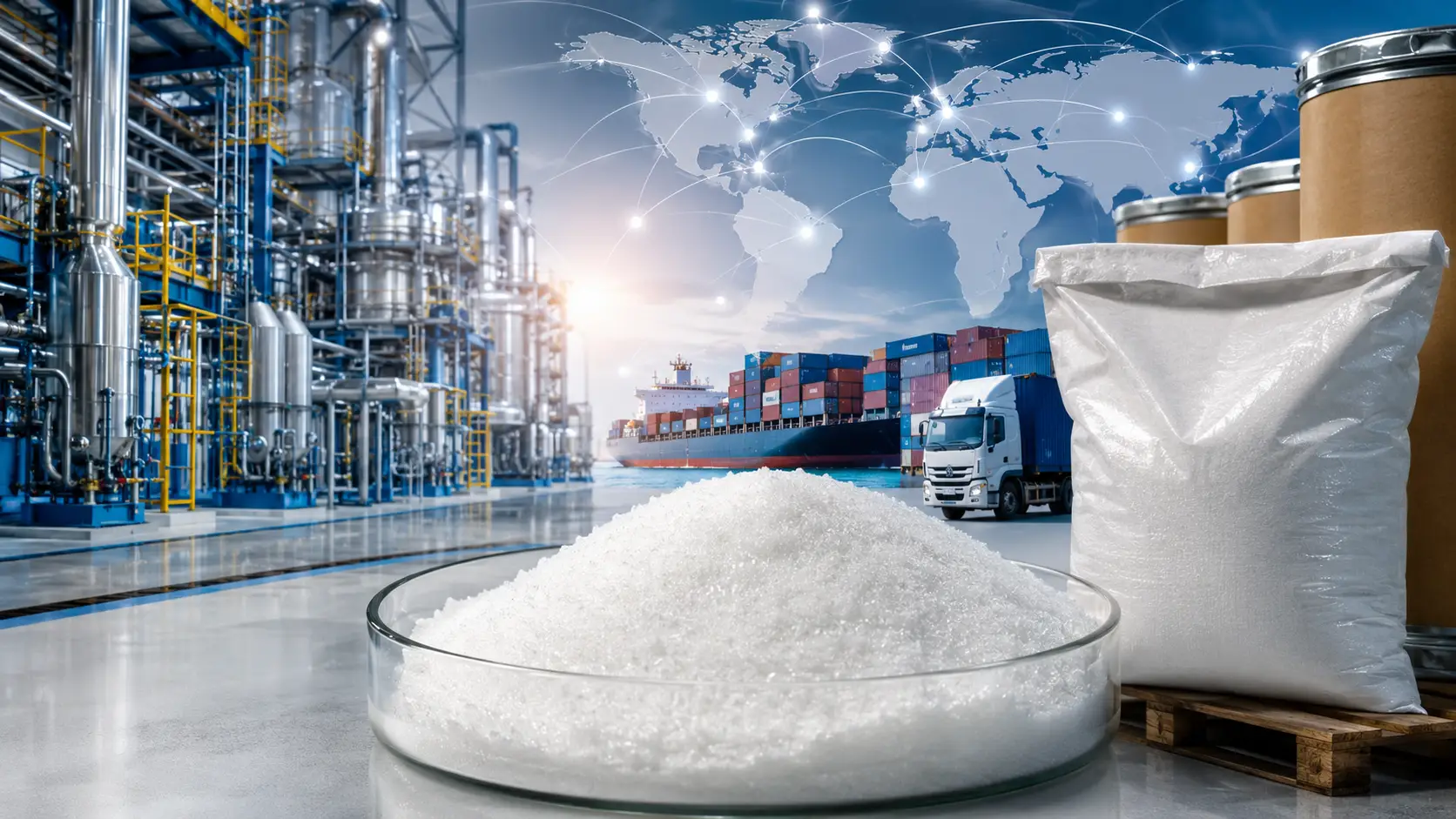
The global supply chain for nicotinic acid involves manufacturers, distributors, pharmaceutical companies, premix producers, feed manufacturers, and specialty chemical traders. Buyers typically evaluate suppliers based on product consistency, regulatory documentation, production reliability, packaging options, and logistics capabilities. These factors are increasingly important as industries strengthen supply chain resilience and reduce dependence on limited sourcing channels.
According to market observations from Grand View Research, the global vitamins market continues to experience steady growth due to increasing demand from dietary supplements, functional foods, and animal nutrition applications. This expansion supports continued commercial opportunities for vitamin B3 ingredients such as nicotinic acid.
Reliable sourcing platforms provide value by connecting qualified suppliers with international buyers seeking transparent procurement channels. For chemical marketplaces, nicotinic acid represents a high-potential product category because it serves multiple industries with recurring purchasing requirements.
Expanding Applications of Nicotinic Acid Across Key Industries
The pharmaceutical sector represents one of the most established application areas for nicotinic acid. Manufacturers use it as an active nutritional ingredient in vitamin supplements and healthcare formulations due to its recognized role in supporting lipid metabolism and cellular energy production. Pharmaceutical buyers generally require high-quality material with strict specifications, consistent purity, and appropriate regulatory documentation.
Nutraceutical manufacturers have also increased their demand for vitamin B3 ingredients as consumers continue shifting toward preventive healthcare products and nutritional supplements. According to the National Institutes of Health, niacin remains an important vitamin component with established nutritional functions, supporting its continued inclusion in health-focused formulations.
The growth of personalized nutrition, functional wellness products, and fortified supplements creates additional opportunities for suppliers capable of providing reliable pharmaceutical and food-grade nicotinic acid. Manufacturers increasingly seek suppliers that can support both technical requirements and global delivery schedules.
Animal Feed and Nutrition Industry Demand
Animal nutrition is another major application area where nicotinic acid supports feed formulation strategies. Feed manufacturers incorporate niacin into premixes and compound feeds for poultry, livestock, and other agricultural applications to help meet nutritional requirements. The expansion of global meat and livestock production continues to support demand for high-quality feed additives.
According to the Food and Agriculture Organization of the United Nations (FAO), global livestock production systems continue evolving due to rising protein consumption and increasing focus on efficient animal production. This trend supports demand for nutritional ingredients that improve feed quality and animal performance.
For feed producers, procurement decisions often depend on availability, cost efficiency, transportation reliability, and supplier experience in handling international agricultural markets. These requirements make dependable B2B sourcing channels important for maintaining consistent production operations.
Market Demand Trends and Global Buyer Opportunities
Demand for nicotinic acid continues to expand as pharmaceutical, nutraceutical, food, and animal nutrition industries increase production to meet global population growth and rising health awareness. Manufacturers are also responding to stricter nutritional standards and greater consumer interest in fortified products. According to market analysis published by Fortune Business Insights, the global vitamins market is projected to grow steadily over the coming years, driven by increasing healthcare spending and demand for functional nutrition.
Another important growth factor is the globalization of ingredient sourcing. Companies increasingly diversify procurement to reduce supply chain risks, creating opportunities for qualified exporters and international distributors of nicotinic acid. Buyers are looking beyond local suppliers to secure competitive pricing, stable inventories, and reliable logistics.
Commercial Opportunities for International Suppliers
Exporters and chemical distributors benefit from the broad industrial appeal of nicotinic acid because the product serves multiple sectors with recurring purchasing cycles. Bulk buyers often require flexible packaging, documentation such as Certificates of Analysis (COA), Safety Data Sheets (SDS), and compliance with applicable quality standards.
According to industry reports from Mordor Intelligence, growth in pharmaceutical manufacturing and animal nutrition production continues to support demand for specialty vitamin ingredients worldwide. Suppliers capable of offering consistent quality, responsive customer service, and dependable international shipping are well positioned to strengthen long-term relationships with procurement teams.
Procurement Factors for Nicotinic Acid Buyers and Suppliers
Industrial buyers evaluate nicotinic acid using more than price alone. Procurement teams typically assess purity levels, manufacturing consistency, shelf life, packaging integrity, product traceability, and regulatory compliance. Depending on the intended application, buyers may also require food-grade, feed-grade, or pharmaceutical-grade specifications that align with local and international regulations.
Technical information published by the United States Pharmacopeia (USP) and regulatory guidance from food and pharmaceutical authorities emphasize the importance of standardized quality systems for ingredients used in health-related products. As a result, reliable documentation has become an essential component of supplier qualification.
Building Long-Term Supply Partnerships
Purchasing departments increasingly prioritize suppliers that demonstrate operational reliability, transparent communication, and the ability to support long-term contracts. In addition to competitive pricing, procurement professionals value suppliers that maintain stable inventories, provide responsive technical assistance, and offer flexible shipping arrangements for international markets.
Digital B2B marketplaces have simplified supplier discovery by enabling buyers to compare product specifications, certifications, and commercial terms more efficiently. This improves sourcing confidence and helps manufacturers reduce procurement risks while maintaining continuity across production schedules.
Regional Supply Chain Development and Future Market Outlook
Asia-Pacific continues to play a central role in the production and consumption of vitamin ingredients due to its extensive pharmaceutical manufacturing base and expanding animal feed industry. At the same time, North America and Europe remain important markets because of established nutraceutical and healthcare sectors with stringent quality requirements.
According to the Food and Agriculture Organization (FAO) and the Organisation for Economic Co-operation and Development (OECD), increasing global food production and livestock efficiency initiatives will continue supporting demand for nutritional additives over the coming decade. These structural trends contribute to stable long-term opportunities for nicotinic acid suppliers.
Future Outlook for Global Trade
Future growth is expected to be supported by advancements in functional nutrition, preventive healthcare, and sustainable livestock production. As regulatory expectations continue to evolve, buyers will increasingly favor suppliers capable of maintaining consistent quality, transparent documentation, and resilient international logistics.
For manufacturers, distributors, and trading companies, nicotinic acid remains an attractive product due to its diversified application portfolio and recurring industrial demand. Businesses that invest in strong supplier relationships and efficient global distribution networks are likely to benefit from expanding international trade opportunities.
Buyer Intent and Commercial Sourcing Considerations
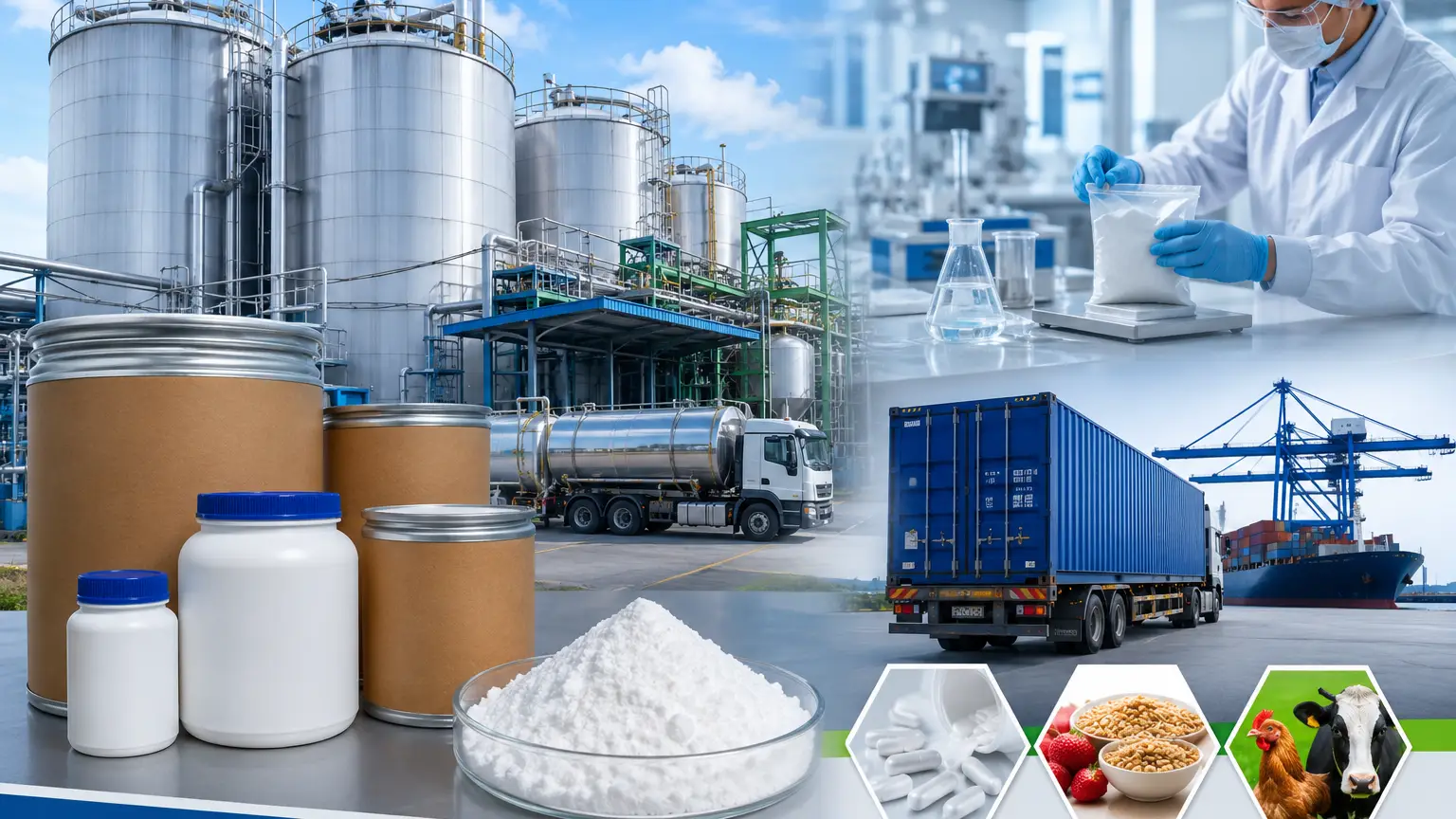
Typical buyers of nicotinic acid include pharmaceutical manufacturers, nutraceutical companies, animal feed producers, food ingredient processors, chemical distributors, and contract manufacturers. These organizations purchase the product in bulk to support continuous production and require dependable supply partners capable of meeting technical and commercial expectations.
Procurement teams generally compare suppliers based on product quality, available grades, regulatory documentation, production capacity, lead times, packaging options, and logistics performance. Price remains an important consideration, but reliability, consistency, and technical support often determine long-term supplier selection.
Supporting Better B2B Sourcing Decisions
A comprehensive product page enables buyers to evaluate specifications, certifications, applications, and commercial availability before initiating procurement discussions. This transparency reduces sourcing uncertainty and accelerates purchasing decisions for manufacturers operating in highly regulated industries.
For global B2B marketplaces such as Tradeasia, Chemtradeasia, and Tradechem Marketplace, presenting complete technical information alongside responsive sourcing support helps buyers identify suitable suppliers while improving procurement efficiency across international markets.
Conclusion: Building Reliable Nicotinic Acid Supply Partnerships
Nicotinic acid continues to be an essential industrial ingredient supporting pharmaceutical, nutraceutical, food, and animal nutrition applications worldwide. Its broad functionality, established commercial demand, and growing role in global health and nutrition markets make it an important product for manufacturers and procurement professionals seeking dependable raw material solutions.
As international supply chains become increasingly interconnected, selecting experienced suppliers with consistent quality, comprehensive documentation, and reliable logistics is critical for maintaining production efficiency. Businesses sourcing through established B2B chemical marketplaces can streamline supplier evaluation, reduce procurement risks, and build resilient long-term partnerships. Tradeasia, Chemtradeasia, and Tradechem Marketplace provide a trusted platform connecting global buyers with qualified suppliers, supporting efficient sourcing of nicotinic acid for diverse industrial applications.
Sources
https://www.fao.org
https://www.usp.org
Leave a Comment