Native Tapioca Starch Applications and Buyer Opportunities in Global Markets
Introduction to Native Tapioca Starch and Its Market Importance
Understanding Native Tapioca Starch as a Functional Ingredient
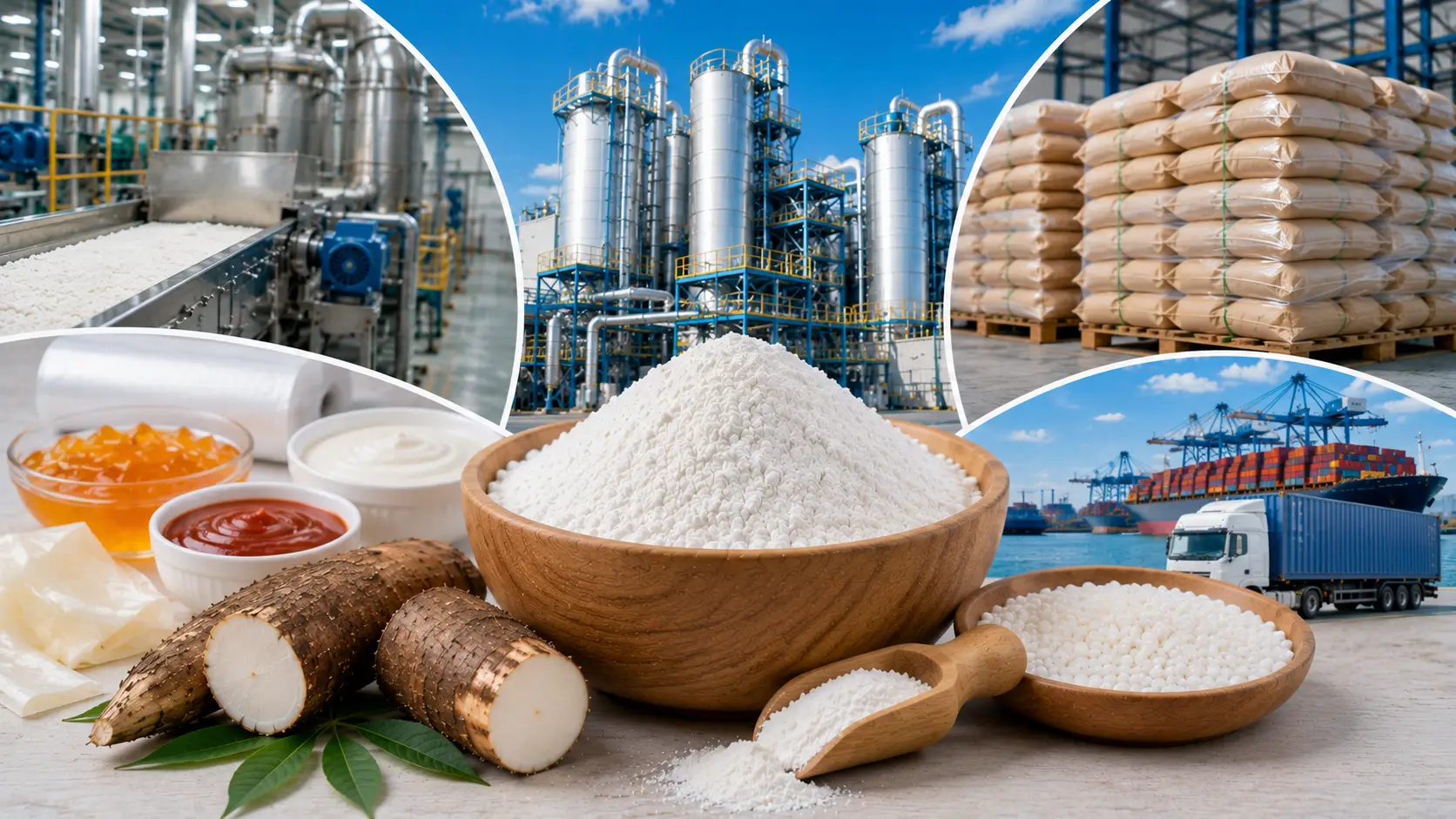
Native Tapioca Starch is a naturally extracted starch derived from cassava roots and widely used as a functional ingredient across food, industrial, and specialty applications. Its excellent thickening ability, clean flavor profile, high viscosity, and smooth texture make it an important raw material for manufacturers seeking plant-based starch solutions.
The global demand for Native Tapioca Starch continues to expand as industries increasingly prioritize renewable agricultural ingredients with consistent performance characteristics. Food processors, industrial manufacturers, and ingredient distributors rely on tapioca starch because it provides functional benefits while meeting consumer demand for naturally sourced materials.
Role of Tapioca Starch in Modern Manufacturing
The versatility of Native Tapioca Starch allows it to serve as a key processing ingredient in various manufacturing sectors. Unlike some starch alternatives, tapioca starch offers desirable clarity, stability, and texture properties, making it suitable for applications requiring high-quality ingredient performance.
For B2B buyers, selecting a dependable Native Tapioca Starch supplier is essential to maintaining production efficiency. Consistent quality, reliable shipment schedules, and compliance with industrial specifications are important purchasing factors in international starch trade.
Growing Demand for Native Tapioca Starch Across Global Industries
The shift toward plant-derived ingredients has accelerated demand for Native Tapioca Starch among food manufacturers and ingredient companies. Clean-label product development and consumer preference for recognizable ingredients have encouraged companies to evaluate tapioca starch as an alternative to synthetic additives and traditional starch sources.
Food producers increasingly use tapioca-based ingredients in products requiring improved mouthfeel, texture enhancement, and processing stability. This trend creates opportunities for suppliers and distributors serving international markets where demand for functional starch ingredients continues to rise.
Industrial Demand Beyond Food Applications
Although food remains a major consumption sector, Native Tapioca Starch also supports industrial applications including paper production, textile processing, adhesives, and pharmaceutical formulations. These industries utilize starch-based materials because of their binding, coating, and stabilizing characteristics.
Industrial buyers often require bulk quantities and dependable supply networks. Suppliers capable of providing consistent specifications and export-ready solutions can strengthen relationships with manufacturers seeking long-term sourcing partnerships.
Key Applications Driving Native Tapioca Starch Consumption
The food industry represents one of the largest application areas for Native Tapioca Starch. Manufacturers use it in bakery products, sauces, soups, noodles, snacks, confectionery products, and processed foods to improve thickness, texture, and product stability.
Tapioca starch is especially valued for producing smooth textures and maintaining product quality during processing. Food companies, private-label manufacturers, and ingredient distributors frequently source tapioca starch in bulk to support large-scale production requirements.
Pharmaceutical and Specialty Ingredient Uses
Native Tapioca Starch is also used in pharmaceutical and specialty applications where natural starch functionality is required. It can serve as a binder, filler, or processing aid in certain formulations, depending on technical requirements.
As pharmaceutical and healthcare industries continue evaluating plant-based excipients, demand for reliable starch suppliers with strong quality management systems remains important for manufacturers operating in regulated markets.
Buyer Requirements and Procurement Considerations for Native Tapioca Starch
B2B buyers evaluating Native Tapioca Starch suppliers typically consider factors such as purity, moisture content, viscosity performance, packaging options, and documentation availability. These specifications directly influence production efficiency and final product consistency.
Manufacturers prefer suppliers that can provide technical information, quality certificates, and reliable communication throughout the purchasing process. Transparent sourcing practices help buyers reduce operational risks and improve supply planning.
Bulk Purchasing and Supplier Selection
Large-scale buyers often prioritize suppliers capable of handling international logistics, competitive pricing structures, and consistent availability. Bulk purchasing agreements can provide better supply stability for food processors, distributors, and industrial manufacturers.
A strong supplier network allows companies to manage fluctuations in demand while maintaining uninterrupted production. For this reason, B2B marketplaces and global sourcing platforms play an important role in connecting buyers with qualified starch producers.
Supply Chain Factors Influencing Native Tapioca Starch Availability
Native Tapioca Starch supply depends heavily on cassava cultivation, agricultural conditions, and regional processing capacity. Major producing regions influence global availability through their farming output, processing infrastructure, and export capabilities.
Supply chain efficiency from cassava harvesting to starch extraction determines product consistency and market competitiveness. Reliable suppliers must maintain strong relationships with producers and processing facilities to support international demand.
Logistics and International Distribution
Transportation networks, packaging standards, and export documentation are important factors affecting Native Tapioca Starch trade. International buyers require suppliers that can manage shipping requirements and deliver products according to agreed timelines.
Efficient logistics planning helps reduce supply disruptions and supports long-term partnerships between manufacturers, distributors, and global sourcing companies.
Market Opportunities for Distributors and Industrial Buyers
Growing food processing industries in developing regions are creating new opportunities for Native Tapioca Starch suppliers. As manufacturers expand production capacity, demand increases for dependable ingredient sources that support local and international product development.
Distributors with strong regional networks can capture opportunities by connecting starch producers with food manufacturers, industrial users, and specialty ingredient companies.
Strategic Value of Global Sourcing Partnerships
A reliable sourcing partner provides buyers with access to quality materials, market knowledge, and supply chain flexibility. Companies involved in starch procurement increasingly seek suppliers that can support both immediate purchasing needs and long-term business growth.
Platforms such as Tradeasia International help connect industrial buyers with global chemical and ingredient suppliers, supporting efficient sourcing strategies across multiple markets.
Conclusion: Building Reliable Native Tapioca Starch Sourcing Strategies
Native Tapioca Starch is positioned as an important ingredient for industries seeking versatile, renewable, and functional raw materials. Continued growth in food innovation, industrial processing, and specialty applications will maintain demand for high-quality tapioca starch worldwide.
For procurement teams, selecting suppliers with consistent product quality, dependable logistics, and international trading experience is essential to achieving sustainable sourcing outcomes.
Partnering for Global Native Tapioca Starch Supply Solutions
As industries continue expanding their use of plant-based starch ingredients, access to reliable supply networks becomes increasingly valuable. Tradeasia International provides a platform for businesses seeking efficient sourcing connections, competitive supply solutions, and global market access for Native Tapioca Starch requirements.
Sources
https://www.fao.org
https://www.ams.usda.gov

Leave a Comment