Understanding Monosodium Glutamate in Food Manufacturing
Product Role and Identity
Monosodium Glutamate (MSG), also known as monosodium L-glutamate, is the sodium salt of glutamic acid and is widely used as a flavour enhancer. Codex identifies it as INS 621, while JECFA maintains specifications for the additive.
Commercial Importance
For food manufacturers, MSG is less about being a standalone ingredient and more about its role in improving savoury flavour profiles. Its commercial value therefore connects directly with seasoning systems, prepared foods, snacks, noodles, sauces, and other products where consistent taste is an important purchasing consideration.
Production and Availability
Commercial MSG is produced through fermentation rather than extraction from natural glutamate-rich foods. FDA notes that modern production can use fermentation of carbohydrate sources such as starch, sugar cane, sugar beet, or molasses.
B2B Product Positioning
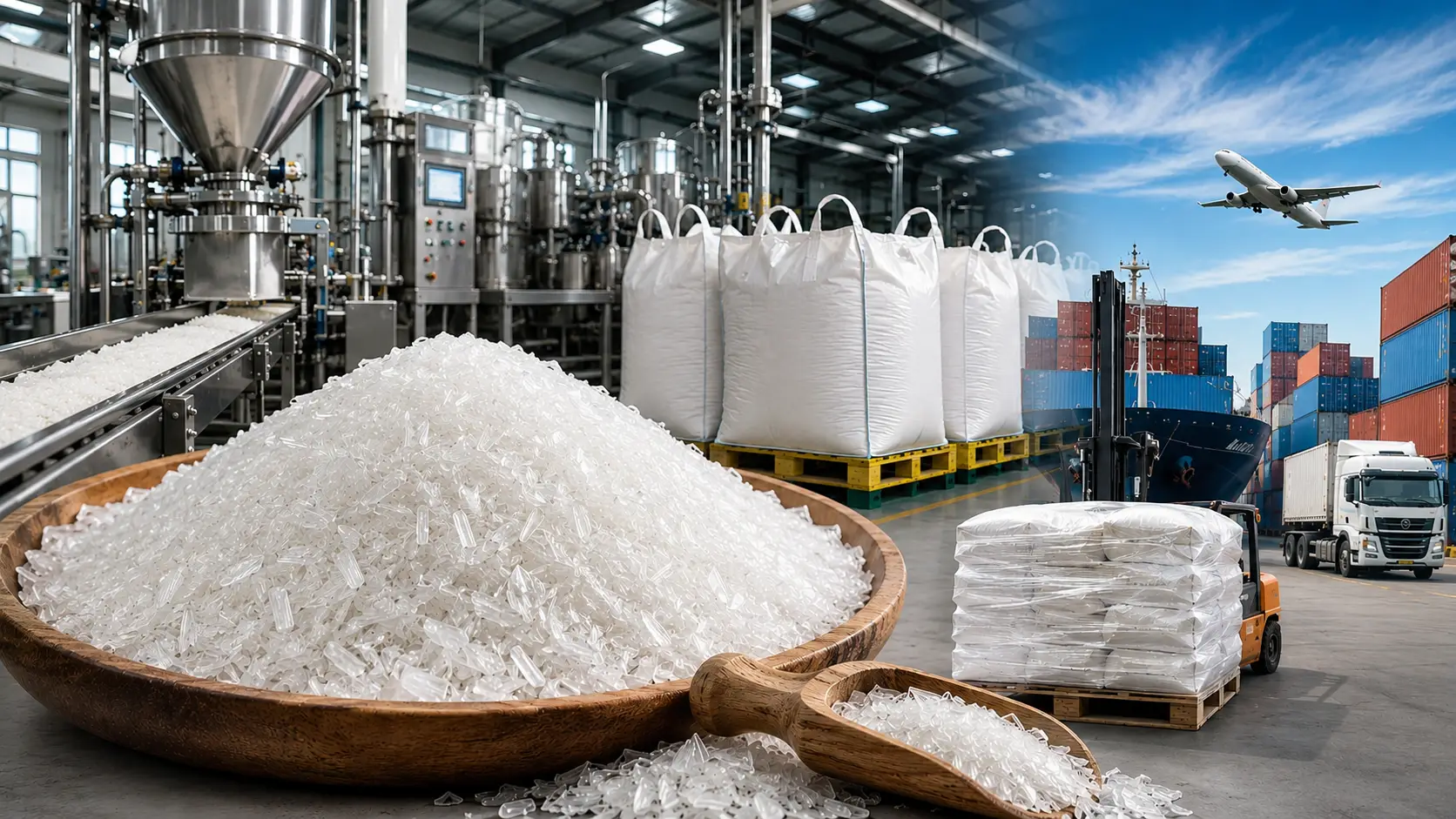
This production model makes MSG particularly relevant to international ingredient sourcing. Food processors, seasoning manufacturers, distributors, and importers can evaluate MSG based on specification, consistency, documentation, packaging, supply reliability, and suitability for their target applications.
Key Applications Across the Food Industry
One of the most established MSG applications is in seasoning formulations designed for savoury taste. Manufacturers of spice blends, instant seasoning mixes, sauces, and culinary preparations can use MSG as part of a broader flavour system. Codex classifies monosodium L-glutamate under the functional class flavour enhancer.
Noodles and Prepared Foods
MSG is commercially relevant to dried pasta and noodle products, prepared foods, and ready-to-eat savoury products. Codex GSFA lists monosodium L-glutamate across multiple food categories, including dried noodles, prepared foods, and ready-to-eat savouries.
Meat, Seafood, and Vegetable Products
Food processors working with meat, poultry, seafood, frozen vegetables, and fermented vegetable products represent another important buyer group. Codex provisions specifically include categories covering fresh meat and poultry, frozen fish products, frozen vegetables, and fermented vegetable products.
Foodservice and Industrial Formulation
Industrial seasoning producers and foodservice-oriented manufacturers may also source MSG as part of standardized formulation systems. For these buyers, dependable product quality and repeatable supply can be as important as the ingredient's functional performance.
Why Food Manufacturers Buy MSG
A major procurement consideration is consistency. Large food manufacturers need ingredients that behave predictably across production batches, especially when recipes are manufactured across multiple facilities or geographic markets. MSG can form part of standardized savoury flavour systems.
Formulation Efficiency
MSG is also attractive where manufacturers want a practical flavour-enhancement ingredient within a broader formulation. Its established use across numerous food categories gives procurement teams a familiar ingredient specification and established supply ecosystem.
Product Portfolio Flexibility
Because MSG is used across several food categories, a single procurement program can potentially support multiple product lines. This is particularly relevant for seasoning companies and diversified food manufacturers producing noodles, snacks, prepared foods, sauces, meat products, and other savoury formulations.
Regulatory Familiarity
Regulatory recognition is another important commercial consideration. FDA states that it considers added MSG to be generally recognized as safe (GRAS), while Codex and JECFA maintain internationally relevant references for MSG under INS 621. Buyers must nevertheless verify the requirements applicable to the destination market and finished product.
Buyer Requirements and Quality Considerations
Industrial buyers typically evaluate MSG through a defined product specification covering identity, purity, physical characteristics, and applicable food-grade requirements. Consistent specifications help manufacturers maintain formulation control and reduce variability between shipments.
Documentation
For international procurement, documentation can influence supplier approval as much as product availability. Buyers may require technical documentation, certificates, regulatory information, batch-related documents, and other records needed for internal quality assurance and import procedures.
Packaging and Handling
Packaging selection should reflect the buyer's production scale, storage conditions, transportation route, and handling system. Bulk-oriented food manufacturers and distributors may have different packaging requirements from smaller ingredient users, making commercial flexibility an important sourcing consideration.
Supplier Qualification
Supplier qualification should combine product, commercial, and supply-chain evaluation. Buyers can assess specification consistency, communication, documentation quality, lead times, order flexibility, and the supplier's ability to support repeat purchasing rather than evaluating a quotation on price alone.
Monosodium Glutamate Market and Procurement Trends
Demand for MSG is closely connected with the continued production of processed and prepared foods, seasoning products, noodles, savoury snacks, sauces, and other flavour-intensive categories. This diversified application base supports its continuing relevance in industrial food ingredient procurement.
Regional Consumption Patterns
MSG demand is particularly significant in markets where savoury food products, seasoning blends, instant noodles, prepared foods, and Asian-style culinary products form substantial commercial categories. For international buyers, this creates opportunities to source from established production regions while serving local manufacturing demand.
Cost Management
Procurement teams increasingly need to balance ingredient cost with consistency and supply reliability. A low nominal purchase price may be less attractive if inconsistent quality, documentation gaps, delayed shipments, or irregular availability create additional production or inventory costs.
Strategic Purchasing
For larger buyers, MSG procurement can therefore move from transactional purchasing toward strategic sourcing. Forecasting demand, qualifying alternative suppliers, planning inventory, and maintaining reliable international logistics can help reduce supply disruption while supporting predictable manufacturing operations.
B2B Sourcing and Supplier Selection
When searching for a monosodium glutamate supplier, buyers should first match the supplier's product offering with their intended application and regulatory market. Food-grade requirements, documentation, packaging, order volume, and delivery destination should be established before comparing commercial offers.
Comparing Commercial Offers
Supplier comparison should consider the total procurement equation rather than unit price alone. Product specification, minimum order quantity, payment terms, lead time, packaging, freight, documentation, and shipment reliability can materially affect the delivered cost and operational value of MSG.
Building Long-Term Supply
Long-term sourcing relationships can provide advantages for manufacturers with recurring MSG requirements. Consistent communication and demand planning can help suppliers prepare inventory and buyers reduce the risk of unexpected shortages, especially when international transportation requires advance planning.
B2B Marketplace Advantage
A specialized B2B chemical and ingredient marketplace can simplify supplier discovery by connecting buyers with relevant commercial sources. For procurement teams, the objective is to move efficiently from product identification to specification review, quotation comparison, supplier qualification, and repeat purchasing.
International Trade and Supply Chain Considerations
MSG buyers operating internationally need to consider the regulatory and documentation requirements of the destination market. Codex identifies monosodium L-glutamate as INS 621, while national authorities may apply additional food additive and labeling requirements.
Logistics Planning
International MSG sourcing also requires practical logistics planning. Buyers should evaluate shipment timing, port operations, storage capacity, packaging integrity, customs documentation, and delivery schedules to prevent delays from affecting manufacturing plans.
Supply Continuity
Supply continuity becomes particularly important for manufacturers using MSG across multiple products. Maintaining appropriate inventory levels and developing qualified sourcing alternatives can help protect production against transportation disruptions or unexpected changes in supplier availability.
Procurement Partnerships
For international buyers, a capable trading and sourcing partner can provide value beyond arranging a shipment. Tradeasia International can support the broader B2B procurement process by connecting product requirements with international sourcing, commercial coordination, and supply-chain execution.
Conclusion: Building Reliable MSG Supply
Monosodium Glutamate remains an important food additive for manufacturers seeking consistent savoury flavour enhancement across diverse applications. Its established position as INS 621 and its recognized use across numerous Codex food categories reinforce its commercial relevance.
Buyer Priorities
For procurement teams, successful MSG sourcing depends on more than securing a competitive quotation. Product specifications, regulatory suitability, documentation, packaging, delivery reliability, supplier responsiveness, and long-term supply capability should all form part of the purchasing decision.
Supplier Evaluation
Manufacturers and distributors can strengthen their procurement strategies by qualifying suppliers against both technical and commercial criteria. This approach helps reduce avoidable supply risks while supporting consistent ingredient availability for ongoing food production.
Tradeasia as a Sourcing Partner
For buyers seeking dependable international sourcing support, Tradeasia International offers a B2B-oriented route for connecting product requirements with global chemical and ingredient supply capabilities. The focus is on helping procurement teams source suitable materials efficiently while building commercially sustainable supply relationships.
Sources
www.fda.gov
www.fao.org
www.chemtradeasia.com

Leave a Comment