Introduction to the Global Millet Supply Chain
Millet has become an increasingly important agricultural commodity within international grain trading due to its versatility, resilience, and growing commercial demand. Traditionally cultivated across Asia and Africa, millet is now attracting greater attention from industrial food manufacturers and animal feed producers seeking reliable alternative grains. As sustainability and climate resilience gain importance in agricultural sourcing, millet has emerged as a valuable crop capable of supporting diversified supply chains.
According to the Food and Agriculture Organization (FAO), millet production contributes significantly to food security because of its ability to thrive in semi-arid environments with relatively low water requirements. These agronomic advantages make millet an attractive commodity for regions experiencing climate variability and changing agricultural conditions.
Understanding Millet's Role in Global Supply Networks
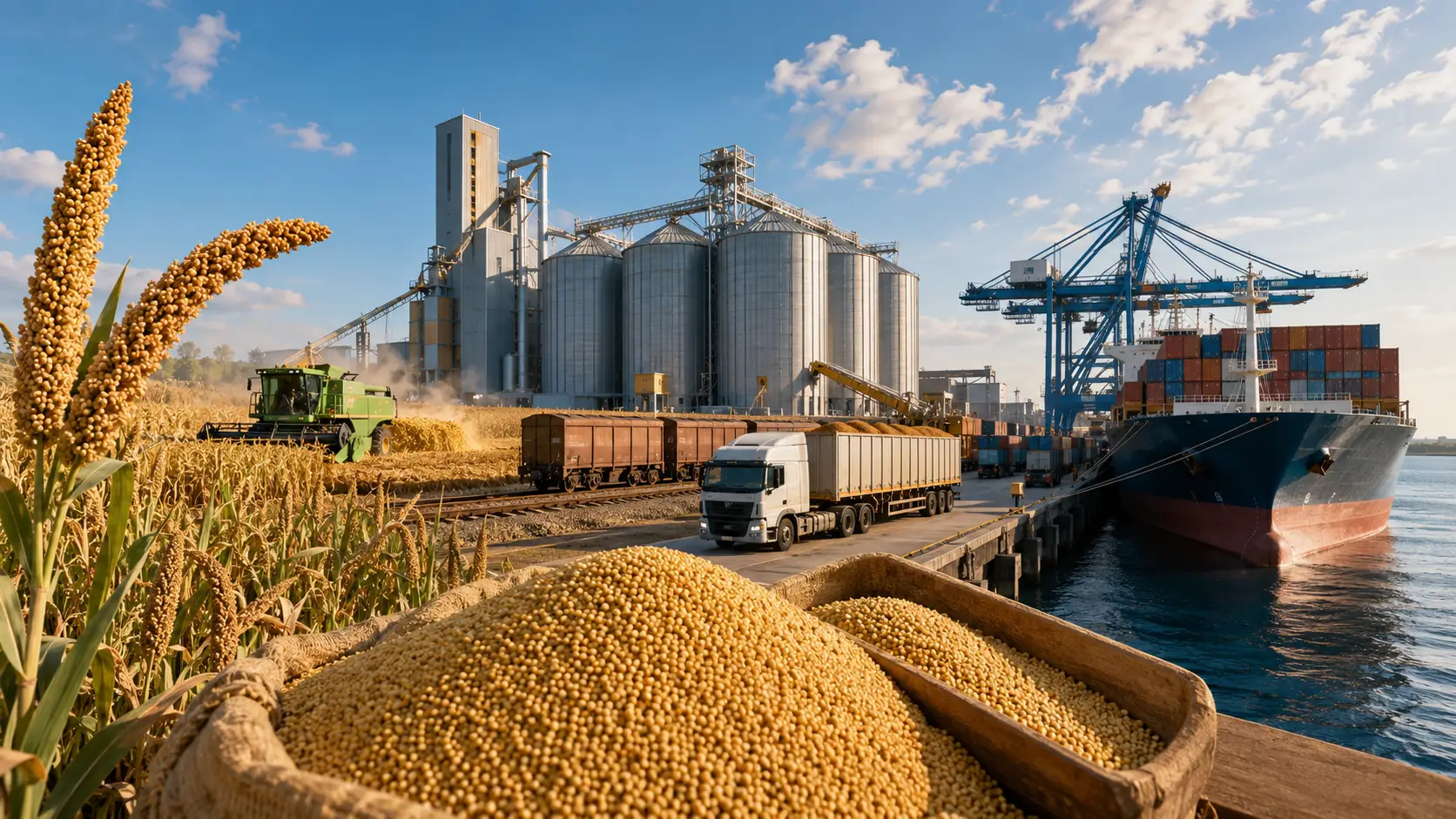
The commercial millet supply chain begins with cultivation, harvesting, cleaning, grading, and storage before moving through domestic aggregators, exporters, commodity traders, and international distributors. Quality preservation during storage and transportation is essential because moisture management directly affects shelf life and grain integrity throughout international logistics.
Industrial buyers increasingly source millet through experienced commodity suppliers capable of ensuring consistent quality specifications, export documentation, and dependable shipping schedules. As global trade continues expanding, procurement teams prioritize suppliers with diversified sourcing networks that reduce exposure to regional harvest fluctuations and logistical disruptions.
Global Production and Trade Dynamics
Global millet production remains concentrated in countries such as India, Nigeria, China, Sudan, and Niger, where favorable climatic conditions support large-scale cultivation. International demand has gradually expanded beyond traditional consumption markets as livestock producers and food processors recognize millet's commercial value in diversified formulations. This shift has encouraged exporters to strengthen supply capabilities for both regional and international buyers.
Market analysis published by the United States Department of Agriculture (USDA) indicates that global coarse grain markets continue evolving as buyers diversify sourcing strategies to improve supply security. Millet benefits from this trend because it offers an alternative cereal grain that complements existing procurement portfolios while supporting operational flexibility.
International Trade and Commercial Distribution
Export competitiveness depends on crop quality, harvesting efficiency, storage infrastructure, and transportation networks connecting producing regions with international ports. Countries with advanced grain handling facilities often achieve stronger positions in global trade due to improved product consistency and reduced post-harvest losses.
Commodity traders also play a critical role by coordinating inventory management, quality inspections, logistics, and documentation required for international shipments. Their expertise enables industrial buyers to access reliable supplies while minimizing procurement risks associated with seasonal production cycles and changing trade conditions.
Supply Chain Challenges and Procurement Strategies
Although millet offers numerous commercial advantages, supply chain management requires careful planning to address seasonal production patterns, transportation constraints, and varying quality specifications across producing regions. Weather variability, storage conditions, and export regulations can all influence product availability and pricing throughout the year.
According to research published by the International Crops Research Institute for the Semi-Arid Tropics (ICRISAT), investments in improved post-harvest management and supply chain infrastructure continue enhancing millet's commercial competitiveness within international agricultural markets.
Building Reliable Procurement Partnerships
Successful procurement teams evaluate suppliers based on production capacity, quality assurance systems, export experience, traceability, and logistics performance rather than focusing solely on price. Reliable suppliers help buyers maintain uninterrupted production while reducing operational uncertainty associated with international commodity sourcing.
Long-term supplier relationships also enable better forecasting, improved contract stability, and greater flexibility during market fluctuations. As global demand for resilient agricultural commodities grows, strategic sourcing partnerships are becoming an increasingly important competitive advantage for manufacturers, distributors, and international grain traders.
Buyer Intent and Industrial Procurement Considerations
Industrial millet buyers span multiple sectors, including animal feed manufacturers, food processors, grain traders, distributors, and ingredient suppliers. Procurement teams typically purchase millet in bulk to support continuous production schedules, making supplier reliability and consistent product quality essential purchasing criteria. As demand for climate-resilient grains increases, millet is becoming a strategic ingredient in both established and emerging markets.
According to the Food and Agriculture Organization (FAO), diversified cereal sourcing helps strengthen food and feed supply resilience, particularly as climate variability influences production across traditional grain-growing regions. This reinforces millet's position as a commercially viable commodity for long-term procurement planning.
What Procurement Teams Evaluate Before Buying
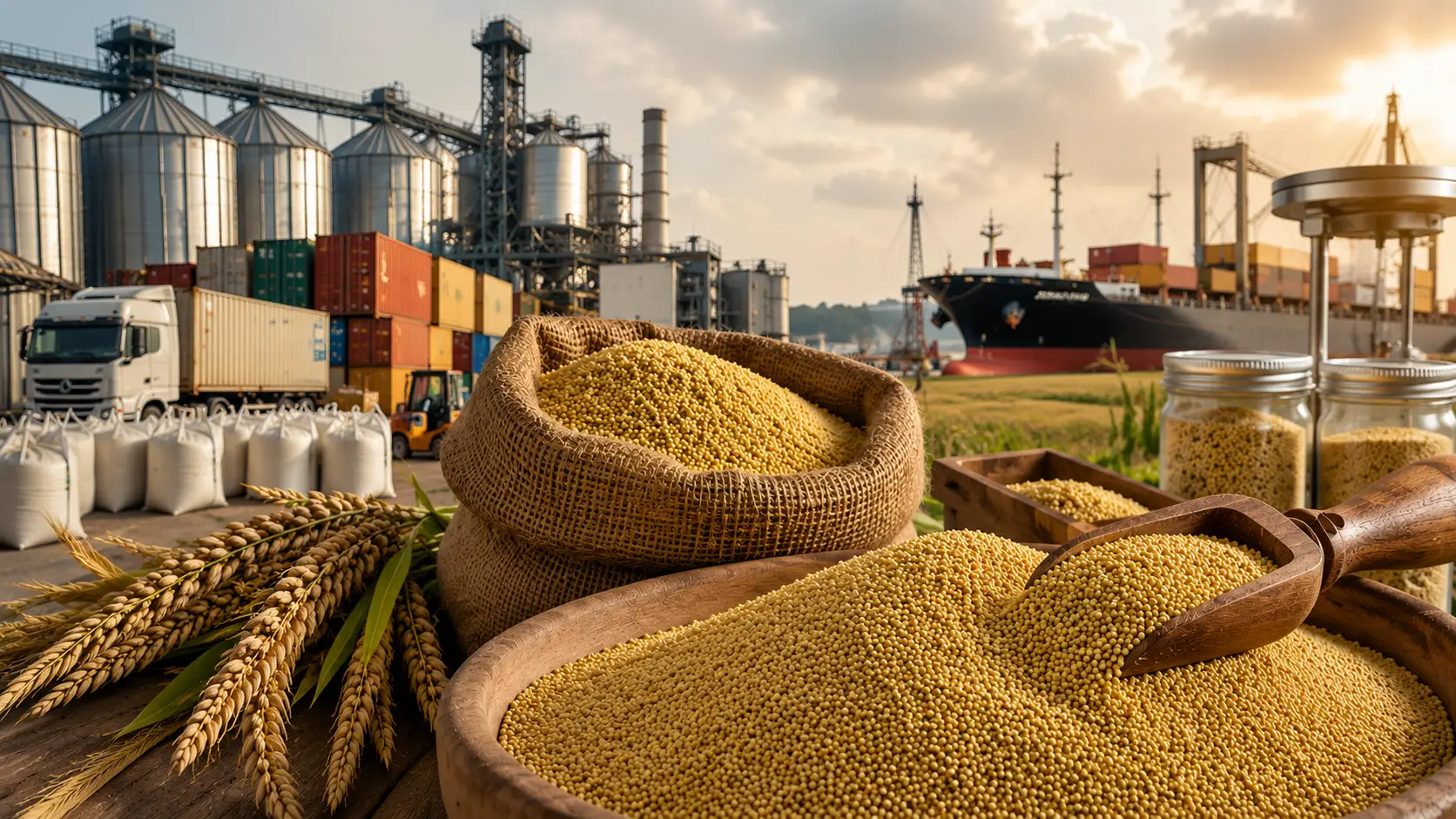
Before selecting a supplier, buyers commonly assess grain size consistency, moisture content, purity, foreign material levels, packaging options, export compliance, and available certifications. Logistics capability is equally important, especially for international shipments requiring efficient documentation, container loading, and on-time delivery.
Because multiple exporters may offer similar products, procurement professionals compare suppliers based on quality assurance programs, supply continuity, pricing transparency, technical support, and responsiveness. A comprehensive product page that clearly presents specifications, applications, packaging options, and export capabilities helps buyers make informed sourcing decisions while reducing procurement risk.
Future Market Opportunities for Millet
The global outlook for millet remains positive as governments, agricultural organizations, and manufacturers increasingly recognize its role in sustainable food systems and diversified grain supply chains. Growing investment in resilient agriculture, combined with expanding demand for alternative cereals, is expected to support continued commercial development across international markets.
Market assessments published by organizations such as the Organisation for Economic Co-operation and Development (OECD) and FAO indicate that demand for climate-adapted crops is likely to increase over the coming years as supply chains seek greater resilience against weather-related disruptions and resource constraints.
Expanding International Supply Opportunities
Exporters with established sourcing networks, efficient logistics, and strong quality management systems are well positioned to benefit from this market expansion. Investment in storage infrastructure, digital supply chain visibility, and traceability programs is also improving buyer confidence and supporting long-term international trade relationships.
For manufacturers, distributors, and procurement teams, millet represents more than an alternative grain—it is an opportunity to diversify sourcing strategies while supporting operational resilience. Companies that build partnerships with experienced global suppliers can better navigate market volatility and maintain consistent access to high-quality agricultural commodities.
Conclusion
Millet continues to strengthen its position within the global agricultural commodity market due to its versatility, resilience, and expanding industrial applications. From animal feed production to food processing and international grain trading, the crop supports diversified supply chains while meeting the evolving needs of manufacturers and procurement professionals.
As market demand grows, successful sourcing increasingly depends on suppliers that combine reliable production networks, consistent quality control, efficient logistics, and international trade expertise. Working with experienced global sourcing partners helps businesses reduce procurement risks, improve supply continuity, and respond effectively to changing market conditions. Tradeasia International supports industrial buyers with dependable sourcing solutions, global supplier networks, and professional export services designed to meet the requirements of today's competitive B2B marketplace.
Sources
https://www.fao.org
https://www.fas.usda.gov
https://www.icrisat.org
Leave a Comment