Understanding Millet as a Commercial Agricultural Ingredient
Millet as a Versatile Grain Ingredient
Millet is a group of small-seeded cereal grains belonging mainly to the Poaceae family and has been cultivated globally as a food and agricultural crop for thousands of years. Its nutritional profile, adaptability, and processing flexibility have increased interest among manufacturers seeking alternative grain ingredients. According to the Food and Agriculture Organization of the United Nations (FAO), millets are recognized as important climate-resilient crops due to their ability to grow under challenging agricultural conditions.
Commercial buyers increasingly view millet as more than a traditional grain. Its applications now extend into processed foods, functional ingredients, animal nutrition, and specialty formulations. The combination of nutritional characteristics and agricultural sustainability has created new opportunities for suppliers serving international markets.
Millet varieties differ in characteristics such as grain size, processing performance, and nutritional composition. These differences influence how manufacturers select millet for specific applications, including flour production, grain-based products, feed formulations, and ingredient blending.
For businesses evaluating procurement opportunities, understanding product specifications, processing requirements, and end-use applications is essential. Buyers looking for detailed sourcing information can review the Millet product page for industrial application details and supplier information.
Agricultural Importance and Supply Potential
Millet production contributes to agricultural diversification because many varieties require fewer inputs compared with some conventional cereal crops. This characteristic has encouraged interest from food companies and agricultural buyers exploring sustainable ingredient options.
The International Crops Research Institute for the Semi-Arid Tropics (ICRISAT) highlights the role of millets in supporting food security and agricultural resilience, particularly in regions affected by climate variability. These factors contribute to growing commercial interest in millet supply chains.
Global sourcing teams increasingly evaluate not only availability but also consistency, traceability, and supplier reliability. These considerations influence purchasing decisions among manufacturers and distributors operating across international markets.
According to FAO agricultural information, cereal supply chains depend on production stability, quality management, and efficient trade networks. These factors are important for companies integrating millet into commercial product portfolios.
Millet Applications Across Food and Feed Industries
Food Manufacturing Applications
Millet has gained attention among food manufacturers because of its versatility in multiple product categories. It can be processed into flour, used in bakery formulations, incorporated into cereals, and applied in specialty grain-based products.
Food producers increasingly explore millet as consumers show greater interest in diverse grains and alternative ingredients. Manufacturers use millet to develop products that align with changing preferences for nutritional variety and grain-based innovation.
The technical properties of millet influence processing decisions. Factors such as particle size, moisture content, and milling quality are important considerations when selecting millet for industrial food production.
Research published in food science literature has examined millet’s nutritional composition and potential applications in functional food development. These studies support continued interest from ingredient manufacturers seeking new grain-based solutions.
Animal Feed and Nutrition Applications
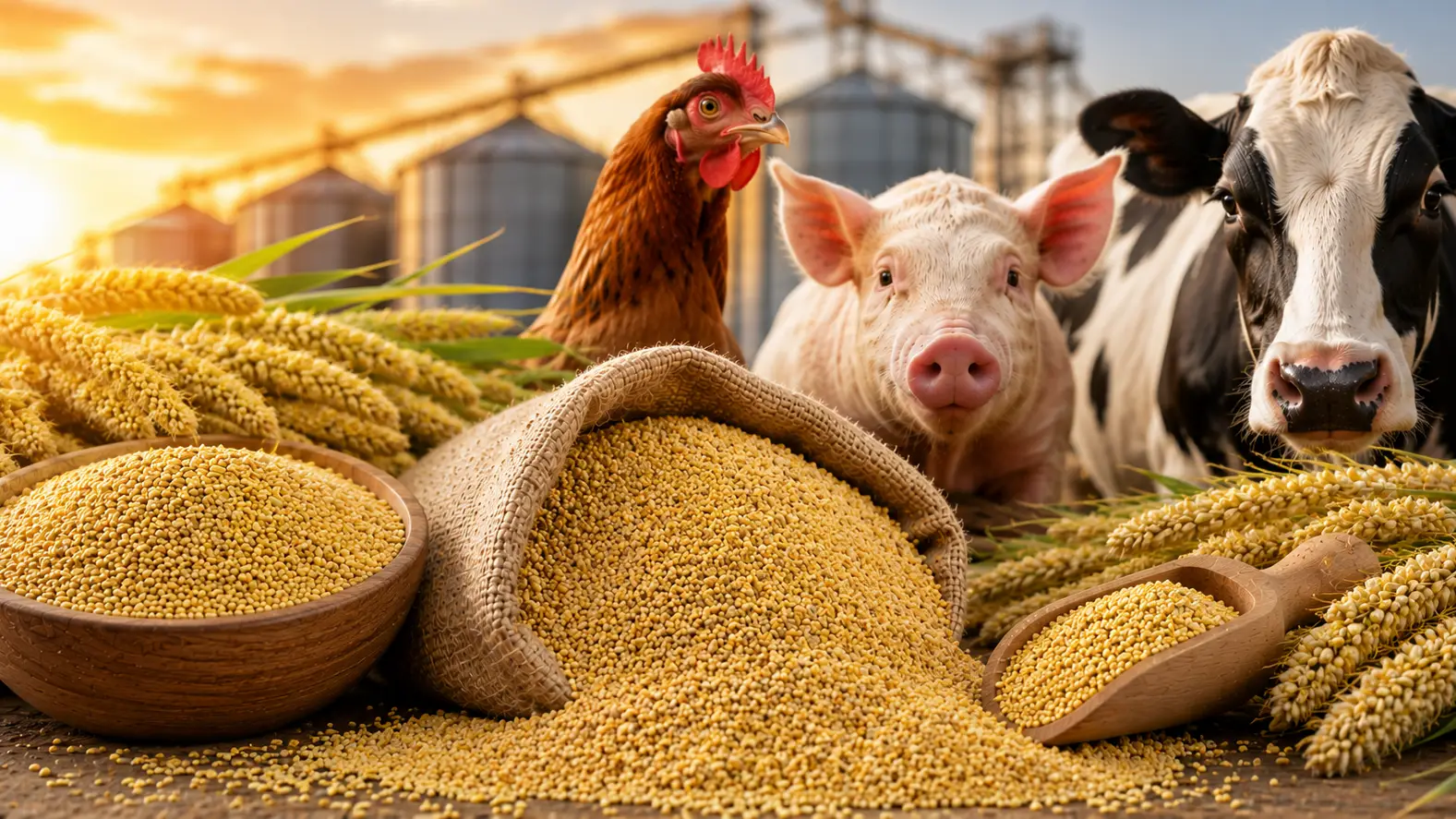
Millet also serves as an ingredient in animal nutrition formulations. Feed manufacturers evaluate grains based on nutritional value, availability, cost efficiency, and compatibility with animal diets.
Poultry and livestock feed producers may incorporate millet as part of balanced feed formulations depending on regional availability and nutritional requirements. This creates additional demand from agricultural buyers and feed ingredient distributors.
The feed industry continuously evaluates alternative grains to improve supply flexibility and manage raw material sourcing risks. Millet’s agricultural adaptability contributes to its consideration as a supplementary feed ingredient.
According to the National Research Council’s animal nutrition publications, cereal grains remain important energy sources in livestock diets, with formulation decisions depending on nutritional analysis and animal requirements.
Market Trends Driving Millet Demand Among Global Buyers
Growing Interest in Sustainable Grain Ingredients
Sustainability has become an important factor in ingredient sourcing decisions. Food manufacturers and distributors increasingly assess agricultural products based on environmental impact, supply reliability, and production resilience.
Millet benefits from attention toward climate-adaptive crops because many varieties can perform well in environments where water availability is limited. This characteristic supports interest among companies developing sustainable ingredient strategies.
Market demand is also influenced by innovation in plant-based foods and diversified grain products. Manufacturers continue searching for ingredients that provide functional value while supporting changing consumer expectations.
Industry organizations studying sustainable agriculture have identified resilient crops as important components of future food systems. These trends contribute to commercial opportunities for millet suppliers and traders.
Expansion of Alternative Ingredient Markets
The growth of specialty foods, health-oriented products, and diversified diets has encouraged manufacturers to explore grains beyond traditional wheat, rice, and corn.
Millet fits into this trend because it can be used in multiple product formats, including whole grain products, processed ingredients, and blended formulations. This flexibility creates opportunities across different manufacturing sectors.
Procurement teams increasingly compare suppliers based on quality consistency, documentation, logistics capabilities, and international trade experience. These factors influence long-term sourcing relationships.
Market analysis from agricultural organizations indicates that demand for diversified crops is supported by both consumer trends and supply chain considerations, creating opportunities for global ingredient suppliers.
Key Buyer Groups and Procurement Considerations for Millet
Who Buys Millet for Industrial Use
The main buyers of millet include food manufacturers, animal feed producers, ingredient distributors, agricultural traders, and companies involved in grain processing.
Food companies may purchase millet for bakery ingredients, cereals, specialty foods, and nutritional product development. Feed manufacturers evaluate millet based on availability, nutritional contribution, and formulation requirements.
Ingredient distributors and traders often require dependable suppliers capable of meeting volume requirements and supporting international shipments. These companies act as important links between producers and industrial users.
For B2B marketplaces, connecting verified suppliers with qualified buyers helps simplify sourcing processes and improves access to global procurement opportunities.
What Procurement Teams Evaluate Before Buying
Industrial buyers typically evaluate several factors before selecting a millet supplier. Quality specifications, documentation, production capacity, logistics support, and commercial terms all influence purchasing decisions.
Consistency is particularly important for manufacturers because ingredient variation can affect production efficiency and final product quality. Suppliers that provide clear product information can support stronger buyer confidence.
Companies also compare suppliers to identify competitive pricing, reliable delivery schedules, and suitable product specifications. A transparent sourcing process helps reduce procurement risks.
The Millet sourcing page provides buyers with a dedicated resource for evaluating product applications and supplier opportunities.
Sourcing Millet Through a Reliable B2B Marketplace
Importance of Supplier Transparency
Reliable sourcing is essential for businesses operating in international ingredient markets. Buyers need confidence that suppliers can meet technical requirements, commercial expectations, and delivery commitments.
B2B marketplaces support this process by helping buyers discover suppliers, compare options, and identify products suitable for industrial applications.
For agricultural ingredients such as millet, supplier transparency supports better decision-making. Buyers commonly review product specifications, availability, export capability, and application suitability.
Trade platforms that provide structured product information can help manufacturers and distributors improve procurement efficiency.
Supporting Global Procurement Connections
The role of digital marketplaces continues to expand as companies seek faster ways to connect with international suppliers. Online sourcing platforms provide access to broader supplier networks and product information.
For companies searching for millet suppliers, marketplace visibility can create opportunities across food, feed, and ingredient industries.
Tradeasia and Chemtradeasia platforms support B2B sourcing by connecting industrial buyers with suppliers across international markets. This approach helps businesses evaluate sourcing opportunities while improving supply chain connections.
A dedicated Millet product page allows buyers to explore commercial information related to millet applications and sourcing.
Commercial Opportunities and Future Outlook for Millet Suppliers
Future Demand Across Multiple Industries
Millet’s commercial potential is supported by expanding applications across food manufacturing, animal nutrition, and specialty ingredient markets.
As companies continue exploring sustainable and diversified raw materials, millet may become increasingly relevant within global ingredient supply chains.
Suppliers that understand buyer requirements, maintain consistent quality, and provide reliable logistics capabilities are better positioned to participate in international trade opportunities.
The future market outlook depends on agricultural production, consumer demand, processing innovation, and the ability of suppliers to meet industrial standards.
Building Long-Term Buyer Relationships
Successful ingredient sourcing depends on more than product availability. Long-term commercial relationships require reliability, communication, and understanding of customer application requirements.
Manufacturers and distributors increasingly seek suppliers that can support continuous procurement rather than one-time transactions.
For buyers, selecting the right marketplace and supplier network can improve sourcing efficiency and reduce operational challenges.
Millet represents an opportunity for businesses seeking versatile grain ingredients with applications across growing industrial sectors. Companies interested in exploring supplier information can visit the Millet product page for further sourcing details.
Sources
Leave a Comment